
How do you report a sex offender on Facebook?
You report a convicted sex offender on Facebook through Meta's dedicated sex offender report, not only the ordinary Report profile button. Meta's help page on reporting convicted sex offenders asks for the profile plus one public source: a national or state registry listing, an online news article, or a court document. Reviewers compare the two. Once Meta confirms the person's status, it says it will "immediately disable their account", because convicted sex offenders are not allowed on Facebook at all. That rule applies even when the person posts nothing harmful. Reporting sex offenders on Facebook therefore rests on records, not on suspicion. Without one of those links, Meta recommends asking local law enforcement to contact it directly; otherwise the case falls back to the regular reporting flow, where Meta judges content and behavior instead. If the profile is messaging a child or sharing sexual material involving minors, treat it as a crime first: call police, then report to Meta.
Parents ask the same thing in many ways: "how to report sex offenders on facebook", "can I report a registered offender's profile", "what proof does Meta need". Every version starts at the registry page.
Your Reputation Solution is an online reputation and account recovery firm that helps individuals, parents and businesses put the right evidence in front of the right Meta report route and keep their own accounts safe while they do it.
Does Facebook ban sex offenders?
Yes. Facebook bans convicted sex offenders outright. Section 3.1 of the Meta Terms of Service, "Who can use Facebook", lists two people who can't hold an account, anyone under 13 and anyone who is "a convicted sex offender", and it applies whether or not the person ever posts. So the question "can facebook ban sex offenders" has a short answer, and the follow-up "does facebook ban sex offenders" in practice has a longer one. Meta acts when a report links the account to a verifiable conviction. It does not scan public registries on its own for every one of its users, and names alone are not proof: two people can share a name and a hometown. Instagram follows the same Meta terms, which is one reason an instagram account banned for cse rarely comes back after appeal.
Which report route fits the profile you found?
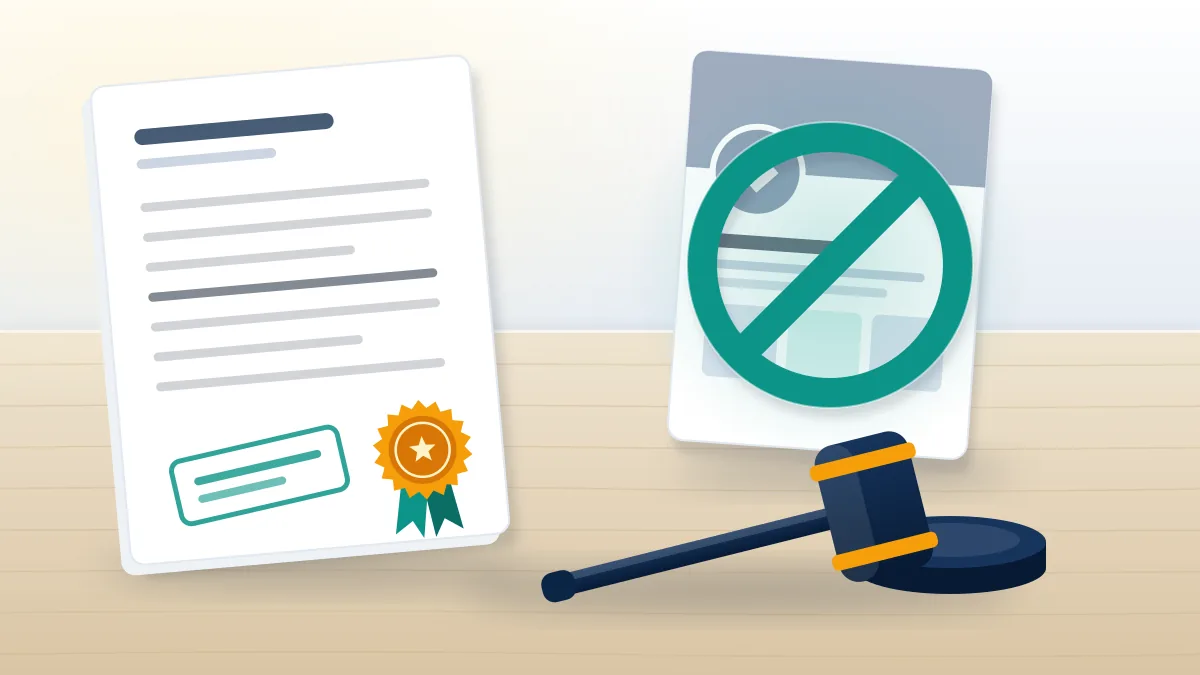
Pick the route by what you can prove. Convictions on a public record go to the convicted sex offender report, behavior you can see goes through Report profile, and a child's account goes to the underage form. Mixing them up is the most common reason a valid case stalls: an in-app report about a registered offender who posts nothing harmful gets judged on content, finds no violation and closes, even though the account breaks Meta's terms simply by existing. The reverse fails too, since the offender report cannot act on behavior alone without a registry, news or court link. Anything involving a child's safety runs on two tracks at once, police and Meta, because Meta can remove an account but cannot arrest anyone or seize a phone. Choose the route first, gather what that route asks for, then file once.
When we prepare these cases, Your Reputation Solution checks the registry entry against the profile's photos, city and workplace before anything is filed, because a mismatched report wastes the review and can expose the reporter to a defamation claim.
| What you found | Route | What Meta needs |
|---|---|---|
| A registered offender's profile | Convicted sex offender report | Profile URL + registry, news or court link |
| Sexual messages to a minor | Police first, then Report profile | Screenshots, profile URL, dates |
| Sexual images of a child | Police or NCMEC CyberTipline, then Report | The URL only; never save or share the images |
| A user who looks under 13 | Underage child form | Profile URL, the child's age if known |
| Harassment or threats | Report profile or post | Screenshots, links |
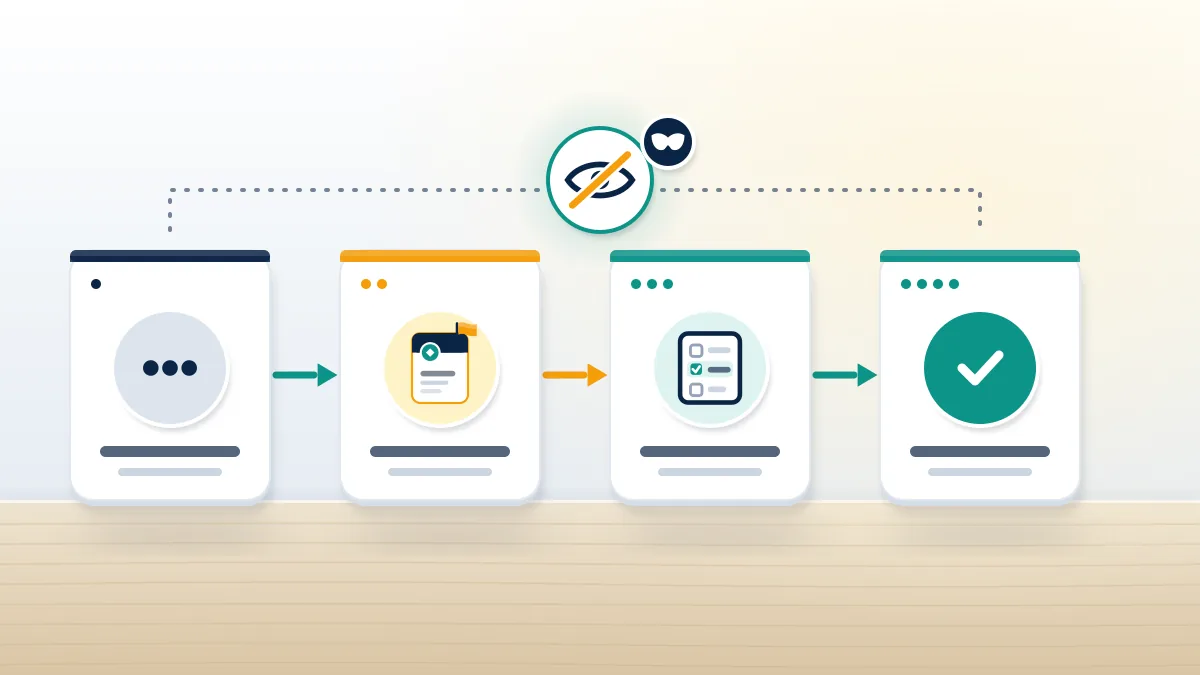
For the in-app route on a computer, open the profile, click Options to the right, choose Report profile, pick the closest reason and click Done. Some reasons only send feedback rather than a formal report, which is why the sex offender form matters for conviction cases.
How do you report a Facebook profile to police?
Call your local non-emergency line or visit the station with the profile URL, screenshots and dates, and ask officers to open a report. Call 911 (or your country's emergency number) if a child is in immediate danger. Searches for "report facebook profile to police" often assume officers can read private messages on request. They can't; they request them from Meta through its law enforcement portal, and Meta can preserve account records for 90 days while legal process is prepared. That preservation step is why the profile URL matters more than the display name, which can change overnight. Bring the numeric profile ID if you can find it in the URL. Write down when you first saw the profile, what it sent, and to whom. Do not message the person, warn them, or post about them before police have the file; a warned suspect deletes chats, and a public accusation can backfire on you legally.

Evidence files are where Your Reputation Solution can help, organizing the file and the Meta report, but only police and courts can charge anyone, and only Meta can remove the account.
What is an FB crime report, and who receives it?
An FB crime report is a report of illegal Facebook activity, and it goes to police or a child-safety hotline as well as Meta. Meta itself is not a police agency. For child sexual exploitation in the US, the National Center for Missing and Exploited Children runs the CyberTipline, which forwards reports to the right law enforcement agency; Meta also sends the child exploitation it detects to NCMEC, as its law enforcement guidelines state. Outside the US, use your national police cybercrime unit. A registered offender who simply holds an account has broken Meta's terms, and in some US states may also be breaking parole or registration conditions that restrict social media use, so the supervising officer or the registry office can be told as well. Reporting to all of them does no harm; each acts on its own authority.

How does a Facebook report under 13 work?
A facebook report under 13 goes through Meta's underage child form, and anyone can file it, not only a parent. Facebook requires users to be at least 13, and older in some countries; the US floor traces back to COPPA, the children's online privacy law. The underage report form has a single field, the link to the profile, since many people share a name. If the profile was made with a false date of birth and the user's age "can be reasonably verified" as under the minimum, Meta deletes it. You get no confirmation; the profile simply stops loading. Parents searching "report under 13 facebook" usually have a second worry: who is talking to the child. Check the child's friend list and messages before the account disappears, and screenshot anything sexual or coercive, because deletion removes the evidence from your view.
In underage cases, Your Reputation Solution helps parents file the form and lock down the child's remaining accounts, but the age check itself is Meta's.

Photos of the child posted by someone else are a separate case, the one covered in someone posted a picture of my child without my permission, and a youtube privacy complaint minor follows its own rules.
Old accounts a child no longer uses are worth closing too. Guides on how can i get an old instagram account deleted and how to delete an old twitter account without email cover that.
Can you report someone on Facebook anonymously?
Yes, every Facebook report is anonymous to the person you report. Meta's help center says that when it contacts the reported account, it does not include information about who filed the report. So how to report someone on facebook anonymously is simply: report normally. Two exceptions matter. Reports sent to a group's admins, rather than to Facebook, show the admins your name. Legal forms, such as intellectual property or defamation claims, can pass the reporter's name to the other side. The sex offender form and the underage form are not legal claims, so a facebook report profile anonymous request through them stays private. Each report also lands in your Support Inbox, where only you can see it and its status. Police reports are different: an officer will usually need your name, though you can ask what is shared.
Does reporting the same profile many times help?
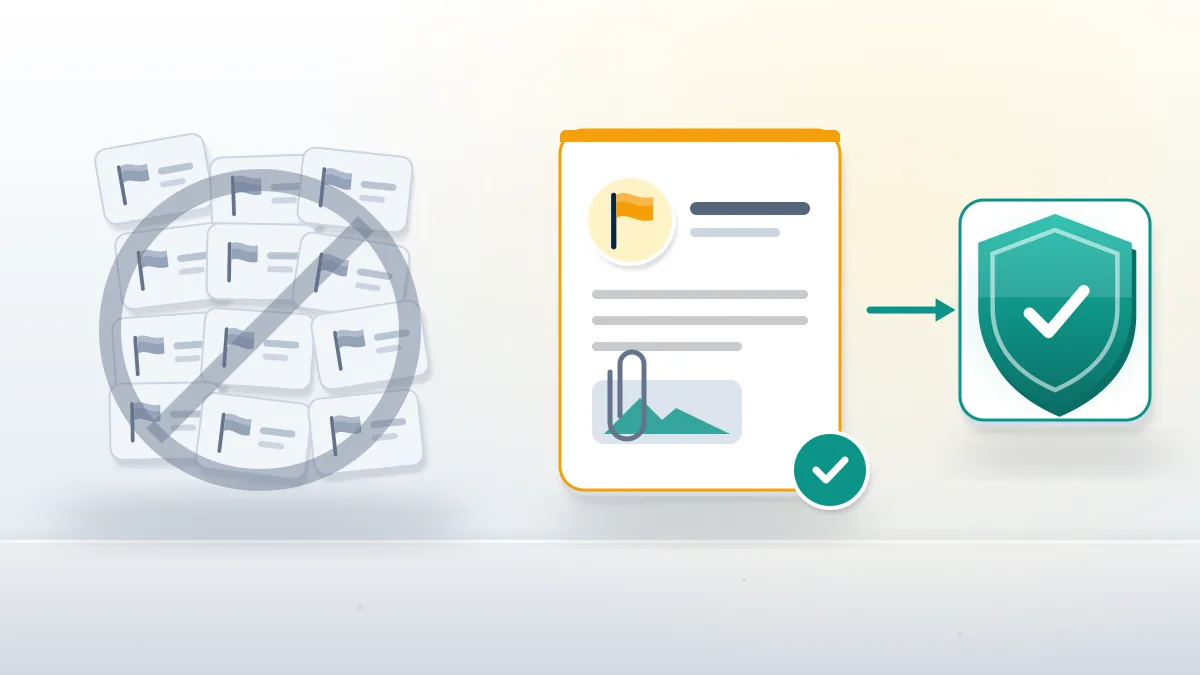
No. Meta says the number of reports does not decide whether something comes down, so one report with the right evidence counts as much as a hundred. Mass reporting can backfire. Coordinated reports from new or fake accounts look like abuse of the reporting system, which Meta's rules prohibit, and they bury the single report that carries the registry link. Your Reputation Solution does not run mass-report campaigns, and paid services that promise a takedown by a deadline cannot see review queues or change a decision. What helps is one complete report, a second only when new evidence appears, and Request another review in the Support Inbox if the decision looks wrong. People you report may report you back. Those counter-reports are judged on the same rules, so an account that follows them rarely loses anything, though two-factor authentication on your own login is still wise.
That logic holds on TikTok, as what actually happens after you report a TikTok account shows, and for anyone asking how to delete someone else's twitter account.
Instagram and Snapchat match: how do you delete someone else's instagram account and how to get someone's snapchat account deleted both end in a platform review.
Lost access after a counter-report? See how to get back a reported instagram account or how to recover whatsapp business account.
Disputes can trigger X restrictions: what does shadow banned mean on twitter explains the signs; whatsapp delete account recovery covers a lost chat account.
What should you keep, and avoid, while the report is open?
Keep the evidence and stay off the offender's radar. Save the profile URL, the registry link, screenshots with visible dates and the report confirmation from your Support Inbox, in one folder you do not share. Where the account messaged a child, save the whole conversation, not single lines, since context is what investigators read. Do not post the person's address, tag their employer or share registry screenshots in local groups; doxxing breaks Facebook's rules and can be illegal even when the conviction is real, and a wrong match turns the reporter into the defendant. Do not create a fake profile to bait or befriend the person either, because that breaks Meta's authentic identity rules and can taint a police case. Block the account after filing, and set your friend list to private so a counter-report campaign has less to work with.
Not sure the profile matches the registry, or the account keeps coming back? Your Reputation Solution reviews the evidence and the right Meta route with you before anything is filed. Get a free evidence review.
We will not file a report without a matching public record, and we never ask for anyone's password. Read the limits we work within before hiring any firm in this space.
When does outside help make sense?
Most people can file these reports alone in ten minutes, and should. Outside help makes sense in narrower cases: the registry match is uncertain because the name is common, the same person keeps returning under new accounts after each removal, a business page or its staff are being targeted, or a counter-report has already cost you access to your own profile. In those cases the work is mostly evidence, matching photos, dates and places between the registry and each new account, and writing a report a reviewer can verify in one pass. Nobody outside Meta can remove an account, speed up a review or see the result of someone else's report, so any service that promises a takedown by a date is selling something it cannot deliver. Whether to involve police stays the parent's or the victim's decision.
For repeat-account cases, the work at Your Reputation Solution is comparing each new profile with the registry record before anything is filed again.
Banned users often come back under new names. X handles the same problem as ban evasion, explained in what ban evasion on X is and how flags work, and TikTok does too, as covered in how to avoid the tiktok ban.
A second account by the same person is reportable the same way, so keep the registry link and the old profile's URL together, since the match is what Meta checks.
If a public post names someone as an offender and the record says otherwise, that is a removal question. See how to remove arrest record from google and how to remove bad information from the internet.
Australian readers face a different map, laid out in which negative content Australian law can force offline.
Other platforms split reports the same way: how to report a business on google uses separate forms for fakes and for legal claims, and LinkedIn asks which takedown request form fits your case first.
Evidence habits carry across platforms. Fraud cases on scams on telegram need the same dated screenshots, and so does an instagram phishing report.
Some situations call for closing rather than reporting. Families who stop posting their children can look at how to remove a youtube account or a telegram account deleted automatically after inactivity.
Reposted family videos are a copyright matter, handled through the youtube copyright removal request form rather than a safety report.