What is a Facebook blackmail scam?
A Facebook blackmail scam is a threat to publish your private images or messages unless you pay, usually run by organized crews from fake profiles.
Facebook sextortion follows a script so consistent that crews sell it to each other. First comes a friend request from an attractive stranger with a thin profile and a few mutual friends; the chat turns flirtatious within hours, and the stranger asks to move to a Messenger video call or to swap photos. Once anything intimate is captured, sometimes by screen-recording a call in which the other person's video was a looped clip, the tone flips. Next the scammer sends a screenshot of your friends list, names your partner or employer, and demands money by gift card, crypto or a payment app, often with a deadline under an hour. On July 24, 2024, Meta said it had removed about 7,200 assets based in Nigeria, including 1,300 Facebook accounts, 200 Pages and 5,700 Groups, that were selling scripts and guides for exactly these scams (Meta Newsroom, 2024).
Not every case involves real images. Some Facebook blackmail scams are pure bluff: a message claims your camera was hacked and a video exists, yet offers no attachment and no detail. Others come from a hacked friend's profile, which makes the first message feel safe. Searchers type it as fb sextortion, blackmail facebook or sextortion scam facebook. Either way, the bluff needs almost no response, while real images need every step below.
Your Reputation Solution is a reputation management and account recovery firm that helps blackmail victims preserve evidence, file accurate reports and win back accounts a scammer has hijacked.
Crews rarely stay on one app. Reported profiles can reappear on Instagram, where getting the scammer's Instagram account taken down runs on the same evidence. Leak channels on Telegram have their own route, set out in taking down a Telegram channel that posts leaks.
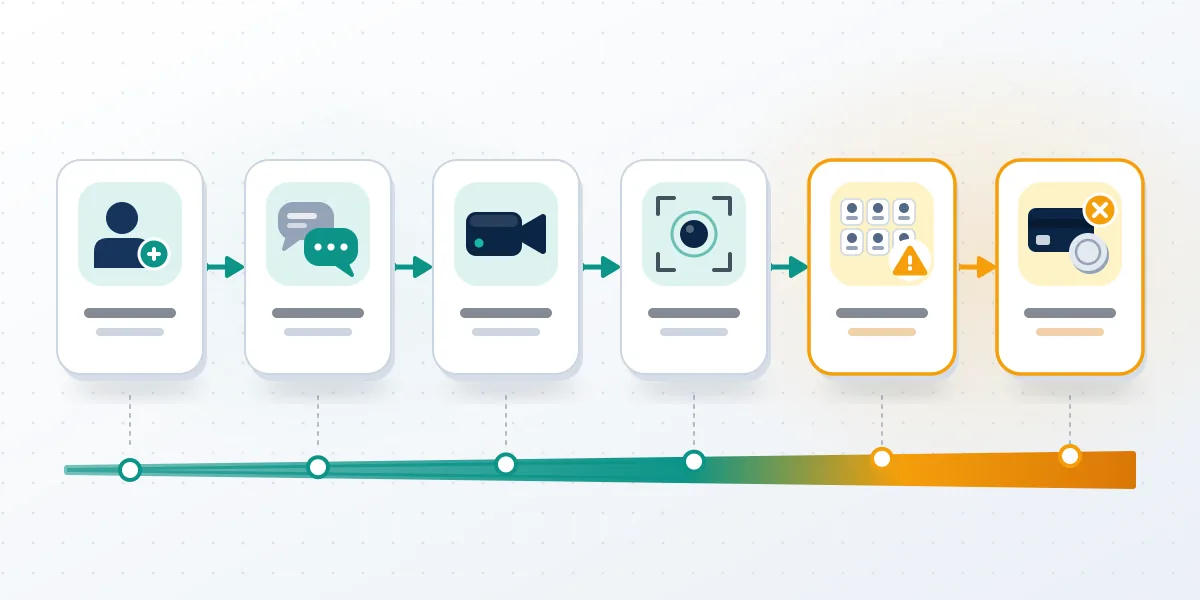
Five steps for the first hour, before you block anyone
Order matters more than speed, because blocking first can erase the record that a report and a police file both depend on.
- Stop replying and don't pay. Meta's Stop Sextortion guide, developed with Thorn, says cooperating or paying rarely stops the threats (Meta Safety Center).
- Capture the record: the whole chat with timestamps, the profile page, its URL copied as text, every payment handle or wallet address, and the friends-list screenshot they sent.
- Report the conversation while it still exists. Messenger can only review deleted messages reported within 14 days of deletion, or within 6 hours in end-to-end encrypted chats (Messenger Help Center).
- Hide your friends list, which is public by default: open Settings and privacy, then Settings, Audience and visibility, How people find and contact you, and set "Who can see your friends list?" to Only me (Facebook Help Center).
- Block, then tell one person you trust.
Step three is the one most people get wrong. Personal Messenger chats are end-to-end encrypted by default, so in Facebook Messenger sextortion a scammer who hits "Delete for everyone" after the threat lands leaves you a six-hour window in which Meta can still review what was said. Block first and delete the thread in a panic, and the report has nothing behind it. Screenshots alone are weaker than people expect, because a display name like "Emily Rose" can change three times in a day while the profile URL stays fixed. In the cases Your Reputation Solution reviews with clients, a missing URL and a deleted thread are the usual gaps, and both trace back to those first minutes rather than to anything Facebook did later. Copy the URL from the browser bar or the profile's Copy link into a dated note. Keep the payment handle the scammer gave you too, since that is often the only thread police can pull.

Meta's own advice is to block the blackmailer but keep your profile and messages. Deleting accounts in a rush also costs you the handle, and claiming an Instagram username back later is never assured. X works the same way, where an inactive username on X follows rules you don't control.
How do you report blackmail on Facebook and Messenger?
Report the conversation under Sexual violence and exploitation, then report the profile, and do both before you block.
On a computer, open the chat, click the person's name at the top, scroll to Report, pick a category and click Done (Messenger Help Center). Picking the right category is most of the work. Facebook defines Sexual violence and exploitation to include "threats to share intimate things you want to keep private (such as images or videos)", so it fits any demand tied to photos, videos or sexual messages. Direct threats covers credible threats of physical harm and specific threats of financial harm, which fits a cash demand with no images. No report gets created at all for the technical problem or false information categories, so a blackmail report filed there goes nowhere. Reported users are not told who reported them. Then open the scammer's profile, choose Options and Report profile, and pick fake account or pretending to be someone if the photos were stolen.
Anyone working out how to report extortion on Facebook without photos, such as a demand for money to stop posting lies, uses the same path and the Direct threats category. Quote the threat and the deadline in the free-text box when one is offered, since a blackmail report FB reviewers can act on names both. On request, Your Reputation Solution drafts that wording with clients so the policy match is obvious to a reviewer who reads it in seconds.
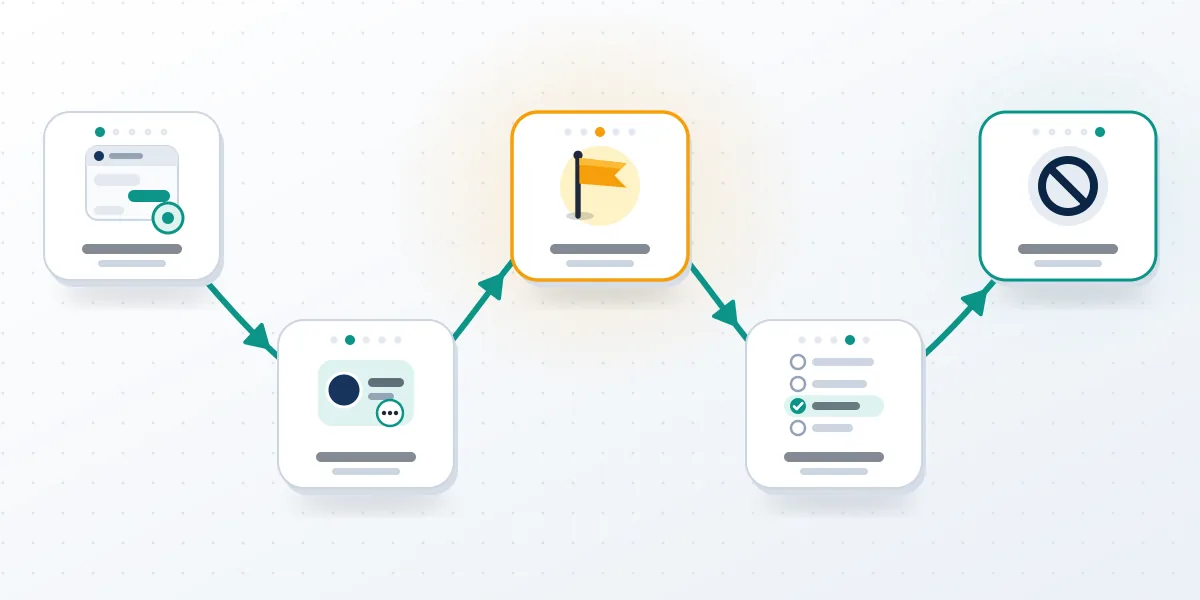
One precise report beats volume. Reviewers judge the content, which is why paying for a Facebook mass report bot buys nothing they weigh. The same holds for a spam report bot for Instagram aimed at a copycat profile.
Reporting threats on Facebook that aren't about photos
Call 911 or local police first when a threat sounds imminent; the Facebook report comes second.
Reporting threats on Facebook works from wherever the threat sits. For a post or comment, open the three-dot menu next to it and choose Report. For a profile, use Options and Report profile, and in Messenger the category is labeled Direct threats. That label is the Facebook report threats option people look for when someone writes that they know your address, will hurt your family, or will damage your car or business. Meta's help page on threats to share private images says to document the post, report it to local law enforcement, report it to Facebook and block the person, in that order (Facebook Help Center). Screenshot the threat before reporting, because removal also removes your proof. A threat that names a time or place is a police matter even when Facebook acts quickly, and a removed post doesn't stop the person who wrote it. Repeated insults with no threat in them belong in the Facebook harassment reporting guide instead.
Knowing how to report Facebook threats on one app won't cover the others. When the threats move to WhatsApp, banning someone on WhatsApp who keeps threatening you explains what blocking and reporting there can and can't do.
If a blackmailer has your images or your accounts, Your Reputation Solution can go through the chat with you, build the report and the police packet, and work on any account the scammer locked you out of. Book a free, confidential case review. No password is ever requested.
How to report someone on Facebook to the police
Go to your local police for threats and extortion, and file with the FBI when money is demanded or a minor is involved.
| Where to report | When it fits | What to bring |
|---|---|---|
| Facebook or Messenger report | Every case, before blocking | The chat and the profile URL |
| Local police (911 if in danger) | Threats, extortion demands | Printed screenshots, timeline |
| FBI at tips.fbi.gov or 1-800-CALL-FBI | Sextortion, any minor involved | Usernames, payment handles |
| IC3 at ic3.gov | Money paid or demanded online | Transaction IDs, wallet addresses |
| NCMEC CyberTipline | The victim is under 18 | report.cybertip.org or 1-800-843-5678 |
Police can't pull account records from Meta on your word, and Meta doesn't answer requests from anyone outside law enforcement. Officers can ask Meta to preserve an account's records for 90 days while they obtain formal legal process, and they can file an emergency request when a child faces imminent harm or anyone risks death or serious injury (Meta law enforcement guidelines). That is why the profile URL matters more than the name on the screen: it lets an officer name the exact account in a preservation request before the scammer deletes it. For anyone deciding how to report threats on Facebook to police, the strongest file holds a short dated timeline, the URL, the payment details, and the Facebook report confirmation from your Support Inbox. Ask for the police report number before you leave.
The same file answers how to report a Facebook scammer to the police in Marketplace or romance cases, where the money trail matters more than any image. Your Reputation Solution can put that packet together with you, but only an officer can open the case. Sellers whose own access was cut after a dispute have a separate path in a Facebook Marketplace unban appeal.

Can Facebook blackmail photos be stopped before they spread?
Often, yes: hash-matching tools let Facebook block known copies on upload, and you never send the images to anyone.
StopNCII.org serves adults 18 and over. It builds a digital fingerprint, called a hash, from the photo on your own device, and only that hash goes to partner platforms, which include Facebook and Instagram (StopNCII industry partners). Take It Down, run by NCMEC, does the same for images taken before you turned 18, and Facebook and Instagram are listed participants (Take It Down). Both tools only match against public or unencrypted surfaces, so neither can promise to catch a copy sent in a private encrypted chat. Since May 19, 2026, the US TAKE IT DOWN Act has been enforced by the FTC: platforms must remove reported intimate images, including AI deepfakes, and known identical copies within 48 hours of a valid request (FTC consumer alert, 2026). Platforms that miss the deadline can be reported at TakeItDown.ftc.gov, a different service from NCMEC's tool despite the name.
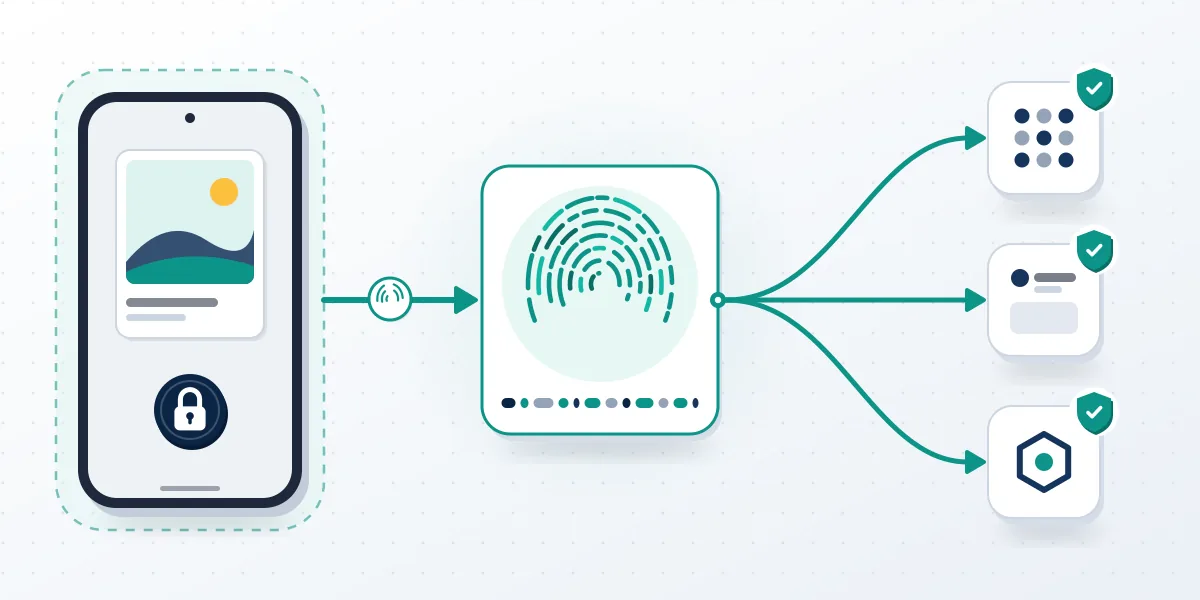
Facebook blackmail photos that leak beyond Meta's apps need a report on each site. Clips posted to TikTok follow their own process in getting a TikTok taken down when it shows your images.
When the person being blackmailed is under 18
A minor's intimate image is child sexual abuse material in law, so it goes to NCMEC and police, never to a private service.
Images of minors are outside what Your Reputation Solution handles in any form, and the scale shows why specialists own these cases. NCMEC received more than 50,000 reports of financially motivated sextortion in 2025, about 137 a day, up from more than 36,000 in 2024, and it reports offenders shifting toward private and encrypted apps (NCMEC, June 2026). Teenage boys are the most frequent targets of the money-driven version, and the deadline pressure is designed to stop them telling anyone. Parents who find out should stay calm, say clearly that the teen is not in trouble, and take the phone into custody without deleting anything. Do not forward, copy or save the images, even to show police; officers collect them. File at the CyberTipline, call local police, and submit the images to Take It Down from the teen's own device. Meta reports apparent child exploitation on its apps to NCMEC as a matter of policy.
Why mass reporting the blackmailer tends to backfire
Volume doesn't decide removal on Facebook, and a report wave can push a scammer to leak early.
Facebook's Help Center says the number of reports does not determine whether something is removed (Facebook Help Center). One report that names the right policy does the work, and fifty more add nothing. Mass reporting also carries three risks for the victim. It warns the scammer that you are fighting back, which can trigger the leak they threatened. Buying the tool means paying a stranger, who is often running a second scam. And coordinated false reporting can flag your own account. Telling an Instagram mass reporting bot to target the profile changes none of this, and neither does mass reporting a TikTok account where the crew also posts. What works is one accurate report per account, a police file, and silence. Your Reputation Solution gives clients the same advice: scammers who get no reply usually move on, though nobody can promise a specific one will.
Bulk-report sellers work the same on every app, whether it is a WhatsApp mass report tool or a Telegram mass report bot.
The reverse also happens. Some crews retaliate by mass-reporting the victim, so a profile gets restricted days after the threat. That is when recovering a Facebook account disabled by the wave or an appeal for an Instagram profile disabled for good becomes the job.
Other apps show the same pattern. People caught in it ask how to get an Instagram account unbanned or file a TikTok suspended account appeal.
Permanent bans call for a way back from a permanent TikTok ban rather than a suspension appeal.
X splits restrictions between an appeal for a suspended Twitter account and contesting a shadow ban on X.
Creators hit through YouTube have their own route in winning back a terminated YouTube channel. Every one of these appeals goes better with the evidence file from step two.
Where paid help fits, and where it turns into a second scam
Nobody can delete images from a scammer's phone, so any service promising that is selling a lie.
Recovery scams follow sextortion closely. Victims who post about their case get messages from "hackers" offering to wipe the images from the scammer's servers, trace the account, or "hack back", always for an upfront fee in crypto. None of that is possible from outside the device, and the free tools above already do the part that is possible. Against that, Your Reputation Solution works on the parts that are real: reading the chat, drafting the reports, assembling the police packet, and recovering accounts the scammer took over, while Meta and the police make every enforcement decision. It will not contact or pay the blackmailer, will not attempt to hack anyone, will not promise that images never surface, and never asks for your password. If the crew also hijacked your messaging apps, Telegram is covered by a Telegram account recovery service run by CISSP-led specialists, and the full list of service limits is public.
Phishing often comes with the scam. Crews that send a "copyright" or "verification" link may be after your logins, and a stolen number can lock you out of Telegram entirely. Restoring a Telegram account the scammer hijacked is a different job from unlocking a Telegram account frozen by a reset.
Abuse from a WhatsApp number has its own process, covered in getting the blackmailer's WhatsApp banned.