Negative content removal Australia: what does it actually cover?
Negative content removal in Australia means getting material taken down or de-indexed because it breaks a platform rule or an Australian law. Critical material alone does not qualify. Most cases involve one of five things: a social post or video, a Google search result, a review on Google or a review site, a news or blog article, or a fake profile using your name. Each has its own decision-maker. Platform trust-and-safety teams rule on posts, Google rules on search results, review-site moderators rule on reviews, and a publisher or a court rules on articles. The eSafety Commissioner can order removal only in narrow categories under the Online Safety Act 2021. So anyone searching negative content removal Australia is really asking two questions at once: which of those five things am I facing, and which specific rule did it break?
Some problems that look like removal cases are visibility problems. Posts that seem to have vanished may reflect a reach limit, which a shadowban check on Twitter can test. A profile can also go quiet because the owner paused it: an account deactivated on Instagram hides its posts without deleting them.
Your Reputation Solution is a reputation management and account recovery firm that maps each item to the right route, builds the evidence file and lodges reports for people and businesses. It deletes nothing itself.
Which negative content can Australian law force offline?
Four legal levers exist, and each covers a narrow band of content.
| Lever | What it covers | Who decides | First step |
|---|---|---|---|
| Online Safety Act 2021 | Adult cyber abuse, cyberbullying of a child, image-based abuse, illegal content | eSafety Commissioner | Report to the platform |
| Uniform defamation laws | False statements causing serious harm | Publisher, then a court | Concerns notice |
| Privacy tort (from 10 June 2025) | Serious intrusion or misuse of private information | Court | Legal advice |
| Australian Consumer Law | Fake or misleading reviews | Platform, ACCC | Platform flag |
Copyright is a fifth lever, and the one most often misused. If a hostile post reuses your own photo, video or text, you own that material and can file a takedown through the platform's copyright process, which applies the Copyright Act 1968 locally and the US DMCA on most American platforms. It only works for work you created. Filing over criticism that merely shows your logo is an abuse of the process, and platforms penalise false claims against the person who filed them. Instagram covers the intellectual property report Instagram meaning for Reels, Live and feed posts in one policy, and repeat infringers lose their accounts. YouTube separates an automated Content ID match from a formal strike, and the copyright claim vs strike YouTube difference decides whether one video is blocked or a whole channel is penalised. Rights owners who file honestly usually see a decision within days; a claim over someone else's opinion gets rejected or counter-noticed.
For that reason, Your Reputation Solution files copyright takedowns only for clients who own the material and can show it.
How does an eSafety report work for adult cyber abuse?
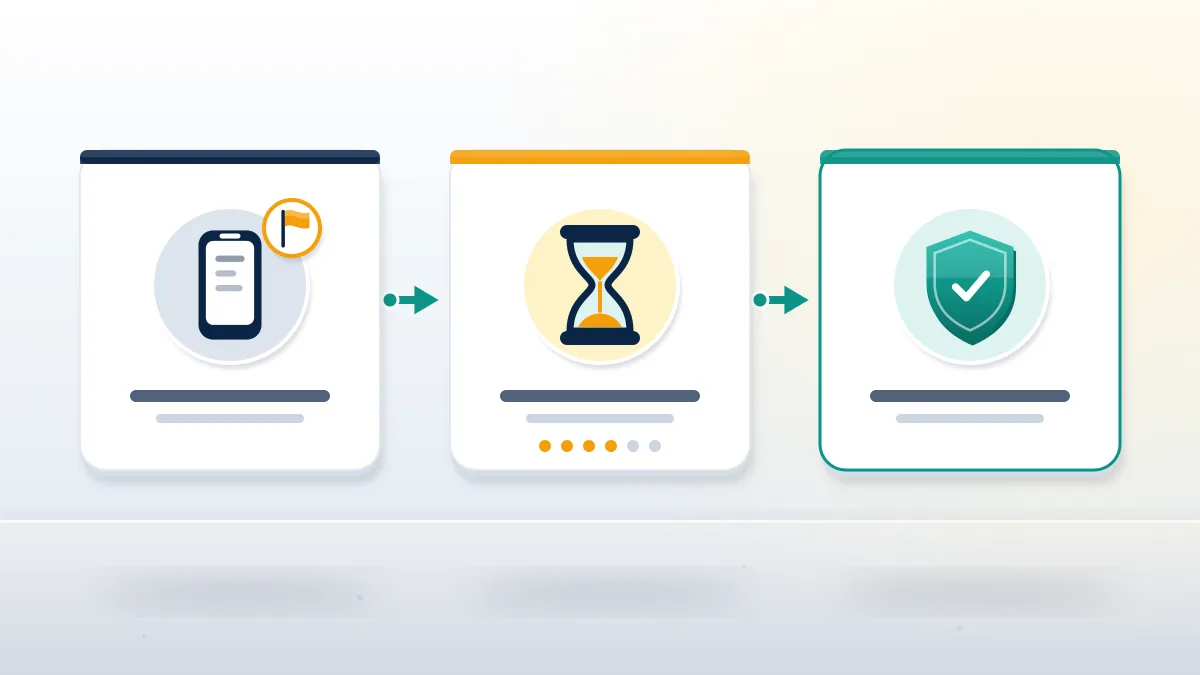
You report to the platform first, keep the report number, then complain to eSafety if the content stays up. eSafety's adult cyber abuse page says it will ask for "evidence that you have complained to the service or platform first, such as a receipt, reference number or report number" (read October 2026). That bar is high. Content must be "menacing, harassing or offensive in all the circumstances" and sent with the likely intention of causing serious harm, meaning a severe effect on physical or mental health. eSafety states plainly that the scheme "is not intended to regulate hurt feelings, purely reputational damage, bad online reviews, strong opinions or banter." When it does act, a removal notice requires the platform to take all reasonable steps to remove the material within 24 hours, unless eSafety allows longer. Image-based abuse and cyberbullying of a child run under separate schemes with their own forms. eSafety also cannot help people who live outside the country.
Reporting to the platform first is where most people stall, because Instagram runs no general helpline. Searching for an Instagram helpline leads back to in-app reports, so read up on contacting Instagram support for your exact issue.
Keep every confirmation, including replies sent to the Instagram customer service email addresses. When Your Reputation Solution prepares an eSafety complaint, the file holds three things: screenshots with URLs and timestamps, the platform's report reference, and a short account of the harm in the person's own words.
Defamation starts with a concerns notice, not a lawsuit
Defamation is the route for false statements of fact, and since 2021 it starts with a letter. Under the uniform defamation laws, as amended from 1 July 2021, the person suing must show the publication caused, or is likely to cause, serious harm to their reputation, and a business must show serious financial loss. Before filing, the complainant serves a concerns notice that identifies the statement and the harm. The publisher then has 28 days to make an offer to make amends, such as a correction, an apology or removal. Online publications face a one-year limitation period that runs from first publication. From 1 July 2024, the Stage 2 reforms in New South Wales gave digital intermediaries such as search engines and forums a defence if they run an accessible complaints mechanism and act on a compliant complaint within seven days (law-firm summaries, 2024). Statements of honest opinion and substantially true reporting stay protected, which is why truthful criticism rarely comes down this way.
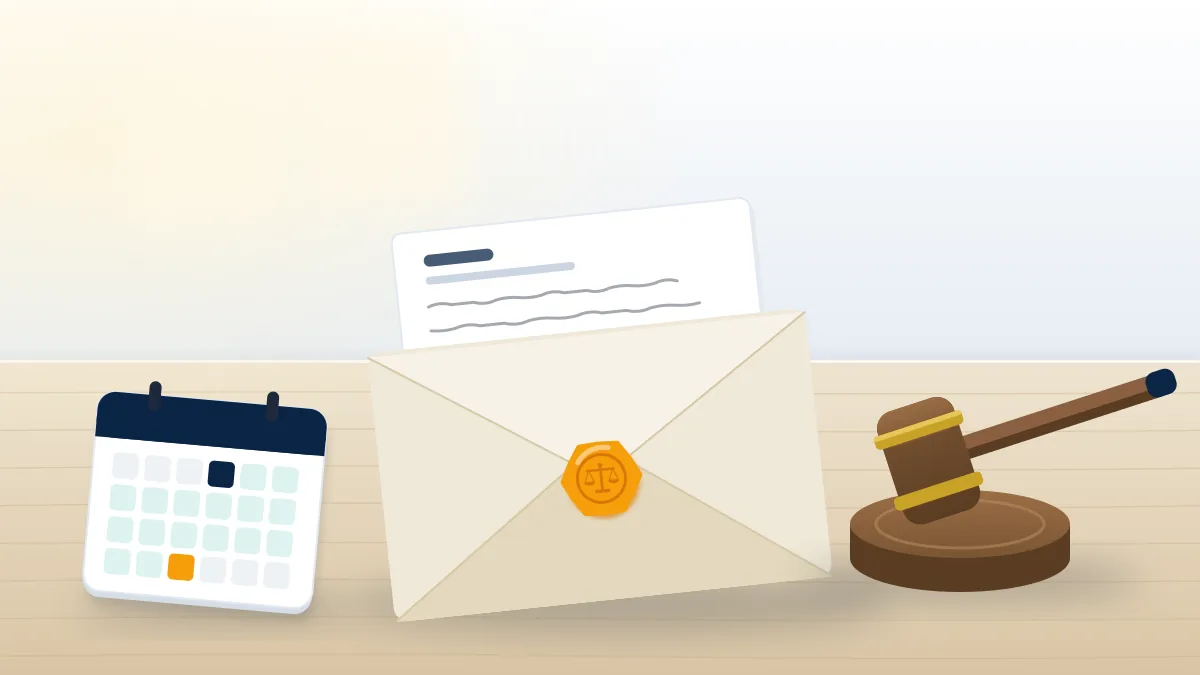
Sending a concerns notice also carries a cost: it can draw more attention to the post. Your Reputation Solution can organise the evidence and the timeline for a solicitor, but it gives no legal advice and never sends legal notices itself.
Can Google remove negative search results for Australians?
Only in defined cases: exposed contact details, explicit or doxxing material, valid legal requests, and pages already deleted at source. Australia has no general EU-style right to be forgotten, so an accurate article about you usually stays indexed. Google's Results about you tool lets people ask for results showing their phone number, home address or email to be removed, though Google may refuse where a page serves a public interest, and removal from search leaves the source page online. Court findings or a clear defamation complaint support a legal removal request. When the source page has already been edited or deleted, Google's outdated content tool refreshes the result. If the result is a YouTube video, YouTube's own routes come first: the YouTube privacy complaint process covers videos that identify you, and copyright removals stack, since a channel that collects 3 copyright strikes on YouTube is terminated.
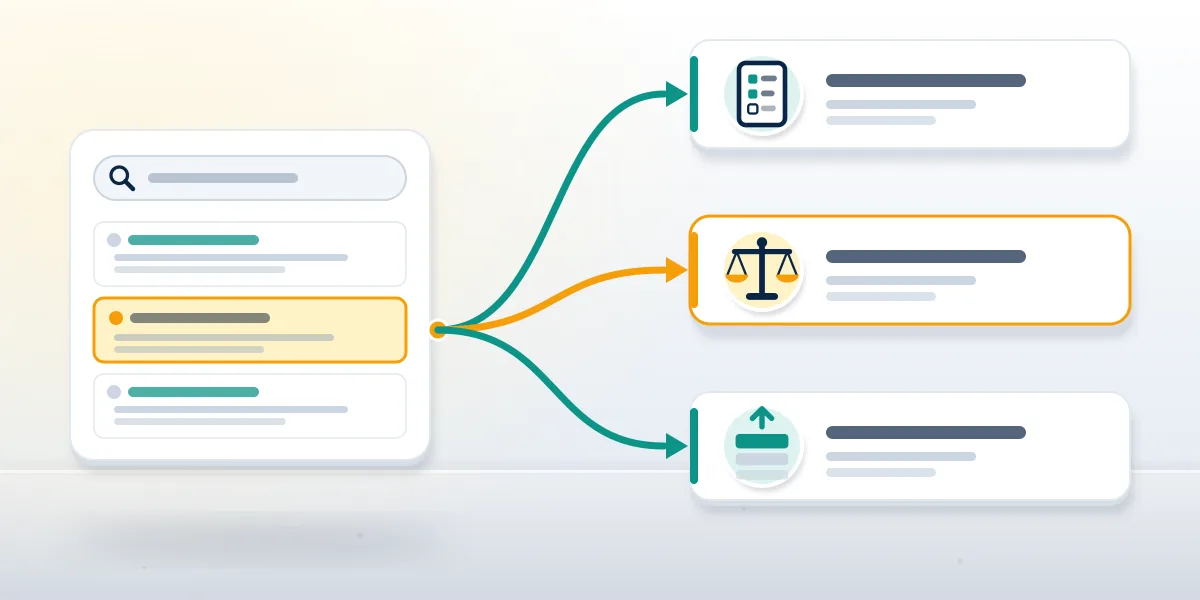
Where none of those apply, the honest alternative is suppression: publishing accurate, stronger pages so the negative result drops. Plans run 90 to 180 days, because search rankings rarely move faster than that.
Fake and unfair reviews: what Google, review sites and the ACCC act on
Review disputes are where Your Reputation Solution starts most business cases, because the policy test is written down and easy to check.
Platforms remove reviews that break their policies, and a genuine negative review is not one of them. Google's review policy states that "fake engagement is not allowed and will be removed," and it also bans conflict-of-interest reviews from current or former staff, contractors, family members and competitors, plus off-topic rants, harassment, hate speech and personal information shared without consent (read October 2026). The same page says Google allows "content that describes negative experiences in a respectful manner." Owners flag a review from their Business Profile, quote the exact policy, and add evidence such as a missing customer record. Under the Australian Consumer Law, fake reviews can be misleading conduct, and the ACCC has warned businesses that suppressing or editing genuine negative reviews is misleading too. Offering a customer money or a discount to delete a review breaks Google's policy as well. Calm, factual public replies often do more for the next customer reading than the removal itself would.
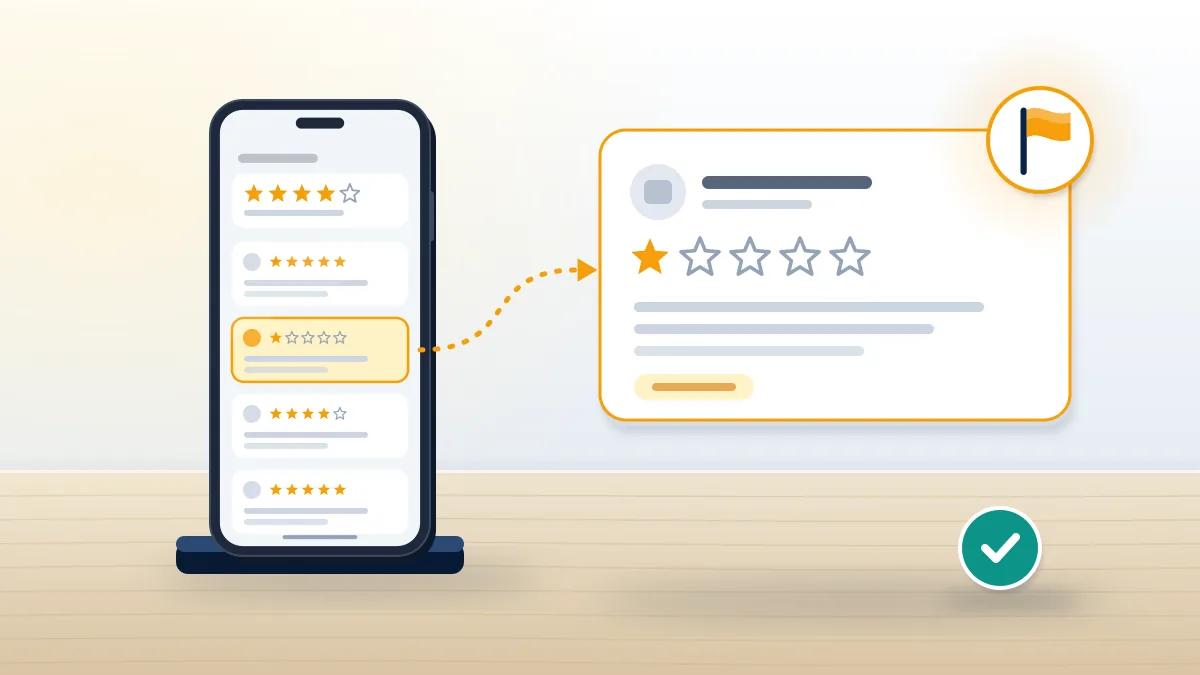
Check each review against the policy text before flagging it, because a flag that names no rule is usually closed within a day.
Platform reports for posts, videos and impersonation profiles
Platform reporting is the fastest removal route for content that breaks a site's own rules, because no court or regulator needs to be involved. Instagram handles impersonation, harassment and intellectual-property reports separately, and the Instagram post removal service routes differ depending on whether you are the person shown, the rights owner or a bystander. YouTube splits privacy complaints from copyright and harassment reports, and its ad network has a separate channel, so a fake advertisement using a business owner's photo goes through the steps to report YouTube scam ads rather than a video flag. Each form asks for the exact URL, the rule broken and, for personal reports, proof of identity. Reports that quote a specific policy clause tend to clear first review. Reports calling a post "unfair" are usually closed, since platforms remove rule-breaking content, not unflattering content.
When Your Reputation Solution files an impersonation report, the client's ID and a side-by-side screenshot go in with it, so the reviewer sees the proof on the first pass.
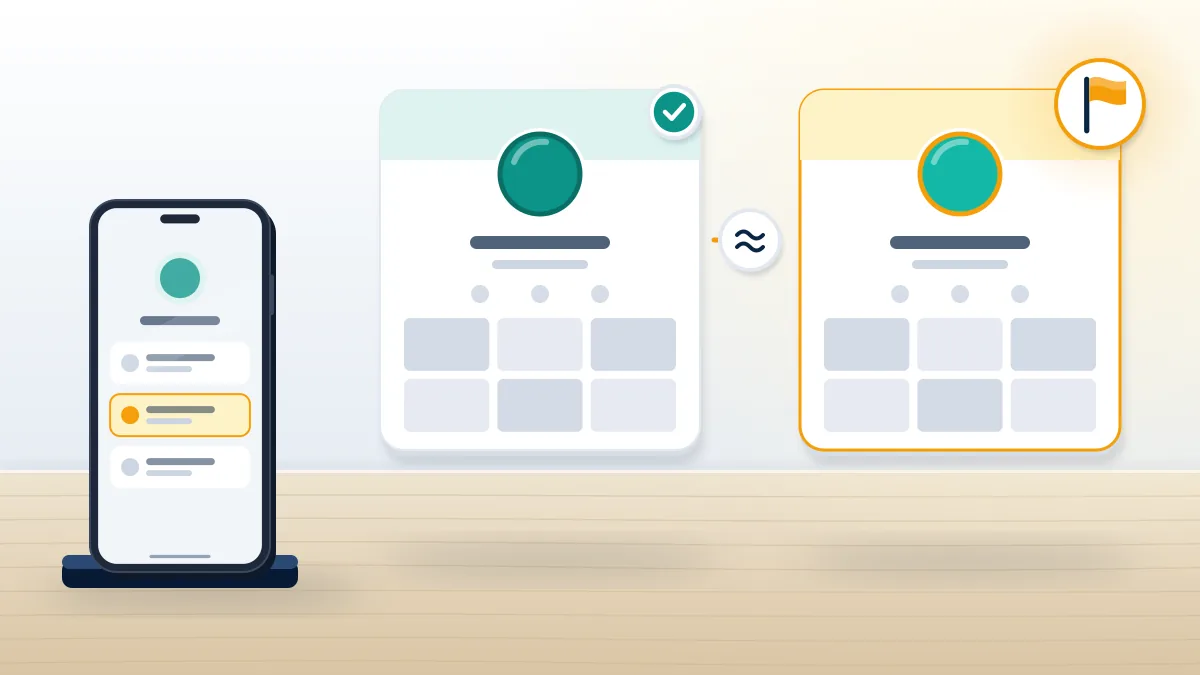
Impersonation is a common source of negative content. Running a check username Instagram search and a TikTok username checker shows whether a lookalike of your name is live.
Short handles attract squatters, so Instagram rare usernames often sit with resellers. Paying to purchase Instagram username rights back breaks platform terms and can cost both the money and the handle.
After a reported impostor is taken down, its profile shows as unavailable, and deleted IG accounts look much like a block, so confirm from a logged-out browser.
Why keep your own accounts secure while you report?
People who report abuse often become targets of phishing and account takeovers, and a lost account cannot file anything. Harassers sometimes answer a report with fake "security" messages, so check whether an email from Instagram to reset password requests really came from Instagram before tapping anything. Where a genuine reset fails, the Instagram password reset not working fixes cover the usual causes. Turn on two-factor authentication with an authenticator app, not SMS, on every account named in the dispute. Store screenshots outside the platform, because a locked account takes its message history with it. Use a separate email address for complaint correspondence, so a reset link from a regulator or a platform never lands next to a phishing copy. Check the login activity screen weekly while the case is open. Should the other side know your phone number, ask your carrier for a port-out PIN, since SIM swaps are a common way into recovery codes.
If a login prompt appears mid-dispute, here is how to unlock Instagram account access safely, and how to report hacked Twitter account takeovers.
Not sure which route fits your case? Your Reputation Solution offers a free case review: send the URLs and screenshots through the contact page, and never a password.
Accounts you paused in the meantime can come back. See how to reactivate an IG account when the login fails, and how to reactivate Twitter account access within its 30-day window.
What negative content removal can't do
Negative content removal cannot erase accurate reporting, honest opinions or genuine reviews, and nobody can promise it will. Accurate news coverage of a court case, a fair one-star review and a critic's strong opinion all stay online under platform rules and Australian law. Payment to a platform does not buy removal, and any service claiming a private "removal team contact" is selling something that does not exist. Mass reporting backfires as well: coordinated false reports breach every major platform's rules, and the reporter's own profile can end up as an Instagram disabled my account case, part of a wave of Instagram suspending accounts that Meta links to inauthentic behaviour. Copyright claims filed over someone else's criticism carry the same risk, since false notices count against the person who sent them. Reviews from real customers stay up too, however one-sided they read. What remains is real work: a correct report, a lawful notice or long-term suppression.
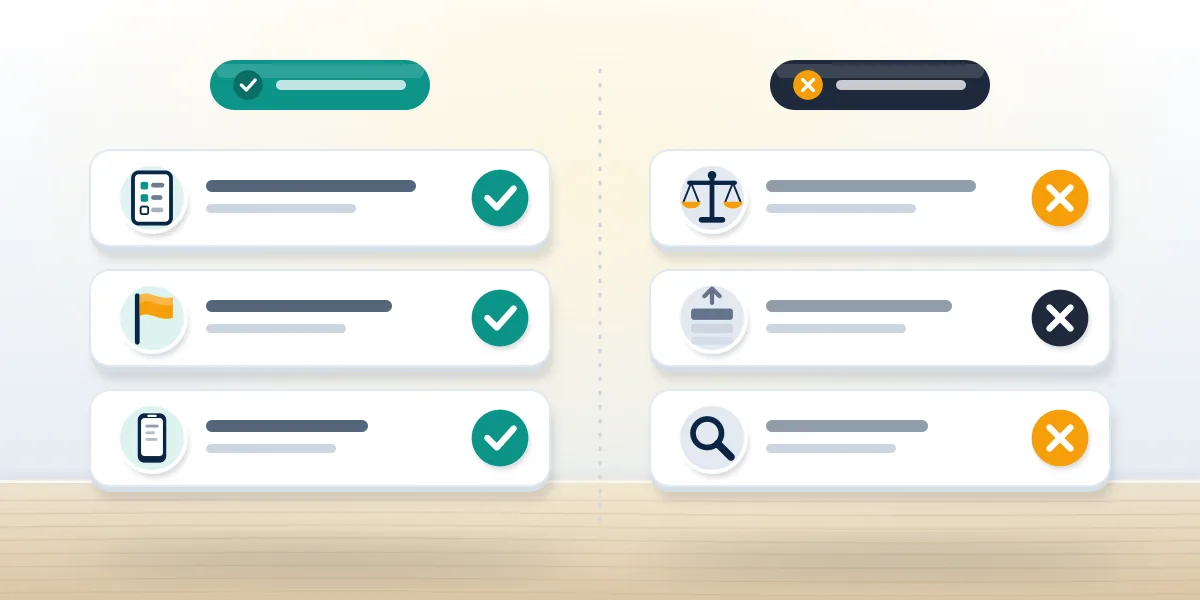
Snapchat follows the same logic, and a Snapchat disabled my account notice can follow automated flagging of a reporting spree. A credible service will not guarantee removal, file false copyright or defamation claims, or ask for your passwords. Its full limits are on the disclaimer page. Before hiring anyone, ask which route they plan to use for each URL, what evidence they need from you, and what they expect to stay online even if every report succeeds.