What does it mean to remove negative content online?
Removing negative content online means one of three outcomes: the page is deleted at its source, the URL is dropped from search results, or the result is pushed below the part of the page people actually read. They are different jobs, and most failed attempts ask for the wrong one. A search engine can de-index a URL while the page stays live. A host can delete a page that Google keeps showing as a stale snippet for weeks. A court can order a statement taken down even when no platform rule covers it.
Your Reputation Solution is an online reputation and account recovery service that maps each negative result to the party with authority over it, prepares the request that party accepts, and tracks what happens next. That mapping is most of the work. People type "how to remove negative internet information" or "remove bad info from internet" into a search bar expecting one button. There is none. Every link has an owner, and every owner has its own rules.
Accuracy decides the route more than anything else. A fake review, a leaked phone number or a reposted photo you own breaks a written rule somewhere, so it can usually be reported. An accurate but unflattering news story usually breaks none. That is why removing negative content of that kind is rare, and why the honest plan for it is suppression, not deletion. Anyone who wants to remove negative information from the internet should sort their links into those two piles before filing anything.
Which route fits which negative link?
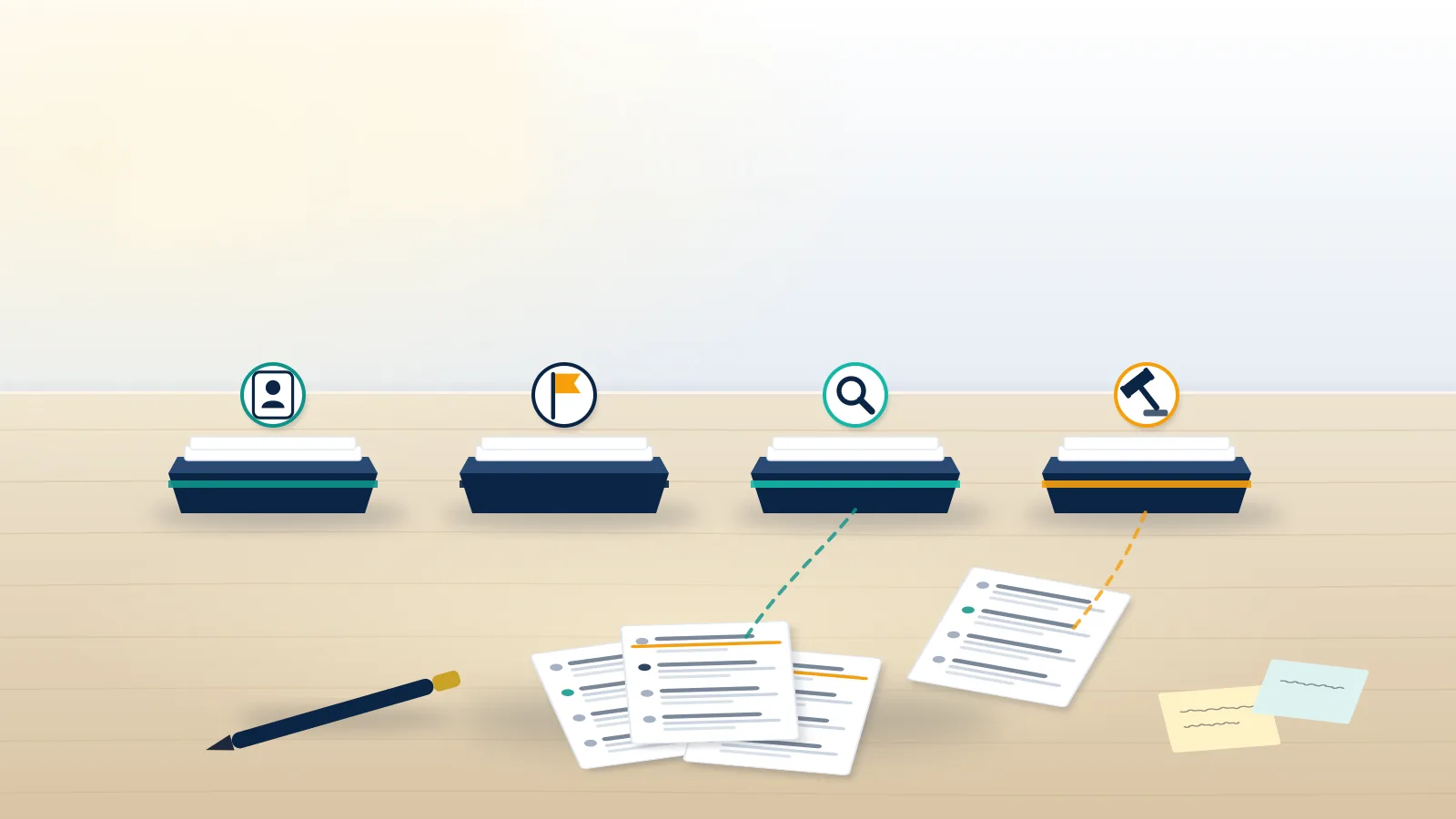
Start from who controls the link, not from how much it hurts. The table below is the sorting sheet, current as of October 2026.
| What the link shows | Who can remove it | Route | Realistic timeline |
|---|---|---|---|
| Something you posted | You | Delete the post or the account | Minutes, or a 30-day grace period |
| Someone else's post that breaks platform rules | The platform | In-app report or policy form | Days to weeks |
| Your own photo or video, reposted | Platform or web host | Copyright (DMCA) notice | Often days |
| Your phone, address, email or ID number in Google | Google, search only | Results about you, removal form | Days; the source page stays up |
| A page already edited or deleted, still in results | Refresh Outdated Content | Days | |
| Outdated personal data, EU resident | Search engine or site | GDPR Article 17 request | One month to reply |
| A false statement of fact | A court, then the host | Attorney letter, court order | Months |
| Accurate but unflattering coverage | Usually nobody | Suppression with stronger pages | 90-180 days |

Read the table row by row, one URL at a time. A single remove negative link request that names the exact rule it breaks gets further than a long complaint about ten links at once. That is the practical answer to how to remove negative information from the internet: break the problem into URLs, then give each URL to its owner.
When Your Reputation Solution opens a removal file, the first working session goes into one spreadsheet: every URL, who hosts it, which written policy it breaks, and whether the person asking has standing to report it. A link with no rule and no standing moves to the suppression column before anyone files anything. A rejected report achieves nothing, and on some platforms a run of rejected reports makes a later, stronger one look repetitive. Searches like "how to remove negative information from internet" usually come from someone who has already filed three reports and lost all three; the spreadsheet is how that stops.
How do you remove negative information from the internet when you posted it yourself?
Delete the post, or delete the account that published it. This is the one route where you are the decision-maker, and it is faster than anything else on this page.
Each platform hides the option in a different place. Meta separates deactivation from deletion, and the guide on how to delete an instagram account walks through both screens. Profiles you made years ago and can no longer sign into need a different path, covered in how to delete an old instagram account. Snapchat routes deletion through its accounts portal rather than the app, as explained in how can you delete a snapchat account. TikTok runs a 30-day deactivation window before anything is erased; how to delete a tiktok account lists the six things that block it. Google lets you remove one video or the whole channel, and the steps to delete a youtube channel show which choice keeps your Gmail intact. Telegram has two routes, including a self-destruct timer, described in delete Telegram account.
Negative comments under your own videos are yours to moderate too. YouTube lets channel owners hide users and remove replies, and how to block someone on YouTube covers both.
Locked out of the account that holds the post
You cannot delete what you cannot reach, so recovery comes first. A deactivated profile usually returns at the next sign-in; how to reactivate an Instagram account explains why that login sometimes fails. If Instagram shows a security checkpoint, follow how to unlock Instagram account before anything else. A reset link that never arrives is its own problem; the Instagram password reset email guide has eight fixes. A suspension notice means you are dealing with a disabled account on Instagram, which takes an appeal, not a password. A profile that appears gone may only be blocking you, a distinction tested in deleted Instagram accounts. On X, you have 30 days to reactivate X account access before deactivation becomes deletion.
Reaching the platform when self-service fails
Instagram support is mostly in-app forms, and knowing how to contact Instagram support by issue type saves days. Emails get automated replies at best, so check which Instagram support team email addresses still answer. Any Instagram support number offering to restore or delete an account over the phone is a scam line, not Meta.
Why waiting for an old account to disappear rarely works
Dormant profiles stay public far longer than most people expect. Ask whether does Instagram delete inactive accounts and the answer is mostly no; the same holds when you check does TikTok delete inactive accounts. X has purged inactive profiles before, but the history in does Twitter delete inactive accounts shows those sweeps are rare and unannounced. Facebook keeps old profiles indefinitely, and the policy behind will Facebook delete inactive accounts explains what happens instead. If you want an old post gone, deleting it yourself is the only reliable timeline. Anyone asking how to remove negative info from the internet that they wrote years ago should start here, not with a lawyer.

Can a platform or Google take down content someone else posted?
Yes, when the post breaks a written rule or exposes data the law protects. Platforms judge their own policy, not your feelings about the post, so the report has to quote the rule.
Copyright: when the content is your own work
A reposted photo, clip or song you created is the cleanest case, because ownership is a fact, not an opinion. Copyright notices on video platforms come in two strengths, and YouTube copyright claim vs strike explains which one removes a video and which one only diverts revenue. A strike counts against the uploader, and the copyright strike in YouTube rules end a channel at three. Instagram applies a similar system to Reels and Live, set out in copyright strike Instagram. A false copyright claim is not a shortcut. Under US law, a notice must be sworn under penalty of perjury, and the US Copyright Office's section 512 overview describes the counter-notice the uploader can file to restore the post.
Privacy: your face, address or contact details
YouTube judges privacy separately from harassment. Its YouTube privacy complaint form applies when you are uniquely identifiable in a video, and the uploader usually gets 48 hours to act before YouTube reviews the complaint. Google Search is a separate system again. Its Results about you hub monitors your phone number, email and home address, and in February 2026 it added driver's licence, passport and Social Security numbers for US users (TechCrunch, 2026). Approval removes the result from Google only; the page stays on the original site. The full walkthrough is in remove your name from Google search.
If the owner has already edited or deleted the page but Google still shows the old snippet, use Google's Refresh Outdated Content tool. An approved refresh expires after 180 days or once the URL no longer exists, according to Google's own help page. Whole pages and sites follow the steps in remove a website or page from Google search, and forum threads have their own path in how to get a Reddit post removed.
The EU right to erasure
People in the EU and UK can ask a search engine or a website to erase personal data that is inaccurate, outdated or no longer needed, under GDPR Article 17. The controller must answer within one month, extendable by two more for complex requests (GDPR Article 12(3)). It is a balancing test, not an automatic right: public-interest reporting about a public role usually stays. Even so, it is the strongest tool most people have to remove negative information online when the data is about them and the story is stale.
Not sure which pile a link belongs in? Send the URLs to Your Reputation Solution and the team will sort each one by owner, rule and realistic outcome before you file anything. The assessment is free, and nobody will ask for your passwords.
When is a legal notice the right way to delete negative links?
When the content is false, unlawful or yours, and the softer routes have already failed. Legal routes are slow and expensive, so they work best on a short list.
A defamation claim needs a false statement of fact, not an opinion, published to others and causing harm. A cease-and-desist letter from an attorney costs less than a lawsuit and often moves a small site owner. It is not binding. Large US platforms rarely act on letters alone, because Section 230 generally shields them from liability for what users post; what they do honour is a court order naming the specific content. Those orders take months and, in most cases, thousands in legal fees, which is why people who want to remove negative internet content by court usually reserve it for the one result that does the most damage.
Businesses face an extra rule. The FTC's Consumer Reviews and Testimonials Rule, in force since October 2024, bars a company from using threats or false accusations to get an honest review taken down (FTC, 2024). A negative review can be reported when it is fake or breaks the platform's policy. It cannot be bullied off the page. For a company working out how to remove bad information from the internet, that means reporting what is fake and answering what is real.
Your Reputation Solution prepares the evidence file that an attorney or a platform's legal team needs: URLs, capture dates, and the exact policy or statute each item breaks. It does not give legal advice, and it does not send letters in a lawyer's name.
What if negative links can't be removed?
Then you outrank them. Suppression means publishing and strengthening accurate pages you control until they hold the positions people click, so the negative result drops to page two, where few people look.
The usual assets are a personal or company site, complete professional profiles, interviews, and active social accounts. This route is the realistic way to remove negative online content from view when deletion is off the table. It is also slow: expect 90-180 days for meaningful movement on a name search, and six to twelve months for a full rebuild. A suppression plan stalls if your own accounts are throttled. Check how to remove shadow ban from Twitter before counting on posts from X to rank.
Your Reputation Solution works this route alongside any removals still pending, because the two rarely finish on the same day. You can remove negative links one by one while the stronger pages climb, and nothing about one route blocks the other. See the services page for how each route is scoped.
What Your Reputation Solution will not do
Some offers in this market are traps. Here is where Your Reputation Solution draws the line, so you can compare it against anyone else you talk to.
- No guaranteed removal. Platforms, Google and courts make the final decision on every request. Anyone who guarantees how to remove negative content from a site they do not control is guessing, or lying.
- No passwords. No one needs your login to file a report, a copyright notice or a Google request. A service that asks for it is a risk to your accounts.
- No pay-to-remove deals. Some sites publish complaints and then charge to take them down. Paying funds the model and often brings a repost somewhere else.
- No fake legal notices. False copyright claims and invented court orders get exposed, can carry penalties, and often make the original story bigger.
The full list of limits is on the disclaimer page. Read it before you sign with anyone, here included.