Is Telegram for scams, or just where scams happen?
Telegram is a legitimate messenger with more than a billion monthly users, and scams happen on it at a scale no other chat app matches. Pavel Durov put the audience at "significantly over 1 billion" monthly active users on 19 March 2025, second only to WhatsApp outside China. Nobody built it for fraud. Fraud arrived because the audience did.
The numbers are recent and first-party. The US Federal Trade Commission's data spotlight of 27 April 2026 puts reported losses to scams that started on social media at $2.1 billion for 2025, about eight times the 2020 figure (FTC, April 2026). Investment fraud took $1.1 billion of that, more than half. The FTC still ranks Facebook first for reported losses, with WhatsApp and Instagram next, so Telegram is not the biggest doorway. It is the fastest-growing one. Revolut's fraud team reported a 233% rise in scam cases that began on Telegram, against a 44% share still held by Meta's apps (Revolut, February 2026). Telegram's own moderation page, checked on 8 September 2026, showed 25,021,793 groups and channels blocked since January (telegram.org/moderation). A platform does not block twenty-five million communities in eight months unless the abuse is industrial.
So the searches "do scammer use telegram" and "does scammer use telegram" get a one-word answer: yes. The better question is whether Telegram acts on them, and since the policy shift of September 2024 the answer is also yes, in waves and mostly against public channels; what a Telegram ban service can take down explains what that enforcement reaches and what it never touches.
A Telegram scam is any fraud that runs through Telegram's private chats, channels, groups or bots to extract money, account credentials or a login code. The definition matters, because one phrase covers three different injuries: cash sent to a stranger, a hijacked Telegram account, and personal data harvested for the next attack. Your Reputation Solution is an account-recovery and reputation firm that documents Telegram scam cases, files and escalates the reports, and works the recovery of the victim's own hijacked account through Telegram's official routes. It does not chase money, and no honest firm can.
Is Telegram used for scams? Yes, and so is every messenger with a billion users; what differs is how cheaply Telegram lets a scammer start over.
Why do scammers use Telegram over other apps?
Scammers use Telegram because it removes the three costs that slow fraud elsewhere: identity, setup time and consequences.
Start with identity. A Telegram username is free, changeable in seconds and shows no phone number to the person you are messaging, so one scammer can run twenty conversations from a single device without exposing a traceable identifier. Telegram verifies only public figures and organisations through its @VerifyBot, which leaves "Telegram Support" and "Coinbase Recovery" available as display names to anyone, and the fake support accounts Telegram scammers run are the most common shape this takes. Then setup. A channel with a polished feed, pinned "results" and a subscriber count bought from a boosting service is live within an hour, and a bot that answers questions, collects deposits and renders a fake trading dashboard costs a few dollars of hosting. Finally, consequences. Telegram lets either side of a private chat delete the whole conversation from both devices at any time, with no notice, a privacy feature since March 2019, so the evidence can vanish the moment a scammer decides to leave. A banned username is replaced by lunch.
The funnel usually starts somewhere else, and on intake Your Reputation Solution asks which platform the first message came from before anything else, because the report most likely to remove the scammer usually belongs to that platform rather than to Telegram. Comments under finance videos push "DM me on Telegram for signals", and a creator's only real remedy is Hide user from channel, the route covered in comments pushing viewers to scammers on Telegram. A recruiter who moves the interview to Telegram in the first message is usually one of the fake recruiter profiles that push you to Telegram, and LinkedIn's "not a real person" report ends that funnel at its source. "Message me on Telegram" under a listing pulls a deal off Facebook Marketplace so Purchase Protection never applies; report a seller on Facebook Marketplace before you leave the listing, not after.
Behind the individual scammer sits a supply chain that also lives on Telegram. Elliptic's research led Telegram to shut down Huione Guarantee and Xinbi Guarantee in May 2025, two marketplaces that had processed more than $35 billion in USDT for laundering and stolen data; Telegram banned the usernames as well as the channels, so the pair could not simply reopen (Elliptic, May 2025). Chainalysis describes Chinese-language criminal Telegram groups with more than 300,000 members where phishing design, hosting and spamming are sold as services (Chainalysis, January 2026). Scammers using Telegram buy their tooling in the same place they use it. Why do scammers use Telegram? Because the tools, the money rails and the customers are already there, and the scammers Telegram bans each morning are back by the afternoon under new names.
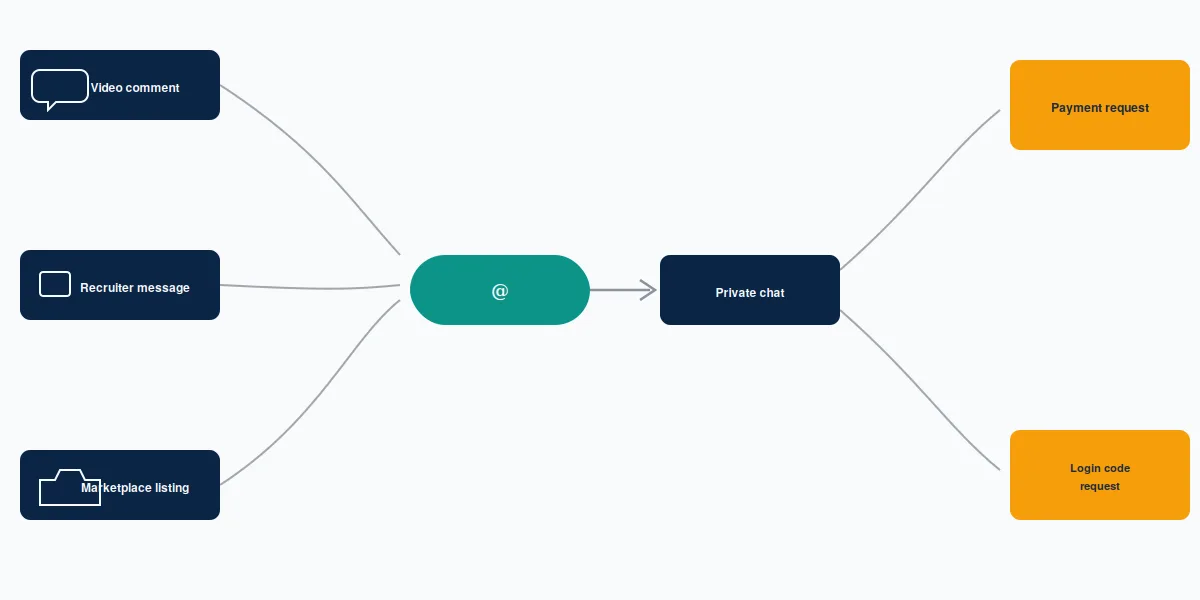
Telegram scamming methods that dominate 2026 casework
Most Telegram scams in 2026 fall into eight patterns, and each carries a tell that shows up before any money moves. Your Reputation Solution logs new cases against the scamming methods Telegram scammers rely on rather than against the platform, because the method predicts which bank, which report and which piece of evidence will matter a week later.
| Method | How it opens | The tell |
|---|---|---|
| Investment "signal" channels, pump groups | Free channel with daily wins, then a VIP tier | Comments off, profits as screenshots, admin messages you first |
| Pig-butchering (romance to investment) | Wrong-number text or dating match drifts to Telegram | Weeks of chat before a "platform" appears; withdrawals need a "tax" |
| Task and job scams | Recruiter offers "app optimisation" tasks, small real payouts | You must deposit to unlock the next task set |
| Fake support, admin impersonation | "Telegram Support" or an exchange helpdesk messages you | Asks for a login code, a seed phrase or remote access |
| Login-code phishing (Premium gift, "vote for me") | Cloned login page, often sent by a hijacked friend | Asks you to type or forward the code Telegram just sent |
| Giveaways, airdrops, Stars or TON "gifts" | "Connect your wallet to claim" | A signature request or a small "gas" payment first |
| Fake shops, escrow, Classiscam kits | Listing moves off a marketplace into Telegram | "Courier" or "escrow" link with no platform protection |
| Sextortion | Snapchat or Instagram flirt moves to Telegram | Countdown threats, screenshots of your contact list |
What is Telegram used for scamming, in one line? Channels supply the reach, bots supply the scale, and the private chat closes the sale. The investment channel is the most industrialised of the eight, and when Your Reputation Solution files against one, the ad that fed it goes to Google in the same session as the channel report, because the channel is replaceable and the ad budget is not. That paid entrance is often a deepfaked "interview" in which a well-known investor appears to promise returns, and the video's flag icon does nothing about it because ads answer to Google Ads policy, as how to report a YouTube scam ad explains. If the face in that ad is yours, removal runs through the privacy wizard instead, covered in file a YouTube privacy complaint for a deepfake. Chainalysis put the average scam payment at $2,764 in 2025, up from $782 in 2024, a 253% increase driven by the patient romance-to-investment style (Chainalysis, January 2026).
Task scams are the fastest-growing row. The FTC counted 20,000 reports in the first half of 2024 alone, up from 5,000 for the whole of 2023 and zero in 2020, with job-scam losses above $220 million in six months (FTC data spotlight, December 2024). The script barely varies. Small real payouts, then a deposit to unlock the next set of tasks, then silence.
Sextortion opens on Snapchat or Instagram and moves the payment demand to Telegram, where the countdown threats and the screenshots of your follower list arrive. Victims ask whether they can delete the attacker's account; why nobody can delete a stranger's Snapchat answers that honestly, and reporting the Snapchat side of a Telegram sextortion scam shows what a report actually produces. Paying buys a second demand, which is why Your Reputation Solution documents the threat and files on it rather than opening a negotiation. A ninth pattern appears only after one of these eight has worked, and it gets its own section below.
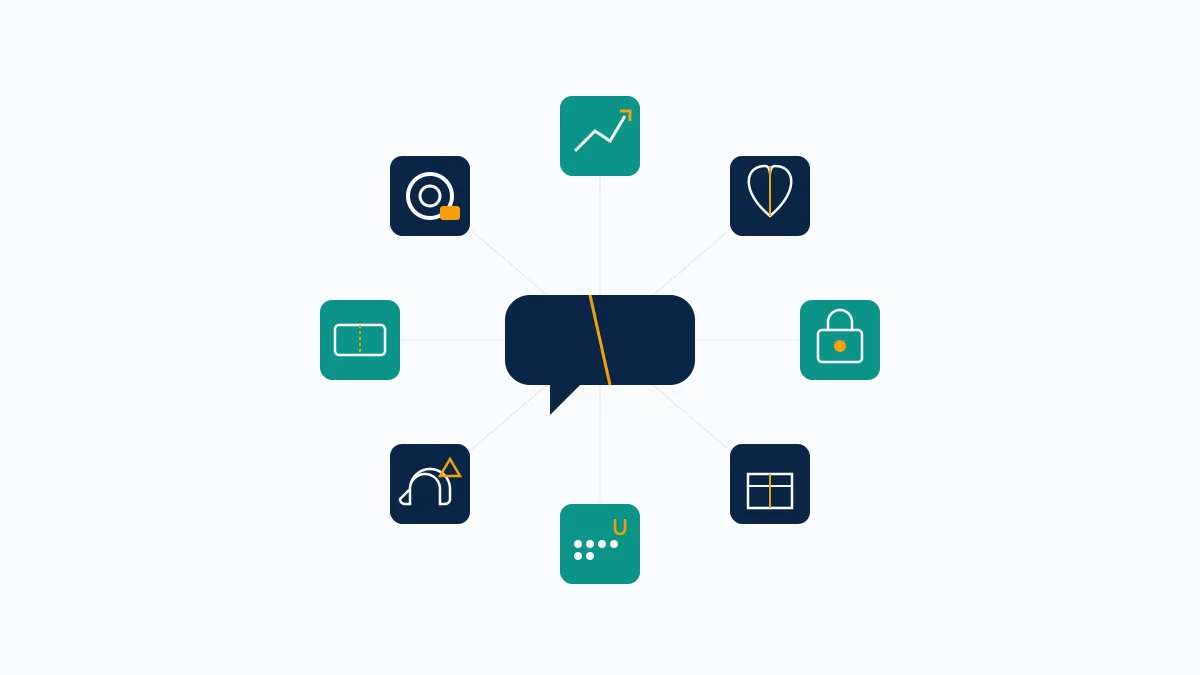
What does a scam Telegram channel look like from the inside?
A scam Telegram channel looks successful on purpose: bought subscribers, comments switched off, a VIP tier, and an admin who messages you first.
Read the ratios before you read the posts. A channel with 80,000 subscribers whose posts draw 400 views is buying numbers, because real audiences view at a far higher rate than that. Comments are disabled or diverted to a discussion group where dissent is deleted within minutes. Results arrive as screenshots of a trading app, never as a live position you could verify, and the losses that every real trader takes are absent from the feed. Within minutes of joining, an admin opens a private chat, which is the reverse of how a legitimate channel behaves. The VIP tier carries a countdown, a discount that expires tonight, and a payment address rather than a card checkout. Every scam using Telegram as its stage needs an audience, and channels supply one at a price per thousand subscribers; the scams Telegram hosts differ in their hooks, yet the scaffolding underneath them is close to identical. Scams using Telegram for the sale itself, like the fake shops, need only a bot.
Brand clones are the channel version of fake support, and Your Reputation Solution reads the channel before the chat on a case like that, because the structure shows whether the client was the target or merely the bait for the people watching. When a scam channel wears a real exchange's name and logo, the brand owner has two routes that look alike and behave differently: on X the clone is a trademark infringement report that requires a registered mark, while Telegram has no trademark form and takes the same case through [email protected] with t.me links attached. Scamming on Telegram breaks the platform's own Terms, so the report itself is short once you can name the anatomy. How to report a Telegram group walks through the three routes and shows why Telegram acts on publicly viewable groups and rarely on private ones, which is also why a scammer Telegram has already limited will simply open a private group next.
Is the Telegram app itself a scam?
No. The official Telegram app is not a scam, and the phrase "telegram app scam" nearly always means one of two other things.
The first is a scam that happened inside the real app, which is what most people typing telegram app scams or telegram messenger scams into a search box have just lived through, and it is the only kind Your Reputation Solution can act on. The second is a fake app: a modified build of Telegram's open-source client, downloaded outside the App Store, Google Play or telegram.org/apps, with something extra inside. ESET documented the clearest case in August 2023, when a trojanised Telegram called FlyGram shipped through Google Play and the Samsung Galaxy Store carrying the BadBazaar espionage code; at least 13,953 accounts switched on the "backup" feature the attackers had added, handing over their Telegram data in the process (ESET Research, August 2023). A Telegram app scammer of this kind never needs to message you. The app is the scam.
The tells are the download source and the promise. A "Telegram Premium free" APK from a forum thread, a "no-ban" mod, or a client that adds features Telegram never shipped is somebody else's software wearing the name, and Telegram's own apps are the only ones that see your login code before you do. Used from an official build with two-step verification switched on, Telegram is exactly as safe as the person you are talking to. The fake-app case usually surfaces through its aftermath: sessions the owner never opened, listed under Settings → Devices, weeks after a download they had forgotten about.
If a modified client is already on the phone, the order is uninstall it, reinstall from an official store, then terminate every other session and set a new Two-Step Verification password from the clean install. Changing the password first achieves nothing while the old app still holds a session. Assume anything typed into that client was read, which means the email and exchange accounts reachable from those chats need new passwords too.
Can you get scammed on Telegram without sending any money?
Yes: the login code is the most valuable thing a scammer can take from you on Telegram, and it costs you nothing to hand over.
Telegram's own FAQ states that login codes arrive only in the verified "Telegram" service chat and must never be shared with anyone, including other apps and services (Telegram FAQ), and Your Reputation Solution never asks for one either, at intake or at any later point. Every login-code scam is a trick to make you break that one rule. The "vote for my daughter" link opens a page that asks you to "log in with Telegram" and captures the code you type. The Premium "gift" arrives from a friend's account that was hijacked an hour earlier and leads to a cloned login page, a pattern Kaspersky has traced in detail (Kaspersky). The "I sent you a code by mistake, can you forward it" message is the same theft with better manners. Once the code is theirs, they open a session as you, set a cloud password to lock you out or stay quiet and read, then send the same link to every contact you have. Are there scams on Telegram that want nothing but data? Yes, and this is the main one. The Devices screen lists each session with its app, platform and approximate location, so a login from a country you have never visited is the clearest evidence you will get, and it is worth screenshotting before you terminate anything.
Being scammed on Telegram this way is common, and it is a scam on Telegram even though no money moved: a live session exposes your private chats, your contact list and any site where you signed in with Telegram. If you typed a code into any page, assume a live session exists right now. Settings → Devices → Terminate All Other Sessions comes first, then Settings → Privacy and Security → Two-Step Verification, and what to do when a scammer got your Telegram login code runs the first hour in that order, including the route when the attacker set a password before you did. Where the attacker also changed the recovery email, self-recovery stalls, and that stalled case is what our Telegram recovery desk for hacked and no-phone cases exists for. Your Reputation Solution walks those three steps with a client on the first call, before any report is drafted. The same trick runs on WhatsApp from the same stolen contact list, and a hijacker who deletes the account leaves nothing to restore; what returns after a hijacker deletes your WhatsApp sets expectations there. A request for the code itself, from anyone, is the tell.
Scammed on Telegram: what the first 24 hours should look like
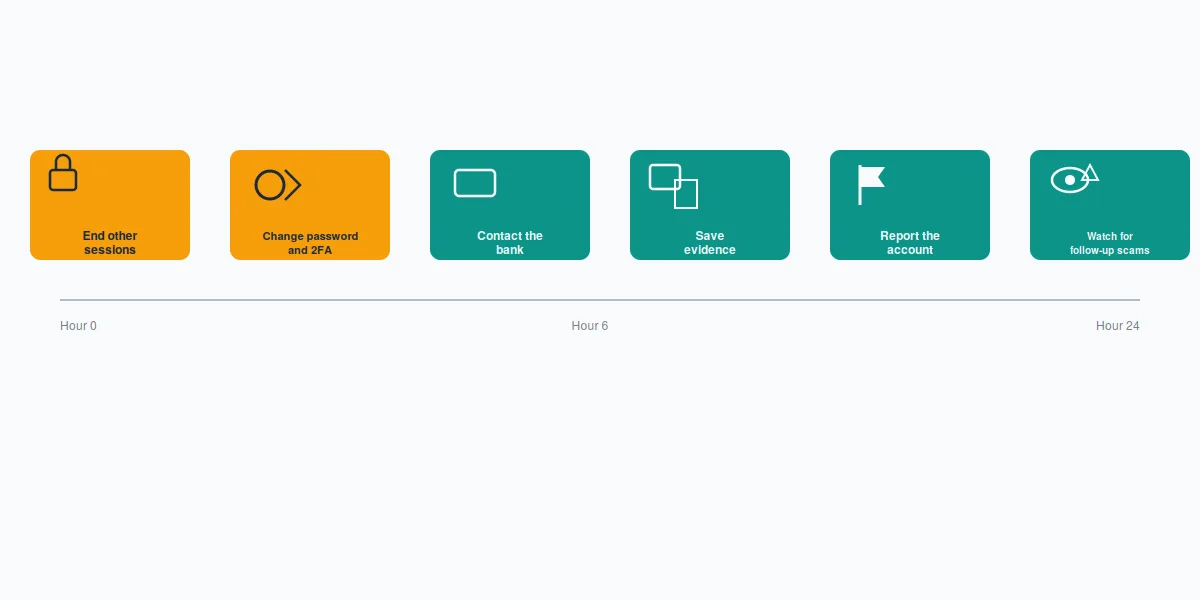
Order matters more than speed on the first day, and the order is money, evidence, account, report.
- Freeze the money route first. Card payments go to the issuer as a fraud dispute the same day. Bank transfers go to your bank as authorised push payment fraud within hours, because reimbursement rules run on clocks. Crypto goes to the exchange you withdrew from, with the destination address and transaction hashes, because an exchange can freeze a balance that landed on an account it controls.
- Export the evidence before you block anyone. Blocking hides the thread, and a scammer on Telegram can delete the chat from both devices at will. Export the conversation from Telegram Desktop, screenshot the profile with its @username, save every t.me link, and write down wallet addresses, amounts and timestamps.
- Lock your own account. Screenshot the Devices list first, then Terminate All Other Sessions, then set a Two-Step Verification password and a recovery email you control. Only then warn your contacts, because a warning sent from a hijacked account is read by the hijacker first, and it tells them to move before you finish.
- Report the messages, then the account. Report → Scam inside the app, then @NoToScam and [email protected] with the t.me links. The filing guide from Your Reputation Solution, report Telegram scammer, covers every route including IC3 and Action Fraud, and the police report should go in the same day money moved.
- Cut the pressure channels. When you stop paying, the pressure migrates to Messenger and Instagram, where there is no standalone harassment form; Telegram scammers who chase you onto Facebook shows how to flag the thread itself.
- Expect the second wave. Within days, accounts offering to recover your money will find you, and the next section is about them.
One intake habit is worth passing on. When we open a Telegram case, the first question is not how much was lost but whether a login code was ever typed anywhere, because a shared code means the attacker may still be sitting inside the account, reading every message the victim sends. The second question is the platform of first contact, since the ad, the listing or the recruiter profile lives there and so does the report most likely to remove it. On-chain money is traceable, and the US Department of Justice's Scam Center Strike Force froze or seized more than $578 million in its first three months (US Department of Justice, 2026); traceable is not the same as returned, and most of it never reaches a victim. Recovering your own account through the official routes takes days to weeks when the attacker set a cloud password. There is no 24-hour version of that, and any firm quoting one is quoting itself.
Lost track of what to file where, or locked out of your own account while you were still gathering screenshots? Your Reputation Solution will read the case, say which route exists and which does not, and set out what Telegram is likely to do with it. Send the handle, the t.me links and what you have saved before you block anyone. Money already sent to a wallet is not something the team can retrieve, and that is said before any work starts.
The second scam: recovery agents and ban services that hunt victims
The most reliable predictor of a second Telegram scam is a first one.
Recovery scammers work the same places you go for help. They read the comments under scam-warning posts, sit in "victim support" groups, and message everyone who complained on the channel that took the money. They call themselves certified crypto recovery experts or the Telegram security team, and they want an upfront fee, a "gas fee" to release a frozen balance, or your seed phrase and login code "to verify the wallet". Chainalysis recorded a 1,400% year-over-year rise in impersonation scams in 2025, with the average payment to them up more than 600% (Chainalysis, January 2026), and the victim who has already lost once is the highest-value target on the platform. Scammers on Telegram who run this second act are frequently the same operation as the first, scamming Telegram users they already emptied once and selling the victim list back to itself. The pitch always contains a guarantee. That single word is the diagnosis.
The ban-service pitch is the same con aimed at anger instead of hope. "We will get the scammer's number banned for $150" describes a mass-report scheme that leaves the buyer holding the risk, and the mass-report con, WhatsApp edition shows how that market runs. The test for a legitimate provider is the same on every platform: a stated price band, no request for a password or code, no guarantee, and a written list of what cannot be done. What a legitimate account recovery service charges applies that test to TikTok, and the telegram account recovery service page applies it here, including the hard limits of this firm's own desk.
Your Reputation Solution files and escalates the report and works the recovery of your own account through Telegram's official routes; the platform makes the final decision, and here is where the firm stops, in writing. No promised ban of the scammer's account, because Telegram's moderators decide that and enforcement runs in waves. No money recovery, because funds already moved to a wallet or a mule account are a matter for banks, exchanges and police. No password, login code or seed phrase, ever, at any stage. What the team does instead is unglamorous: assemble the evidence pack, file it into the queue that fits the case, escalate by email when the in-app route returns nothing, and tell you when a case has no route left. Enforcement arrives in waves rather than on a schedule, so a well-evidenced report filed during a quiet week can sit untouched while an identical one lands a fortnight later. The full list of what the team declines to do sits on the disclaimer page. Anyone offering you the opposite is running the ninth scam, in the borrowed language of the eight above it, and the giveaway is that they promise the one thing nobody controls.