
What counts as a fake review on Amazon?
A fake review on Amazon is any review that breaks the Community Guidelines on who may post and why, not a review you disagree with.

Amazon's Community Guidelines (read October 2026) bar reviews created, edited or removed in exchange for compensation, and the list of what counts is broad: payments, refunds, discounts, free products, gift cards, warranties or services. Reviews of your own product or a competitor's are out. So are reviews from anyone with a financial interest or a personal connection to the seller, brand, author or artist, which covers friends, relatives, employers and business associates. Posting a review before the item arrives also breaks the rules, because a review written before delivery cannot describe real use. Reviews posted by someone with a financial interest or any other conflict of interest are removed, Amazon states, and that covers offers made through social media too. Honest one-star reviews stay, however harsh, since the same guidelines protect positive and negative experiences alike. That split decides every report you file.
One rule explains why fake reviewers buy the product first. To post reviews or star ratings on Amazon.com, an account must have spent $50 with a credit or debit card in the past 12 months, and promotional discounts don't count toward it. Review brokers therefore reimburse the purchase after the five-star review goes up, which is the pattern Amazon asks shoppers to report.
Identity logic runs across platforms: a report fake tiktok account case also turns on who is behind the profile, and an instagram fake accounts report asks the same question of a page.
Copied photos in a review fall under Amazon's plagiarism rule, the way how to report stolen content on instagram handles reposted work. Reviewers posing as a brand fall under impersonation, close to how to report someone impersonating you on instagram.
Your Reputation Solution is a reputation management and reporting service that helps shoppers and sellers document reviews that break platform rules and file them through the platform's own channels. People search for this in many forms, from "report fake reviews amazon" to "amazon report fake reviews", but every version of how to report fake reviews on amazon starts with the same test: does the review break a written rule?
How to report fake Amazon reviews on desktop and in the app
To report fake reviews on Amazon, find the review on the product page, select Report below it, pick a reason in the popup and submit.
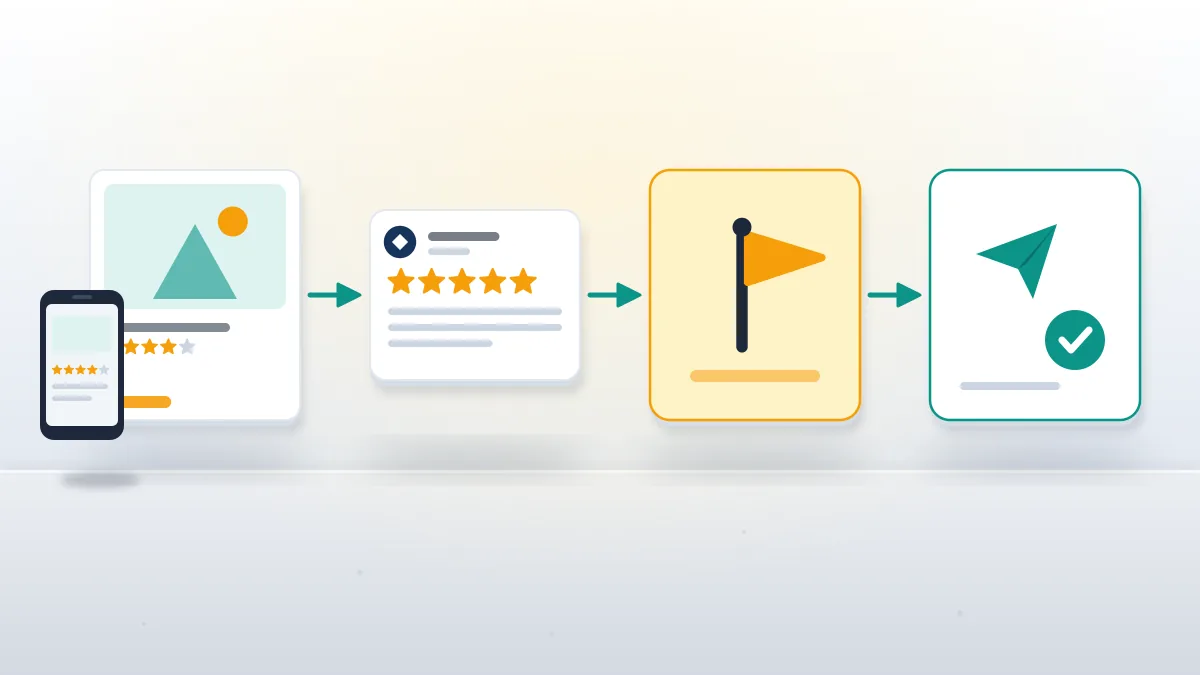
- Sign in and open the product detail page that carries the review.
- Scroll to the reviews, or open the full review list, and locate the exact review.
- Select Report, the button Amazon places below each review (older guides still call it "Report abuse").
- Pick the reason in the popup and submit it to Amazon.
That is the whole shopper flow as Amazon's help page describes it. Here is the part most guides skip. Preset reasons replace a free-text box in the popup, so the reason you choose carries the entire report; recent versions include a fake option alongside choices such as off-topic and inappropriate. Pick the reason that matches the rule broken, not the one that sounds most serious. Reviews that only complain about late shipping are a seller-feedback problem under the guidelines, so off-topic fits them better than fake. On the shopping app the Report option sits under the review as well, though its placement shifts between app versions; if you can't find it, open the same product in a mobile browser and use the full site. Each report covers one review, so a burst of 40 suspicious five-star reviews means 40 separate reports or one strong report to Amazon by another route.
Most rejected shopper reports that Your Reputation Solution sees share one mistake: the reason describes how bad the review feels, not which rule it breaks. Comparing routes elsewhere helps. Telegram uses one menu for report a user on telegram, while TikTok splits it into forms covered under tiktok impersonation report.
Clicked Report by mistake? Amazon offers no undo, much like what happens when you accidentally report someone on instagram. One false report rarely costs anything; deliberate misuse is another matter, and how to report something on instagram shows the same line between careless and abusive reports.
When a seller pays you to change your review, use Amazon's separate Report Review Compensation form. It takes the product name, up to four images and a detailed comment, so screenshot the offer before you reply to it. When we prepare these files for clients, the strongest evidence is usually the seller's own message: a refund offered on condition that a one-star review changes. For that reason, Your Reputation Solution keeps that message in its original form, with date and channel, because a paraphrase proves nothing.
What happens after an Amazon fake reviews report?
After you submit, Amazon checks the review against its guidelines and either removes it or leaves it up, usually without telling you which.
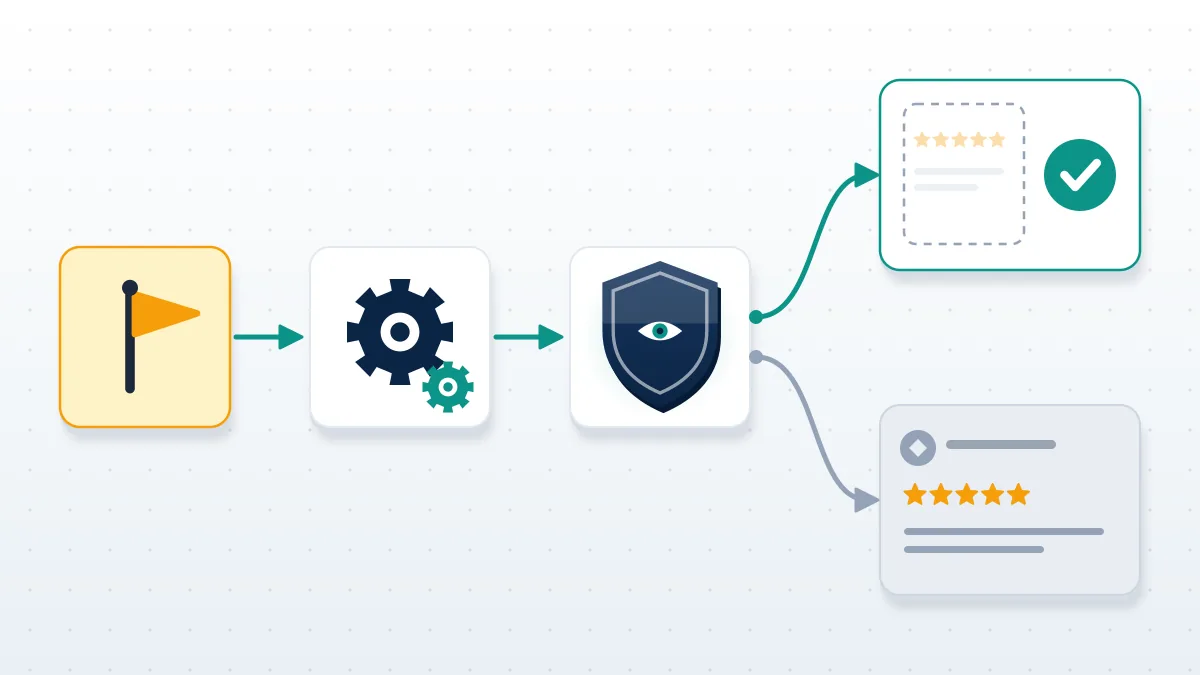
Amazon says its systems stop "hundreds of millions" of suspected fake reviews, manipulated ratings and fake accounts before customers ever see them (Amazon trustworthy shopping, read October 2026). Reports reach the smaller set that got past those filters, and it goes to moderation rather than to the seller. Amazon publishes no review time for shopper reports. Sellers on its forums describe hearing nothing back, and vendor estimates of 7 to 30 days are guesses, not Amazon figures. The practical check is simple: reload the product page after a week. If the review is gone, the report or Amazon's own systems worked. If it stays, either the moderator read it as genuine or your reason did not match the breach. Penalties for the reviewer can go well beyond one deleted post. Amazon's guidelines list content removal, limits on community features, account suspension or termination and withheld payments, and a reviewer whose review is removed for a violation cannot review that product again.
Silence after a report is normal on most platforms. Snapchat works the same way, as what happens when you report someone on snapchat explains, and WhatsApp sends a copy of recent messages rather than a verdict, covered in how to report whatsapp scam.
Volume does not force a removal either. Even the myth behind how many report to delete tiktok account fails on Amazon, because each review is judged against a rule, not against a count. Reporting a live stream is different again, as how to report tiktok live anonymously shows.
On a shopper's behalf, Your Reputation Solution can prepare and file the report, but Amazon's moderators make the final decision on every review, and no outside service can override that.
How to remove fake Amazon reviews as a seller
Sellers can't delete reviews; they report them through the same Report button and through Seller Central's Report Abuse route, and Amazon decides.
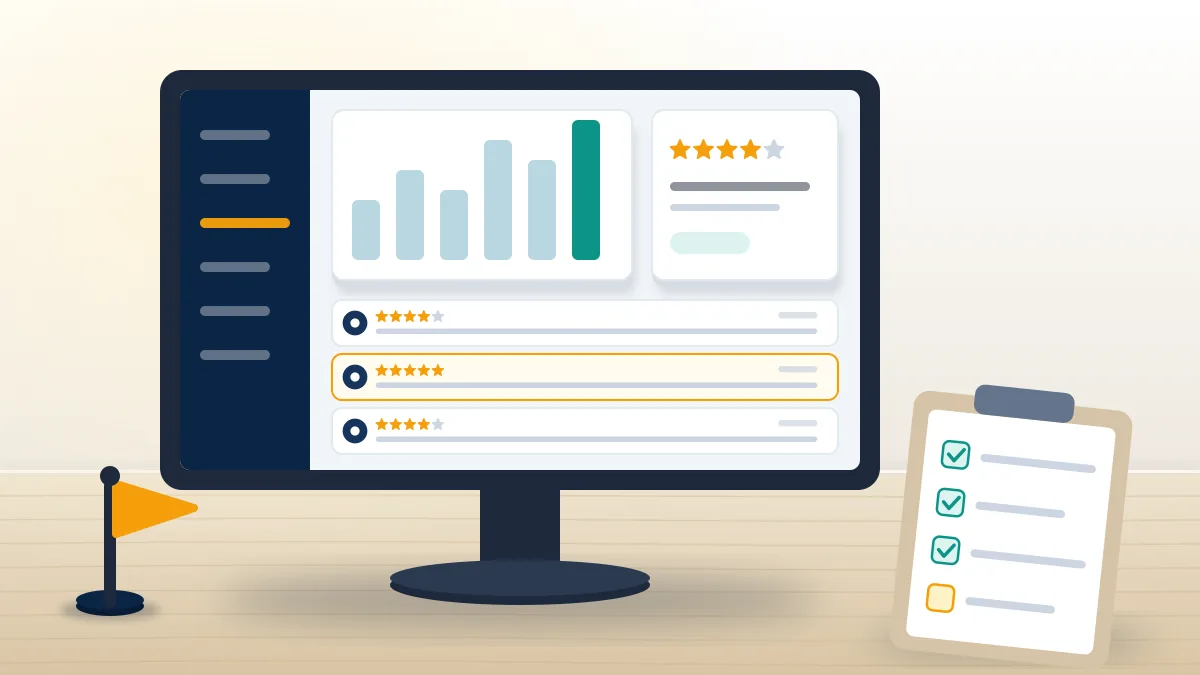
Amazon's guidelines give sellers who believe a competitor attacked their product a specific path. In Seller Central, open the Help icon in the top-right corner, select Get Support or go to the Account Health Dashboard, then select Report Abuse or the matching issue and pick the violation type. Fill in the requested details and submit. That route matters for review bombing, where a cluster of one-star reviews lands within days from accounts with no history in your category. It also matters for review hijacking, where a seller merges an unrelated product into a listing to borrow its reviews. Under undertakings Amazon gave the UK Competition and Markets Authority in June 2025, hijacking sellers face sanctions and fake reviewers can lose review privileges, with past reviews deleted. Brand Registry owners also get a Report a Violation tool. What none of these routes can do is remove an honest negative review. Answer that one publicly and fix the product issue instead.
One-star reviews that only discuss shipping speed, packaging, damage or seller service are off-topic under the guidelines, because that feedback belongs in seller feedback. For many sellers, that is the most realistic removal ground on the page.
Shoppers have a parallel link, since the guidelines point to "Report an issue with this Product or Seller" on the product detail page for problems that go beyond one review.
For brand owners the playbook mirrors IP routes on social apps. Copied logos on a fake storefront are close to report trademark infringement on instagram, and a re-uploaded product video resembles the tiktok copyright form case.
Seller-account cases are handled by Your Reputation Solution as evidence work: we sort reviews by date, verified-purchase status and reviewer history, then file the ones that break a named rule.
Bought engagement is a known pattern beyond Amazon. Channels inflate numbers the same way, which is why how to report a youtube channel for buying subscribers is its own report reason. Help-center forms differ too, and the copyright report form instagram help center shows how many exist.
Which evidence makes a report stick?
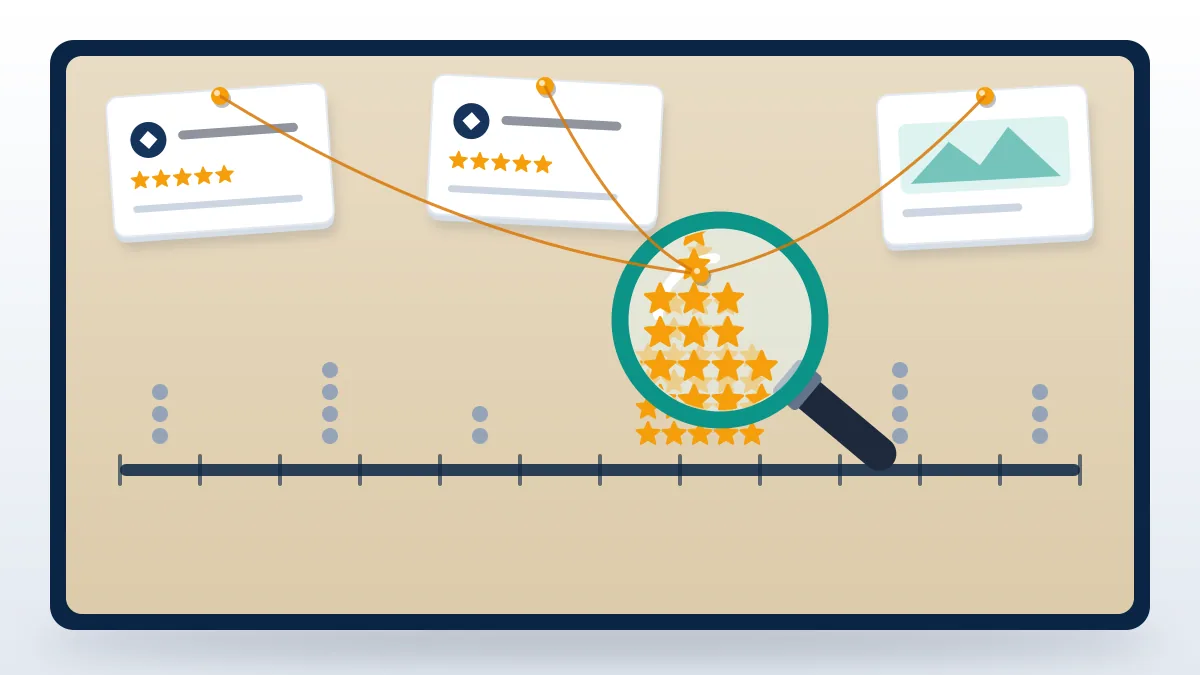
A report sticks when it ties one review to one broken rule, with proof a moderator can check in under a minute.
| Sign | What it suggests | Proof to keep |
|---|---|---|
| Many five-star reviews within one or two days | A paid batch or review club | Screenshot of the review list sorted by newest |
| No "Verified Purchase" label on glowing reviews | The reviewer may not have bought it on Amazon | Review URL and date |
| Reviews describing a different product | Review hijacking or a merged listing | Product ASIN and the mismatched text |
| Seller message offering a refund for an edit | Compensated review | The original message, unedited |
| Insert card promising a gift card for five stars | Incentivized review | Photo of the card and the package |
None of these signs proves a review fake on its own; a missing Verified Purchase label also appears on honest reviews from gift recipients. What persuades a moderator is overlap: a burst of reviews, no purchase labels, the same phrases repeated, and reviewer profiles that praise one brand across unrelated products. Write down the review ID, date and exact wording before you report, since the page may change. Note the reviewer's profile link as well, because their other reviews often show the pattern. The gift-card insert is the clearest case of all, because Amazon's own guidelines quote that exact example ("You're our lucky winner of a $50 Gift Card!") as a violation to report. Keep evidence factual and short. Because the review popup takes only a preset reason, the long explanation belongs on the compensation form or in a Seller Central case.
Need help sorting which reviews actually break Amazon's rules? Your Reputation Solution reviews the listing, builds the evidence file and files the reports that qualify. Get a free review-report assessment.
Platforms judge visibility differently from removal. Buried reviews are not deleted ones, a distinction also made in am i shadowbanned on x and in instagram deactivated vs blocked.
Proof works across platforms in the same format. Screenshot sets that support how to report someone post on instagram use the same date, link and wording rule.
Where to go when Amazon leaves a fake review up
If Amazon keeps a review you can prove is fake, regulators are the next step, though they act on patterns rather than single reviews.
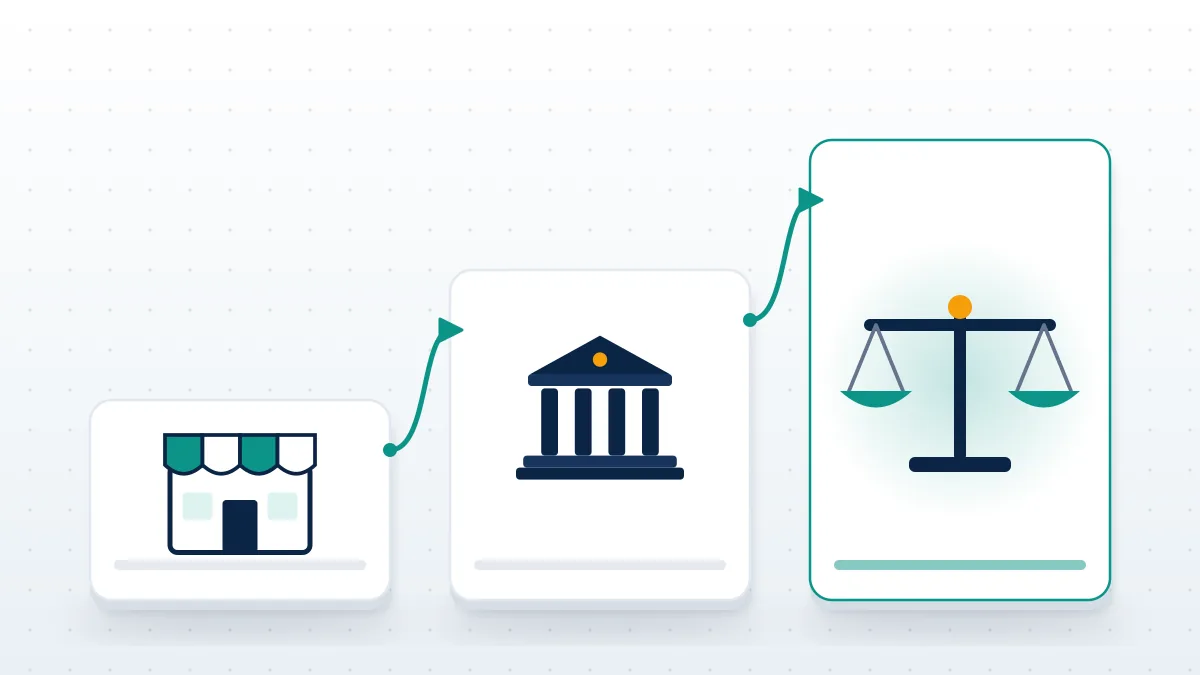
In the United States, the FTC's Consumer Reviews and Testimonials Rule (16 CFR Part 465) took effect on October 21, 2024. It bans writing, buying or selling fake reviews, sentiment-conditioned incentives, undisclosed insider reviews and review suppression through threats, and the FTC can seek civil penalties of more than $53,000 per violation (FTC 2025 inflation adjustment). The rule targets the businesses and brokers behind fake reviews, while review platforms that host them are generally not liable without knowledge. A shopper can report a broker or a seller's pay-for-review scheme at ReportFraud.ftc.gov; the FTC does not answer individual complaints but uses them to build cases. In the UK, the Digital Markets, Competition and Consumers Act 2024 made commissioning or facilitating fake reviews a banned practice from 6 April 2025, enforced by the CMA. Sellers hit by a competitor's campaign have a third route, a civil claim, which is slow and needs the evidence file described above.
Fraud reporting has its own channels elsewhere. Brokers recruiting reviewers on Telegram fit how to report telegram scam, and video ads selling paid reviews fit how to report scam youtube ads.
Fake-review brokers also hijack accounts to post from profiles with history. Should one of yours be taken over, report twitter account hacked covers the first step, and how to contact twitter support to restore a suspended account covers what follows if the account was suspended.
Escalation is where Your Reputation Solution's work changes shape: we organise the record for a regulator complaint or a lawyer, and we do not contact reviewers or sellers on your behalf.
The limits: refunds for removal, report bots and other traps
Some shortcuts break Amazon's rules themselves, and using them can cost a seller the account.
Offering a refund to remove or change a negative review is itself a guideline breach, even when it feels like good service, and Amazon says so in plain terms. So is asking an unhappy buyer to contact you outside Amazon before they review, or tying a warranty to a review through a QR code. Mass-reporting a competitor's honest reviews fails for the same reason volume never works: each report is checked against a rule. Tools sold as review-removal bots belong to the same family as an instagram fake report bot, and they put the account that runs them at risk rather than the target. Vendors that promise guaranteed deletion of negative reviews for a fee are the red flag here. No outside party controls Amazon's moderation, and paying to remove an honest review can count as review suppression under the FTC rule. Recovery offers deserve the same caution, the subject of twitter x account recovery scams.
We never ask for your Amazon, Seller Central or email password, we never buy, write or remove reviews in exchange for anything, and we never promise that a report will succeed. Every report Your Reputation Solution files cites a real rule, and the work ends there; the limits are set out on our disclaimer page.
When a review on your listing looks fake but breaks no written rule, leave it, reply publicly and keep watching. Patterns that show up later give you a report with real grounds, and that report has a far better chance than a guess filed today.