
How do you report a video on TikTok from the app?
Press and hold the video, tap Report, choose the reason that matches what you actually saw, then submit. That is the whole flow. No account verification, no callback, no ticket number.
Your Reputation Solution is an account recovery and reputation management firm that prepares and escalates platform reports for people whose content, identity or business has been copied. This in-app route is the one we tell most people to try first, because it costs nothing and it is the only route TikTok's moderation queue reads directly.
Reporting a single clip
- Open the video and hold your finger on it until the share sheet appears, or tap the arrow on the right edge of the screen.
- Tap Report.
- Pick the top-level category. Options cover harassment and bullying, hate speech, violent content, dangerous acts, adult content, scams and fraud, misinformation, and intellectual property infringement.
- Pick the sub-reason. People rush this step, and it matters more than the sentence they type afterwards.
- Add a short description if the form offers one, then tap Submit.
We file this same in-app report for clients before anything escalates, because a case that was never reported at all is the one TikTok is least likely to act on. The tiktok report video sheet is free, it takes under a minute, and skipping it removes the only record showing you raised the problem when you first saw it.
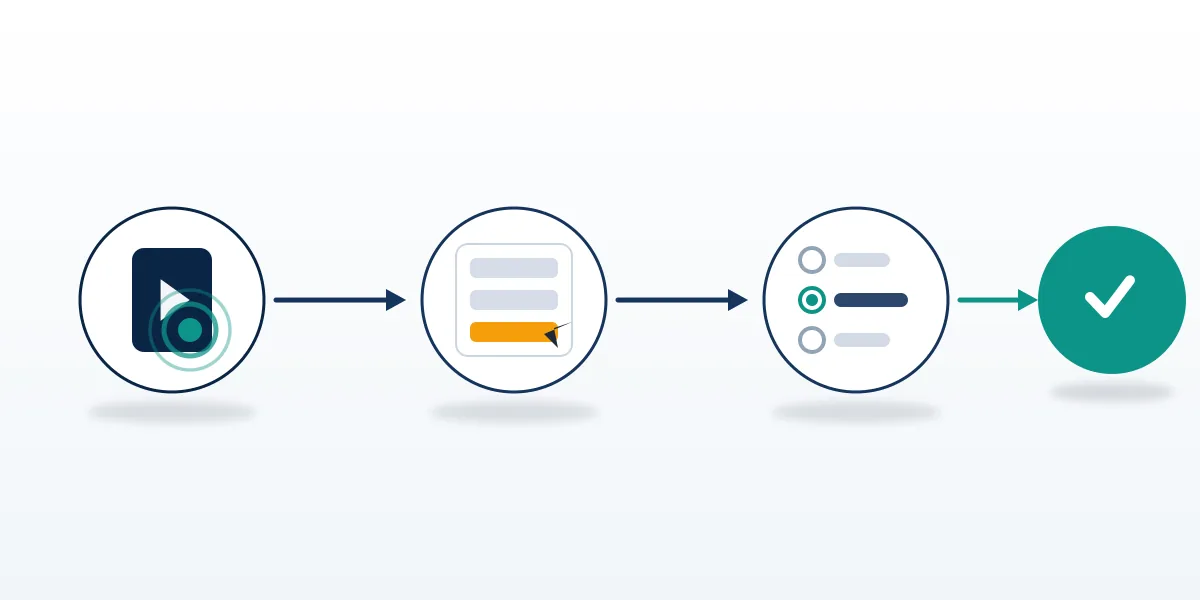
Phrasing varies far more than the flow does. How to report a video on tik tok, how to report a tik tok video, how do i report a tiktok video, how do you report a tiktok video and how to report video on tiktok all describe the same four taps, and TikTok has not moved them in years. What changes is the destination. A guideline report lands with a moderator; an intellectual property report leaves the app entirely.
One detail decides most outcomes: your sub-reason routes the case to a specific review team, and a report filed under the wrong sub-reason is usually closed rather than redirected. Picking that sub-reason correctly is the single step Your Reputation Solution spends the most time on, ahead of any wording in the description box. Someone stealing your video is not harassment. Someone impersonating your brand is not scam content. Where the sub-reason list contains no description of what happened, the case probably belongs on a web form instead of in the app, and later sections explain which one.
Reporting several clips from the same account
Nothing about how to report videos on tiktok changes when there are ten of them instead of one, except that each still needs its own submission. TikTok has no batch tool, no bulk upload, no case file that groups them. So the practical answer to how do you report videos on tiktok at volume is unglamorous: separately, each with its own evidence, over however long that takes.
Can you report a tiktok video you have only a link to, without opening the app at all? Yes — TikTok's web forms accept a URL from anyone, and that is the route to use from a desktop or from an account you would rather not sign into. When Your Reputation Solution works a reposting case, every URL goes into a dated evidence log before a single form is opened, since accounts like these tend to delete and re-upload faster than any review queue moves.
Deleting a video you sent someone in a DM
Different problem, different button. Long-press the message and choose Unsend, which pulls it from both sides of the conversation. That is the entire mechanism behind how to delete a tiktok video you sent to someone, and its limit is obvious once stated: unsending removes the message, never the copy the recipient already saved or screen-recorded. Preserve your own evidence before you unsend, because once it is gone from the thread you have lost the timestamp too.
If you report a video on TikTok, is it anonymous?
Yes. TikTok does not tell the person you reported who filed it, and the notification they receive names the policy rather than the reporter.
That answer holds for community-guideline reports, which is what nearly everyone means by the question. It stops holding for copyright. A copyright claim is a legal instrument, and TikTok passes the claimant's name and contact details to the person whose video comes down, because the law gives that person a right to answer it. You cannot file an anonymous copyright claim on TikTok, or on any platform operating under DMCA procedure.
An honest reading of if you report a video on tiktok is it anonymous, then: it depends which form you used, and the two forms behave in opposite ways.
People report a tiktok video expecting the uploader to guess anyway, and inside small communities they sometimes do. Anonymity protects your name in the notification. It does not hide your identity from someone who can count how many people saw the clip. Where retaliation is a realistic worry, Your Reputation Solution documents the content before anything is filed, because a re-upload under a fresh handle is far more common than direct retaliation. Similar caution applies to reporting a fake TikTok account, which often reappears within days under a new name.
Reporting the whole account rather than one clip changes the form and the threshold, and reporting someone on TikTok covers that route separately — a single video rarely removes an account, and a pattern across many videos sometimes does.
Mass reporting deserves a warning here. Coordinated reports add no weight to a case, and TikTok's systems are built to spot the pattern, which is why TikTok mass report bots do not work the way sellers claim.
What counts as TikTok copyright infringement?
Copyright infringement on TikTok means someone used a creative work you own, without permission and without a legal exception, in a way TikTok's policy recognises. Ownership is the hinge. Your Reputation Solution declines cases at this first question more often than at any later stage, because a complaint without a provable owner has nowhere to go.
Your original videos are yours automatically, from the moment they exist in fixed form — no registration step, no badge to apply for. What you do not own is the music, the film clip, the sound another creator uploaded, or the shape of a trend. TikTok's Intellectual Property Policy sets out what the platform acts on and how repeat infringers are handled. Read it before filing anything, because the tiktok copyright policy defines the terms the form will ask you to swear to.
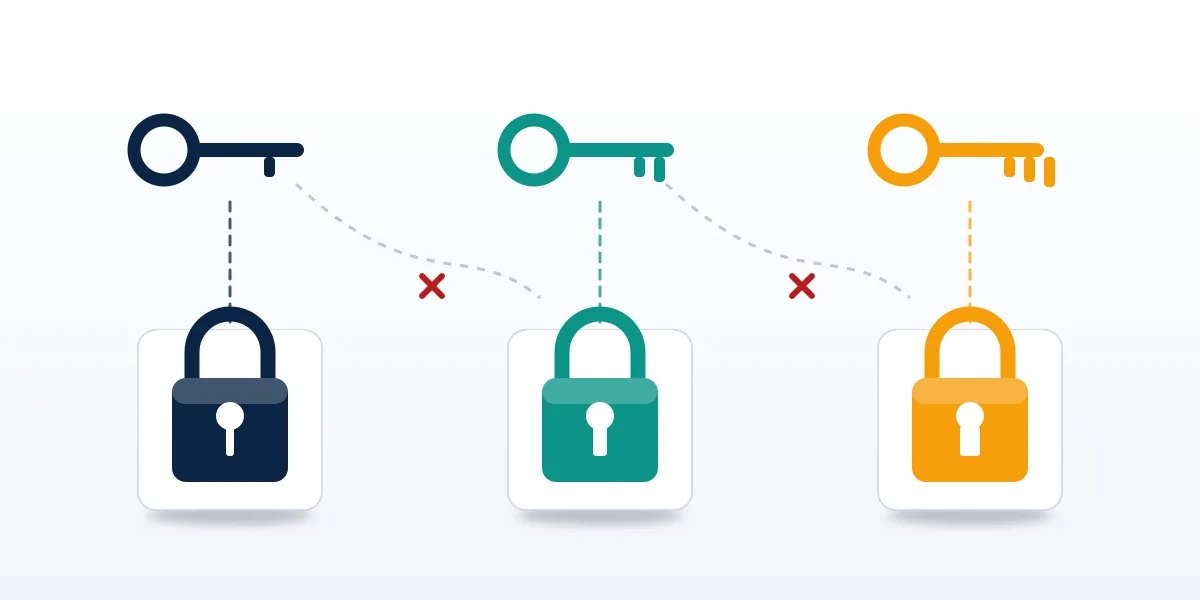
Wording barely matters to TikTok's intake system. Copyright tiktok, copyright claim tiktok, copyright infringement tiktok and copyright on tiktok resolve to the same two questions: do you own the work, and can you prove it. Search volume splits across a dozen phrasings; the form does not.
Two questions arrive constantly and deserve separating. Can you get copyright on tiktok is usually about owning your own work, and the answer is that you already do, automatically. Can you get copyrighted on tiktok is the opposite worry — being claimed against by someone else — and that one depends entirely on what audio and footage you used. The words sound alike. The situations are reversed, and so is the advice.
Screening before you post is where most people want a shortcut, and no official one exists. Any tiktok copyright check circulating online is a third-party guess against a licensing database rather than a look inside TikTok's reference library, so a tiktok copyright checker is worth using as a hint and never as clearance. Your Reputation Solution treats sourcing as the only real test: audio from the Commercial Music Library, or a written licence you can produce on request.
Three things get mistaken for infringement and are not. Criticism of you is not infringing. A short clip used for commentary or review may be covered by fair use, which courts decide rather than TikTok. Copying your idea, your transition or your joke is not infringing either, because copyright protects expression rather than concept. Filing against any of these wastes the claim you actually needed, and a rejected claim leaves a record against the account that sent it.
Music is the case people underestimate. Copyright on TikTok is enforced hardest on audio, because rights holders supply reference files and matching runs automatically, before a human sees anything at all. That is also why can you get copyrighted on tiktok live has a blunter answer than most creators expect, covered in the FAQ below.
Is it a copyright claim, a guideline strike, or a trademark report?
Three different problems, three different forms, three different outcomes. Filing through the wrong one is the most common reason a legitimate complaint goes nowhere.
| What happened | Route | Who reviews it | Typical outcome |
|---|---|---|---|
| Content breaks TikTok's rules (harassment, scams, hate) | In-app report | Moderation team | Video removed or left up; reporter stays anonymous |
| Your original video, photo or music was used | Copyright infringement form | IP team, legal standard | Video muted or removed; uploader can counter-notify |
| Your brand name or logo was used to mislead | Trademark report (separate form) | IP team, trademark standard | Handle or content restricted; proof of registration required |
| Someone is pretending to be you personally | Impersonation report | Trust and safety | Account restricted or removed |
A copyright claim removes or mutes a specific video and can add a strike. A guideline report cannot add a copyright strike no matter how plainly the video was stolen. Your Reputation Solution sorts incoming cases into these lanes before drafting anything, because the lane decides the evidence, and the evidence decides the outcome. Trademark sits in its own lane and needs a registration number, which is why reporting a TikTok account for impersonation follows a different path again. Where the real grievance is a brand rather than a clip, the trademark form is the one that fits.
Rights holders filing at scale will want the field-by-field version: our walkthrough of the TikTok copyright infringement report and DMCA takedown covers the tiktok copyright form itself, including the trademark toggle and the evidence each branch expects.
Cross-platform, the mechanics rhyme. Filing a copyright strike on a YouTube video uses the same DMCA skeleton, the same sworn statement, and the same counter-notice window — useful to know when one stolen clip is running on both platforms at once.
Not sure which lane your case belongs in? Your Reputation Solution reviews the evidence, names the correct form, and files it with you. Start with a free case review — we will tell you if the in-app report is enough on its own.
How to file a TikTok copyright claim, and what happens next
Use TikTok's Intellectual Property Report form, not the in-app Report button. Only the web form produces a takedown with legal effect.
It asks for your legal name, contact details, a description of the work you own, the URL of the infringing video, and two sworn statements: that you hold a good-faith belief the use is unauthorised, and that your information is accurate. That signature is the part people skim. Under 17 U.S.C. section 512, a knowingly false takedown notice exposes the sender to damages, and the same statute sets out the counter-notice process the other side gets to use. A tiktok dmca notice is not a stronger version of the in-app report; it is a different instrument with its own liability attached. The US Copyright Office keeps a directory of designated DMCA agents for serving platforms that are not TikTok.
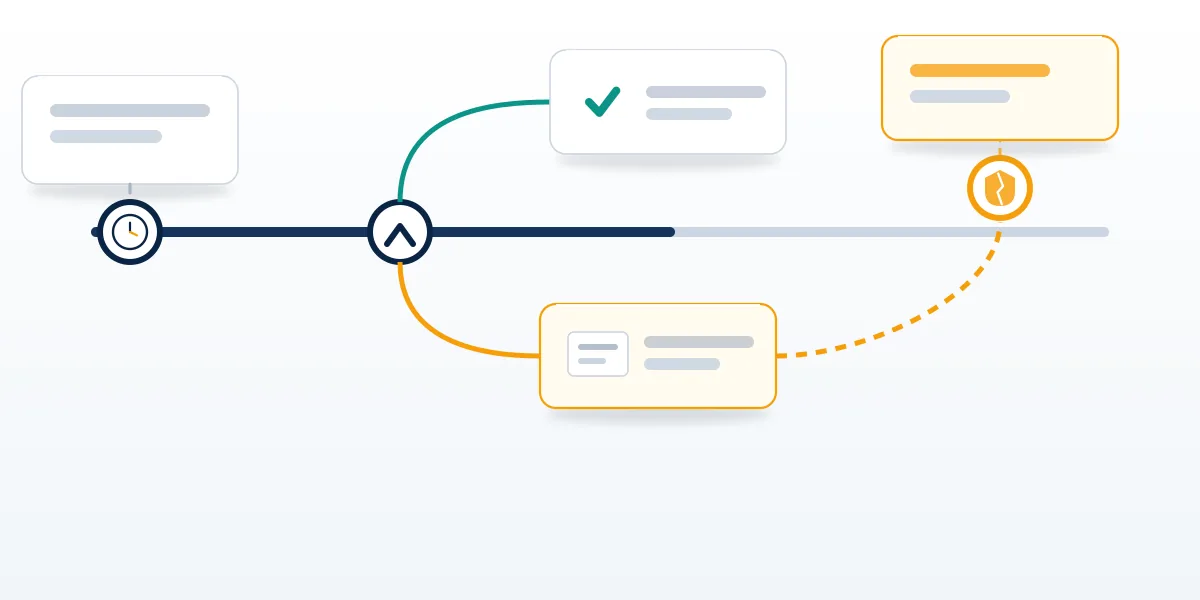
Submission drops the notice into a queue. Evidence-complete claims our team files are usually decided within three to nine days (our internal records as of September 2026); claims missing a clear ownership link take considerably longer, and a meaningful share return asking for the same proof that could have gone in at the start. Where the claim succeeds, the video is removed or its audio muted, and the uploader is notified with your details attached.
Then they can counter-notify. A counter-notice restores the video unless you file a court action, typically within ten to fourteen business days, and this is the stage where most self-filed claims quietly collapse. Your Reputation Solution raises that question before a notice goes out rather than after, because deciding in advance whether you would actually litigate is worth more than any wording trick inside the form.
Live broadcasts run on their own clock. Audio matching happens mid-stream rather than after upload, so the remedies differ too — reporting a TikTok LIVE and banning viewers is a separate flow from anything described here.
If nothing happens at all, escalation beats resubmission. Refiling an identical claim through the same form rarely changes the outcome. What changes it is a cleaner evidence package, the correct form, and a route into the right review team — the substance of getting a TikTok video taken down when the first report fails. Our team handles that second filing for clients who have already burned their first attempt, and an honest read of what comes down and what does not is set out in TikTok content removal.
Why trying to get past copyright on TikTok backfires
Searches for how to get around tiktok copyright and how to get past copyright on tiktok almost always come from a creator whose video was muted or blocked and who wants to keep it. The workarounds do not hold.
Pitch-shifting, speeding up, mirroring or layering noise over a track removes none of your legal exposure; it delays detection until the rights holder's reference file catches the re-upload. Repeated attempts against the same work read to TikTok as evidence of intent, and that is the mechanism carrying a creator from one muted video toward feature restrictions and, eventually, a removed account. Audio is scanned automatically, so the odds do not improve with effort.
Two legitimate options exist instead. Use the Commercial Music Library, licensed for business accounts, which is why most brand videos never trigger a claim at all. Or, where the claim against you is genuinely wrong — you licensed the track, you own the footage, the use is transformative — file a counter-notice and say so under oath. A counter-notice is a real remedy with a real path, and the only one ending with your video restored rather than hidden.
Your Reputation Solution does not help anyone evade a valid copyright claim, and we turn that work away when it is described to us honestly. Keeping a clip you do not own is not a reputation service; it is the thing that gets accounts removed.
What we will and will not do on a TikTok case
We prepare evidence, identify the correct form, file the report or claim, and handle escalation when a first filing is ignored. TikTok makes the decision. Your Reputation Solution does not sit inside TikTok's review queue and cannot overrule it, and anyone telling you otherwise is selling access that does not exist.
Some things we refuse outright. We never ask for your TikTok password, and no legitimate service needs it to file a report. We do not file copyright claims on content the client does not own, because a false claim transfers a legal risk onto the client. We do not offer pay-to-remove arrangements, we do not promise a specific outcome, and we do not quote a timeline faster than the platform's own review process allows. Our service limitations are written out on the disclaimer page, including what we will not attempt at any price.
Some content will not come down at all. Criticism, unflattering opinion, accurate reporting and lawful commentary are removable through no report route that exists, and a service claiming otherwise is describing a fantasy. Where your own account has been restricted by a claim you believe is wrong, TikTok banned account recovery is a separate process from reporting someone else's video, and the two should never be filed together.
The team behind this guide includes former platform trust and safety staff. Who we are and where we worked is public, which is the minimum you should demand from anyone handling a legal filing on your behalf.