
The flag icon under a video will not report an ad
Ads and videos answer to two different rulebooks. A video is measured against YouTube's Community Guidelines; an advert is measured against Google Ads policy, a separate standard with its own reviewers, its own appeal path and its own definition of the word misleading. Google states this in its own help centre: ads that break advertising policy are handled outside the Community Guidelines process. Flag the video and you have flagged a creator who never chose the ad. The auction chose it.
That split causes most of the confusion here. Someone searches how to report youtube ads, lands on a Community Guidelines page, follows the steps, and files against the channel they happened to be watching. Nothing reaches the advertiser, because nothing was ever sent to the advertiser's queue.
Your Reputation Solution is a reputation and account-recovery firm that files platform reports and escalations for people and businesses harmed by content they did not publish, paid content included.
A third lane exists, and it catches cases the ad system refuses. If the real problem is that footage exposes your face, your home or your documents rather than breaking an advertising rule, the route is YouTube's privacy complaint wizard, which turns on consent instead of policy.
And if the thing bothering you is organic content dressed up to look like a promotion, the ad menu never appears. That is a video problem, and how to report a YouTube channel or video is the guide that applies.
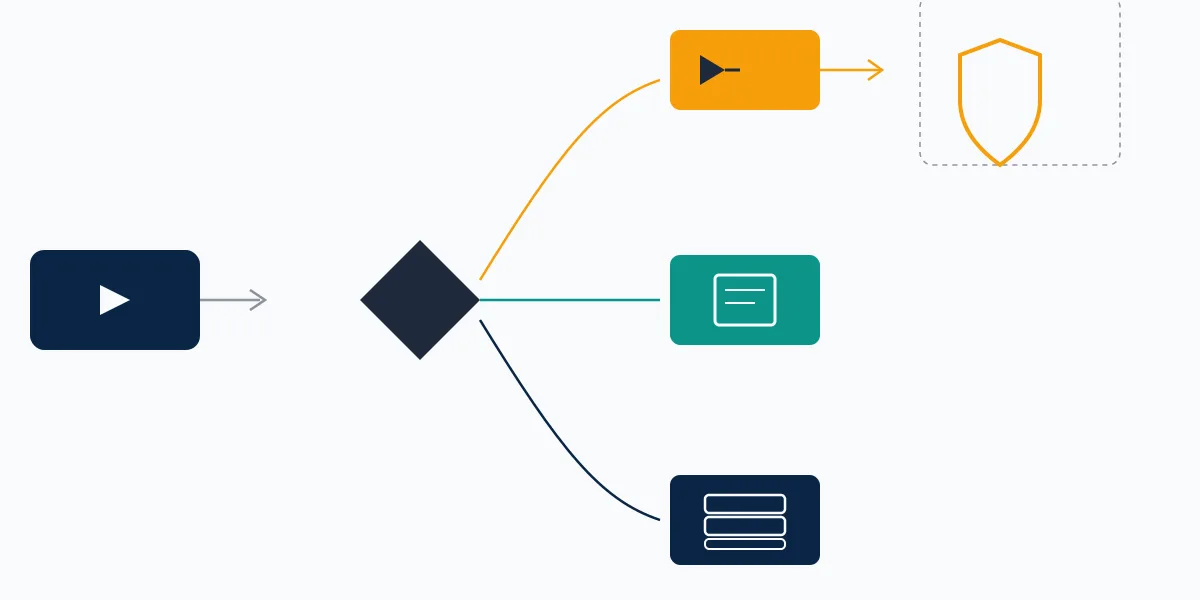
How to report a YouTube ad on PC and on mobile
The control is attached to the ad itself, so it exists only while the ad is on screen. Miss that window and the advert is gone from your session; no history page lists what interrupted you today. Pause first, then report.
On desktop
- Pause the ad. The player keeps its overlay controls visible while paused.
- Click the info marker or the three-dot More control in the corner of the ad frame.
- Choose Report ad.
- Pick the reason that matches: inappropriate, misleading or a scam, offensive, repetitive, or irrelevant.
- Submit. The panel closes and playback resumes. No case number appears, because none is issued.
That is the whole of how to report a youtube ad on pc, and the brevity is the point — Google's own reporting documentation covers it in a handful of steps because the form collects almost nothing from you.
On mobile
Tap the Sponsored label or the info marker on the ad, then Report ad, then the reason. The reason list is shorter on phones than on desktop, which matters if you are trying to report a youtube advert for something specific: pick the closest available category rather than abandoning the report, since an imperfect category still routes the creative into review.
Your Reputation Solution logs the advertiser name, the destination domain and a timestamped screenshot before submitting anything, because the form keeps no copy you can refer back to and the advert will not be there when you go looking.
One control on this menu is not a report at all. Blocking or muting an advertiser changes what you personally see and sends no policy signal whatsoever. The same trap exists elsewhere on the platform, which is why blocking a user on YouTube and reporting one produce such different outcomes.

What can the Ads Transparency Center tell you?
It tells you who paid. The Google Ads Transparency Center is a public archive: search an advertiser name or a domain and it returns the ads that account has run, the formats used, and the regions they were served in. Every verified advertiser has a page there. That one fact converts a vanishing thirty-second interruption into something you can screenshot, date and cite.
Use it before you report, not after. A submission carrying the advertiser's verified name, the ad's landing domain and a Transparency Center link is a materially different object from one that says "a crypto ad, this morning". Your Reputation Solution builds that evidence file first and files second, because a reviewer who can see an advertiser's whole archive reaches a different conclusion than one squinting at a single creative.
The archive has a hard edge worth naming. It shows the ad; it does not show the human behind the account, and it gives you no way to reach them. When the landing page is itself the harm — a cloned storefront, a fake support desk — the ad and the page are separate problems, and removing a website or page from Google Search runs on a different set of tools entirely. Which of those we take on is set out on our services page.
How do you report scam ads on YouTube?
You report scam ads on YouTube twice: once inside the player, and once to the regulator who can fine the advertiser. The platform report removes creative. The regulator report creates a record that outlives the advertiser's next account.
Inside the player, choose the misleading or scam reason rather than inappropriate. Those categories route to different reviewer specialisms, and people asking how to report scam youtube ads routinely pick "inappropriate" because the ad felt sleazy, which lands it with the wrong team. If the pitch involved money, investment, celebrity endorsement or a recovery service, it is a scam report.
Search demand splits oddly here. Phrases like how to report youtube ads scams and report youtube scam ads describe a single action, while the reason menu inside the player treats fraud and bad taste as separate queues staffed by separate people. Your Reputation Solution files the platform report and the regulator report as one package for that reason, since the two land in systems that never speak to each other. Capture three things before you close the tab: the advertiser's verified name, the destination domain after any redirect, and the date. That redirect matters more than it sounds, because scam campaigns rent a clean-looking domain for the advert and bounce the click somewhere else, and only the second domain shows a reviewer what the campaign really is.
Then escalate by jurisdiction. In the United States, ReportFraud.ftc.gov takes consumer fraud reports into a database that law enforcement queries. In the UK, the Advertising Standards Authority runs a dedicated online scam ad form, and anything touching investments belongs with the FCA through ScamSmart. None of these bodies removes the ad. They build the case that eventually costs an advertiser its ability to buy ads at all, which is why people who report youtube scam ads and stop at the player often meet the same creative a fortnight later under a fresh advertiser name.
Two adjacent frauds deserve the same treatment. A fake business listing feeding the landing page goes through the Business Redressal Complaint Form, a separate Google process from the ad report. And an entire ad category sells help that does not exist — the "we will get your account back" pitch. Our team tests those claims against what the platforms actually permit, and the breakdown of whether Instagram account recovery services are legit shows how to tell the real ones from the adverts.
What if the ad is using your face, name or brand?
Then you are not a viewer with a complaint. You are the person the fraud is being committed against, and the process changes.
Impersonation ads work because the borrowed trust is the product. A synthesised clip of a known face endorsing a trading platform, a cloned logo over a discount that does not exist, a founder's headshot on a fake investment webinar — the creative costs almost nothing and the credibility is stolen. Your Reputation Solution opens these as rights-holder matters rather than viewer complaints, because the two filings carry different weight from the very first submission.
Anyone searching how to report youtube ads impersonation is usually past annoyance and into damage. File the in-player report, then file the ad-policy complaint as the rights holder rather than as a bystander, naming yourself or your company as the impersonated party. That second filing carries standing the first one does not, because a viewer report is one data point and a rights-holder report is a claim. We file as the named party, package the Transparency Center archive alongside it, and state in writing where the claim stops: the platform makes the final decision on every removal, and no filing changes that.
Timing works differently here than it does for a viewer complaint. A viewer is reporting one bad half-minute that has already ended. A rights holder is reporting a campaign that is still spending, so every hour it keeps running buys the advertiser more impressions against a name that is not theirs.
Assume the campaign is multi-platform. The same creative is almost always running as an organic impersonation account somewhere else, so pairing the ad report with how to report Facebook impersonation closes the second front while the ad review runs. On X the path is unusual in a useful way, since you can report impersonation on Twitter without an account of your own.
There is a prevention step people skip. Impersonation creative gets assembled from photographs that are already public, and a dormant profile nobody has opened in six years is a free image library for whoever finds it. Closing those accounts removes the raw material, and it works even when the login is long gone — the route through deleting an old Instagram account covers the lost-access case specifically.

An ad is running with your face on it. Your Reputation Solution assembles the advertiser archive, files as the named rights holder, and escalates to the relevant regulator where the advert touches money. You hear what the platform can and cannot do before you engage us, never after. Start with a free 60-minute assessment.
Misleading claims, offensive creative and stolen footage
Three complaints that feel identical to a viewer route to three different teams.
Misleading claims are factual assertions that fail: a cure that is not a cure, a return no product delivers, a "government scheme" that does not exist. Anyone working out how to report youtube ads for false information should use the misleading category and name the specific claim inside the report rather than describing the vibe. Reviewers assess claims, not tone.
Offensive creative is a content-standards judgement instead — graphic imagery, sexual content, slurs, shock tactics in a mid-roll a child was watching. How to report youtube ads as offensive is the same three clicks with a different reason selected, and that reason genuinely determines who reads it.
Its neighbour on the menu trips people up constantly. How to report a youtube ad as inappropriate covers creative that is wrong for the moment rather than wrong in itself: gambling in front of a young audience, adult themes over a cookery video, surgical footage mid-tutorial. So how to report an inappropriate ad on youtube and the offensive route are not interchangeable, even though the clicks look identical and the difference is invisible until a reviewer applies it.
Your Reputation Solution sorts these three before filing anything, because a copyright notice sent through the policy form is simply lost, and a policy grievance dressed up as a copyright notice exposes whoever signed it.
Stolen footage is the third case, and the only one of the three where you may hold a legal remedy rather than a policy request. When an advertiser lifts your video, your product photography or your voice into their creative, copyright applies on top of ad policy, and the takedown mechanism outranks the report form. The rules on who may file, and what a false claim costs the filer, are set out in how to copyright strike a YouTube video.
Live formats compress all of this into seconds, which is why the controls sit in different places across platforms and why reporting a TikTok LIVE and banning viewers works nothing like a static ad report.
How to report undisclosed ads on YouTube
This one is not an ad report at all, and that surprises people.
An undisclosed ad is a creator being paid to feature a product without saying so. No Google Ads money changes hands, no advert is served, and the in-player menu never appears, because the payment sits between a brand and a channel. YouTube's own control is creator-side: a Studio checkbox marking that a video includes paid promotion, which generates the on-screen disclosure. When a creator skips it, the viewer route is the standard video report.
The regulator matters more here than the platform. In the United States the FTC Endorsement Guides require clear disclosure of a material connection between an endorser and a brand, and enforcement lands on the advertiser and the influencer rather than on YouTube. So how to report undisclosed ads on youtube splits in two: flag the video for the disclosure failure, and report the brand to the body that can actually penalise it.
The same pattern turns up as fabricated partnerships, where an account invents a sponsorship nobody agreed to. Your Reputation Solution files those as impersonation matters rather than disclosure ones, because the harm lands on the brand whose name was borrowed rather than on the audience who was not told. They are impersonation cases wearing a marketing costume, and the routes in reporting a TikTok account for impersonation separate the three variants cleanly.
Can you report a YouTube ad anonymously?
Yes. The in-player form asks for no name, no email and no contact details, and the advertiser is never told who reported them. Anyone asking how to report a youtube ad anonymously can stop worrying about retaliation from the brand.
Anonymous is not invisible, though, and the distinction is worth holding. Google associates the report with the signed-in account or session that filed it, because that is how duplicate and abusive reporting gets filtered. Nobody outside Google sees that association, and no advertiser receives it.
Rights-holder filings are the exception, and they run the opposite way. A copyright claim requires a real identity and a sworn statement of good faith, and the platform forwards that identity to the party you filed against. Anyone weighing a policy report against a copyright takedown should know what gets disclosed before choosing — a DMCA takedown on Twitter documents exactly what the platform sends the infringer, and Google's process is no more private.
What a YouTube ad report cannot do
Most reports produce no visible result, and that is a fact about the system rather than a failure on your part. Google issues no case number, publishes no review deadline, and sends no outcome notice. Its own advertiser forum carries a long-running thread of users reporting exactly this silence. Three outcomes are possible — the creative is disapproved, the advertiser's account is suspended, or nothing happens — and the reporter is never told which one occurred. In the escalations Your Reputation Solution logged through August 2026, the earliest reliable signal a report had landed was never a message; it was the same creative failing to serve to a clean test session in the same region days later.
A report also cannot recover money already sent to a scammer, unmask the advertiser, or stop the same operator returning under a fresh account. Those need the bank, the regulator and monitoring respectively, and the bank call is the urgent one, since card networks run chargeback windows measured in days rather than months.
It cannot clean the search results the campaign created, either. A scam advert that ran for three weeks leaves forum posts, screenshots and coverage that outlive the creative by months, and suppressing that residue is separate work on a 90 to 180 day horizon — the routes are in removing your name from Google Search. Where a campaign funnels victims into a chat channel, the takedown changes shape again, and a Telegram copyright infringement report has no web form at all.
Here is what our team will not do, stated before you ask. We will not guarantee that an ad comes down, because Google decides that and we do not. We will not ask for your password or your ad account credentials. We will not file a copyright claim you have no standing to make, since a false takedown is itself actionable against the filer. And we will not quote a turnaround for a queue that publishes no deadline. Anyone promising a guaranteed removal on a fixed date is describing a product that does not exist; the full statement of limits sits on our disclaimer.