A report is a request, not a verdict
Tapping Report asks Meta to review one thing against one rule. If you report a post on Instagram, nobody weighs your opinion of the account; a reviewer tests one piece of content against the single policy you named, then closes the file. Whichever object you tap decides everything that follows, because a post report reaches a post and nothing further up the chain. Instagram splits its intakes by surface, so a feed post, a photo inside a carousel, a story, a comment, a direct message and the profile itself each carry their own three-dot menu, and each menu opens a slightly different list of reasons. Choosing the account when the problem is one image sends a reviewer hunting for a pattern that may not exist. Choosing the image when the account is the problem caps what enforcement can do before anyone reads the file.
None of this is obvious from the interface, which presents every route as the same short menu behind the same three dots. Nothing in the app hints that the reason you select routes the file to a different team, that some of the nine options carry no enforcement power at all, or that one category leaves the menu entirely and lands on a legal form. People discover those distinctions after a report has already closed, which is the wrong end of the process to learn them. Understanding the routing before you tap is the difference between one accurate filing and four that go nowhere.
Your Reputation Solution is an account recovery and reputation firm that prepares, files and escalates platform reports for people and businesses whose content or identity has ended up in someone else's feed. Most of that work is not the tap. It is deciding which object, which policy and which form carries a claim a reviewer can act on, then documenting it well enough to survive an appeal.
Scope matters on this page. Reporting a whole account — an impersonator, a burner, a harassment profile — is a different filing with different evidence, and how to report someone on Instagram covers the five surfaces and four outcomes that filing involves. Everything below concerns content: a post, a picture, a reel, a story.
Consider what a reviewer receives. Not your history with the account, not the DMs that led up to the post, not the context that makes the thing obviously malicious to you: a single item and the policy label you attached to it. That is the whole file. Everything you know and cannot fit into that submission is invisible to the person deciding, which is why the description field and a legible screenshot carry more weight than the strength of your grievance.
Three neighbouring buttons do jobs people routinely confuse with reporting. Mute hides an account's posts from your feed while you stay connected to it. Restrict limits their comments and messages without telling them. Block severs the connection outright. None of those three is a policy claim, none reaches a reviewer, and all three take effect the moment you tap them — which is the opposite of how a report behaves. Sorting that confusion out is the first conversation at Your Reputation Solution on a large share of content enquiries, because if the actual goal is to stop seeing something, one of those buttons does it today and a report will not do it at all.
Nor is the split unique to Meta. Marketplaces route their intakes the same way, which is why the eBay report you actually need depends on whether the problem is the seller's conduct, the listing itself, or a rights claim. Pick the wrong object and a valid complaint lands in a queue with no power to grant it.
Which reason you pick decides which queue reviews it
Instagram's post menu currently offers nine reasons, and they are not interchangeable labels for "this is bad". Per Instagram's help page on reporting a post or profile, the list runs: I just don't like it, bullying or unwanted contact, suicide/self-injury or eating disorders, violence/hate or exploitation, selling or promoting restricted items, nudity or sexual activity, scam/fraud or spam, false information, and intellectual property. Each routes to a different policy, a different evidence bar, and a different ceiling on what a reviewer may do. One of the nine routes nowhere at all: "I just don't like it" tunes your own recommendations and ends there, which makes it the most-tapped and least-effective option on the list.
This is the highest-leverage click in the entire flow, and it is the one most people rush. Reviewers test the content against the policy you named, so if your evidence proves a different violation, the file usually closes instead of re-routing — the same mechanic behind the reason you pick decides the queue on X. At intake, Your Reputation Solution reads the reason field before the screenshots, because a mismatch there explains more closed files than weak evidence ever has.
| Reason you pick | What that queue can reach | What it cannot do |
|---|---|---|
| Bullying or unwanted contact | Targeted content, repeat contact, account action in severe cases | Remove criticism that names nobody and breaks no rule |
| Nudity or sexual activity | Fast removal, account-level action on severe cases | Help when the image is clothed but taken without consent |
| Scam, fraud or spam | Content removal, spam-pattern account review | Recover money that already moved |
| Intellectual property | Removal of the exact posts you identify | Keep your name private, or reach content you don't own |
| False information | Fact-check labels, reduced distribution | Delete a claim that is merely contested |
| I just don't like it | Your own feed and recommendations | Anything at all on the poster's side |
Where the category boundaries actually sit
Three of the nine reasons overlap in everyday language and not at all in policy, and this is where well-founded reports go to die. Bullying covers content aimed at a specific person, so it needs a target a reviewer can identify. Hate speech covers attacks on protected characteristics, whether or not anyone is named. Harassment tends to live in the pattern — repeated contact, repeated posting — rather than in any single item, which is exactly the thing a one-post report cannot show. Call one named person an idiot in a comment and you have something plausibly bullying and almost certainly not hate speech; attack a nationality in a caption and the reading reverses. Pick the reading a stranger could verify from the item alone, because that stranger is who reviews it, and a report that requires your backstory to make sense will close without it. Re-reading a client's evidence against the three definitions, rather than against the complaint, is where Your Reputation Solution starts on bullying and harassment cases.
When none of the nine fits
Some complaints have no home in that menu. Court orders, privacy claims under local law, defamation matters and law-enforcement requests each need a form the app never shows you. Moving a case out of the in-app menu and into the correct intake takes up a fair share of the working day here, because a claim filed in the wrong place is not merely rejected, it is rejected slowly, and the clock on the underlying problem keeps running. Instagram maintains five intakes, no legal inbox behind the app, each under its own burden of proof, and Meta states plainly that reporting does not guarantee removal.
Post, photo or story: which surface should you report from?
Whichever surface you file from bounds the evidence a reviewer will ever see. Report one post and the reviewer looks at one post, with no window onto the account's history, the messages that preceded it, or the six near-identical posts beside it. That constraint bites hardest in direct messages, where Instagram reviews only the 30 most recent messages in a reported thread — which is why an Instagram blackmail report has to go in from the chat and from the profile both. Surface selection is an evidence decision rather than a menu decision. On a repeat offender, Your Reputation Solution files from several surfaces rather than picking the loudest one, because a reviewer cannot infer a pattern from a single exhibit.
How to report an Instagram post
- Open the post and tap the three dots above it.
- Tap Report, then choose the reason that matches the policy, not the one that matches your anger.
- Follow the prompts and submit.
Those three taps are the whole procedure. Searches phrased as how to report instagram post, how to report someone post on Instagram, or reporting a post on Instagram all land in the same place, with no separate desktop path and no form to complete. You can also report post on Instagram without an account, through the web form Meta publishes for people who are not signed in. It matters more than its obscurity suggests. Anyone who deleted their profile, who was blocked by the account in question, or who never joined at all still has a way in, and the form covers abuse, spam and anything else that breaks the Community Standards. What it costs you is the status trail: with no account, there is no Settings page listing the decision, so the filing goes in and the outcome never comes back to you. Screenshot the content before you submit, because that may be the only record you keep of it.
Report picture on Instagram: same menu, different question
To report a picture on Instagram you use the post menu, since a photo is a post. One subtlety matters: an Instagram report picture claim nearly always splits into two unrelated complaints. Either the image breaks a community rule — nudity, violence, a scam — or the image is yours and somebody took it. Only the first belongs in the three-dot menu, and this fork is where Your Reputation Solution redirects most incoming cases, usually before anything gets filed at all. Searchers use report photo Instagram, report photo on Instagram and reporting a photo on Instagram interchangeably, yet a reviewer handling an Instagram report photo case asks one question only: does this picture break a written policy? Ownership never enters that queue.
Carousels add a wrinkle. To report Instagram photo content buried in slide four, report the post and name the frame in the description field, because reviewers open the whole carousel rather than the slide you were looking at.
Instagram story report: the clock is the part nobody mentions
Stories expire in 24 hours, and review does not reliably beat that timer. To report story on Instagram, open it, tap the three dots at the top of the photo or video, then tap Report inappropriate — Meta's help page for reporting someone's story uses that wording rather than the plain "Report" on feed posts, a small difference that trips anyone following a guide written for the feed. Somebody searching how to report someone's story on Instagram is really asking a timing question, and the honest answer is that an expired story can close a report on its own, with nothing left for a reviewer to look at. Screenshot first, with the handle and timestamp visible, then file. An Instagram story report backed by a screenshot survives the expiry; one without it frequently does not.
Reels sit in between. They persist like posts and carry the post menu, but they travel further through recommendations while a report is pending, which is why Your Reputation Solution files on reels first when the same material has been posted to several surfaces at once. Reporter confidentiality holds across all of them, incidentally. TikTok never names the person who filed either, as our walkthrough on how to report a scammer on TikTok sets out. Surface parity between web and app is what genuinely varies: some steps exist in one place and not the other, and TikTok account recovery on PC shows how far the two can drift apart on one service.
Are Instagram photos copyrighted?
Yes. A photograph is protected the moment it is taken and saved to a file, with no registration step required in the United States, as the US Copyright Office sets out. Uploading it to Instagram does not surrender that copyright, and Instagram's own copyright hub sends readers to that same office, and to WIPO, rather than answering ownership questions itself. What the platform does decide is whether a specific post infringes a specific right that a specific person holds — a far narrower question than "is this mine".
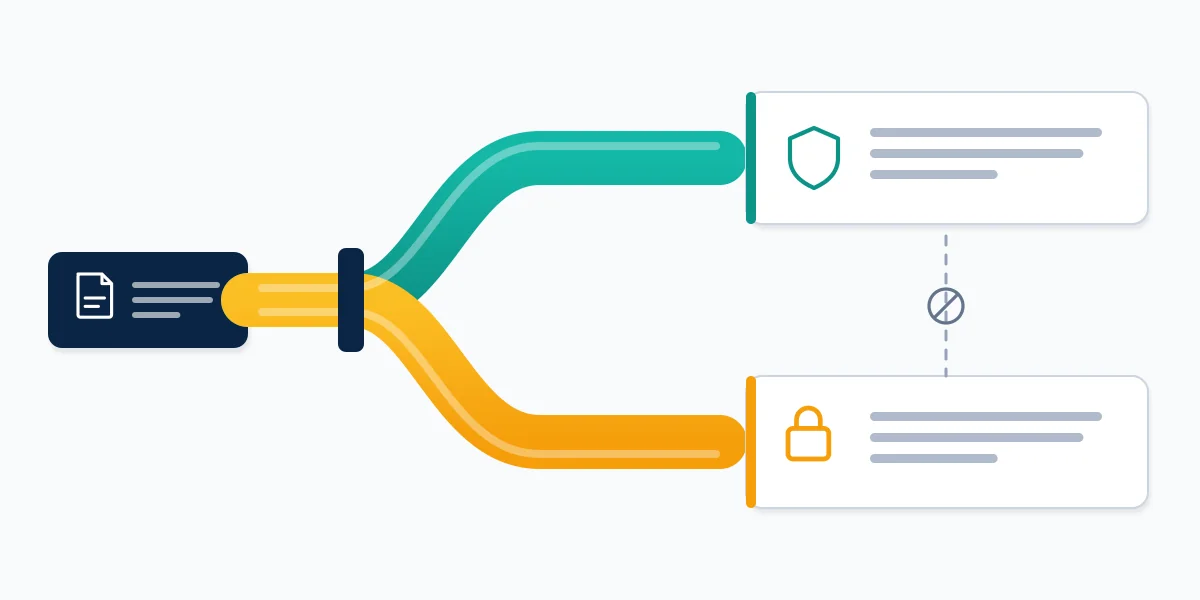
Here the two pipes separate. Community-guidelines reports travel through the three-dot menu. A copyright claim does not: it travels through a web form, and only the rights holder or an authorised representative may file it. Instagram's copyright help centre is explicit that you cannot report an infringement of someone else's intellectual property on their behalf. Proof of ownership is therefore the first thing asked for before a copyright matter is opened at all. So how to report Instagram post for copyright and how to report Instagram reel for copyright share one answer, and it is not the menu you have been tapping. Both go to the copyright form, which asks for your contact details, proof of the original work and a signature; our guide to Instagram's copyright report form walks through what Meta does with each field, and where that form actually lives. Your Reputation Solution puts the ownership question ahead of the evidence question on every copyright case, because a claim from the wrong person fails no matter how good the proof is.
Reels deserve a separate note, because most guidance treats Instagram as one undifferentiated surface and reels are the case where that assumption costs you. Reels built from someone else's footage, or set to a track the uploader has no licence for, are a copyright matter, and audio claims often resolve through a different mechanism entirely — the track gets muted or the reel loses its sound while the video stays up. Where the stolen element is your video rather than the music, name the exact reel URLs in the form rather than the profile, since one filing covers only the items you list. Reel cases are the ones our team documents most heavily before filing, because a reposted reel usually exists in six places by the time anyone notices it.
Two consequences follow, and both surprise people. Filing costs you your anonymity, because Meta passes your name and email to the person who posted the content. The claim also reaches only the posts you name, never the account behind them, so a serial reposter can be stripped of ten images and carry on posting the eleventh. Both of those facts change who should file, before anyone weighs how strong the evidence is. TikTok runs the identical split, where a copyright report is the DMCA takedown rather than a separate, lighter option.
Ownership is narrower than instinct suggests. Being in a photograph is not owning it, since the person who pressed the shutter usually holds the copyright, which means a DMCA notice filed by the subject fails on its face. Where the real complaint is consent rather than ownership, the privacy violation route works and the copyright route does not, and being in the photo isn't owning it explains how that filing differs. Copyright filings for clients who do not hold the rights are declined at Your Reputation Solution, for a reason worth stating plainly: a false claim is made under penalty of perjury, and the claimant's name travels to the person it was filed against.
What happens after you submit a report?
Nothing visible, usually. A reported Instagram post enters a review queue where automated classifiers screen first and human reviewers handle what those systems escalate or flag as uncertain, and Instagram publishes no service-level deadline for any stage of it. Severity drives speed far more than volume does. An Instagram post reported for child exploitation and one reported for a misleading caption never sit in the same line, and the gap between them is measured in days rather than minutes.
Report count is not a vote, and this is the myth worth killing first. Meta decides on the content against the policy, not on how many people flagged it, exactly as report volume doesn't decide it describes for groups. Coordinated reporting does not raise the odds of removal. Panels and apps that sell a report threshold are selling a number Meta has never published, a claim taken apart in our piece on Instagram report apps and ban bots. It raises the odds of action against the people coordinating, because Meta treats mass and duplicate reporting as abuse in its own right. Requests to organise one get turned away here whenever they arrive, which is more often than the topic deserves.
Any single report is one input among many rather than the main removal engine. Most violating content comes down before a user flags it, which is the point our breakdown of Meta's ad review makes about scam ads on Facebook: a report is a signal that may trigger a fresh look, not a verdict you have handed down. On a first call, Your Reputation Solution says this early, because the alternative belief — that enough pressure from enough accounts forces a decision — is the one that leads people to buy mass-reporting services.
Rejections cluster into four shapes, none of them announced as a reason. Perhaps the content does not break the policy you named, though it may break a different one. The item cannot be assessed from what you submitted, which covers the cropped screenshot and the expired story. Or the claim needs standing you do not have, as with copyright on someone else's photograph. Or the violation is real and that category's enforcement ceiling is lower than you expected — a fact-check label rather than a removal. Knowing which of the four applies is the difference between refiling usefully and refiling identically, and the second is what Meta counts as duplicate reporting. Working out which of the four shapes a closed report belongs to is most of a second pass, and the answer changes the next step completely: a wrong-category rejection gets refiled under the right policy, an unassessable one gets refiled with better evidence, a standing problem moves to whoever does hold the right, and a ceiling problem is simply the end of the road on that surface.
One genuinely useful outcome hides inside the "no action" bucket, and almost nobody explains it. Instagram states that even where it does not remove what you reported, it may use your report to show you less content like it — lower in your feed, and in Suggested posts and Explore. So an Instagram reported post that stays up has still changed something, just on your side of the glass rather than the poster's.
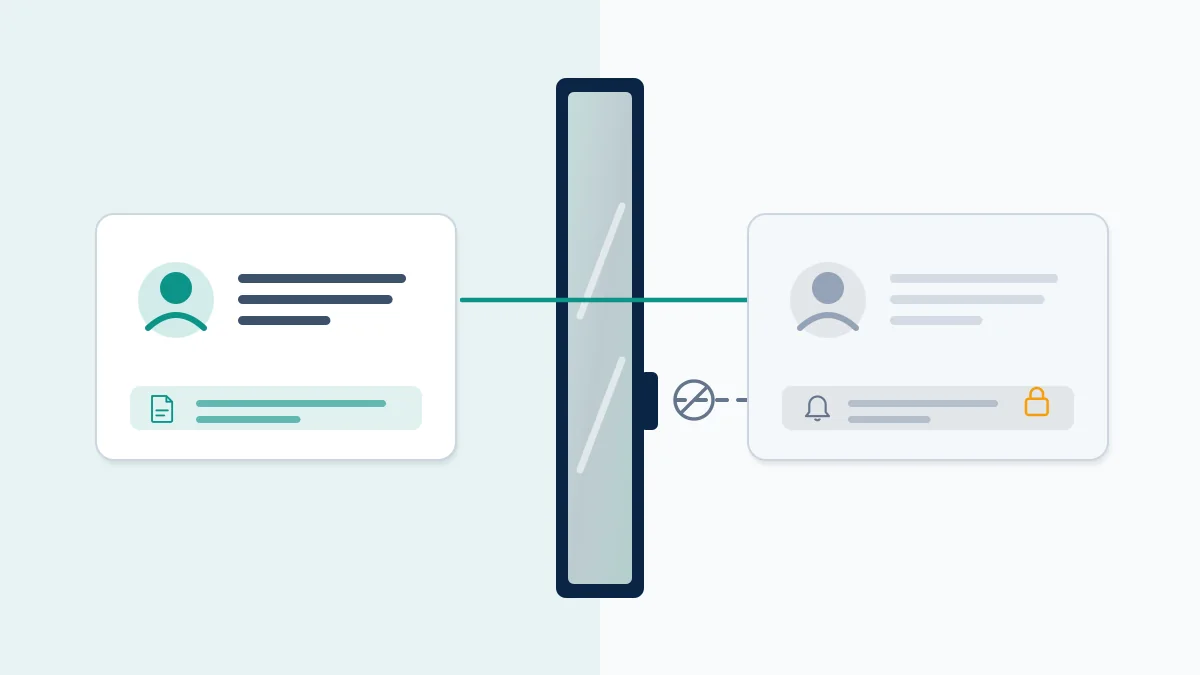
Status lives in Settings, under the support-requests area, where reports you have filed are listed with whatever decision has been recorded against each. Nothing of it reaches the person you reported. Reports stay confidential, with the intellectual property exception described above, and reports stay confidential — with one exception covers precisely what does and does not reach them.
Filed a report and watched nothing happen? Your Reputation Solution will look at the content, the policy it plausibly breaks and the route you used, then tell you honestly whether a different filing has a case — or whether the post breaks no rule and no filing will move it. Ask for a case review.
Five ways a report can end
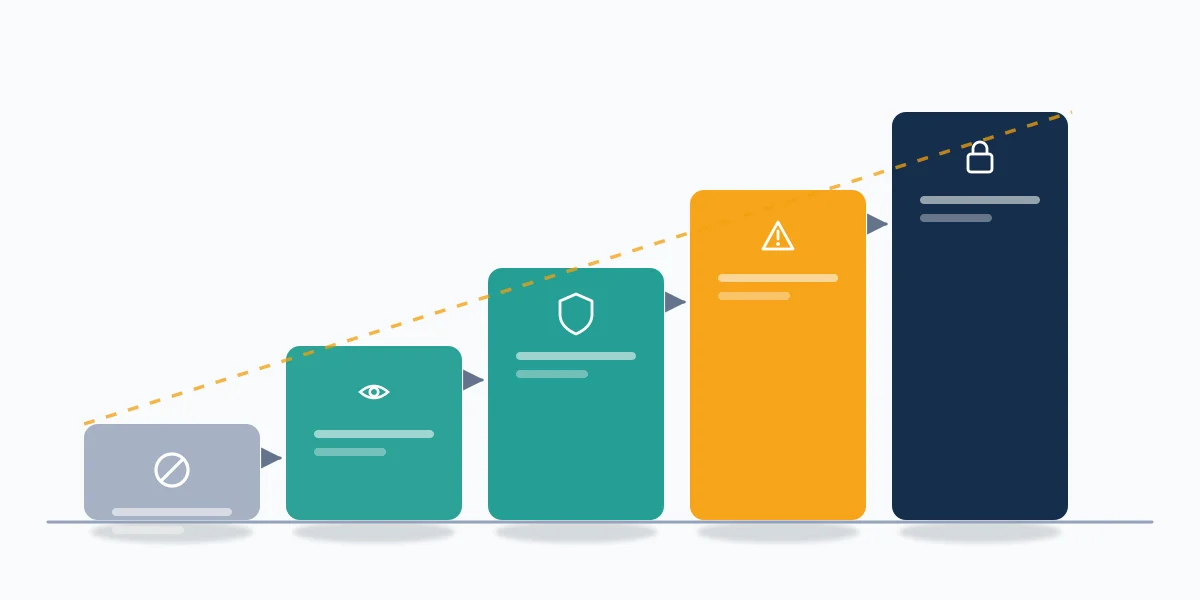
Only five endings exist, and most reports reach the first.
- No action. The content breaks no policy, or a reviewer could not establish that it does. You are never told which of the two applied, and roughly speaking this is where the majority of reports on ordinary unpleasant content come to rest.
- Content removed. The post, photo, reel or story comes down; the account stays.
- Warning or strike. A record attaches to the account and shapes what happens the next time it is reviewed.
- Feature restriction. Posting, commenting, going live or appearing in recommendations gets limited for a set period.
- Account disabled. Reserved for severe single violations or for accumulated strikes.
Removal and account action sit on separate rungs, and people conflate them constantly. Report a post and you reach the post. Account-level enforcement looks entirely different from the outside, and what account-level action looks like describes the full-screen notice and the countdown that the owner actually sees — none of which is visible to you, the reporter, at any point. Setting expectations against this ladder before anything gets filed is a standing rule at Your Reputation Solution, because the distance between what people picture and what the ladder offers is where the disappointment lives.
Enforcement is not only report-driven, either. Classifiers act on content nobody flagged, and they get it wrong in both directions, a reality documented in classifier error is a real outcome for X suspensions. That cuts both ways for you: a post may vanish without your report doing any work, or a sound report may be overtaken by an automated decision you never see. Should your own post come down after a report you believe was mistaken, appeal windows are category-bound and unforgiving of the wrong form, the trap laid out in four appeal routes, one window.
None of these five endings is announced to the reporter. You will not be told that a strike landed, that reach was throttled, or that the account picked up a record it will carry into its next review. Watching the content is the only reliable signal available to you: whether the post is still reachable at its URL, whether it still appears in search and hashtags, whether the account is still posting. Thin as that instrument is, it is the one everybody actually has.
Limits, and the filings we refuse
Filings prepared by Your Reputation Solution go through Meta's own forms, and Meta makes every decision on every one of them. Nobody here asks for your Instagram password or signs in to your account. Our team does not file mass, duplicate or coordinated reports against any account, competitors included, and it does not send a copyright notice for rights a client does not hold.
Treat a promised suspension or a guaranteed removal date as the tell, because Meta alone decides both, and no firm sits inside that decision. Clean content cases in this category typically resolve in 24 to 72 hours once filed correctly; contested ones run into weeks, and some never move at all. The first answer a client gets from our team is often the unwelcome one — that the post breaks no written rule, which means no filing will shift it, and that paying anyone to try would be paying for a coin flip.
Three limits account for most of the disappointment in this topic, so they are worth naming plainly.
Reporting is not deletion. Only the owner or the platform can remove a post, and owner-side deletion is a separate mechanic with its own timers, as delete a Facebook account shows for the account-level version of the same confusion. Blocking is not reporting either: where the goal is simply to stop seeing an account, blocking achieves that in a second and a report never will, a distinction our team explains for bot followers on X. And where the real problem turns out to be your own locked-out account rather than someone else's post, you are facing an identity gate rather than a report queue, which is why the recovery route our team uses behaves so differently.
Everything that falls outside this work, including the filings our team refuses, is set out on the disclaimer page.