What an Instagram trademark infringement report actually does
An Instagram trademark infringement report asks Meta to remove specific content using your registered mark in a way likely to confuse people about who they are dealing with. It is not a lawsuit, not a domain dispute, and not a general complaint channel for business rivalry. One report covers one registered trademark. Meta checks the registration you cite, measures the reported content against its own written policy, then removes the content, leaves it, or tells you the matter sits outside what a platform can decide. That third outcome surprises people more than it should, and most of this page is about avoiding it.
Two searches collide on the phrase instagram trademark form. The first leads to the reporting webform covered here. The second leads to Instagram's own registered marks sitting in the USPTO database, which is where you land coming through a trademark directory. Anyone wanting the second will find no form on Meta's site that helps.
The other common mix-up costs real time. Copyright protects the photograph, the video, the piece of writing. Trademark protects the name, the logo, the thing telling a customer whose product this is. The US Copyright Office is direct about the boundary: copyright does not protect names, titles, slogans, or short phrases. Send a logo complaint into the copyright queue and it dies there, because that queue has no power to grant it. A reposted photo rather than a stolen brand belongs at a different address entirely, and the Instagram copyright report form sets a different evidence bar.
Instagram trademark infringement also carries a narrower meaning here than in ordinary speech. A reviewer is not asking whether the other account annoys you or undercuts your prices. They are asking whether an ordinary customer would think that account is you, or is endorsed by you. Everything else, however unfair, belongs somewhere other than this form. Still deciding whether yours is a trademark matter at all? The five reporting surfaces Instagram offers each lead to a different reviewer and a different outcome.
Where is the Instagram trademark report form?
The Instagram trademark report form lives at help.instagram.com/contact/230197320740525, and it renders for anyone, logged in or not. The same form mirrors on the Facebook domain at facebook.com/help/instagram/contact/230197320740525. Both submit to the same queue. What throws people is that Instagram's general help articles explain the concept and link onward through several hops rather than dropping you at the form, so a fair number of searchers conclude no form exists and start hunting for an email address instead.
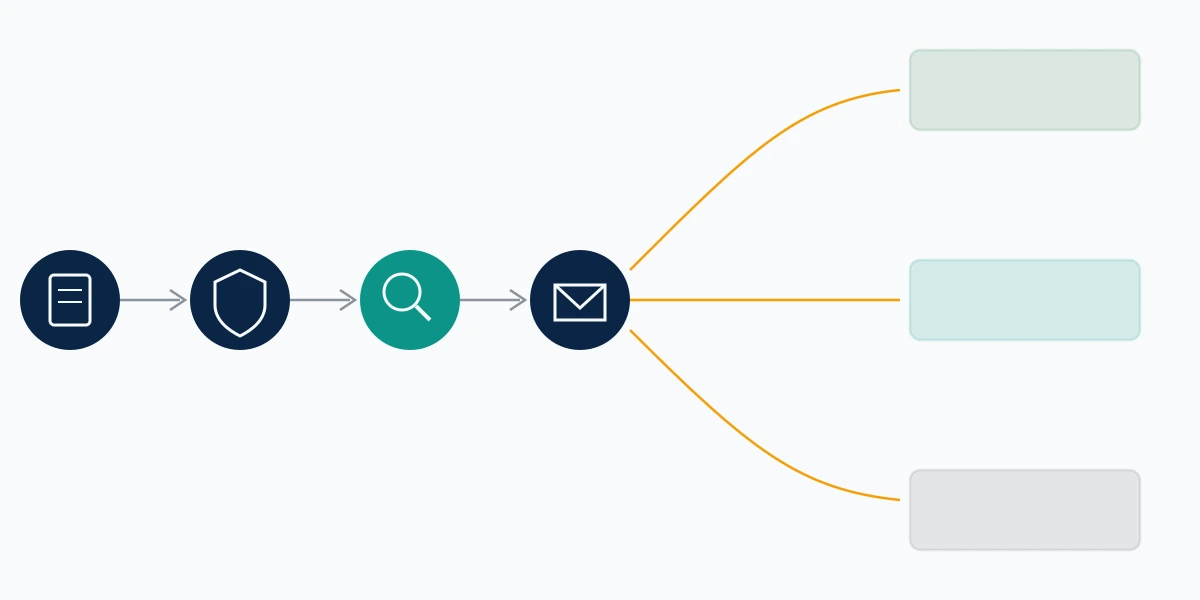
Meta gives this form one name. Searchers give it a dozen. An instagram trademark complaint form, an instagram trademark violation form, an instagram trademark infringement form and an instagram trademark abuse form all describe the same webform, and none of those four phrases appears in Meta's own wording. Neither does the plain instagram trademark report. Knowing that saves you from the fear you have found the wrong one, which is the moment most people start looking for a paid intermediary.
Two structural limits shape how you use it.
One mark per report
The form handles a single registered trademark at a time. A counterfeiter running your wordmark and your logo as separate registrations means two submissions, not one. Batching them into one description is the quiet reason many otherwise solid reports come back unresolved, because a reviewer can only act on the registration you actually cited.
Thirty URLs, and they must be exact
You can attach up to 30 links or content IDs per report. They need to point at the specific posts, Reels, Stories, ads or profile you are reporting, not at a search page or a hashtag. Vague pointers get treated as unevidenced. To report trademark infringement on Instagram effectively, gather the permalinks first and file second, because a closed report does not reopen and you would be starting a fresh one.
Free reporting routes exist on every major platform, which is worth remembering before paying someone to press the same button. Reporting a fake TikTok account runs on the same free-form model, with the same evidence discipline deciding outcomes. Content showing a photograph of you rather than a use of your brand takes a privacy route instead of a trademark one.
What the form asks for, field by field
Expect the form to want proof of the right before it wants proof of the wrong. In order: your name and whether you own the mark or are authorised to act for the owner, a link to your official presence, the jurisdiction where the mark is registered from a dropdown covering national offices plus EUIPO and WIPO, the registration number, and either a link to that registration in a public database or an uploaded certificate. Uploads are limited to common image formats and PDF. A pending application is not a registration and will not carry the report. You can list additional marks, then your contact and mailing details, then up to 30 infringing URLs with a written description of how each infringes. It closes with an electronic signature and a good-faith declaration.
That written description is the field people rush, and the one doing the most work. A reviewer with a queue will not reconstruct your argument. Name the mark, name what the account did with it, and say plainly why a customer would be misled. Three specific sentences beat three paragraphs of grievance. An instagram trademark complaint saying "they are copying my brand" gives a reviewer nothing to act on. One saying "this account sells the same product category under our registered wordmark and describes itself as our official store" gives them everything.
Capture evidence before you file, not after. A successful removal destroys your own record, taking the URL, the caption and the comment thread with it. Screenshot the infringing profile with the address bar visible, save URLs as text rather than only inside images, and note the dates. The evidence pack platforms actually accept looks much the same across services, and it is always more documentary and less narrative than people expect. Anyone who has assembled a formal takedown request for a professional network will recognise the shape of it.
Our former Meta Trust and Safety team sees one failure repeatedly: the registration was fine, the infringement was real, and the report still stalled because the description argued a business dispute rather than a likelihood of confusion.
What the Instagram trademark policy will not act on
The Instagram trademark policy draws a hard line most guides skip. Meta says it cannot adjudicate disputes between third parties, so it declines reports requiring an in-depth trademark analysis, and reports appearing to involve a real-world dispute that no action by Instagram would resolve. Read that twice before fighting a competitor over overlapping marks. The platform is not a tribunal, and the advice in its own help pages is to approach the other party directly or seek a remedy in court.
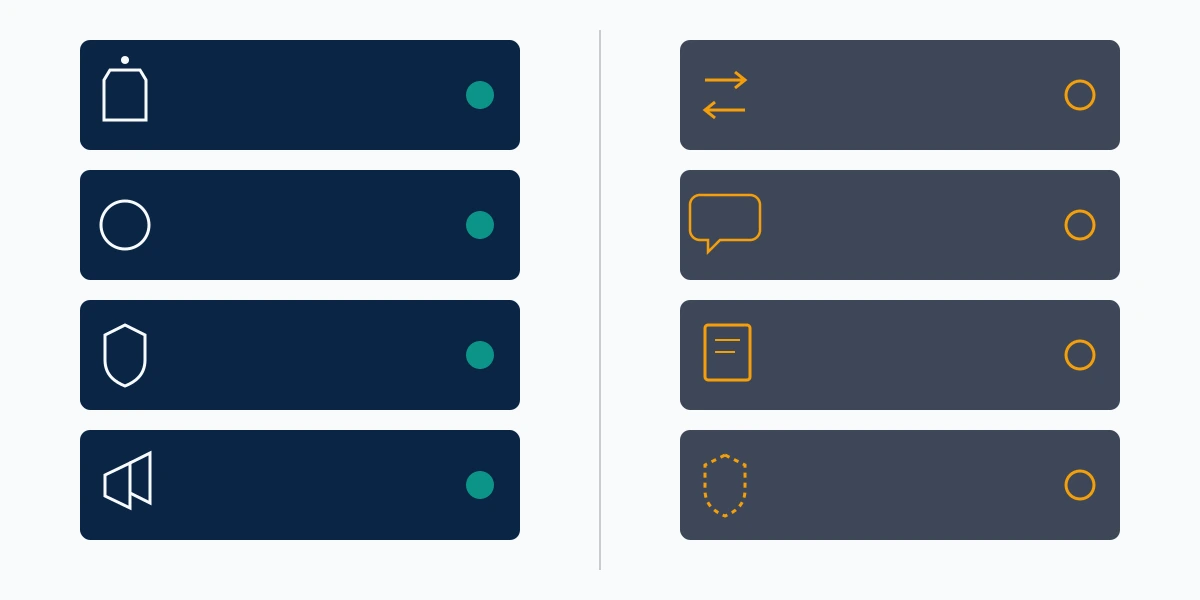
| Usually actionable | Usually declined |
|---|---|
| Counterfeit goods sold under your registered mark | Honest comparative reference to your brand |
| A handle actively passing itself off as your official account | A parody or fan account clearly not official, selling nothing |
| Your logo used as profile imagery to imply endorsement | Reviews, criticism and commentary naming your product |
| Paid ads running your mark to divert your customers | A descriptive or generic word nobody can own |
| Use in a category your registration actually covers | Use in an unrelated category with no confusion |
| A mark you hold a granted registration for | A pending application, or no registration at all |
Before submitting, Meta asks you to consider whether the use might be permissible. That is not a formality. Nominative and descriptive fair use are real defences, and a reseller naming the brand they genuinely stock is usually committing no instagram trademark violation at all. The governing law here is national rather than platform-made, so the USPTO's guidance on what a trademark protects beats any social media help article as a starting point.
A consequence sits attached to all this that Meta states plainly and almost nobody quotes: filing a report you know to be misleading or fraudulent can result in Instagram terminating your own account. A trademark report is a legal declaration carrying your signature. That is also the boundary of what we do. We do not file, draft or assist with trademark complaints for anyone, and we will not help a person claim a mark they do not hold. Filing without standing is abuse of the process, it carries consequences for the filer, and it sits among the limits and refusals we publish. We never ask for your password, and no legitimate firm will.
Not sure whether your situation is a trademark matter, a privacy matter, or a business dispute a platform cannot settle? Tell us what happened and we will say honestly which one it is, including when the answer is that you do not need us at all. Reframing before you file costs nothing. Refiling after a rejection costs weeks.
Where a report is the wrong instrument, something else usually is the right one. Harassment, doxxing and impersonation each have their own queue and evidence standard, and filing into the correct policy the first time matters more than filing quickly. Scam activity often belongs with a regulator as well as a platform, which is the logic behind reporting a scammer to more than one place.
Can you report trademark infringement on Instagram by email?
No, and this is where bad advice circulates. The address [email protected] exists, but it serves to withdraw an intellectual property report already submitted, quoting the original report number and identifying the content. A dedicated Intellectual Property Retraction Form now covers the same job. Neither is an intake channel for new claims. The search report trademark infringement on instagram email usually comes from someone whose webform submission went quiet, and the official answer there is to submit the form again rather than email anyone.
The related search instagram trademark infringement report meta reflects a structural fact rather than a typo. Instagram no longer runs its own IP operation. Reports flow to Meta's intellectual property teams, which is why the form mirrors on the Facebook domain and why removal notices arrive branded as Meta. It also explains the absence of a phone number, a support inbox or an escalation contact. Anyone who has tried to reach a human at Instagram already knows the shape of that wall.
Brand Rights Protection is a separate thing
An application-only tool called Brand Rights Protection serves rights holders managing infringement at volume. It requires a Business Manager account, a granted word or image registration, a clean record of your own, and an applicant who actually works for the brand. It provides bulk search and reporting rather than a different standard of review, so it changes throughput, not odds. For a single infringing account, the application is not worth making.
None of this means an email or a payment unlocks a faster lane. That absence of a backdoor holds across platforms, and the same disappointment surfaces when people discover there is no direct route to delete someone else's TikTok account either.
After you file, and what to do if the report hit you
An instagram trademark takedown that succeeds removes the content you identified. It does not delete the account behind it. Accounts do get disabled for repeat infringement, but you cannot see that counter, you do not control it, and filing the same complaint four times does not advance it. Expect a decision in days rather than hours, expect no running commentary while you wait, and treat any third party promising certain removal or a 24-hour result as selling something they cannot deliver.
The search instagram trademark infringement report reddit is people wanting the one thing no official page provides: somebody describing what actually happened to them. Those threads are worth reading for tone and worthless for procedure, since outcomes there are unverifiable and the process shifts underneath them. From our own casework through 2026 the pattern is unglamorous. Reports resolving cleanly are the ones filed with a granted registration, exact permalinks and a three-sentence confusion argument. Reports that stall are almost never short of merit. They are short of specificity.
Now the other side of this page, because roughly half the people searching these terms are not filing. They received a notice. Read it before responding: trademark removals carry an appeal path with a dedicated contact form, while the DMCA counter-notice covers copyright removals only, and filing the wrong one wastes the window.
Where a takedown cost the whole account rather than a few posts, work out which enforcement action landed before doing anything else. A content removal, a feature restriction and a full disable are appealed in different places. Our guides on getting an Instagram account back and what recovery is realistically possible after deletion both start there, and the pattern repeats elsewhere, as anyone working through a permanent TikTok ban discovers. Clean cases take 24 to 72 hours to prepare. We say up front when repeat IP strikes make reinstatement unlikely.
One last warning, aimed at both audiences. A market sells brand owners certain account deletions and sells banned users certain reinstatements, running on a single misunderstanding: that volume or contacts move platform decisions. They do not. Reviewers match content against written policy. That is why paid Facebook takedown services and YouTube ban services cannot deliver what their sales pages promise, and the same goes for anyone offering to remove somebody's Facebook account for a fee. When a price list appears before anyone has looked at your evidence, you are buying a form submission you could have made yourself for nothing.