
What a scam report actually does to a Telegram account
Telegram's Terms of Service open their list of prohibitions with the clause that matters most here. Users agree not to "send spam or scam users." It sits first, it is unambiguous, and it names the exact behaviour you are about to report.
Impersonation, by contrast, appears nowhere in those Terms. We covered that gap in our guide to reporting a fake Telegram account, and it explains a rejection pattern victims find baffling. A complaint saying "this person is pretending to be my company" asks a moderator to enforce a rule Telegram never wrote down. A complaint saying "this account took 2,400 dollars from me on 12 August after promising a trading return" points straight at clause one.
Use the fraud framing even when the account is also impersonating someone. Fraud is the enforceable half.
What happens next is narrower than most people expect. Telegram's spam FAQ states the outcome plainly: if moderators agree the messages deserved it, "the account becomes limited temporarily," with repeated offences producing longer blocks and eventually the permanent loss of the ability to message strangers. Limited is not deleted. A limited scammer keeps their username, their contact list and any channel they run, and the sanction ladder gets climbed one offence at a time rather than settled in a single decisive ban. Telegram also operates an appeals bot, @SpamBot, for accounts that believe a limit was applied wrongly, which tells you the system was built around reversible penalties.
That is the honest frame for telegram scam reporting. You are adding a data point to an enforcement record, not pressing a delete button.
Volume does not speed any of it up. Filing the same complaint from five accounts reads as coordinated reporting to a triage layer, and it tends to damage the reporter rather than the target. The same principle governs what actually gets an account suspended on X. One well-evidenced report beats twenty thin ones, every time.
There is context worth having before you judge the silence. Independent researchers at Check Point tracked Telegram's daily takedown volumes climbing from a baseline in the tens of thousands to peaks well above half a million into early 2026, then falling back from mid-February 2026. Enforcement exists. It moves in waves, it is automated at the top of the funnel, and a report filed during a trough can sit untouched while an identical one filed weeks later lands.
How to report scam on Telegram from every app
Most guides tell you to tap the three dots and stop there. Telegram's own FAQ is more precise, and the paths genuinely differ by client:
| Client | Path to report a scam message |
|---|---|
| Android | Tap the message, then select Report from the menu |
| iOS | Press and hold the message, then choose Report |
| Desktop, Web, macOS | Right-click the message, then choose Report |
Reporting the message and reporting the account are two separate records. Open the scammer's profile, tap the three-dot or overflow menu, choose Report, then pick Scam rather than accepting whichever category is preselected. When the app offers to attach specific messages, select the ones showing the ask for money and the promise that preceded it. Skipping that step is the most common reason a file arrives with no evidence attached.
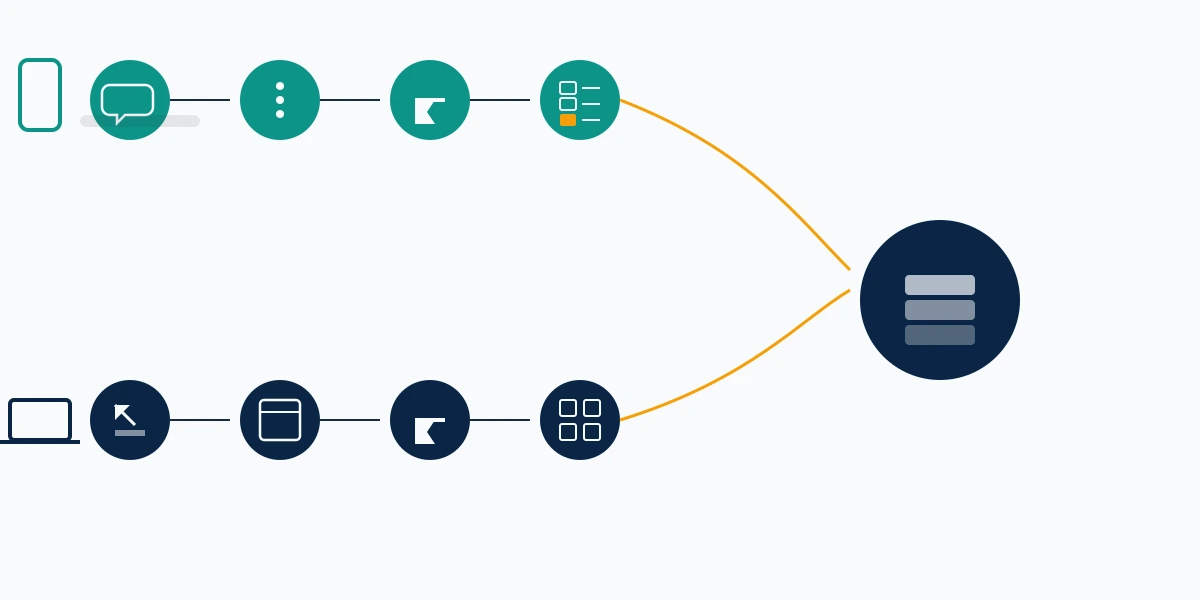
Do both. Report the messages for the content, then report the profile for the account, and you have two records pointing at one operator from two directions.
Capture everything before you touch the report button, because blocking hides the thread and a deleted account takes its message history with it. Screenshot the full conversation rather than the incriminating fragment, first contact included. Save the t.me link and the @username separately, since usernames get changed and recycled within days. Write down dates, amounts and the payment rail used. Searchers arrive at this step asking how to report someone on telegram for scamming and expecting a form; what actually decides the outcome is whether a moderator can reconstruct the sequence without asking you a follow-up question. Our surface-by-surface breakdown of Instagram reporting applies the same discipline on a platform with a far larger review team, and the evidence standard does not drop just because Telegram's queue is thinner.
One caution on the in-app route. It returns no acknowledgement, no case number and no outcome, so you will never learn whether it worked. Treat it as the floor, not the whole effort.
Two questions come up constantly at this point, and both have short answers.
Blocking is not reporting. Blocking stops the messages reaching you and tells Telegram nothing at all. It also hides the thread, which is exactly why the capture step comes first. Report, then block, in that order.
You do not need a Telegram account to file. The in-app routes obviously require one, but the email addresses further down this page work from any browser, and a t.me link is the only reference a reviewer needs to open the case. If you deleted the app partway through a scam, or never had it and are reporting on behalf of a relative who did, forward what was saved and file by email instead.
Can you report a Telegram scammer number?
No. There is no number-based reporting route, and nothing on telegram.org describes one.
That lands badly for a lot of people, so it is worth explaining rather than leaving as a flat refusal. Telegram hides phone numbers by default, and the reporting system is built around usernames, t.me links and specific messages instead. A moderator opening your report needs an object they can act on inside the platform. A phone number is not that object.
The query how to report telegram scammer number usually hides one of two different problems, and they separate cleanly:
- You only have their number. Save the contact, open Telegram, and see whether an account resolves. If one does, you now have a username and a profile, and every route on this page opens up. If none does, Telegram holds nothing to act against, and the report belongs with your telecom carrier or a national fraud line instead.
- They are using your number. That is identity theft rather than a reporting problem, and the exposure runs wider than one app. The equivalent playbook for a personal detail circulating without consent sits in our guide to a photo posted without your permission, where one question decides everything: which platform holds an object it can remove?
Report the account. Mention the number inside the report body as supporting detail. Do not build the case on it.
Scam bots, channels and groups need a different report
A person is rarely the whole operation. Telegram fraud runs through investment channels posting fabricated profit screenshots, bots impersonating exchange support, and groups seeded with accounts that exist only to vouch for the scammer.
Report each surface on its own terms. Channels and groups are reported from their profile page through the same overflow menu. Individual posts inside a channel get their own report, and that distinction matters more than it sounds: removing one fraudulent post is a far smaller ask than removing a channel with forty thousand subscribers, and the smaller ask is the one that gets granted. People searching telegram report scam and expecting a single universal button miss this entirely.
Bots are reported the same way, from the bot's profile. If the bot or channel is running on your brand, using your logo, your product photography or your written material, a second and stronger route opens. Telegram's FAQ directs copyright complaints about "a bot, channel, sticker set, or other content that is a part of Telegram's public platform" to [email protected], a separate queue from general abuse. A copyright claim carries a legal obligation to respond. A fraud complaint does not.
That asymmetry is the practical lesson of how to report telegram scams at any scale: pick the route where the platform owes you an answer. Marketplace fraud behaves the same way elsewhere, which is why reporting a TikTok Shop seller succeeds through the commerce channel rather than the general one.
@NoToScam, abuse@ and dmca@: which mailbox takes which case
Telegram runs several intake routes, and almost every competing guide mentions one of them. Sending a case to the wrong queue costs a full cycle.
| Route | What it takes | Notes |
|---|---|---|
| @NoToScam | Scam accounts and impersonators | Named directly in Telegram's FAQ: "If a scammer is pretending to be you, contact @NoToScam." Open the result carrying the verified badge, since the handle attracts copycats. |
| [email protected] | Illegal content and takedowns | Telegram calls it an "automated takedown email address." Include t.me links or it cannot be actioned. |
| [email protected] | Copyright on public channels, bots and sticker sets | The strongest route when the scammer is reusing your material. |
| [email protected] | Child sexual abuse material | Listed here only so it is never used for anything else. |
| Telegram's EU DSA form | Illegal-content notices from EU users | A statutory queue, separate from the abuse mailbox, described on Telegram's EU guidance page. |
The bot route is where most scam cases belong, and it has one property the in-app button lacks: it replies. That single difference is why we route client cases through it first. In our casework the reports that come back with action almost always share one property, and it is not urgency or word count. It is a third party in the thread. A report showing the scammer running the same script on someone else converts a personal grievance into a pattern, and patterns are what automated triage is built to find.
Anyone searching report telegram scammer online, report telegram scams online or how to report a telegram scammer online wants a route that runs from a browser with no app open. The email addresses are it. Keep the message short: what happened, in one sentence; the t.me link; the username; the dates and amounts; the clause you are citing. Open with the links, not with the story. A moderation queue sorts on extractable facts, and an email whose first screen is emotion buries the detail a reviewer needs. The credentials behind that judgement sit on our team page, and the discipline is the one we apply to every platform we file against.
Expect a different clock on each route. The in-app button gives you nothing to measure, because it produces no receipt. The bot replies, and in our casework a human response usually lands within one to two weeks when it lands at all. Email sits in between and is the least predictable of the three, though a notice carrying a legal hook moves faster than one asking for goodwill. None of these are service-level agreements. Telegram publishes no target response time for abuse reports, and anyone quoting you a fixed turnaround for a Telegram takedown has invented the number.
One habit worth keeping: submit a telegram scammer report once, then wait. Refiling the same notice within days achieves nothing, and Telegram has stated it may suspend processing for anyone repeatedly filing unfounded reports.
Where to report a Telegram scammer once money has moved
Here the page stops being about Telegram. If funds left your account, the platform report is the least time-critical thing you will do today.
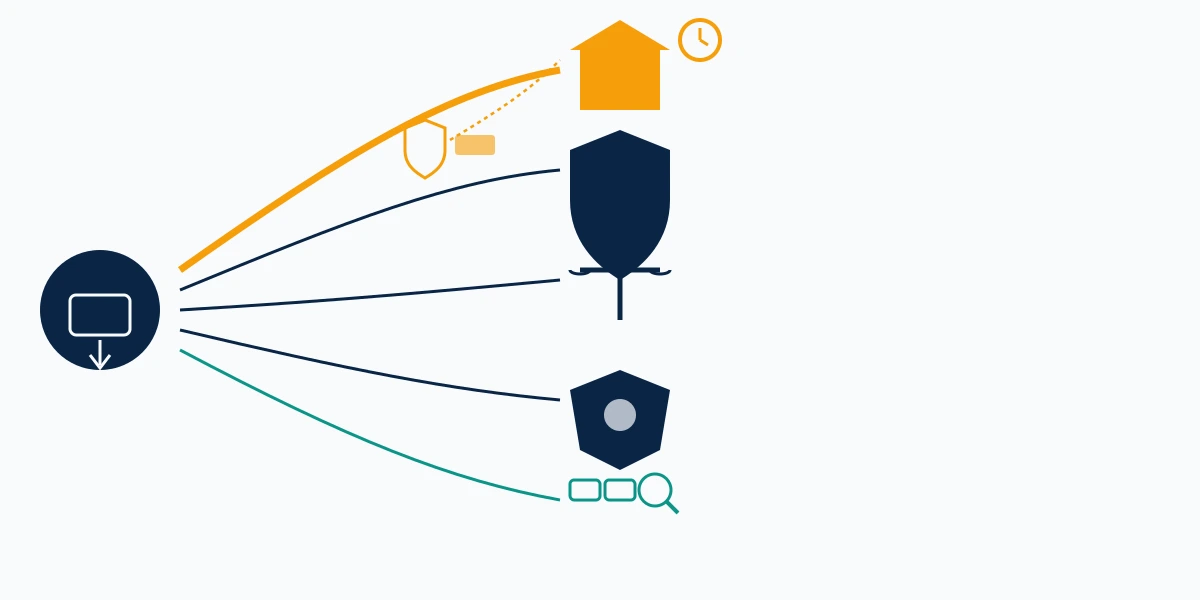
Your bank, card issuer or payment app, today. Card payments carry chargeback rights. Bank transfers, gift cards, peer-to-peer apps and crypto mostly do not, and speed is the only variable still under your control. Call before you finish reading this.
The FBI's Internet Crime Complaint Center, if you are in the United States. File here first when money moved, especially by wire or crypto. IC3 feeds a Recovery Asset Team that can trigger the Financial Fraud Kill Chain, and its operating criteria are specific rather than aspirational: the transfer must be traceable through US correspondent banks, must generally exceed 50,000 dollars, and must be reported within 72 hours of transmission. Most Telegram scam losses will not clear that bar. File anyway, because the complaint feeds the case data linking your scammer to the operation behind them.
ReportFraud.ftc.gov for the consumer-protection record, and Action Fraud if you are in England, Wales or Northern Ireland. Note the domain: actionfraud.police.uk. Several guides still circulate an actionfraud.org.uk address that no longer resolves.
Chainabuse if crypto was involved, which on Telegram it usually is. Run by TRM Labs, it accepts reports against wallet addresses and shares flagged addresses with investigators. A wallet you report today can surface in someone else's due-diligence check tomorrow.
Your local police, for a reference number. They rarely investigate a low-value cross-border fraud themselves, and the number is still worth having, because it is the standing that converts an ignored notice into one a company must answer.
Searches for how to report telegram fraud, telegram report fraud and where to report telegram scammer complaints almost always mean this ladder rather than the in-app button. Here is the distinction people miss: Telegram can sanction an account, and only these bodies sit anywhere near your money. The same escalation ladder, applied to a different platform, is laid out in our guide to reporting a scammer on Instagram.
Most of what reaches people through Telegram is investment fraud built on weeks of relationship rather than a single trick, which is why the money usually leaves as crypto rather than as a card payment. That changes the routing. A card charge has a chargeback window measured in weeks. A wallet transfer has a trace instead, and a trace only becomes useful to an investigator who already has your report on file, which is the argument for filing even when the amount feels too small to bother anyone with.
If the scam has spilled into your name showing up in searches, a cloned business profile, or an account of yours that has been taken over, tell us what happened and we will tell you honestly whether it is something we can work on.
The second scam that arrives after you report
Within days of posting about a loss, someone will offer to recover it for you.

Recovery fraud is a category with its own economics, and the targeting is deliberate. Victim lists circulate, and a person who has just lost money and been ignored by a platform is the most receptive audience there is. The script barely varies. An unsolicited approach, often on the same app. A claim of a blockchain forensics team, a law-enforcement contact or a recovery licence. An upfront fee, a deadline, and a request for wallet access or a screen-sharing session so they can verify the transaction.
Every element of that is a tell. No legitimate firm cold-contacts fraud victims. No one can reverse a completed crypto transaction. Nobody needs your seed phrase, your password or remote control of your machine to look up a public wallet address, and the request for it is the entire point of the pitch.
Assume any unsolicited recovery offer is the second scam, and check credentials yourself before engaging with anyone.
The same period is when personal details tend to surface, because pressure and doxxing travel together. If yours are being published, the capture-and-file discipline in our guide to reporting doxxing on X transfers unchanged.
While you are tightening things up, reduce what a profiler can reach. Dormant accounts under an old email carry real attack surface and no benefit, and closing them is straightforward whether it is an old Instagram account or an old X account you can no longer log into. Our disclaimer sets out where our own limits sit on all of this, in plain terms.
If the scammer got into an account you own
Reporting is one branch. Losing access is a different one, and it needs a different response.
Your Telegram account
Telegram distinguishes between states that look identical from outside. An account can be limited, frozen or banned, and the route back differs in each case. Start with what a Telegram account recovery actually involves, then read the specifics for an account banned outright. Where a case needs filing rather than self-service, our Telegram account recovery service page sets out what that work covers and, more usefully, what it does not.
A friend's hijacked account
A great many Telegram scams arrive from a name you trust, because the account behind it was taken over first. Tell the person through a channel other than the compromised app. Credential theft rarely stops at one service, and a Meta login often surfaces on Facebook before anywhere else, where the official recovery paths are the fastest route back. When the registered email is gone too, recovering a Facebook account without email access covers the harder version of the same problem.
We will never ask for your password or a login code. No legitimate service does, and that single line is the clearest tell across every platform we handle.
Why a telegram scammer report gets closed with nothing
Reports fail in a small number of predictable ways.
The report proved contact, not fraud. A profile that messaged you is not a Terms breach on its own. The ask for money and the promise attached to it are what engage clause one. Screenshots of the pitch beat screenshots of the profile every time.
It went to the wrong queue. Copyright to abuse@, an EU notice to the ordinary mailbox, a scam case sent down the impersonation route. Each misroute costs a full cycle.
It carried no third party. A single complainant reads as a dispute; two unrelated people describing the same script reads as an operation.
It was one of five. Repeat filings from one device inside a day compress into noise. The phrasing people use here scatters wildly, too: some search telegram report scammer, some search how to report telegram scammers, some search how to report a telegram contact as scam artist, and all of it lands on the same handful of routes with the same evidence standard underneath. The words change nothing. The evidence changes everything.
One worry worth retiring before you file: the scammer does not learn who reported them. Telegram does not surface reporter identity to a reported account, which puts it in line with most major platforms, and nothing in the flow asks your permission to share it. That holds for the in-app route and the bot alike. If you are reporting someone who knows you personally, the exposure to manage is what you post publicly about the case, not the report.
When a notice is ignored, stop repeating it and refile with standing attached instead. A copyright claim if they are using your images. A DSA notice if you are in the EU. A law-enforcement reference number if money moved. A notice a company is obliged to answer replaces one it is free to ignore, and that substitution is the whole art of how to report telegram scammer accounts successfully.
Two things we will not do, and nor should anyone you hire. We do not mass-report, because coordinated reporting is itself actionable. And we do not recover stolen funds or cryptocurrency, on Telegram or anywhere else. That work does not exist as a legitimate service, whatever the marketing around it claims.
What we do handle is narrower and real: takedown filing when a scammer is trading on your name or brand, and account recovery when yours is the account that was taken. Our services page sets out both, and our removal work on X shows the same honest division on another platform, where a service files and the platform still decides. We do not guarantee that any Telegram account will be removed. Nobody can, and anyone quoting you a guaranteed ban or a 24-hour takedown is selling something they cannot deliver. The full limits are in our disclaimer, and if you want a straight answer about your own case, ask us.