What does a remove fake reviews service actually do?
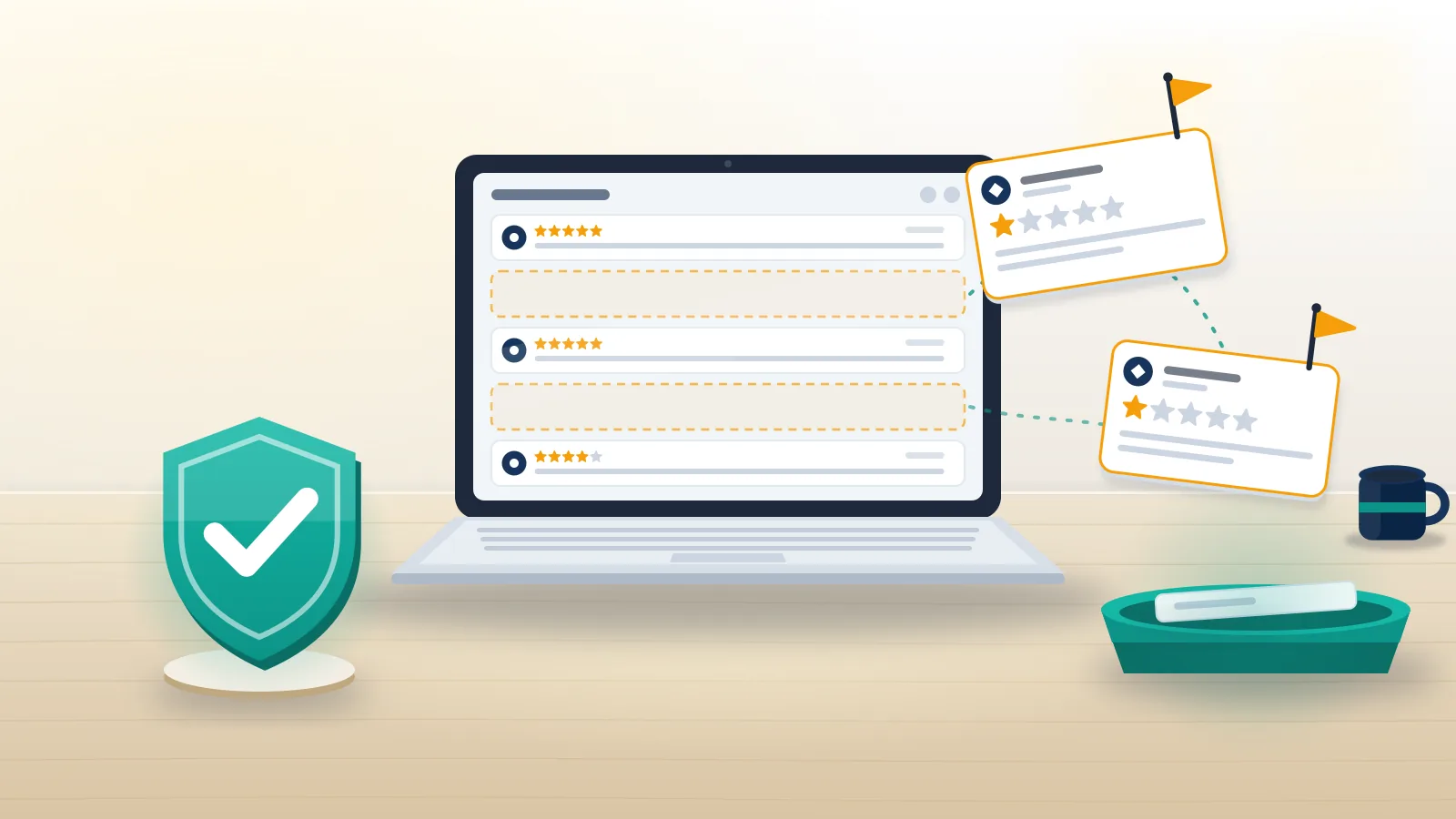
A remove fake reviews service builds the case that a review breaks platform policy and files it; the platform decides.
No outside company holds a delete button on Google, Trustpilot, Glassdoor or the Better Business Bureau. What it can do is read each suspicious review against the host's written rules, collect proof that the reviewer was never a customer or has a conflict of interest, and submit that proof through the owner tools each platform provides. Moderators at that platform then accept or reject the report. Search terms like "delete fake reviews service" and "erase fake reviews service" describe the same job with a different verb, and the outcome is the same either way: a review comes down only when it violates a rule that the platform itself enforces. Reviews written by real customers who had a bad experience fall outside that rule set, however unfair the tone, so any firm that promises to remove honest criticism is selling something the platforms do not offer.
Your Reputation Solution is an online reputation and account-recovery firm that audits suspect reviews, maps each one to the clause it breaks and files the report through the business owner's own account.
Platform enforcement is never one-size-fits-all. Sellers fighting counterfeit listings would report ebay seller selling fakes through eBay's tools, while review fraud runs through review-host policies.
Fake reviews often come from the same networks that run other scams, which is why our guide on how to report fraud on tiktok covers similar account patterns.
Impersonation is part of the picture too. Twitch handles it under its own rules, as the twitch report impersonation route shows. Glassdoor treats a fake employee account the same way, and so does Trustpilot when one person posts under several names.
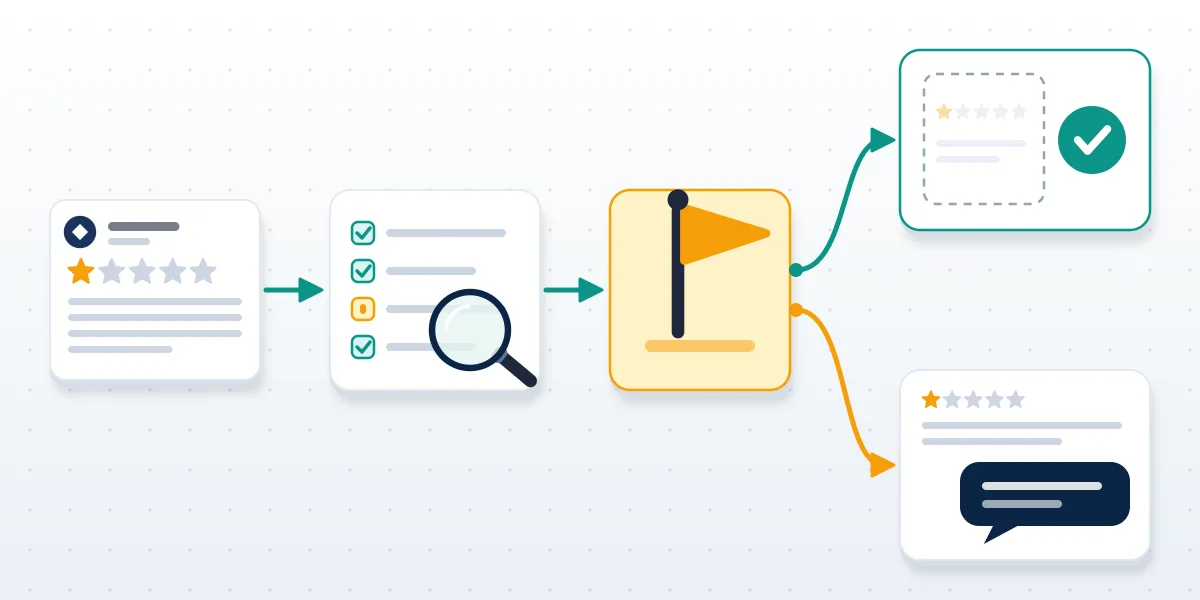
In practice, the first job is triage rather than reporting. When a business owner sends a list of thirty bad reviews, Your Reputation Solution sorts them into three piles: reviews with a clear policy breach and evidence to match, reviews that look fake but lack proof yet, and reviews from real customers that need a public reply instead. Only the first pile is filed straight away. Pile two waits for customer-record checks, timestamps and profile history, because a report sent without proof is usually marked as no violation on Google and cannot simply be resent.
Which fake reviews can a platform delete?
Platforms delete reviews that are fake, conflicted, off-topic, abusive or that expose private data, not reviews that are merely negative.
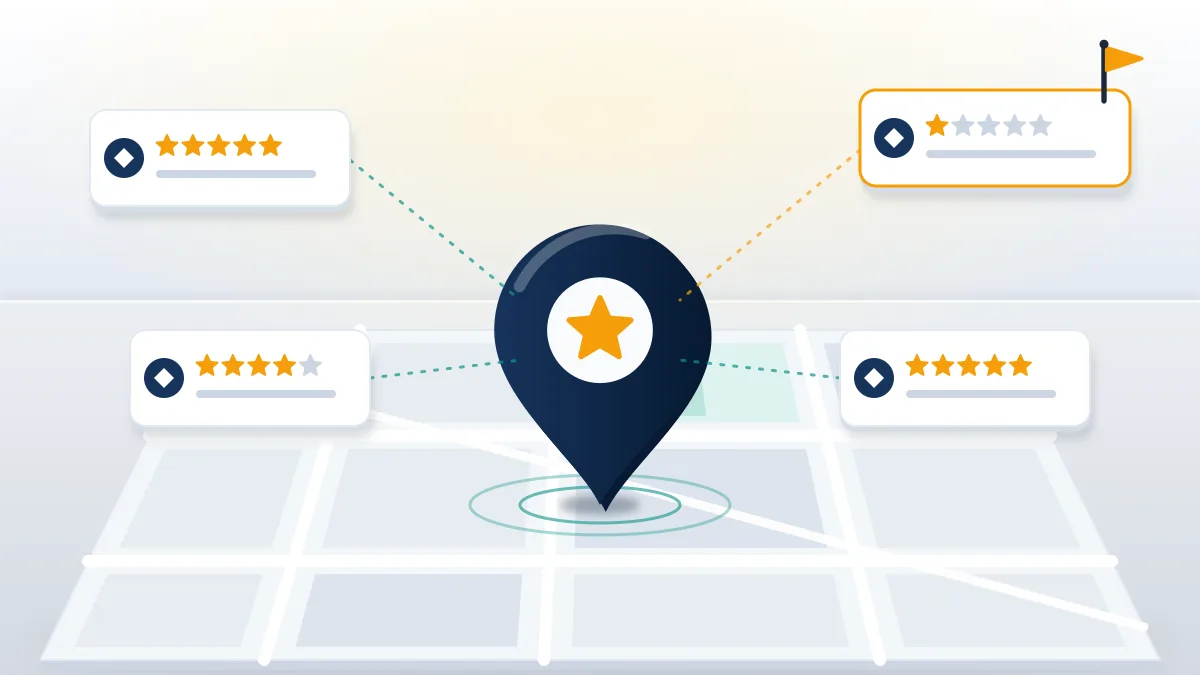
Every review host publishes its own list, and the four that matter most to US businesses overlap more than they differ. Google's contribution policy states that fake engagement is not allowed and will be removed, and it names conflicts of interest, such as an owner reviewing a competitor or staff reviewing their employer, as a separate violation. Trustpilot asks businesses to flag reviews that are not based on a genuine experience, that are harmful or defamatory, or that are spam, and it says disagreeing with a negative review is not a valid reason. Glassdoor applies community guidelines written for employees, so a review must come from someone describing their own work at that company. At the BBB, only reviews tied to a real interaction get published, which makes customer-record mismatches the strongest ground there. Across all four, the decisive evidence is the same: proof that the reviewer had no relationship with the business, or proof that the text breaks a named content rule.
| Platform | Strongest removal grounds | Owner tool | Second chance |
|---|---|---|---|
| Fake engagement, conflict of interest, off-topic, harassment | Business Profile or Reviews Management Tool | One appeal, up to 10 reviews | |
| Trustpilot | No genuine experience, harmful, spam | Business app flag | Content Integrity review |
| Glassdoor | Not a current or former employee, personal attacks | Employer flag | Glassdoor's discretion |
| BBB | No verifiable interaction, prohibited content | Business response and dispute | Evidence-based recheck |
Before anything is filed, Your Reputation Solution checks each flagged review against these grounds, because a report that cites the wrong clause wastes the attempt.
Short-term behaviour patterns help prove fakery. Clusters of reviews from accounts that also post elsewhere in bursts look much like the activity a shadow ban checker twitter is built to surface on X.
Sometimes the reviewer's account disappears before moderation ends. Platforms purge some idle profiles on their own schedule, as the answer to does twitter delete unused accounts shows, so screenshot first.
Account-level enforcement works the same way, since Instagram moderators judge how to tell if your instagram account is banned against written rules, and review hosts judge reviews against theirs.
How do you remove fake Google reviews without burning the one appeal?
Report each review once with the right reason, keep evidence ready, and save the single appeal for reviews with the strongest proof.
Google's owner flow starts in the Business Profile: open Read reviews, choose Report review, pick the reason and send it. Google's review reporting help page says a report can take several days to evaluate, and its Reviews Management Tool, which merchants in the European Economic Area must use, shows a status for each report: Decision pending, Escalated, or Report reviewed with no policy violation. That last status opens an appeal, and the appeal is a one-time request that covers up to 10 reviews. Because of that limit, the order of work matters. File the first round with precise reasons, wait for the statuses, and appeal only the reviews where you can show a customer-record mismatch, a competitor or employee link, or a burst of reviews from new accounts. That same page warns owners not to report a review just because they disagree with it, and reports that ignore that warning tend to be marked as no violation, which then counts against the appeal.
People searching "delete fake google reviews service", "erase fake google reviews service" or "remove fake google reviews service" usually need this sequencing more than any secret channel.
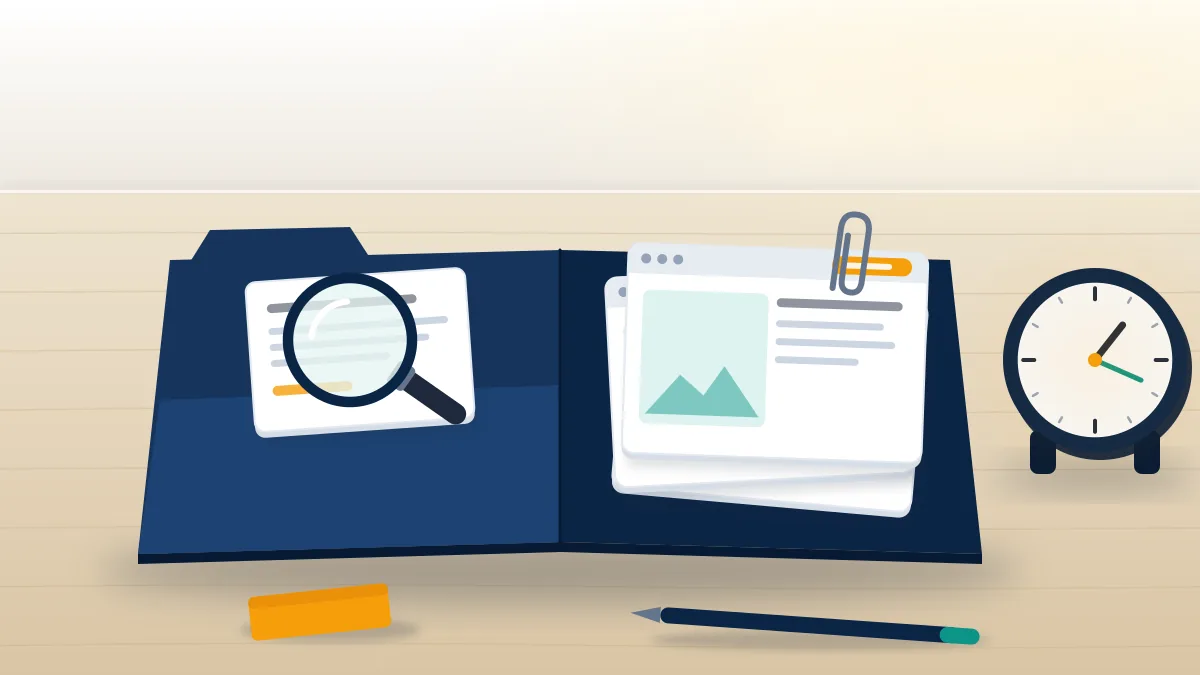
When Your Reputation Solution prepares a Google case, the file holds a dated screenshot of each review, the reviewer's public profile, and a line from the customer system showing no matching order or visit.
Support queues on other platforms behave the same way. Waiting on Google feels like asking how long does x support take to respond, and the lesson is the same: one clear ticket beats five vague ones.
Some owners worry the reviewer will learn who flagged them. Google keeps reports private, much as YouTube explains in what happens if you report a video on youtube.
Can a service delete fake Trustpilot or Glassdoor reviews?
It can flag them with evidence; Trustpilot and Glassdoor moderators decide, and neither removes honest reviews on request or for payment.
Trustpilot removed 4.5 million fake reviews in 2024, 7.4% of all reviews submitted that year, and about 90% of those were caught automatically, according to its Trust Report 2025. Everything else came from flags raised by businesses and consumers and from manual investigations, which is where a well-built report earns its place. Businesses flag a review from their Trustpilot account and pick a ground: not based on a genuine experience, harmful or illegal, or advertising and spam. While Trustpilot's Content Integrity team checks it, the review is usually hidden, and the reviewer can be asked for proof of purchase. If that proof never arrives, the review stays down. Searchers type "delete fake trustpilot reviews service", "erase fake trustpilot reviews service" or "remove fake trustpilot reviews service", but the lever behind all three is the same documented flag.
Trustpilot cases turn on purchase records. For each flagged review, Your Reputation Solution searches the client's order system by the reviewer's display name, email domain, location and review date, then writes the flag around what that search found or failed to find.
On Glassdoor, the pressure comes from the employee side. The searches "delete fake glassdoor reviews service", "erase fake glassdoor reviews service" and "remove fake glassdoor reviews service" usually come from employers who suspect a competitor or someone who never worked there.

Employers flag a review from their Glassdoor employer account and explain which community guideline it breaks. Glassdoor decides at its discretion, does not tell the reviewer who flagged them, and keeps reviews that describe a real job even when they are harsh. What a service can do is show that a reviewer never held the stated role or location; it cannot unmask anonymous employees, and it should not try.
Employers can also post a public response under any Glassdoor review, which is often the better move when the criticism is genuine. A short, factual reply that names what changed since the review was written reads better to candidates than silence, and it stays attached to the review whatever happens to a flag. Avoid arguing about who the reviewer might be, because guessing at identities in public can breach the guidelines and alarm current staff. For reviews that look coordinated, such as several posts in one week describing a department that does not exist, flag each one separately and cite the same internal headcount evidence in every flag.
Employer branding overlaps with account trouble. Staff whose profiles vanish ask does instagram delete deactivated accounts, and departed staff reviews follow similar logic.
When a fake review accompanies a hacked company channel, recovery comes first. Our page on a youtube account hacked case covers that order.
Not sure which of your reviews qualify? Your Reputation Solution reads every flagged review against the platform's own policy before anything is filed. Get a free review audit and see which reports are worth making. Nothing is filed without your sign-off.
What does it take to erase fake BBB reviews?
Prove there was no real customer interaction; the BBB publishes reviews tied to verified people, so a record mismatch is the main lever.
The Better Business Bureau runs reviews differently from Google or Trustpilot. Reviewers must identify themselves to the BBB, anonymous reviews are not accepted, and customer reviews do not feed into the letter-grade BBB Rating, which surprises many owners who assume a bad review lowers their grade. Businesses can respond publicly and can tell the BBB that the reviewer was never a customer; the bureau then asks for supporting detail before it decides whether the review stays. That makes the evidence file narrower than on other platforms: order and invoice searches by the reviewer's name, email and date, booking logs, and any prior complaint on the same matter. Reviewers can also retract their own reviews. Owners who search "erase fake bbb reviews service", "delete fake bbb reviews service" or "remove fake bbb reviews service" should expect a slower, more documentary process than Google's report button, and local bureaus apply the guidelines with some variation, so confirm the rules with your own bureau before filing.
For BBB files, Your Reputation Solution prepares the record search and the written response; the bureau, not the firm, rules on publication. Expect the exchange to take longer than a Google report, since the bureau may contact the reviewer and wait for an answer before deciding.
Identity problems echo across platforms. Losing a business number resembles working out how to recover telegram banned phone number access: the platform wants proof of who you are.
Handles get spoofed as well, since fake review profiles often copy names checked through telegram username availability tools, then pose as staff.
Scarce names attract impostors. Sellers pushing og tiktok usernames for sale use the same fake-proof tricks as review sellers.
Where does fake reviews brand protection cross the legal line?
It crosses the line when a business buys reviews, offers incentives for positive ones, or pressures honest reviewers to delete negative ones.

The FTC's Rule on the Use of Consumer Reviews and Testimonials, 16 CFR Part 465, took effect on October 21, 2024. According to the FTC's rule Q&A, it bans writing, buying or selling fake reviews, incentives conditioned on positive sentiment, undisclosed insider reviews, and review suppression through intimidation, unfounded legal threats or false accusations. Civil penalties exceeded $53,000 per violation after the FTC's 2025 inflation adjustment. In the UK, the Digital Markets, Competition and Consumers Act 2024 banned commissioning fake reviews and offering services that facilitate them from 6 April 2025. Real fake reviews brand protection therefore has two halves: monitoring and reporting reviews that break platform rules, and keeping your own hands clean. A vendor that offers to bury a bad review under bought five-star ones, or to send threatening letters to honest customers, exposes the business to the very penalties the rule created. Regulators have already used the rule: the FTC sent warning letters to companies over suspected review violations in December 2025.
Your Reputation Solution will not buy reviews, will not threaten reviewers and never asks for your Google or Trustpilot password; delegated manager access is enough. Read the service limits on our disclaimer page before you hire anyone.
Scam vendors trade in scarcity. Promises about tiktok rare usernames or a telegram username auction follow the same guaranteed-result script as review-removal sellers.
Recovery scams use that script too: the Twitter X account recovery scams we document promise access in hours, and fake review sellers promise deletion in days.
Legitimate recovery work states its limits. Pages on how to recover twitter account access or hire someone to recover youtube account access describe the official forms first, then the cases where those forms fail.
Watch for the extortion pattern as well. Some owners receive a wave of one-star reviews followed by a message offering to remove them for a fee, and paying rewards the attack while proving nothing to the platform. Report the reviews and the message together, since the demand itself is evidence of fake engagement.
Mass-flagging is a trap. Services selling report floods resemble pitches for how to get someone banned on youtube, and duplicate reports add no weight.
Platform penalties can hit the brand itself, because any youtube account terminated for spam takes its reviews and history with it, and any takedown video youtube request works through policy, not payment.
Copyright claims are another lever owners misuse: knowing what is a copyright claim on tiktok helps, but a false claim against a reviewer's video is review suppression.
Deleted pages raise questions about lost proof. If a channel you used for testimonials is gone, check how to restore deleted youtube channel steps before rebuilding. Old testimonial videos are often the only dated record of real customers.
Social accounts carry the brand as well. An ig account suspended for no reason or a profile that ends up banned on instagram loses the audience that would answer a fake review.