
What does a takedown service actually do?
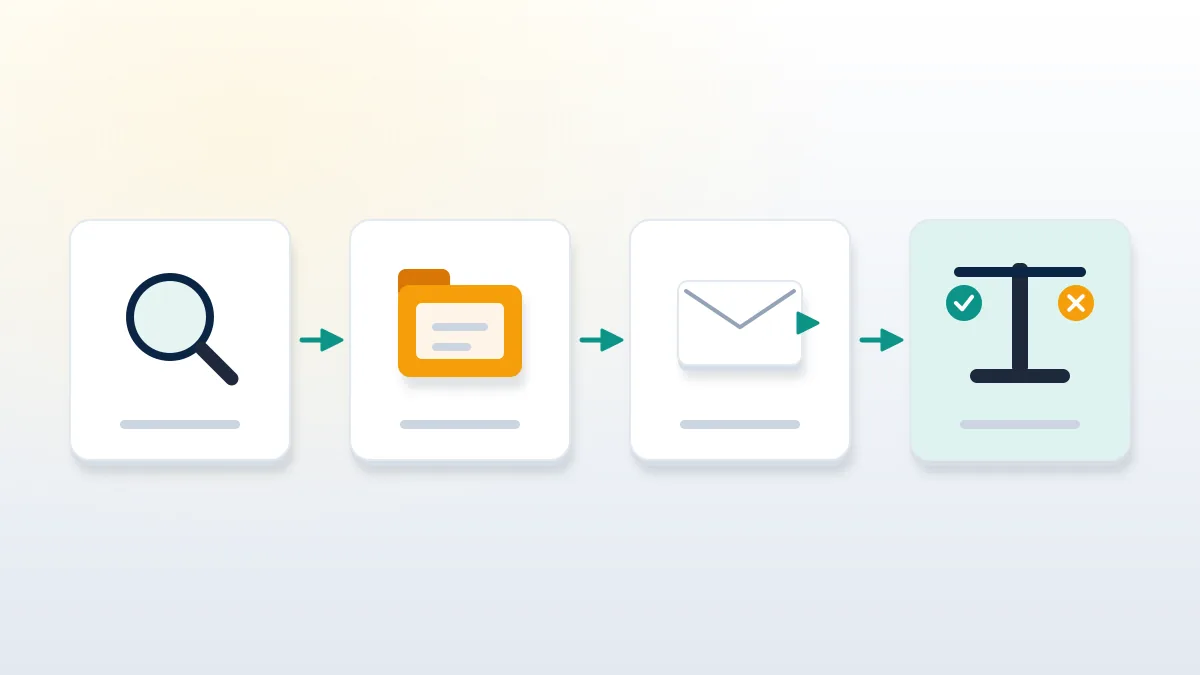
A takedown service finds content or accounts that break a platform's rules or the law, then files the report that gets them removed. The work has three parts: locating every copy, proving who holds the right being abused, and choosing the form the platform will accept. Nothing gets deleted by the service itself. Meta, YouTube or TikTok makes that call, which is why a serious content takedown service sells preparation and persistence, not outcomes. Impersonation is the most common brief today: a cloned Instagram profile selling fake stock, a Facebook Page borrowing a clinic's logo, a deepfake video of a founder pitching crypto. Search results and news articles are a different job with different rules, and the guide to how an internet content removal service works covers that side. Here the focus stays on fake accounts and the reports that close them.
Two kinds of client call for this. Individuals arrive after a stranger copied their photos, opened a look-alike profile and started messaging their friends for money. Businesses arrive when fake shops, fake support accounts or fake recruiters trade on a name they spent years building. The paperwork differs, since a person proves identity with ID while a company proves ownership of a mark, yet the logic is identical: show who you are, show the copy, cite the rule.
Your Reputation Solution is a content-removal and account-recovery firm that documents impersonation, files the matching platform report for the person or brand being copied, and tracks each case to a decision.
Scope matters early. Someone who needs Facebook fake account removal has a different form, and different proof, from a musician filing an Instagram copyright report.
Privacy and court-record problems sit outside this lane too. People trying to remove an arrest from Google or working out how to remove negative info from the internet need search and publisher routes, not an impersonation report.
How does a Meta impersonation report work on Facebook and Instagram?
A Meta impersonation report only counts when it comes from the person being copied or their authorised representative. Facebook's Report an Impostor Account form says so directly, and a friend who files is turned away. Instagram's impersonation help page applies the same rule, asks for a photo of you holding a government-issued ID, and takes one impersonating account per form. Both forms want the fake profile's URL, your real name and a contact email. In-app reporting exists as well (Report, then the option for pretending to be someone else), and Instagram says that report stays anonymous unless it is an intellectual property claim. Brands have a third door. Meta's Brand Rights Protection tool, open to owners of registered trademarks who apply, lets a business search ads, Pages and Instagram accounts and report them for impersonation alone, according to Meta's own announcement.
People type this need a dozen ways, from "report impersonation meta" to "impersonation protection instagram facebook", and every version lands on those same forms. For the personal route, the walkthrough on how to report an Instagram account that is impersonating me goes field by field, and stolen pictures can also go through report a photo on Instagram.

Logos change the route: fake shops using a registered mark belong on the Instagram trademark form, while a copied business Page may qualify for a page takedown on Facebook under the impersonation policy.
When a report stalls, Your Reputation Solution rebuilds the file before resubmitting: clearer ID, the exact profile URL, and proof the real account existed first. Reaching a human reviewer is harder than filing, as the page on Instagram customer services explains.
If the impostor is also harassing your followers, learn how to report cyberbullying on Instagram and file that alongside the identity claim.
Expect a decision, not a conversation. Meta answers reports through the Support Inbox or by email. Rejections we see usually trace back to one of two gaps: the ID did not match the profile being copied, or the fake account showed no clear attempt to deceive. Close that gap, then request another review, because sending the same thin report five times changes nothing.
What does a monitor and takedown service cover day to day?
A monitor and takedown service watches for new fakes on a schedule and files a report each time one appears. One-off removals fail for a simple reason: the impersonator opens a fresh account the same week. Brand impersonation monitoring on Facebook and Instagram means repeated searches for the brand name, common misspellings, the logo, the founder's photos and paid ads that borrow all four. Every hit gets logged with a URL, a screenshot, the date first seen and the rule it breaks. Then comes triage. Scam ads and fake shops go first because money is leaving customers' pockets, parody and fan accounts usually stay because platforms allow them when labelled, and borderline cases wait for more evidence. Reports follow the log, one account per form where Meta requires it. Good services also close the loop by rechecking each URL, recording the platform's answer and requesting another review when a clear impostor survives the first pass.
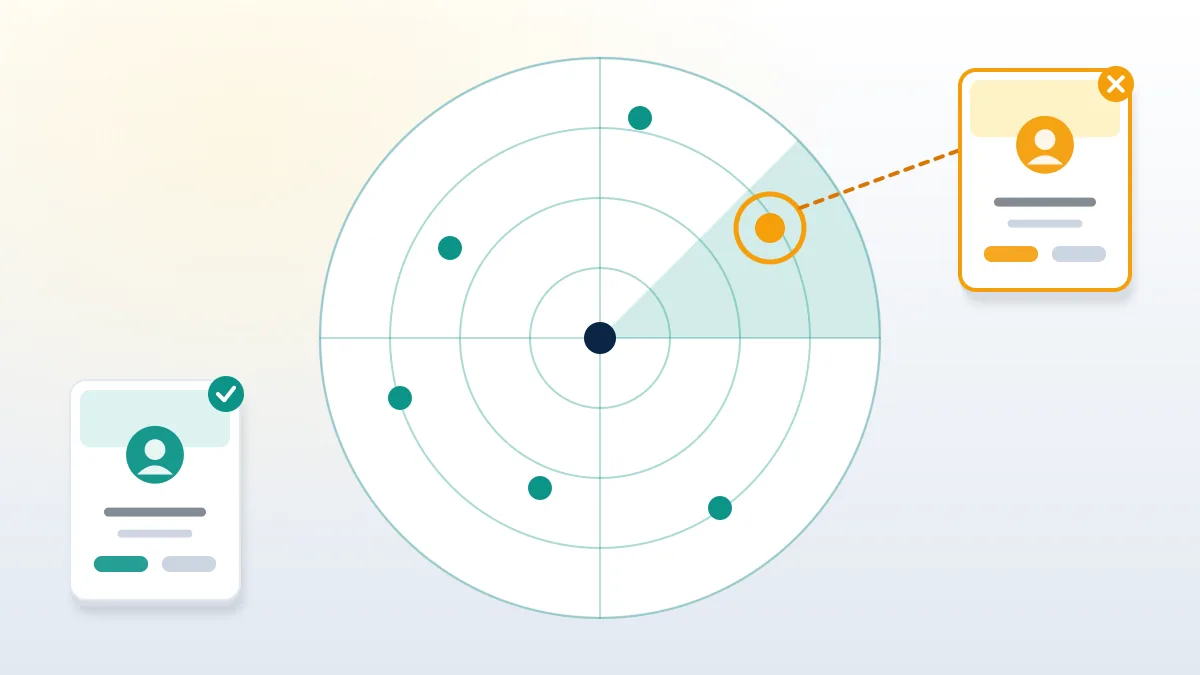
In practice, when Your Reputation Solution runs monitoring for a client, the log matters more than the reports, because a dated record of twelve cloned profiles persuades a reviewer faster than one angry complaint.
Fakes rarely stay on one app. Telegram clones follow Instagram ones, so the same file should show how to report impersonation on Telegram, and X needs its own claim through how to report Twitter impersonation.

Extortion changes the order of work. An impostor who threatens to post private images is committing a crime. In that case report blackmail on Instagram first, and use the steps under how do I report someone on Snapchat if the threats moved there.
Sometimes the fake appears because the real account was hijacked. Recovery then comes before any takedown: check whether a hacked YouTube account recovery service fits, and read up on TikTok account recovery service cost before paying anyone.
Which routes handle deepfakes on Facebook, YouTube and TikTok?
Each platform runs its own impersonation form, so a deepfake posted in three places needs three separate reports. Searches such as "report facebook youtube tiktok" and "deepfake impersonation fake account takedown monitoring services" assume one button exists. It doesn't. YouTube's impersonation policy bans channels that copy another person's or channel's branding, names AI-generated copies of a voice or likeness, and sends victims to a dedicated impersonation form. TikTok's impersonation help page offers an in-app path (Report, Report account, Pretending to Be Someone) plus web forms, and the US form asks for valid identification and an electronic signature. Intimate deepfakes have a legal clock as well. Under the Take It Down Act, covered platforms must remove non-consensual intimate imagery, including AI-made forgeries, within 48 hours of a valid request, and the FTC began enforcing that duty on May 19, 2026. Ordinary impersonation has no such deadline.
For the impersonated person, Your Reputation Solution files and escalates these reports; the platform makes the final decision, and no outside firm can overrule it.
Video platforms add detail. Start with how do you report a YouTube channel, and if you worry about retaliation, the answer to if I report a video on YouTube, is it anonymous is reassuring for ordinary flags.
Scam adverts using a cloned face run through the ad system, not the channel report, and the guide on how to report YouTube ads for impersonation shows where that option sits.

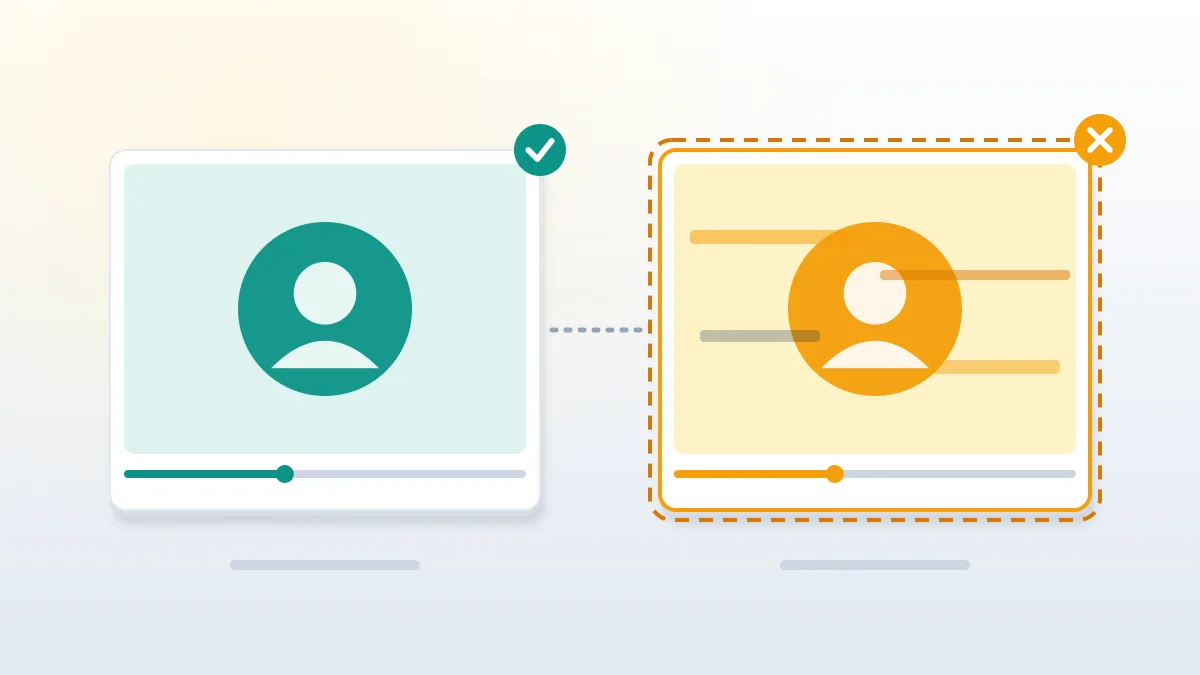
Evidence for a synthetic video needs one extra layer. Save the original footage or photos the fake was built from, note where the real version was first published, and capture the fake's URL, uploader and upload date before reporting, because a removed video can no longer be screenshotted. Reposts count as separate items. List each link on its own line.
Timing differs by platform as well. None of the three publishes a review deadline for ordinary impersonation, so a seller quoting an exact number of days is guessing. Completeness is the part you control: a report with ID, links and a plain description of the deception gets read once, while an incomplete one is bounced back and the queue starts over.
Volume doesn't help. Meta's help pages say the number of reports doesn't determine whether something comes down, and the same holds on X, as people who mass report a Twitter account find out.
Country matters at the edges, since regulators add extra routes in some places, which the guide to removing negative content in Australia sets out for eSafety complaints.
Dealing with a fake account right now? Your Reputation Solution reviews the profile, tells you which report fits, and says so plainly when a case is not removable. Request a free takedown review.
How do you vet a content takedown service before paying?
Ask a content takedown service which form it will file, in whose name, and what happens if the platform says no. Vague answers are the warning. Legitimate work is traceable: you see the evidence log, you approve each report, and the claim goes in under your identity because Meta and TikTok only accept the impersonated party or an authorised representative. Pricing should be tied to effort, such as monitoring hours or accounts documented, never to a promised deletion. Three claims should end the call: guaranteed removal, a fixed number of hours, or "insider contacts" at a platform. So should any request for your password or login codes; filing an impersonation report never requires access to your account. Refunds deserve a question too. Because the decision belongs to the platform, an honest contract says what is owed when a report is rejected and how many resubmissions are included.
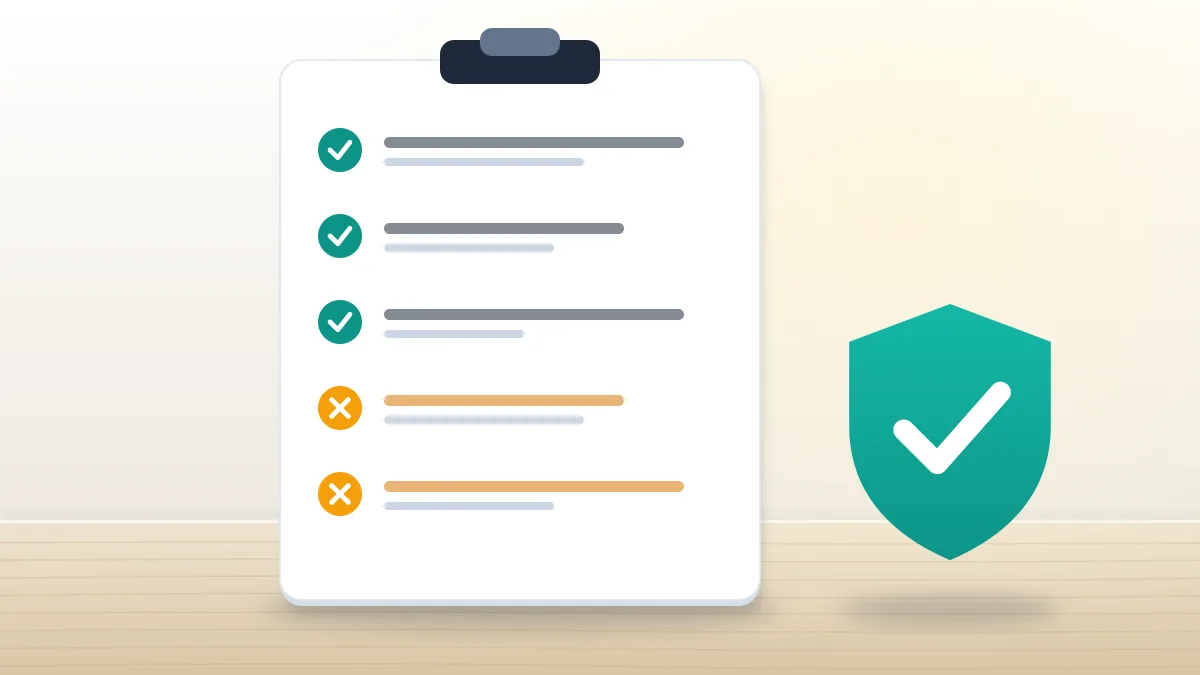
Some jobs get refused. On principle, Your Reputation Solution will not mass-report, file under a false identity, claim a trademark or copyright the client does not own, or target criticism that simply stings; the full disclaimer lists every limit.
Who handles your documents is another fair question. An impersonation claim involves your ID, so ask where the copy is stored, who can open it and when it gets deleted. Instagram's help page says ID submitted through its impersonation form is deleted within 30 days, and a private firm should be able to state its own retention period in writing.
Recovery sellers deserve the same scrutiny as takedown sellers. Before hiring one, read is a Facebook account recovery service legit or a scam and can a service really restore a permanently disabled Instagram account.
Price is a useful tell. Compare any quote against how much to recover a YouTube channel, and treat an Instagram takedown service that bills per "strike" as a red flag.
Start small if you are unsure. One documented report, filed correctly, shows how a provider works before any monitoring contract begins. If the first fake comes down and three more appear, that is the moment a retainer makes sense. If nothing was removable to begin with, a careful provider will have said so before sending an invoice.