
What counts as impersonation on Twitter, and what doesn't
Impersonation on Twitter is an account that presents itself as another person, brand, or organisation in order to deceive. Same display name, same photo, a bio lifted line for line, and no signal anywhere that it is a copy. X files this under its authenticity policy, and the rule turns on deception, not resemblance. An account that borrows your name but puts the word parody at the front of its display name and uses a different profile picture is permitted. An account that borrows your name, your photo, and answers your customers as though it were you is not. That single distinction decides most reports. The account is real, the annoyance is real, and the account is still inside policy, so the report closes with no action and the person who filed it assumes X ignored them.
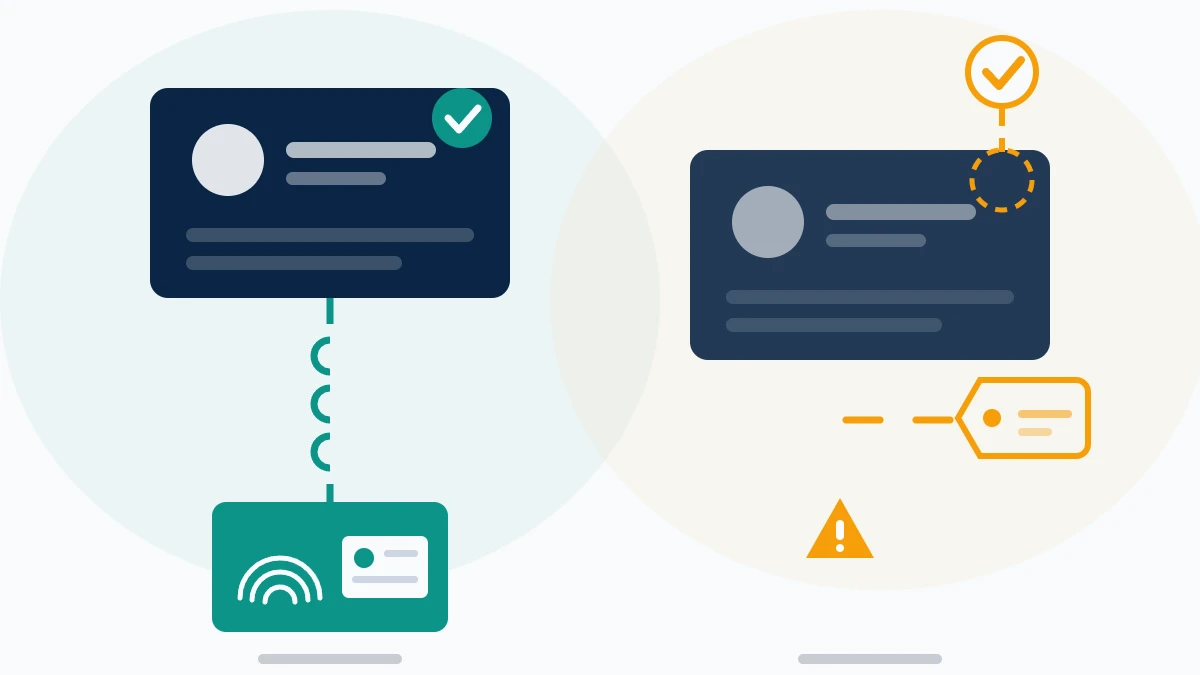
Since spring 2025 the labelling requirement has been stricter than most people realise. A parody, fan, or commentary account has to carry its label at the start of the display name, not buried in the bio, and it cannot reuse the profile image of the account it is imitating. An account that fails either half of that test is reportable even if it calls itself a parody further down the page. The twitter impersonation policy people go looking for is published under that Authenticity heading, and it is worth two minutes before you file, because a report that cites the wrong rule gets triaged as the wrong kind of complaint.
Someone is impersonating me on Twitter — deception or parody?
| What the account is doing | How X reads it | Your route |
|---|---|---|
| Your name and photo, no label, posting as you | Authenticity breach | Impersonation form |
| Your name, parody label at the start, different photo | Permitted | No takedown available |
| Your logo and brand name, soliciting money | Impersonation plus trademark | Trademark form |
| Your photos, but its own identity | Not impersonation | Private media or copyright |
| Sitting on your abandoned handle | Not impersonation | See reclaiming a handle someone else is sitting on |
Read that table honestly. If your case lands in row two, no form will help you, and any service that tells you otherwise is selling something it cannot deliver. If it lands in row one or three you have a clean filing, and how takedowns actually work on X covers the shape of the rest of the process.
Gather this before you open the twitter impersonation report form
Reports fail on missing evidence far more often than on weak merits. X's reviewers are working a queue, and a submission that makes the comparison obvious in one screen gets decided, while one that asks them to go hunting does not. Collect five things before you start. The impersonating account's full URL in the form x.com/handle, copied rather than typed. Your own profile URL, or if you do not use the platform, a link to the website, LinkedIn profile, or company page that establishes who you are. Two or three dated screenshots showing the copied bio, the copied photo, and any message the account has sent while pretending to be you. A government photo ID, because the personal route will ask for one. And a plain sentence naming the harm: customers misdirected, money solicited, a statement attributed to you that you never made.
Google sends people to three different X help pages depending on whether they typed impersonation twitter, twitter report impersonation, report twitter account for impersonation, or how to report twitter impersonation. Only one of those pages ends at the form that asks for ID. That is the one you want.

How to report impersonation on Twitter step by step
There are two routes and they do not go to the same place.
- In-app. Open the impersonating profile, tap the three-dot menu, choose Report, then the option that says they are pretending to be you or someone else. Follow the prompts and submit. Fast, no ID required, and the right choice for an obvious clone with three followers.
- The dedicated web form. Go to X's impersonation report form, select whether you are reporting for yourself or for someone you represent, paste both profile URLs, upload your ID, and describe the harm in the free-text box. X accepts these from people who have no account of their own, which matters when the person being copied left the platform years ago.
- Confirm the case email. X sends a reference to the address you gave. Reply to that thread with anything new, rather than opening a second report.
Use the web form whenever money, a customer, or a public statement is involved. The in-app button is a volume tool; the form is a case file, and only the case file collects identification. If you report a Twitter account for impersonation and it keeps posting while the review runs, block it, warn the people it is contacting, and keep collecting, because a message the fake account sends after your filing date is the single most useful thing you can add to an appeal. Do not open a second report to hurry things along. Getting the fake posts pulled is a separate question from getting the profile suspended, and report impersonation on Twitter to remove the posts covers what X will and will not delete.
What happens after you file, and how long X takes
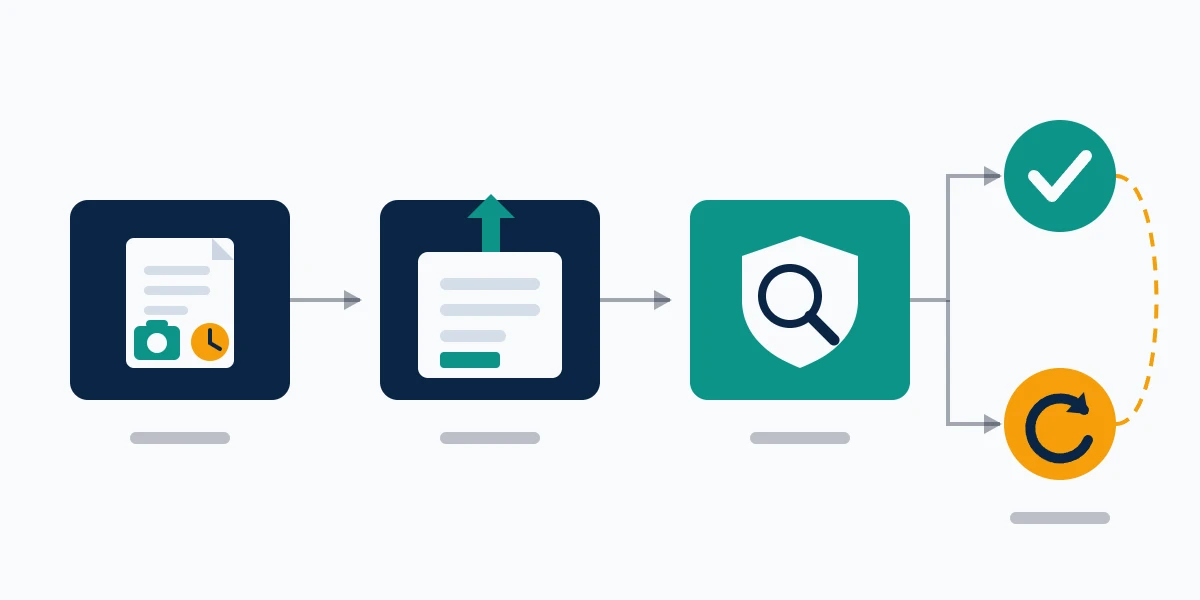
A submitted report enters triage, gets matched against the authenticity policy, and comes back as one of three outcomes: suspension, an order to change the name and photo, or no action. Across the X impersonation cases our team filed for clients between September 2025 and July 2026 (n=118, our internal records as of August 2026), the median first substantive response landed on day four, with a long tail: roughly one in six sat past two weeks. Personal impersonation with a clean ID match resolves fastest. Brand cases without a registered trademark are the slowest, because the reviewer has to judge ownership rather than verify it.
A rejection is not the end. Reply to the case email naming the specific rule the account breaks, attach one new piece of evidence, and state plainly that the account carries no parody label. Vague escalation reads as pressure. A named rule plus a dated screenshot reads as a case.
Was your own account suspended for impersonation?
Different problem, different door. If twitter account suspended for impersonation is the phrase that brought you here, nothing above applies: you need the appeal path, not the report path, and our appeal playbook for a suspended X account covers it. We prepare appeals. We do not overturn enforcement decisions X has already made, and nobody honest will tell you they can.
Not sure whether your case is a policy breach or protected parody? Send us the impersonating profile and we will tell you which route it belongs in, and whether you need us at all. No password, no account access, no fee for the first read.
Twitter blue impersonation and the paid-checkmark problem
For a fortnight in November 2022, eight dollars bought a blue tick and, with it, the look of legitimacy. A verified account posing as Eli Lilly announced that insulin was now free, the company's share price fell, and the story led the evening news. Fake Nintendo, fake Tesla, fake LeBron followed within days. The listicles that still rank for best twitter impersonations, and the twitter impersonation memes archives alongside them, are museum pieces from exactly that fortnight, and they are why twitter blue impersonation remains a live search almost four years later. The lesson most people took from it was the wrong one. The problem was never the badge. It was that a paid badge briefly became indistinguishable from an identity check, and nobody scrolling a timeline could tell which one they were looking at.
The mechanics have tightened since. A checkmark now signals an active subscription rather than a verified identity, ID-based verification has been available to Premium subscribers since 2023, and the badge offers no protection to an account found impersonating: it is removed along with the profile. So do not let the tick stop you filing. A verified impersonator is reportable on exactly the same grounds as any other, and in our cases the paid ones have resolved slightly faster, most likely because there is a billing identity attached at the other end.
Twitter brand impersonation and the trademark route
Twitter brand impersonation is a different filing from personal impersonation, and companies lose weeks by using the wrong one. If a fake account uses your company name, logo, or product marks in a way that suggests it is you, the stronger claim is trademark rather than identity, and X runs a separate trademark policy and report route for exactly that. A registration number turns the reviewer's job from judgement into verification, which is why registered marks move faster than unregistered ones. With no registration you still file, but through the impersonation form, leading with proof of commercial use: your website, your verified presence elsewhere, invoices, a press mention.
Three things are worth doing the same afternoon. Post a short notice from your real account naming the fake handle, so customers who search find your correction sitting next to it. Brief whoever answers your support inbox on what the fake account is asking people for. And if it is selling anything, capture the payment details it publishes, because a fraud signal escalates faster than an authenticity one. Our Twitter brand impersonation removal options breakdown ranks the five available routes by how often each one actually lands.
Paid takedown offers, mass report bots, and other dead ends
Search this topic for ten minutes and something will offer you guaranteed removal inside 24 hours for a flat fee. It does not exist. No agency, ours included, holds a back channel into X's authenticity queue. Every case goes through the same form and the same reviewers, and the decision belongs to X. What a legitimate service sells is preparation, meaning the right route, the right evidence, and an appeal that cites a rule instead of complaining, plus an honest read on the odds. We do not guarantee removal, we never ask for your password or a one-time code, and we do not file reports against accounts that have broken no rule. The limits on Twitter impersonation takedowns we work inside are written down.
Mass-report tools are the other trap. They are sold as a way to force a suspension through sheer volume, and they push in the opposite direction: X weighs whether a policy was broken, not how many people said so, and coordinated reporting is itself a rule breach. That is why our team refuses mass-report work, and it is worth reading what a paid X removal service can actually remove before anyone takes your money.
One piece of prevention, since most impersonation starts with an abandoned profile. An old account you no longer check is the easiest thing in the world to clone, and closing an old account you cannot log into removes the raw material. If the same person is copying you across platforms, and they usually are, the Meta-side version of this guide covers the four routes Instagram accepts.