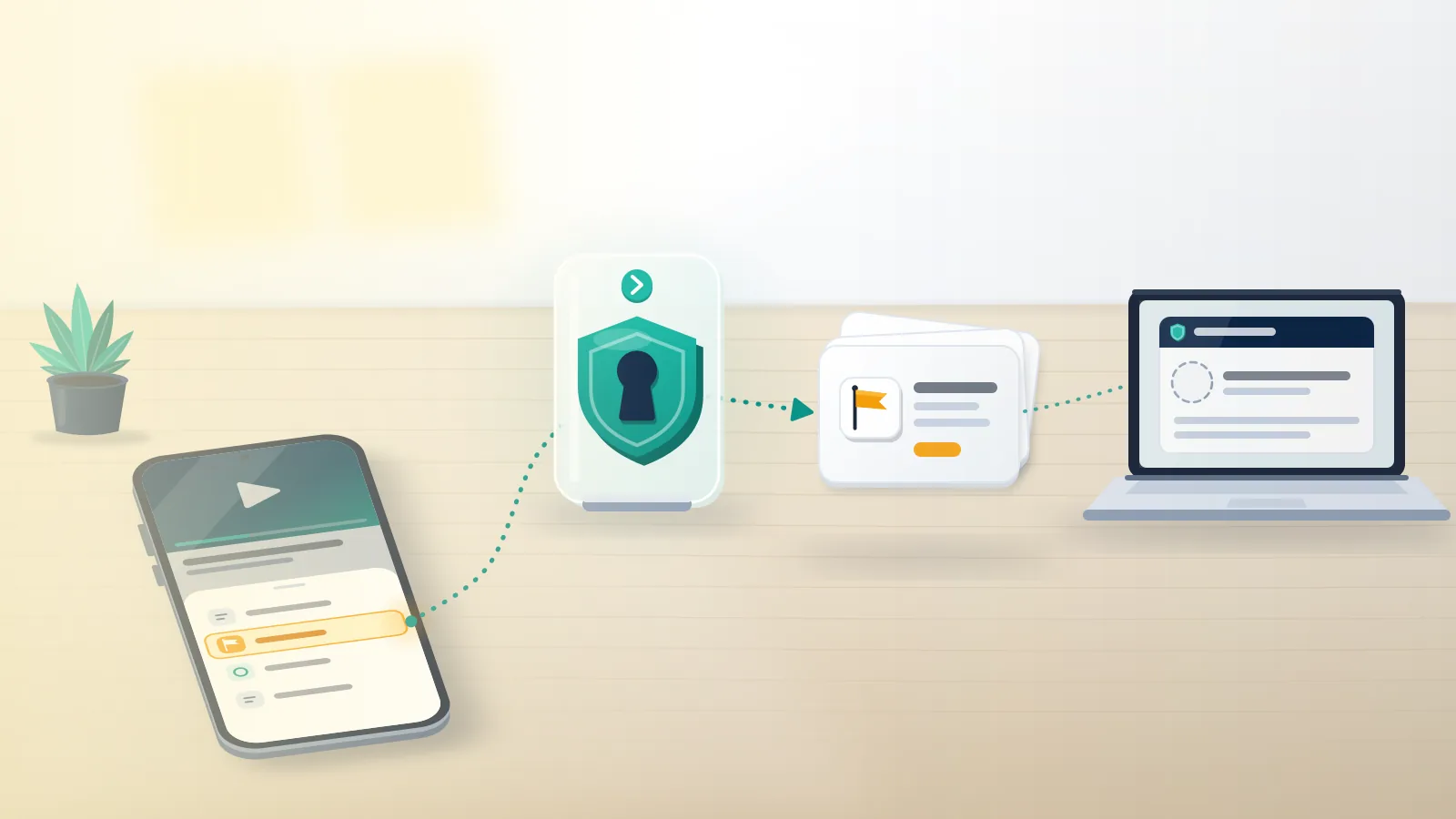
Will the person you reported on YouTube find out it was you?
No. YouTube says reporting is anonymous, and nothing the uploader receives has a field for who flagged the video, comment or channel.
Every report on YouTube is a note to the review queue, not a message to the creator. Your flag stores your account, the reason you picked and, on a video, the timestamp you marked, and none of that is forwarded. If a reviewer confirms a breach, the uploader gets an email naming the removed content, the policy it broke, the effect on the channel and the next steps. That notice reads the same whether one viewer flagged the video, two hundred did, or YouTube's own systems caught it first, so it gives a creator nothing to trace. YouTube's reporting help page puts it plainly: other users can't tell who made the report, and reported content is not taken down automatically. Searches like "if you report someone on YouTube will they know" and "if you report someone on YouTube is it anonymous" get a short answer from the platform side. What can still give you away is context, covered two sections down.
Your Reputation Solution is an account recovery and online reputation firm that helps people use the official report and appeal channels on YouTube and the other large platforms. That work begins on YouTube with the same anonymous flag any viewer can send.
Meta and TikTok treat reporter identity the same way: in-app forms behind getting an Instagram account taken down never show the owner your name, and the route for how to get someone's TikTok taken down is just as private.
Messaging apps collect more and reveal just as little. Reporting a chat on WhatsApp hands recent messages from it to WhatsApp, the evidence behind any attempt to ban someone on WhatsApp, yet the other person sees no name. Why one report seldom ends an account there is explained in how to get someone banned on WhatsApp.
YouTube video removed for violating Community Guidelines: what the uploader sees
Nothing reaches the uploader while a report waits in review. If the content passes, the creator never hears about the flag at all.
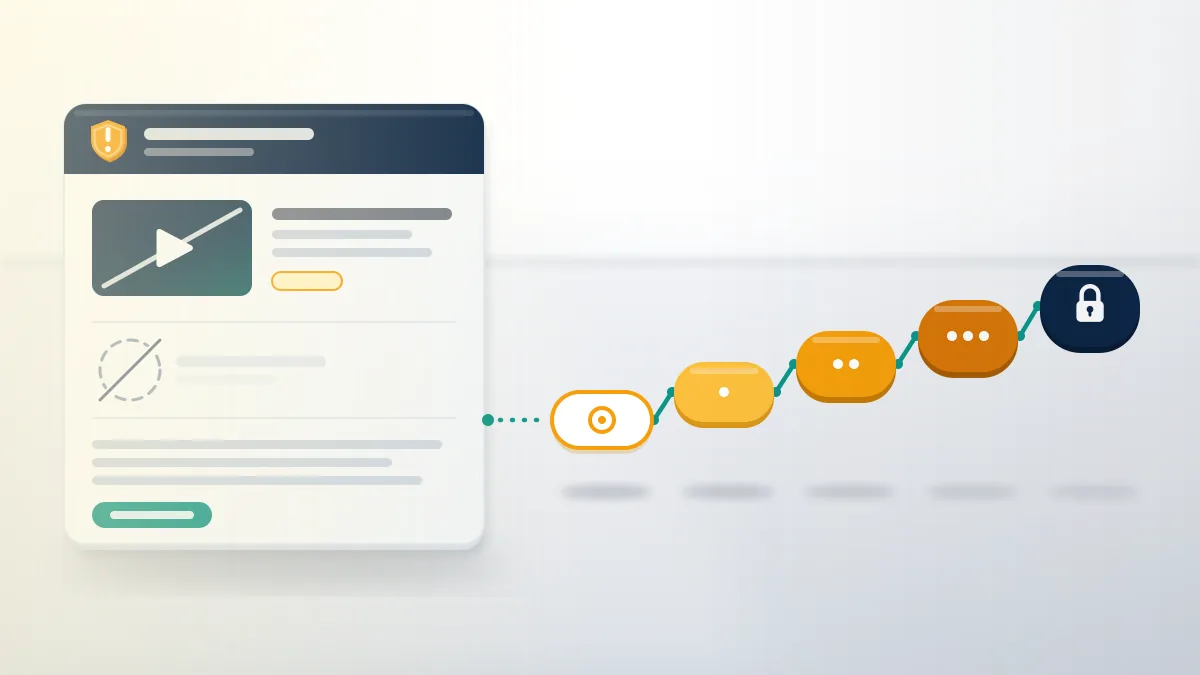
Content that fails brings an email to the creator, plus phone, computer and channel-settings alerts if those are switched on, and this is what that notice holds and what it never does:
| What the notice tells the uploader | What it leaves out |
|---|---|
| Which video, Short, comment or other content was removed | The account that flagged it |
| Which policy it broke | How many flags came in |
| Warning or strike, and the effect on the channel | Whether a person or an automated system found it |
| What the uploader can do next, including an appeal | Who reviewed it |
When Your Reputation Solution goes through one of these notices with a creator, the question of who reported the video gets set aside early, because the notice cannot answer it. Its policy line can, and that line decides whether an appeal has grounds.
YouTube's penalty ladder runs the same way whatever triggered the review. First violations are typically only a warning, and if the creator completes YouTube's optional policy training, that warning expires after 90 days. Strikes come next: the first freezes uploads, live streams, Premieres and scheduled publishing for one week, and a second strike within the same 90-day period stretches the freeze to two weeks. Three strikes in that period may result in the channel being permanently removed, per YouTube's strike rules, and each strike stays active for 90 days from the date it was issued. Every decision can be appealed. So when a creator opens a "YouTube video removed for violating Community Guidelines" email, the parts worth reading are the policy line and the strike count. Nowhere in it is the sender of the original flag, and YouTube's help pages describe no way to request that name.
Termination turns an appeal into a recovery job, and the way back for a terminated YouTube channel runs through YouTube's own appeal form, never through a counter-report.
Disputes rarely stay on one app, and each platform punishes a confirmed report differently. Instagram's worst case is a disabled profile, handled through permanently disabled Instagram account recovery, while lighter blocks are covered in how to unban an Instagram account.
Facebook splits the same way. Blocked profiles call for Facebook disabled account recovery, and a selling-only restriction needs the steps to get unbanned from Facebook Marketplace. Your Reputation Solution handles those appeals through each platform's official forms only, and the platform makes the final decision on every one.
When is reporting a YouTube video not anonymous?
It stops being anonymous when you use a legal form instead of the Report button, or when the situation itself points at you. Anyone asking "if I report a video on YouTube is it anonymous" about the ordinary Report button gets a yes.
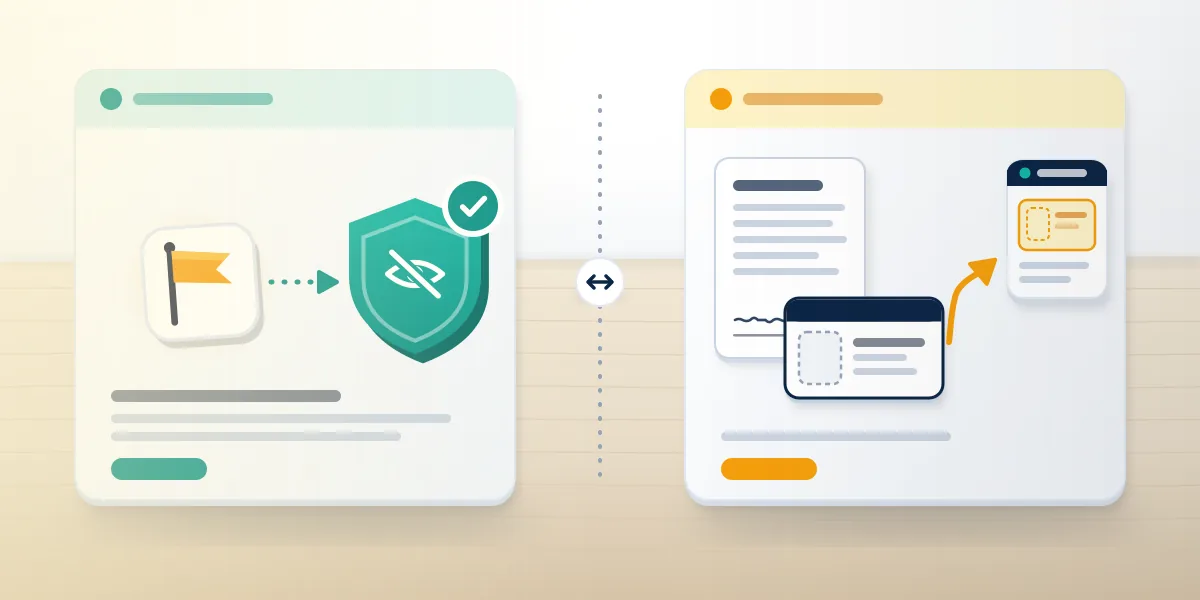
Copyright is the clearest case. Copyright removal requests are legal notices, and YouTube's copyright removal page warns that the purported copyright owner's name will be part of the public record of the request; the uploader can also ask for a copy of the request itself. The video then comes down with a copyright strike, a separate count from guideline strikes, explained in how the 3-strikes rule works. Defamation and trademark complaints go through Google's legal forms, and YouTube notes that abuse of those forms may result in the termination of your Google Account. Report a video for harassment, spam or hate and the uploader learns the policy and nothing about you. So the honest answer to "is reporting a YouTube video anonymous" depends on which form you used, and anyone typing "report YouTube video anonymous" into a search bar wants the first kind.
Context is the other leak. When you report someone on YouTube is it anonymous in a two-person argument? On paper, yes, yet a removed comment points at the only other person in the thread. Impersonation works the same way, since the person being copied is the obvious complainant.
Recovering a copied handle elsewhere is separate. Claiming an inactive Instagram username and the rules to claim an inactive username on X both sit outside any report.
EU law adds one more exception. Under Article 16 of the Digital Services Act, a formal notice of illegal content must normally include the sender's name and email address, on YouTube as on other hosting services, including when you use that route to take down a Telegram channel. Before any legal notice goes out, Your Reputation Solution confirms the client accepts being named, because on these forms they usually are.
What happens if you report a video on YouTube, a comment or a whole channel?
A reviewer or an automated system checks the flag against the Community Guidelines, and the content then stays up, gets restricted or comes down. Menus and report reasons are covered in the guide on how to report a YouTube channel or video; this page starts after you press Report.
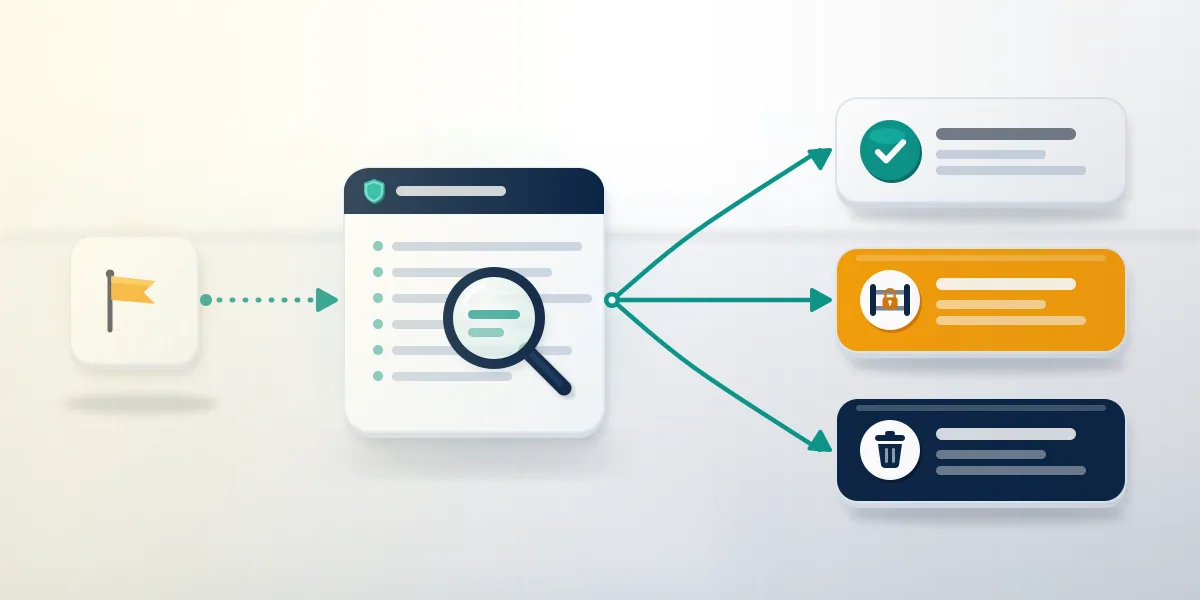
What happens when you report a comment on YouTube follows the same path at a smaller scale. Removed comments can trigger a notice to the person who wrote them, and accounts that keep posting abusive comments can have commenting paused; YouTube's December 2022 rollout set that pause at up to 24 hours (TechCrunch, December 2022). Neither notice names a reporter. A channel report is judged on the channel as a whole, so the outcome ranges from removing one element to a strike, or termination when the channel exists to break policy. And what happens if you report someone on YouTube who has done nothing wrong? Nothing. Reported content is not taken down automatically, and a flag on a compliant video ends with the video still up, whether one viewer sent it or fifty did. The policy decides the result, not the number of people who pressed Report.
Report count is the myth that keeps bot sellers in business. Listings for Instagram mass report bots and for a TikTok mass report bot promise that enough flags force a removal, and the same pitch now targets YouTube channels.
If a report against your channel ended in a strike or a termination, Your Reputation Solution can go through the notice and the appeal options with you: message the team, with no password requested and no outcome promised.
Panels selling a Facebook mass report and tools sold as a WhatsApp mass report bot make the same claim. On a platform that reviews every flag against its policies, volume adds nothing that one accurate report lacks.
Telegram is where many of these services are sold, often as a mass report bot on Telegram, and some rebrand as an Instagram spam report bot aimed only at fake accounts.
We won't sell report volume, file from fake accounts or ask anyone for a password, and the limits on what any reporting service can promise apply here too.
Reported videos on YouTube: where Reporting History keeps them
YouTube lists every video you have flagged on one page, newest first. Sign in to the account you reported from, then open youtube.com/reporthistory; YouTube's Reporting History help page gives that address rather than a menu path.
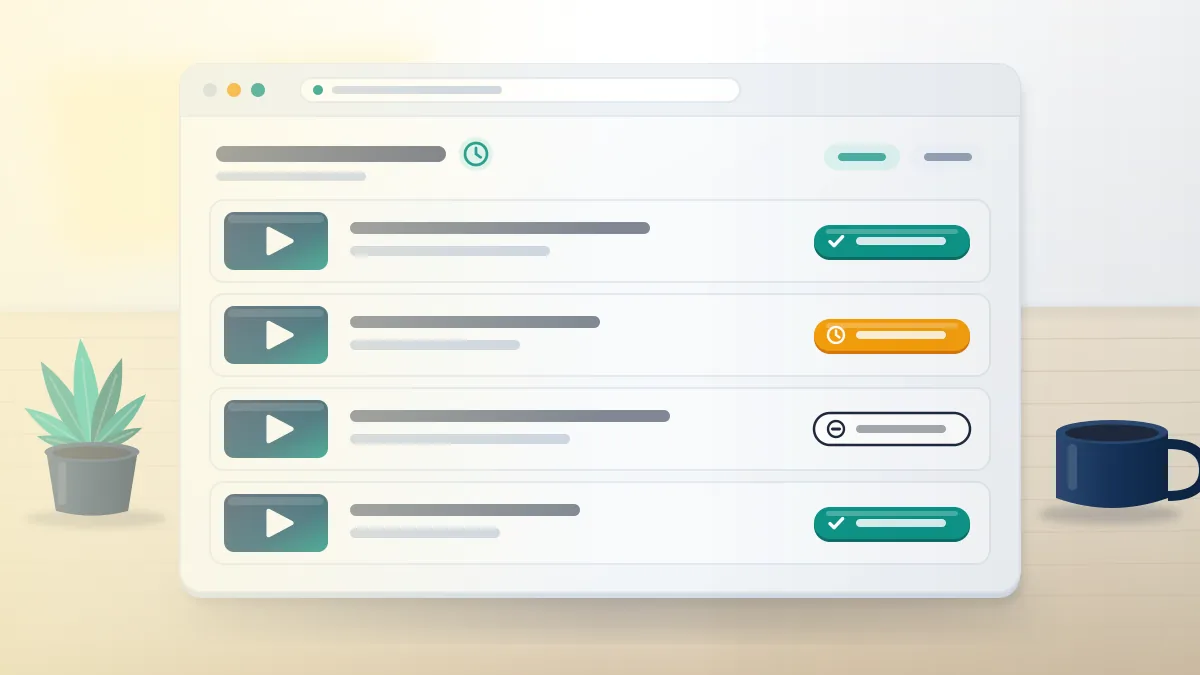
Three labels cover every entry. Removed means the video is gone from YouTube, the closest thing a reporter gets to confirmation; a "YouTube report video removed" search usually comes from someone who saw that label and wants to know what it means. Restricted means the video stays up behind a limit such as an age gate. Live is the ambiguous one: YouTube uses it both for videos not yet reviewed and for videos reviewed and found compliant, so a Live entry tells you nothing on its own. Some rows read "Information about this video isn't available" when the creator deleted the video or it is blocked in your region. Only videos appear on that page. There is no YouTube comment report history, and channel reports don't appear either, so a flagged comment leaves no record on your side. Anyone searching "reported videos YouTube" is looking for this page, and it is the only feedback YouTube's help pages describe.
Before escalating a report for a client, Your Reputation Solution asks for a screenshot of that page, because it is the only record a reporter keeps.
I accidentally reported a video on YouTube: can it be undone?
No button withdraws a Community Guidelines report, but a flag on a video that breaks no rule ends with no action against anyone.
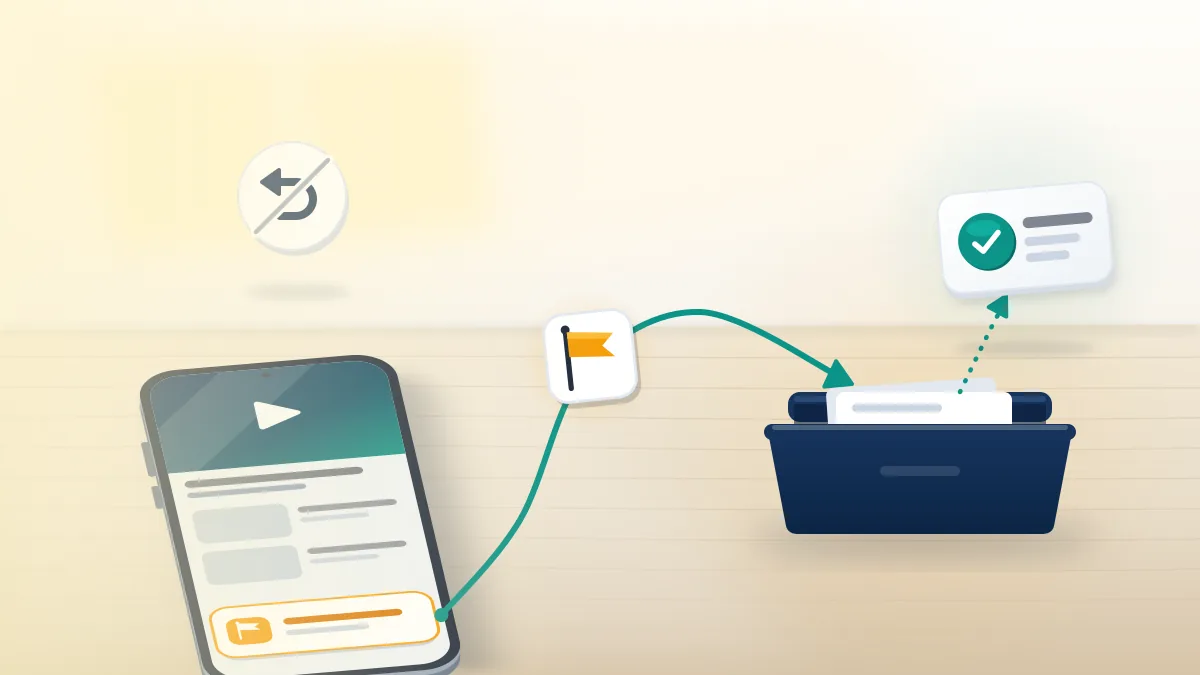
An accidentally reported YouTube video keeps playing while it waits, because YouTube does not take reported content down automatically. Once a reviewer checks it against the guidelines and finds nothing, your Reporting History entry stays on Live. So if you report a video on YouTube is it anonymous even when the flag was a mistake? Yes, and the uploader is never told. YouTube's help pages describe no way to cancel a flag, so articles on how to un-report a video on YouTube usually describe something else: deleting a comment, unsubscribing, or retracting a copyright request. That last one is real. Copyright removal requests can be retracted in YouTube Studio or by email, which clears the strike and restores the video unless the uploader deleted it (YouTube Help on retractions). For an ordinary flag, doing nothing is the fix. YouTube publishes no penalty for a single mistaken flag; its account-termination warnings concern abuse of legal forms.
Other apps act on reports differently, and a wrongly reported user there may need an appeal rather than patience. TikTok users in that spot need TikTok suspended account recovery for a temporary block, or the longer route to recover a permanently banned TikTok account.
On X the result can be a suspension or quieter reach. The fixes there are to recover a suspended Twitter account or appeal a shadow ban on X.
Telegram can freeze an account flagged for spam, which is where Telegram frozen account recovery starts, while losing access altogether is a separate case covered in how to recover a Telegram account.
When that account carries business contacts, a managed Telegram account recovery service works through Telegram's own support channels.