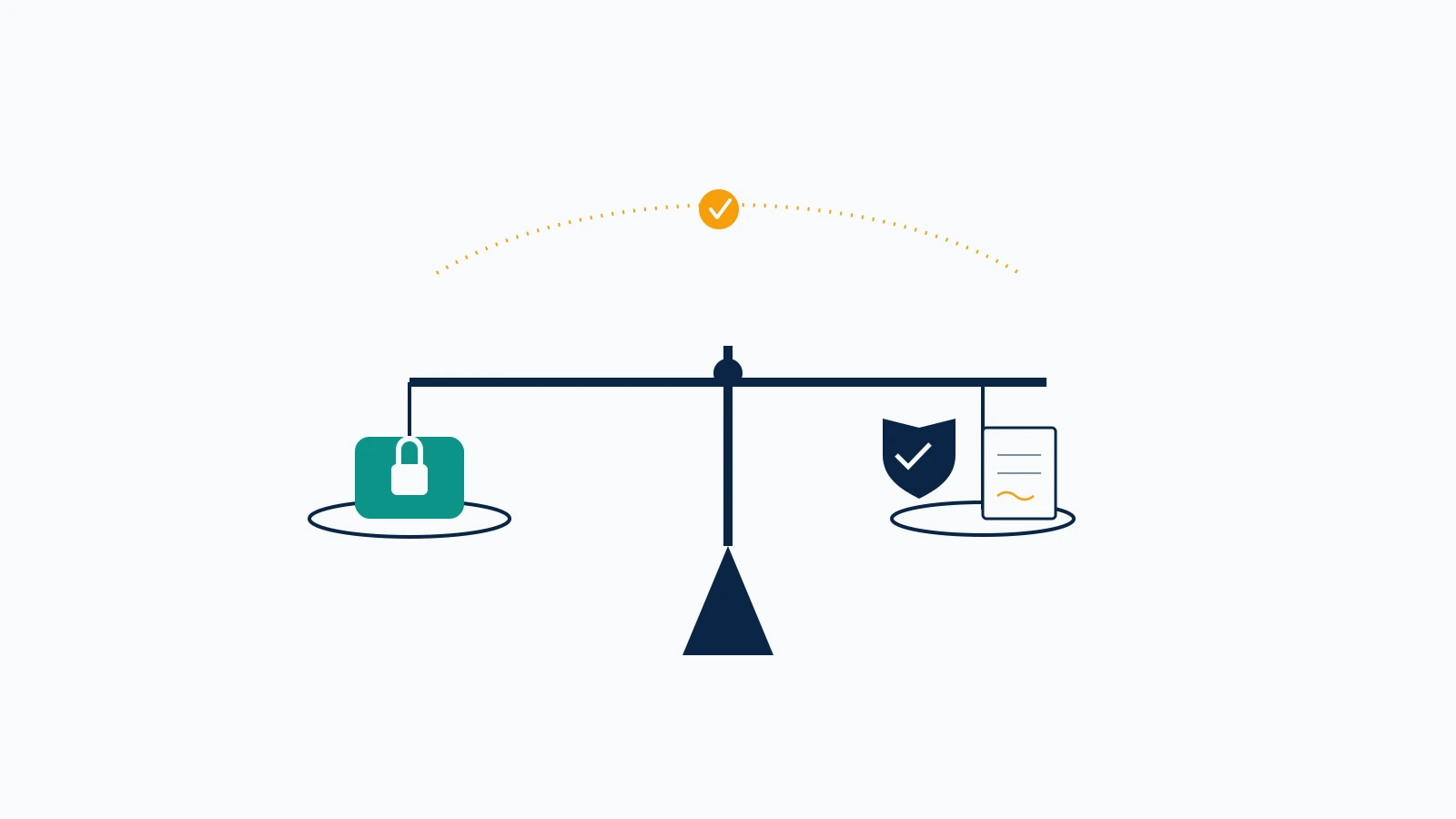
The 88 clients who had already paid someone else
Start with a number instead of a verdict. Of the 312 Instagram cases our team handled between May 2025 and May 2026, 88 people arrived having already paid a different provider. Seventy-nine of those 88 had nothing to show for it: no reinstatement, no refund, and in eleven instances no working contact address for whoever took the money (YRS internal records, n=312, May 2025–May 2026). Nine did get their account back.
That ratio is the honest shape of this market, and it is why are instagram account recovery services legit is a question worth answering with data rather than reassurance.
People type has anyone actually paid someone to recover a disabled instagram account into a search bar expecting a yes or a no. Thousands have. Most paid a scammer, a minority paid someone who did real work, and almost nobody publishes the split. The sharper version of the query, did anyone get their disabled ig account back through a paid agency, has the same answer with a harder edge: yes, but far less often than the agency's own testimonial page implies.
So instagram recovery services legit or scam is a fair framing, provided you understand the split is not fifty-fifty. Among providers that advertise aggressively, it runs closer to one in ten.
Here is why the ratio is so bad. Instagram account recovery has no privileged back door. There is no partner portal, no vendor API, no reseller channel through which a paid third party reaches a different Meta reviewer than you do. Every legitimate route runs through the same public surfaces you can reach yourself: the in-app appeal attached to the disable notice, the disabled-account form at help.instagram.com, the compromised-account flow at instagram.com/hacked, and, in covered regions, the Oversight Board and Appeals Centre Europe. All of them are free.
That is the whole market in one sentence. What a paid provider sells is argument quality and escalation discipline, never access.
Which does not make paying pointless. It makes the value proposition narrow, and narrow claims are checkable ones. Someone who writes a sharper appeal than you would, files it through the correct surface on the first attempt, and tells you before taking money that your case is hopeless is selling something real. Someone who says they "have a contact inside Meta" is selling something that does not exist, and the fact that it does not exist is what makes the pitch easy to catch.
Before you consider paying anyone, exhaust the free route. Our walkthrough of the official disabled-account appeal covers the form, the identity check, and the appeal text that actually moves reviewers. Roughly a third of the people who contact us turn out not to need us.
What a paid Instagram recovery service can and cannot do
A provider operates inside a fixed set of constraints. Knowing them converts a vague trust question into a checkable one.
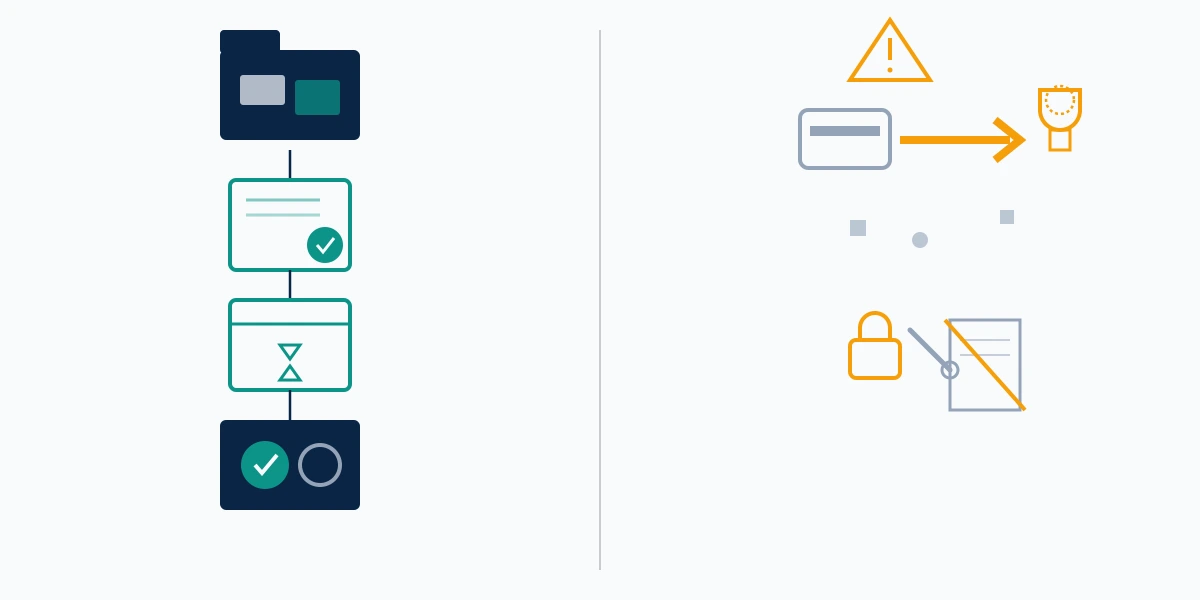
It can read the disable notice correctly and identify which policy was cited. It can choose between the in-app appeal, the web form, and the Account Status surface, which are not interchangeable and route to different queues. It can write appeal text that names the specific guideline and rebuts it inside the roughly 800 characters Meta allows. It can assemble ownership evidence in the format reviewers accept, track the deletion clock, and escalate to the Oversight Board or Appeals Centre Europe when the case qualifies.
It cannot reach a human at Meta on demand. It cannot reverse a decision by paying for one, restore data that has already been purged, or recover an account through a password reset it does not control. It cannot promise an outcome, because the outcome is not its to give.
When we file these, the pattern is consistent: appeals that quote the exact guideline cited in the disable notice and rebut it in two sentences get a decision faster and reverse more often than appeals that describe how much the account meant to someone. That is not a trick. It is the difference between writing for a reviewer with a checklist and writing for a person who cares.
Can a service really restore a permanently disabled Instagram account?
Sometimes. The word "permanently" is doing misleading work in that sentence.
Meta's permanently-disabled label means the standard appeal channel is exhausted, not that the account has been erased. Data typically persists about 30 days in the US and up to 180 days in the EU under the Digital Services Act. Inside that window a second, better-argued appeal or an Oversight Board referral can still land. After it closes, nothing works, at any price, for anyone. Our breakdown of permanently disabled recovery covers the window mechanics case by case.
Second appeals on clean policy disables overturn at roughly 19% in our caseload (YRS internal records, n=312, May 2025–May 2026). That number is real, and it is also the number that should stop anyone from paying four figures on the assumption of a coin flip.
What to do after Instagram rejected your appeal
A paid service is not your only option, and it should not be your first.
After a rejection the order that works is: confirm you appealed through the right surface, since in-app and web-form appeals route differently and people routinely use the wrong one; resubmit once with policy-specific text rather than a rewrite of the same message; refer to the Oversight Board or Appeals Centre Europe if your region is covered; and only then price out professional help. When someone searches what do i do after instagram rejected my appeal is a paid service my only option, the case usually turns out to have skipped steps one through three. Our post-rejection escalation guide sets out each stage and what evidence each one needs.
How to spot Instagram recovery service scam patterns before you pay
Every fraudulent pitch we have logged since January 2024 carries at least two of the following signals. Most carry five.
| Red flag | The pitch | Why it disqualifies them |
|---|---|---|
| Password request | "Send your login so we can verify ownership" | No legitimate recovery needs your password. Handing it over is the takeover. |
| Guaranteed outcome | "100% success rate, money back" | The decision belongs to Meta. Nobody outside it can guarantee anything. |
| Claimed insider | "Our contact at Meta will push your case" | No such channel exists for third parties. |
| Full payment upfront | "Pay in crypto and we start today" | Crypto and gift cards are chosen because the payment cannot be reversed. |
| Fee escalation | "One more verification fee and it clears" | The first fee was the hook. The escalation is the actual business. |
| Two-hour timeline | "Back in your account by tonight" | Disable-case review runs in days. Ours average 6.4. |
| No written scope | Chat only, nothing in a document | With no scope there is nothing to dispute and nothing to refund. |
| Unsolicited contact | A DM arriving after you posted about the ban | Recovery scammers farm public complaints for leads. |
The fee escalation row is the one that turns a $200 loss into a $2,000 one. It works because the first payment creates a sunk cost, and the second request always arrives framed as the last obstacle: a refundable deposit, a verification charge, a fee the "Meta contact" supposedly requires. The US Federal Trade Commission files this entire pattern under refund and recovery scams, and its central warning applies here without modification, which is that people who have already lost money to one scam are the most heavily targeted group for the next one.
So, are paid instagram recovery services legit or a scam? Both categories are real and they are easy to tell apart, because the scam version has to make claims the legitimate version cannot make. The vendors we documented in our analysis of Instagram ban services run the identical playbook from the opposite direction, selling guaranteed takedowns of other people's accounts. Same promises, same payment rails, same disappearance.
We ran this audit on two other platforms and the pattern held both times. The Facebook recovery service breakdown found the same password-request tell, and the YouTube channel recovery review found the same guaranteed-outcome pitch attached to a different logo.
How do I verify a recovery service is real before paying?
Six checks, in order. None of them require you to know anything about Instagram, which is the point: this is the section most competitors skip, because a vendor-neutral checklist is inconvenient for vendors.
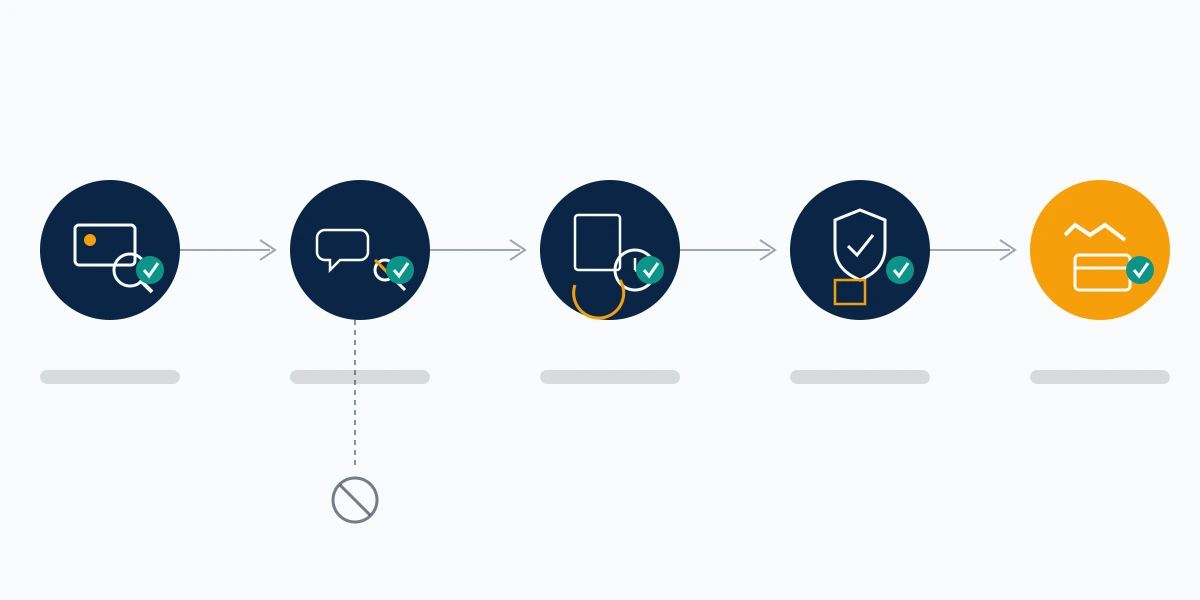
- Find the legal entity. A real company has a registered name, a jurisdiction, and a physical address that resolves. If the only identity on offer is a Telegram handle and a logo, stop.
- Ask what they refuse to take. Anyone honest can name the case types they decline. A provider who accepts every case has not read yours.
- Get the scope in writing before money moves. What they will file, through which surface, how many attempts, and what happens on refusal.
- Ask for the odds on your case specifically. Not a site-wide success rate. A first-attempt disable and a twice-denied one are different problems with different numbers.
- Test the password boundary. Say you will not share credentials and watch what happens. A legitimate provider agrees immediately, because they never needed them.
- Look at how payment is staged. This is the check almost nobody publishes, so it is worth stating plainly: legitimate recovery work is normally split, with a small assessment fee or none at all, and the balance tied to a defined outcome. Full payment upfront in an irreversible instrument means every incentive to work disappears the moment you pay.
Run all six on us
We sell Instagram recovery. That conflict of interest is real and it is the reason this checklist is written to be used against us rather than for us.
So: we are a registered entity with a named team, and the credentials on our about page are verifiable rather than decorative. We decline cases, and the categories we will not take are listed in our service limitations and disclaimer: CSAM, terrorism and violent extremism, sustained targeted harassment, and fraud. Those bans do not reverse for anyone, and a provider who tells you otherwise is charging you for a decision that has already been made. We put scope in writing, we quote odds against your case rather than a marketing average, we never ask for a password at any stage, and our billing and refund terms are published rather than explained on request. If any of that were untrue, the six checks above would catch it. That is the intended design.
What's the success rate of professional Instagram recovery services?
No published success rate means anything without a denominator, ours included. A provider claiming "97% success" while declining nothing is either counting only the cases it won or counting nothing at all.
Here are ours, stated with the denominator attached. Across 312 Instagram cases between May 2025 and May 2026, we declined roughly 24% of enquiries at triage before taking any money, because the ban category was non-appealable or the account had passed its deletion window. Of the cases we accepted, 61% ended in reinstatement. Cases that arrived already denied twice succeeded under 8% of the time, which is why we mostly refuse them. Median time from intake to a decision was 6.4 days; clean credential-only recoveries, where nothing was ever disabled, closed inside 24 to 72 hours (YRS internal records, n=312).
Set that against the unqualified numbers on this topic. First-attempt appeals filed by users themselves succeed around 51% on clean Community Guideline disables, and second appeals around 19%. A provider is not multiplying your odds by ten. It is moving a difficult case a meaningful distance, on cases that had a path to begin with.
Pricing follows the same logic. Legitimate Instagram work sits in the low hundreds to low thousands depending on complexity, and our Instagram unban service guide sets out what each tier actually involves and why the cheap tier is cheap. Any quote far below that band is usually a hook for the escalation described above. Any quote far above it is usually selling the fantasy of insider access.
Not sure which category your account is in? Send the username and the exact wording of the disable notice. Our team will tell you free of charge which surface applies, what the realistic odds are, and whether your case is one of the many that does not need us at all — request a free case review. We never ask for your password, at any stage.
Hacked, disabled, and deleted are three different problems
Half the confusion in this market comes from treating one word, "recovery," as though it described a single situation.
A hacked account still exists and is under someone else's control. The route is the compromised-account flow, it is fast when the linked email is still yours, and it has nothing to do with policy appeals. Our Instagram hacked account recovery guide covers that path separately for exactly this reason.
A disabled account was restricted by Meta for a stated policy reason under the Community Guidelines or Terms of Use. It is an appeal problem, it runs on the deletion clock, and it is the only one of the three where paying a professional changes much.
A deleted account was removed by its owner. After the grace period it is gone, and no service, ours included, can bring it back.
A provider who does not ask which of the three you are in, before quoting a price, has told you everything you need to know about how the quote was calculated.
One last boundary, stated plainly because this is a category where vagueness costs people money. We do not ask for passwords or two-factor codes, at any point, for any reason. We do not guarantee reinstatement, because the decision is Meta's and always will be. We do not file false reports, fraudulent DMCA notices, or impersonation claims to force an outcome. We do not take cases in the non-appealable categories named earlier, and we say no at intake rather than after payment. What we do is documented on our Instagram account recovery service page, including the parts where the answer is that nothing can be done.