
What does an internet content removal service actually do?
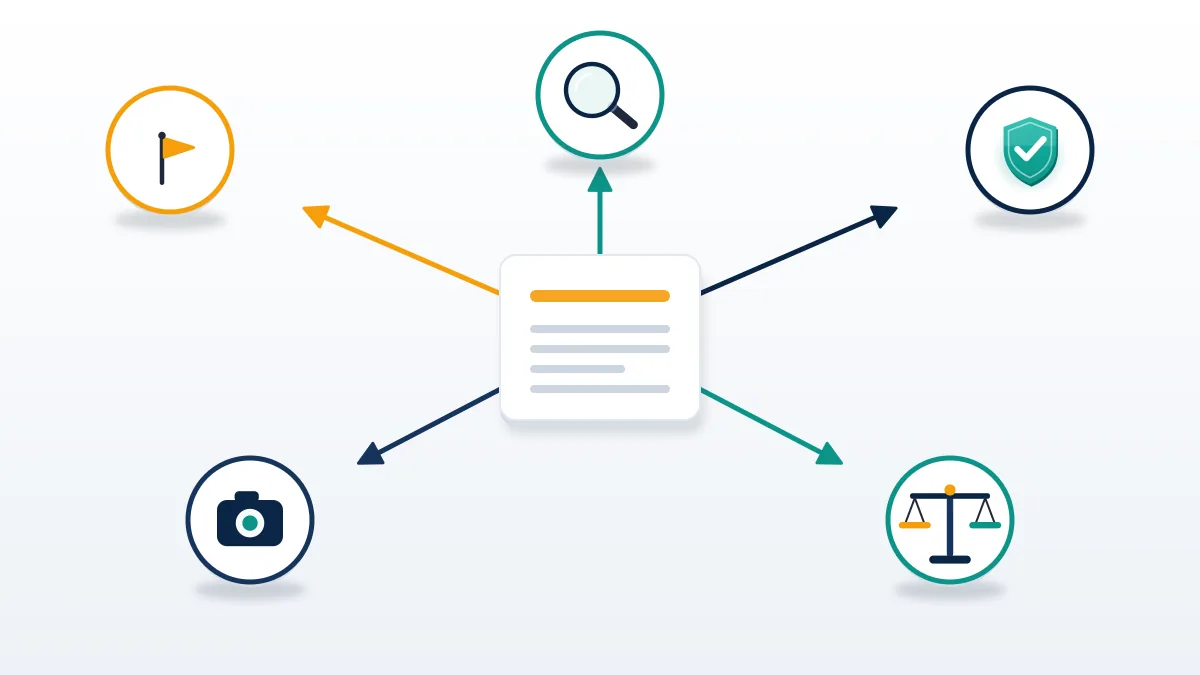
It matches each harmful URL to a rule that URL breaks, then files with whoever can enforce that rule. Platform terms, search-engine forms, privacy statutes, copyright law and court orders are the only levers that exist.
Most of the work happens before anything is sent, which surprises clients who expect a quick form. Each target answers to a different gatekeeper: a product page, a forum thread, a scraped mugshot and a people-search listing all have separate rules, and a request citing the wrong policy usually gets closed without a second look. So an online content removal service spends its hours on evidence: capturing the page with a timestamp, finding the host and registrar, reading the host's terms, and choosing the single strongest ground among privacy, impersonation, harassment, copyright and defamation. Filing comes last. Hosts, platforms and courts make the decision, and content removal services online that blur that fact are selling a result nobody controls. That is why every scope document should list the URLs with no realistic route at all, right next to the ones that have one.
Some people who search for removal actually have an account problem. When the message reads "ig disabled my account" after a wave of reports, the fix is an appeal for suspended instagram account decisions, not a takedown of someone else's post.
That split matters early. Removal targets content you do not control; recovery restores access to content you do. Your Reputation Solution is a reputation and account-safety firm that handles both, filing removal requests for content a client does not control and guiding recovery for accounts the client owns.
Which routes can a content removal specialist use?
Five routes exist, each with its own decision-maker.
| Route | Fits when | Who decides |
|---|---|---|
| Platform policy report | Harassment, impersonation, private info, spam | The platform's safety team |
| Google removal request | Contact details, doxxing, outdated pages | Google, for Search only |
| Privacy and data-broker law | People-search listings, broker profiles | The broker, under statute |
| Copyright notice | You own the photo, video or text | The host, with counter-notice rights |
| Court order | Defamation proven or agreed | A judge, then the host |
Platform policy reports
Platform rules remove more content than any law, since rule-breaking posts come down inside the platform's own queue. For TikTok, a tiktok content removal service request names the exact community guideline and links the video. Instagram works the same way, though people often stall on how do i get in contact with instagram when the in-app report is what reaches review.
Google removal requests and the limits of de-indexing
Any google removal service only changes what Search shows; the page itself stays live on its host. Under its personal information removal policy, Google will consider removing results that expose a phone number, home address, email, government ID or similar details, and it handles court orders and other legal claims through a separate legal-removal form. Once the source page is gone or rewritten, Google's Refresh Outdated Content tool clears the stale snippet. Site owners who control the page have a faster path, covered in this guide on how to remove a website from google search. A content removal specialist checks which form fits first, because a misfiled request is declined and leaves a record. Delisting also has a known gap. Some approvals hide a URL only for searches that include your name, so the page can still surface for other queries.
That is why de-indexing is one layer of a plan, paired with a request to the host whenever the host has a policy that applies. Your Reputation Solution files both sides of that pair together and logs which one each host answered, so nothing is assumed finished just because Search went quiet.
Privacy laws, data brokers and copyright
California residents now have a statutory shortcut for broker listings. Under the Delete Act, the state's Delete Request and Opt-out Platform opened on January 1, 2026, and brokers began processing requests on August 1, 2026; one free request reaches every registered broker, which must check the platform at least every 45 days. Copyright is narrower. Only work you created or own qualifies, and a notice that knowingly misstates ownership exposes the sender to damages under 17 U.S.C. 512(f).
Most online content removal services combine these routes in one case file, because a single leaked address can need a privacy request, a Google form and a broker opt-out at once.
Content removal lawyers or a reputation firm: who handles what?
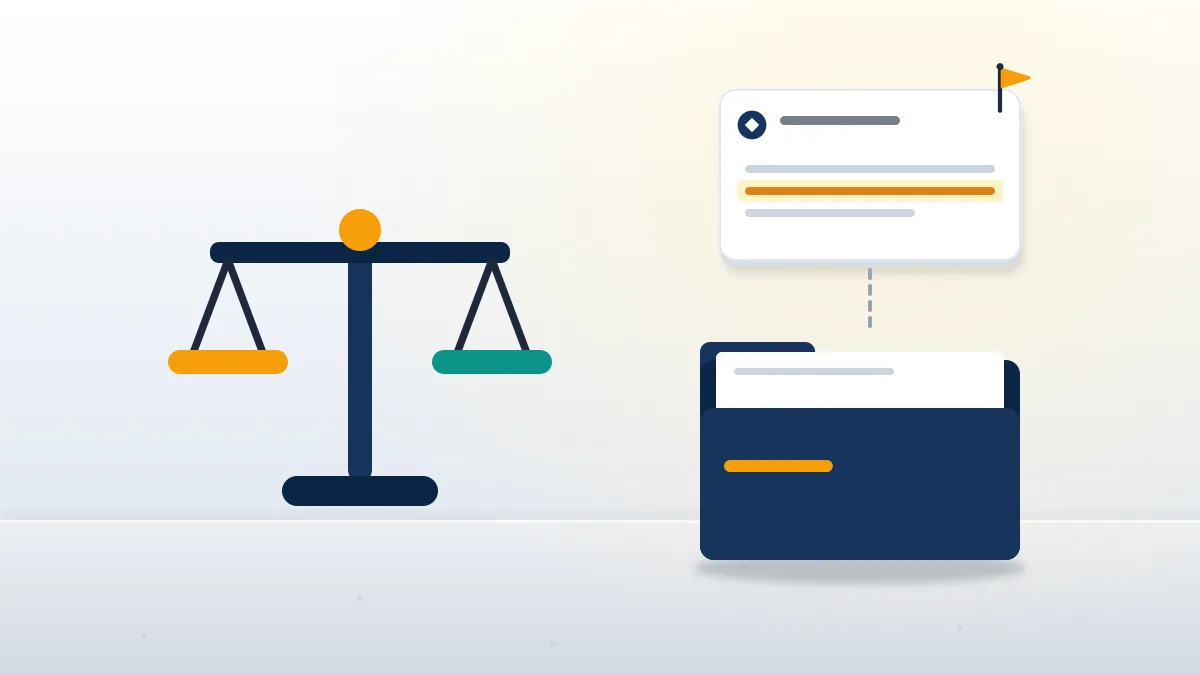
Hire content removal lawyers when only a court order will move the host; use a reputation firm for policy and privacy filings.
Federal law draws that line. Under 47 U.S.C. 230, a website that hosts what users post is not treated as the publisher of it, so a forum or review site has no legal duty to delete a false post just because you object. Content removal attorneys earn their fee in exactly that gap: they test whether a statement is provably false and damaging, send a demand to the author, and, where needed, sue the author and win an order that many hosts will then honor. Deadlines matter as well, and a content removal law firm tracks them; defamation claims expire after roughly one to three years depending on the state. Courts also catch fakes. One man who forged orders and sent them to Google drew a federal prison sentence in New York, which is why any vendor offering a "court order" without a lawyer is a red flag.
In practice, the best online reputation management for removing defamatory content pairs the two, with counsel on the legal claim and a reputation team on everything else. Your Reputation Solution does not give legal advice or draft court filings; when a case needs a judge, the team says so and points the client to counsel. An online content removal lawyer is also the right call when the poster is anonymous and only a subpoena can reveal who wrote it. Content removal experts on the reputation side cannot issue one.
Video adds its own wrinkle. False claims in a clip can go to the platform under its harassment rules or to a court as defamation, and this guide on youtube libel reports explains which route fits which kind of video.
Does a "near me" search change who should take your case?
Rarely, because Google and the platforms accept requests online from anywhere, so content removal services near me mostly return remote firms.
Location matters in two narrower places: deadlines and courts. State law sets defamation deadlines, anti-SLAPP exposure and which court can hear a claim. Someone trying to remove negative content from google oregon residents can find, or to remove negative search results las vegas clients see, still files the same Google form as everyone else, while a lawsuit would follow Oregon or Nevada rules. Identical logic covers negative content removal in utah, a request for content removal detroit mi, or a plan to remove negative content jacksonville, remove negative content orlando or remove negative content st petersburg searchers keep finding: the filing is remote, but any court step is local. Searching content removal attorney near me is worth it only for that court step, since a licensed lawyer has to appear in the right state. Vendors that fake a local presence deserve suspicion; some publish city pages with stock photos and no address, a cheap signal that the rest of the pitch may be invented too.
Licensed professionals face an extra layer. Doctors, lawyers and realtors often need someone who reads the licensing board's rules alongside the platform's, since a regulator's public disciplinary record follows different rules from a stranger's rant and is rarely removable. For that group, Your Reputation Solution runs internet content removal services for professionals US-wide by secure message and email, with no local office, and it does not pretend to have one.
How do you vet companies that remove negative content from the internet?
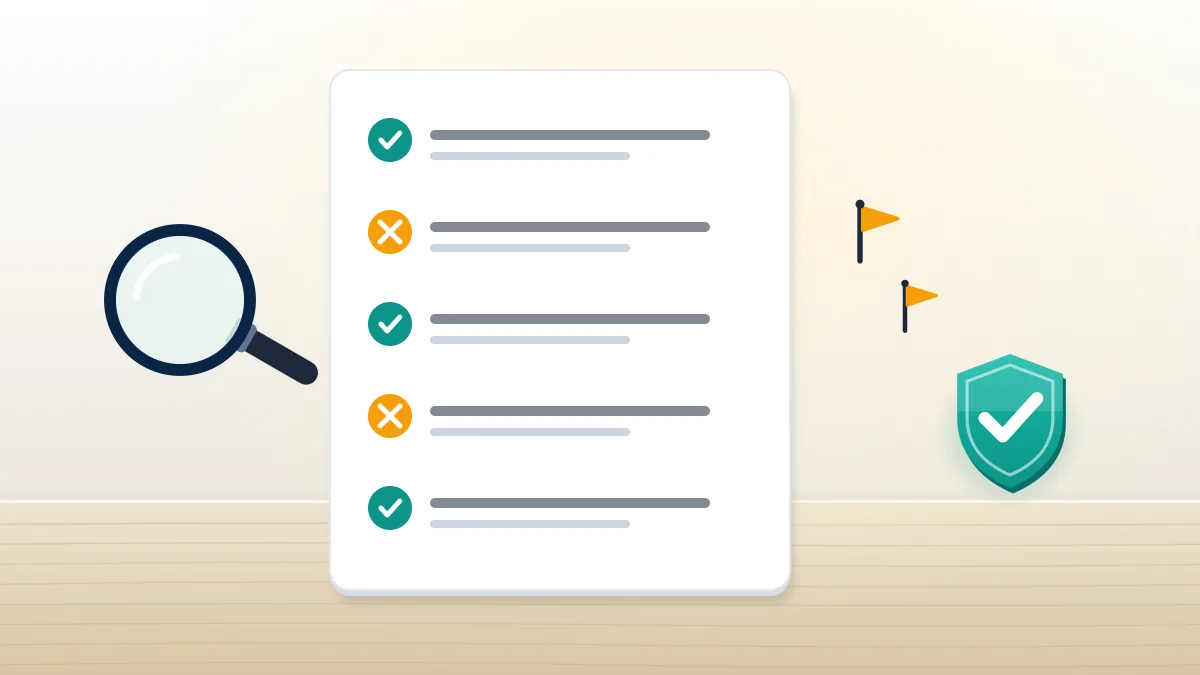
Ask each firm which rule every URL breaks, who decides, and what happens when the answer is no. Vague answers end the conversation.
Typing "show me firms that remove negative search results." or "show me services for content removal." into a search bar returns a long list of companies that remove negative content from the internet, and they differ more than their pages suggest. Look for five things in writing. First, a written scope listing each URL and its route. Second, payment that is not tied to a guaranteed deletion. Third, no request for your passwords. Fourth, no offer to file copyright claims on work you do not own. Fifth, a straight answer on whether the work is subcontracted, and to whom. Eliminalia is the warning case: its campaign to hide journalists' reporting between 2015 and 2021 was traced through nearly 50,000 leaked documents by Forbidden Stories, including fake copyright claims and emails posing as a European Union compliance office.
Companies that remove negative information from the internet through tactics like that put the client at legal risk, and the story tends to come back louder. So the best online content removal service for you is the one whose scope document still reads as honest after a refusal. Any reputation management company for content removal worth hiring names its limits before you pay.
Have URLs you want reviewed? Send the links and a sentence about each one, and Your Reputation Solution will map the routes and say plainly which pages have none. Start a removal review.
Be skeptical of "reputation management software that actually removes negative content." Software can monitor, alert and draft, but no tool deletes a page it does not host; only the host or a court can. Content removal reputation services that sell a dashboard as removal are selling monitoring.
Mass-report "ban services" are a different trade too. Paying for youtube channel removal through coordinated reports breaks platform rules and can get the buyer's own accounts restricted.
Scammers also pose as support. Messages claiming to come from an insta help email address and offering to "remove" a post for a fee are phishing, the same playbook as an instagram hacked email warning that pushes you to a fake login page.
Check the sender before you click anything. Genuine ig password reset email messages only arrive after you request one, and they never ask for payment.
What can a mass content removal service legitimately do?
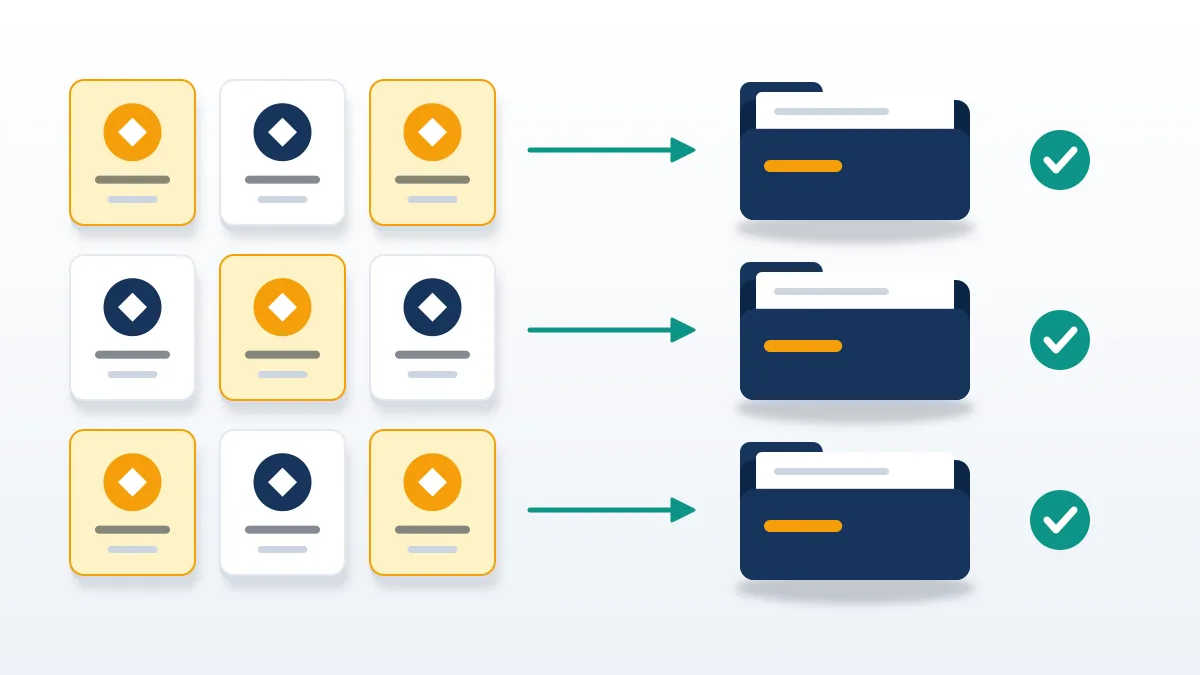
It can file many valid requests together when one problem repeats across many URLs. Impersonation, leaked contact details and scraped photos are the usual cases.
Legitimacy depends on each filing: a mass content removal service is fine when every request would stand on its own, and abusive when volume is used to overwhelm a moderator who would reject each report individually. Here is the honest version. Someone's home address leaks, then shows up on forty mirror sites and a dozen people-search listings within a week. Every copy gets mapped and grouped by host, one privacy request goes to each host with the full URL list, Google's personal-information form covers the same set, and California residents add a single DROP request for the brokers. Impersonation follows the same pattern. Fake profiles using your name and photos get reported as impersonation, with your ID sent only through the platform's verified form and never to the vendor. At Your Reputation Solution, our team logs each URL with its route and status in one sheet the client can read, which keeps the volume accountable.
For Instagram clones, the report path is in this guide on how to remove a fake instagram account pretending to me. Prevention helps as well: running an ig handle availability search for obvious lookalikes of your name shows which variants an impersonator could still grab.
Spelling variants deserve the same check. Knowing how to check if username is taken on instagram lets you claim the obvious ones first, and a "username not available instagram" message on a variant you never registered is worth a closer look.
Brands often reserve a short form too. Lists of short available instagram usernames are thin now, but reserving one or two of the available ig usernames closest to your name costs nothing and removes a ready-made impersonation slot.
When removal fails, what comes next?
Suppression comes next: accurate, stronger pages are built until the refused result sits below what people actually read.
Negative search result removal fails more often than vendors admit, usually because the page is true, newsworthy or hosted by someone with no policy against it. At that point, reputation management to remove negative content turns into reputation management to outrank it. Slow, plain work follows. Claim and complete profiles on the platforms that rank for your name, publish on a site you control, earn coverage that is accurate, and keep all of it updated; this kind of suppression typically takes 90 to 180 days of steady activity before page one changes, and it never deletes the original. Skipping this conversation leaves a client with nothing when a host says no, which is why a negative content removal service should scope both tracks at the start. Calling this stage "reputation removal" misleads people; the honest term is displacement, and a negative content removal specialist should use it.
In every case file, Your Reputation Solution keeps a removal column and a suppression column, so a refusal moves a URL across instead of ending the case.
Visibility problems can also look like removal when they are not. Posts that vanish from search may just be restricted, which an x shadowban test can show, and a friend's missing account may be on a short lock, so check how long does a temporary snapchat ban last before assuming anything was taken down.
Hiding yourself is a separate step. Anyone who has typed "I deactivated my instagram account" to ride out a pile-on learns that the profile disappears while posts other people made stay up. Twitter reactivation restores your own profile, again without touching anyone else's content, so neither move is a negative content removal solution.
What happens after you hand over a removal case?
Each case is mapped, scoped in writing, filed route by route, and reported back with every host's decision. No step needs your passwords.
- Inventory. Every URL is captured with date, host and the search terms that surface it.
- Route match. Each URL gets one primary ground and one fallback, or a "no route" note.
- Scope. You see the list, the routes and the limits before any filing.
- Filing. Requests go out through official forms and verified channels only.
- Status log. Decisions, appeals and refusals are logged per URL, and refused items move to the suppression track.
Several things stay off the table at Your Reputation Solution, whatever the fee. No copyright claims on work you do not own, no fake court orders, no off-the-record payments to publishers, no bought reports, and no requests for your login. Nobody gets a promise that a host will agree, either. Those limits, and the reasons behind them, sit on the disclaimer page, and they protect the client as much as the firm, because every one of those shortcuts has ended with the content back online and the buyer named in the coverage. Stop and report any vendor that asks for your password, a one-time code or a payment to "unlock" removal. Messages warning that your account is at risk unless you act now deserve the same treatment. Real account trouble has its own fixes inside the app.
After a failed login, the guide on how to reactivate ig access walks through the in-app steps, and an instagram account unlock follows a different path when a checkpoint appears.
Suspensions have their own logic. Asking why is my instagram suspended after reporting someone points to an appeal, not a removal.
On X, twitter account recovery runs through the help center, and the steps to recover hacked x account access come before any cleanup of what the attacker posted. Removal and recovery can run in parallel, but they never share a login.