Which Snapchat problem do you actually have?
Name it first, because the report you file depends on it. A stranger who slid into your chats, ran a fast flirtation, coaxed out a photo and then threatened to send it around is running sextortion. Someone demanding money to keep a secret quiet is blackmail. An account wearing your name and your pictures is impersonation. A bot spraying links is a scammer. These sit on one ladder, and people climb it fast: a fake account turns into a scammer, then a sextortionist, then a blackmailer, sometimes inside a single evening.
Your Reputation Solution is a reputation and account-recovery firm that files and escalates platform reports for people being targeted online, and the first thing our team does on a Snapchat case is work out which rung you are on. That matters because Snapchat's review queues are sorted by the reason you pick. Choose the wrong category and a reviewer opens the wrong object, finds nothing that breaks that particular rule, and closes the case. Blackmail and sextortion are the urgent end of this page. If your problem is a run-of-the-mill nuisance account instead, our walkthrough of how to report a Snapchat account on every surface maps the eleven separate report controls in more depth than you need while a threat is live.
One distinction shapes everything below. Reporting to Snapchat, reporting a fake or impersonating account, and reporting a crime to the police are three different actions that travel to three different places. In a blackmail case you usually need all three at once, and the sextortion playbook we wrote for the same scam on Instagram transfers to Snapchat almost unchanged.
The first ten minutes, if someone is blackmailing you
Work this list in order. It is short on purpose, and the order is the part people get wrong.
- Screenshot everything now. Snapchat states that Snaps and Chats are "deleted by default from our servers within 24 hours after we detect they've been opened by all recipients or have expired," so the evidence can vanish before a human ever reads your report. Capture the threats, the username, the profile and the date. Save the profile link as plain text too, because usernames change.
- Do not pay. Paying marks you as someone who pays, and the demands continue rather than stop.
- Do not delete the conversation or your account. It is the only evidence you hold, and deleting it destroys your case without removing anything the other side already saved.
- Stop replying. Every reply confirms the account is live and worth working.
- Lock down. Set your profile private and tighten who can contact you. This ends the harvesting; it does not undo what they already have.
- Tell one person. A partner, a friend, a parent. Isolation is the pressure this entire scam runs on.
Blocking feels like the natural first move, and it is the wrong one to do first, because being blocked can close your own route to report the account from inside the app. Capture first, report second, block last. If you are having thoughts of harming yourself, stop and call or text 988 in the United States, or use the 988 Suicide & Crisis Lifeline chat. This scam has pushed people to that point, and it is survivable.
How do I report someone on Snapchat?
Report the account and the message separately, because they reach different review queues. To report the account, open the Chat screen, press and hold the Snapchatter's name, tap Manage Friendship, then tap Report — the same path whether you are asking how to report someone in Snapchat, how do you report someone on Snapchat, or how to report someone's Snapchat account. Snapchat's own help article for reporting abuse documents that route, and the buried "Manage Friendship" label is why so many people conclude the option does not exist. To report the message that carries the threat, press and hold the message bubble and tap Report; the preceding messages travel with it, so a reviewer sees the exchange rather than one stripped line.
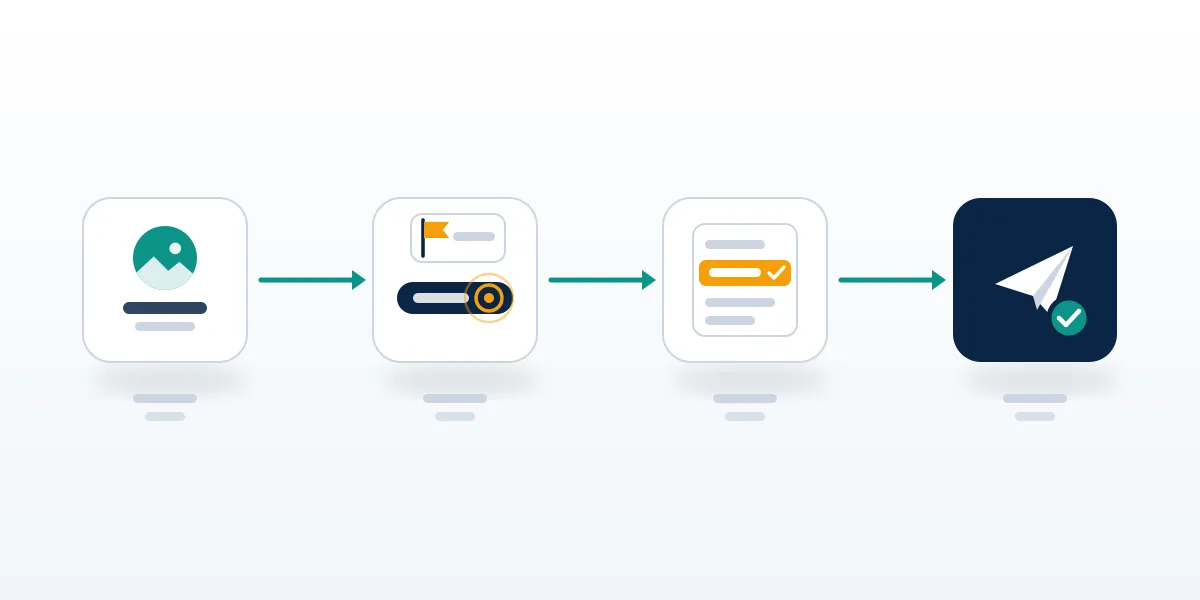
There is no report reason called "sextortion" or "blackmail". Pick the closest one Snapchat offers: choose Nudity or sexual content when an image is involved, or Harassment or the threat option when the leverage is a threat, and then describe the extortion in the language of the category you selected, since the reviewer checks the rule you named and not another. Can I report someone on Snapchat if we were never friends? Yes — the account report works on strangers, and if they have already blocked you, the in-app door shuts and you file instead through Snapchat's web safety-concern form, which needs neither the app nor a friendship. When the goal is removal of a whole account rather than a single Snap, our guide to getting a Snapchat account taken down covers the routes that remain after the report.
What happens if you report someone on Snapchat, and will they know?
Your report goes to Snapchat's safety team, and no, the person is never told who filed it. Snapchat's stated position is that "reporting is confidential and the account-holder you reported won't be told who reported them," and it holds to that even if the person appeals. The account you report does get notified when Snapchat removes their content or restricts their account, so they learn that something happened — they never learn it was you. That answers the two questions people search most: if I report someone on Snapchat will they know, and if you report someone on Snapchat will they know. The answer is the same, and it needs no setting switched on. Instagram behaves almost identically, with one exception we cover in whether the person learns who reported them.
So what happens if you report someone on Snapchat after you submit? The report is measured against the Community Guidelines, and Snapchat says reporters are usually notified of the outcome "typically within a matter of hours." Violations get the content removed or the account restricted; anything Snapchat judges compliant stays up, because not all reported content breaks the rules. You can watch it move: the My Reports screen lists everything filed in the last 30 days as Submitted, In Review or Complete, and our full report-and-track walkthrough shows where to find it. Two things are fixed. A submitted report cannot be withdrawn, not even one sent by mistake, and a Snapchat account report filed after the account has already vanished rarely goes anywhere — which is the whole reason you screenshot first.
Reporting a fake account, an impersonator, or a scammer
Decide which of the three you have, because Snapchat files them under different rules and asks for different proof. A bot or throwaway profile spraying friend requests is spam or a deceptive practice, proved by the pattern of behaviour. An account using your name and your photos is impersonation, a harm against one identifiable person, proved by showing the genuine identity is yours. Both a fake Snapchat account report and a Snapchat report for impersonation run through the ordinary account path or the web form; for impersonation, send three things with it — the impostor's exact username, a link to your real profile, and screenshots of the copied material.
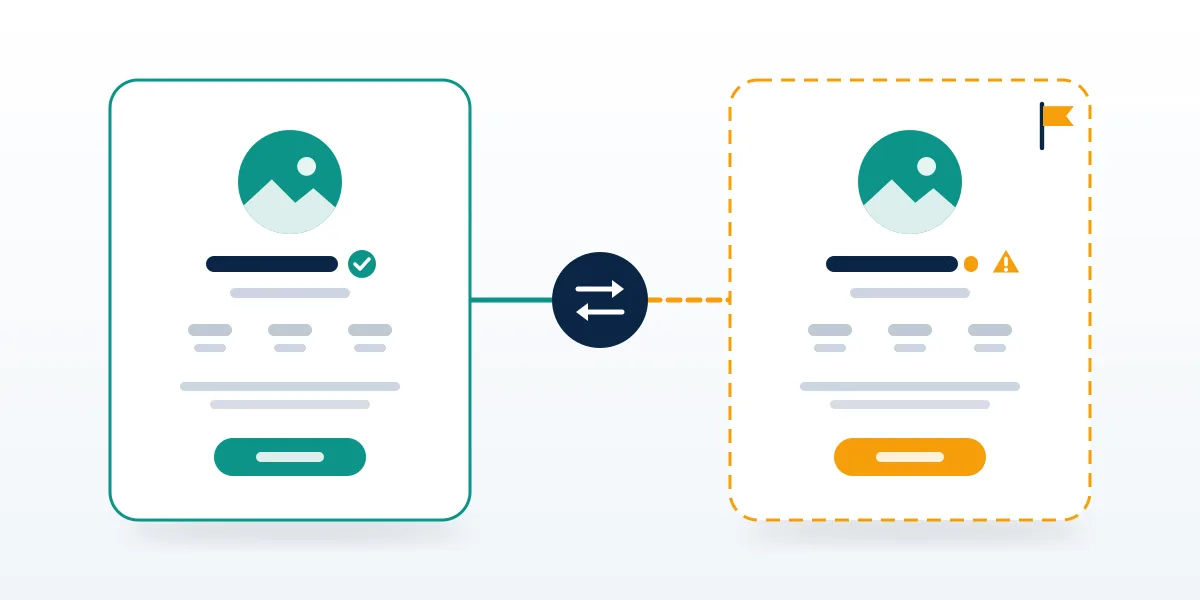
This matters here because sextortion almost always arrives from a fake account. Working out how to report a fake Snapchat account, and how to report a Snapchat scammer, is often the same task as reporting your blackmailer, since the profile flirting with you was built for exactly this. No Snapchat help page makes a government ID mandatory, so treat any guide presenting an ID upload as a requirement with caution — it can speed verification, it does not gate the claim. When money has changed hands, the report is only half the job: tell someone besides Snapchat, because the agencies worth contacting after a scam act where a platform cannot, and the parallel route for getting a fake or abusive account removed shows how the same logic plays out on Meta's apps.
Not sure whether what you are facing is a Snapchat report, a police report, or a hash submission that has to happen before anything is posted? Tell us what happened and Your Reputation Solution will say honestly which of the three it is, including when the answer is that you do not need us at all. No password, no login code, ever.
When Snapchat is not enough: police, NCMEC, and the free tools
Reporting to Snapchat and reporting to the authorities are parallel tracks, not alternatives, and in a sextortion case you run both. If you were under 18 when the image was taken, or the victim is a child, file with NCMEC's CyberTipline at report.cybertip.org; a parent or guardian can file on a child's behalf, and its 24-hour hotline is 1-800-843-5678. For adults, file at the FBI's IC3, and note the FBI added a dedicated non-consensual-imagery reporting form at ncii.ic3.gov, referenced in an IC3 public service announcement dated 10 August 2026. Snap's own financial sextortion guidance points victims to in-app reporting and to these outside resources rather than to any private "fixer".
Two free tools work before an image is ever posted, and no competitor guide on this topic mentions them. Which one you use depends on how old you were when the image was taken, not how old you are now: under 18 at the time means Take It Down, 18 or over means StopNCII.org. Neither uploads your image — each creates a hash on your own device and sends only that, which participating companies, Snap among them, match against uploads. The catch is real and worth stating: neither reaches private or encrypted messages, neither covers sites off their partner lists, and neither is guaranteed to catch a copy that has been cropped or re-encoded. Since 19 May 2026 the FTC has enforced the US TAKE IT DOWN Act, which requires covered platforms to remove non-consensual intimate images within 48 hours of a valid request — a legal duty on the platform, not a promise your images disappear in 48 hours. Never ask the blackmailer, or a friend, to send you the image so you can submit it; where the person was under 18, that asks someone to transmit illegal material.
Can reports get an account banned? What actually decides it
Snapchat bans accounts; you cannot, and neither can anyone you pay. Snapchat names the three inputs that decide a penalty — "context, the severity of the harm, and the history of the account" — and report volume is not among them. So the honest answer to how many reports to ban a Snapchat account is that the number does not matter: one well-evidenced report against a serious violation carries further than fifty thin ones. Anyone selling a Snapchat account report service that promises an instant ban is selling a lever that was never built, and we took the Snapchat mass report bots and tools apart after enough people asked.
Coordinated reporting also carries a cost that nobody advertising it mentions. Snapchat warns that if you "frequently submit unfounded reports against others' content or accounts," it may, after a warning, suspend review of your reports for up to a year and, in serious cases, disable your account. Rally friends to brigade someone and the likely result is Snapchat ignoring you for twelve months, exactly when a real threat needs it to listen. Volume is not evidence. Evidence is evidence.
What Your Reputation Solution does, and what it will not
Here is the boundary, plainly, because a sextortion victim is a target twice over. Your Reputation Solution files and escalates the report and assembles the evidence a reviewer can act on; Snapchat's safety team makes the final call, and nobody outside Snap can promise a removal or a ban. We publish no success rate and no turnaround time for platform reports, because Snap publishes none and any figure we invented would be marketing. We never ask for your password or a login code, and Snapchat warns that its own employees never contact you through Snap or Chat.
Read one thing before you hire anyone for sextortion help, us included. The FBI has a standing warning, alert I-040723-PSA dated 7 April 2023, about for-profit companies charging sextortion victims; it documents $5,000 taken from a juvenile victim and a representative offering to find a sextortionist for $1,500 while discouraging contact with law enforcement, and states that some of these firms are themselves involved in the extortion. Every free route above — in-app reporting, StopNCII, Take It Down, the CyberTipline, IC3, your local police — costs nothing, and no paid service substitutes for any of them. Where a minor is involved or the material is illegal, the answer is the authorities and NCMEC, and we will say so rather than take the work. What our team handles is the aftermath: account recovery when access is gone, and the search-results cleanup that sometimes follows months later, inside the published limits that spell out where we stop. The named specialists who do that work, several of them former platform Trust & Safety staff, are on our team page.