What the Instagram blackmail scam actually looks like
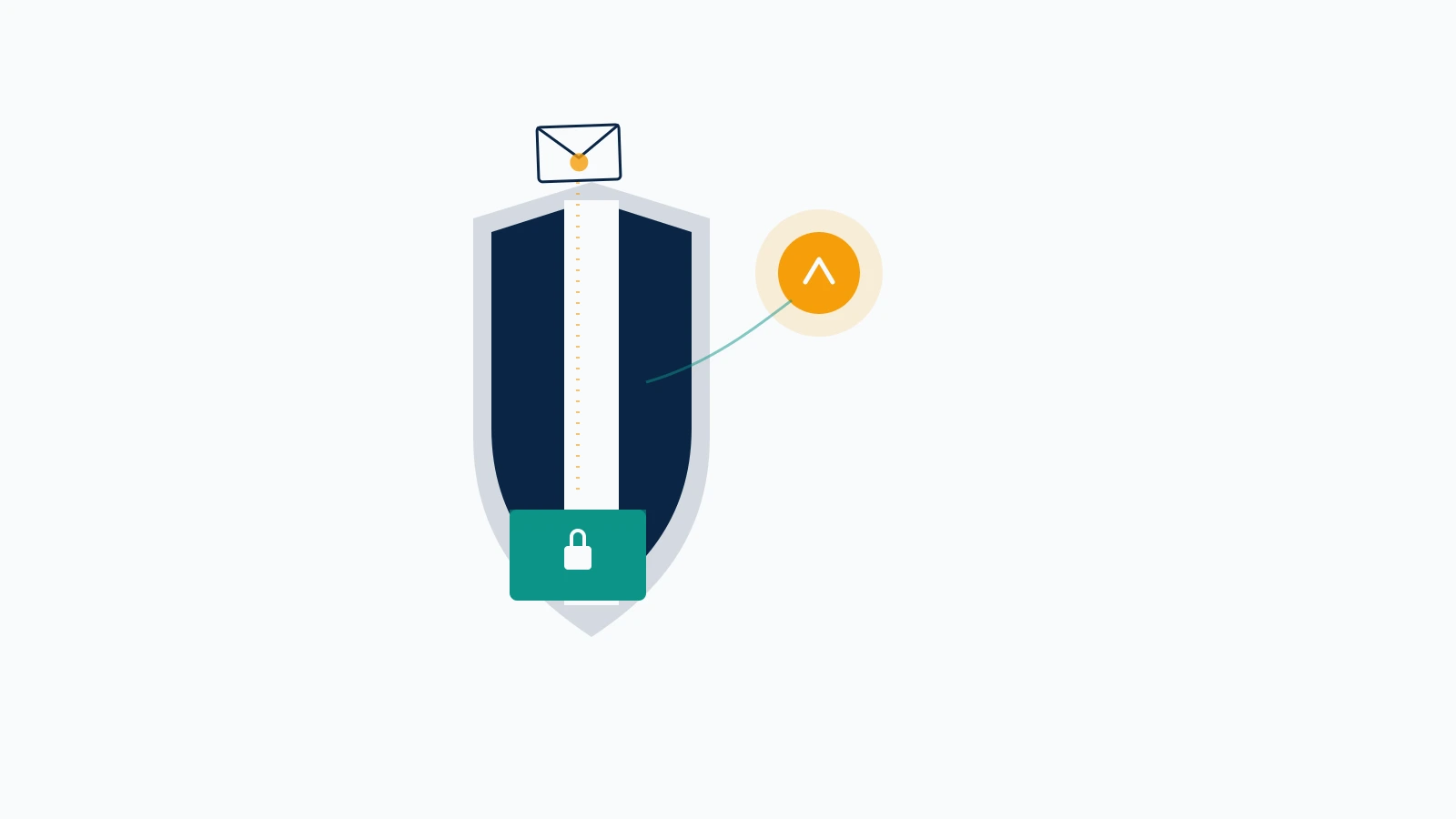
The Instagram blackmail scam runs on a script, and the script barely changes. A new follower with a plausible profile opens a friendly conversation. It moves fast: flattery, then a video call or a request for a photo. Within minutes of getting something, the tone flips. Screenshots of your follower list arrive, and so does a deadline.
That speed is the tell. Real relationships do not travel from first message to intimate image to threat inside an hour. Extortion crews run dozens of these conversations at once from a template, which is why the messages carry the same phrases and the same claim that everyone you know has already been downloaded.
Two things are worth knowing while you are still inside it. The threat to send images to your contacts is usually a claim about capability rather than intent, and on a public account a follower list proves nothing, because anyone can already see it. The second is that the same crew normally runs the same stolen photos across several platforms at once, so check whether that face is live on TikTok too, because reporting a fake account on TikTok is free and anonymous.
Sextortion on Instagram is the narrower case: the leverage is a nude or sexual image rather than a secret. The reporting mechanics below are identical for both.
The first fifteen minutes, before anything else
If you are being blackmailed on Instagram right now, work through this list in order. It is short on purpose.
- Stop replying. You owe this person nothing, and every reply confirms the account is live and worth working.
- Do not pay. Payment marks you as someone who pays. The demands continue.
- Do not delete the conversation. It is the only evidence you have.
- Capture it. Screenshot the threats, the profile and the username, and note the date. Save the profile URL as text too, because usernames change and accounts vanish.
- Lock the account down. Set your profile to private and hide your follower list. This does not undo what they hold, but it ends the harvesting.
- Tell one person. A partner, a friend, a parent. Isolation is the pressure this entire scam depends on.

One ordering mistake costs people their case. Blocking feels like the natural first move, and it is the wrong one to make first. Blocking, reporting and banning are three different actions with three different effects, and our guide to what blocking actually does covers that distinction on Meta's other messaging product. Capture first, report second, block last.
If you are having thoughts of harming yourself, stop reading and call or text 988 in the United States, or use the 988 Suicide & Crisis Lifeline chat. This scam has driven people to that point, and it is survivable. Nothing else on this page matters more.
How to report blackmail on Instagram, message and profile
Report the message and report the profile.
They are separate reports that reach different places, and doing only one is the most common reason people feel ignored. How to report sextortion on Instagram is the same sequence, and how to report extortion on Instagram follows that identical path, because Instagram's menus draw no distinction between the three.
Instagram's own help article for reporting a message is written for desktop, so it says "hover over the message" and "click Options". On a phone, in practice you press and hold the message bubble to reach the same Options → Report menu, but Instagram does not publish a step-by-step mobile version, so the wording on your screen may differ. To report a whole thread, open the conversation, tap More information at the top right, then Report.
There is no report option called "sextortion" or "blackmail". The reasons Instagram lists are "Bullying or unwanted contact", "Nudity or sexual activity", "Violence, hate or exploitation" and similar. Meta says it added a dedicated option for reporting DMs that threaten to share private images, but it has never published what that option is called on screen, so choose the closest description you can see. The category decides which review queue reads your report, and our breakdown of the five reporting surfaces Instagram offers maps which one goes where.
Report both, and here is why. Reporting the message captures the threat itself, but Instagram says it "reviews up to 30 of the most recent messages sent in reported conversations", so an older threat can fall outside that window. Instagram's own guidance for threats to share private images is to report the person's profile. Searches for report Instagram account for sextortion far outnumber searches for the message-level report, and here the popular instinct is right: the profile route is the one Instagram recommends.
If you have already blocked them, you have probably not lost the thread. Instagram states that after you block, "your messaging threads with them will remain in your Direct inbox". The Report option inside it is still there. That is not stated as a guarantee, so report before you block if you still can. Either way your report is anonymous, except when reporting an intellectual property infringement.
Is there an Instagram sextortion report form or email?
No. This is the biggest piece of misinformation in the topic, and it sends people chasing addresses that do not exist while the clock runs.
Instagram has no sextortion hotline, no report sextortion Instagram form, and no Instagram report sextortion email you can write to. Meta does not publish a customer-service email address or phone number for Instagram at all. Its own points of support and contact on Instagram page lists only the Help Centre, in-app reporting, an AI support assistant, and a postal address in Dublin. Anyone offering you an "Instagram sextortion support email", an "Instagram insider", or a paid "escalation" is not from Instagram.
The widely quoted line that you can "fill out a form and the person won't be notified" is not on Instagram's live blackmail article. It comes from Facebook's equivalent page and survives mainly in stale search snippets.
What does exist:
- In-app reporting, covered above. Instagram's article on dealing with blackmail is short, and its instruction is to report it and contact your local law enforcement. It never uses the word "sextortion", and it does not link to StopNCII or Take It Down.
- StopNCII.org and Take It Down, the two off-platform tools in the next section, which work before anything is posted.
- One narrow Meta web form, for intimate images that have already been posted. Meta's own help page states it is "currently available for residents of Texas and Florida" while it rolls out to the rest of the US. It is not a sextortion form, and it does not help while you are only being threatened.
- Meta's law-enforcement portal at facebook.com/records, closed to the public. Meta states it will not review or respond to requests from non-law-enforcement officials. Only police can use it, which is one practical reason to file a police report.
Real Instagram web forms do exist for adjacent problems, including impersonation and under-age accounts. None of them is a route for an Instagram report blackmail attempt.
What Meta actually does once you file
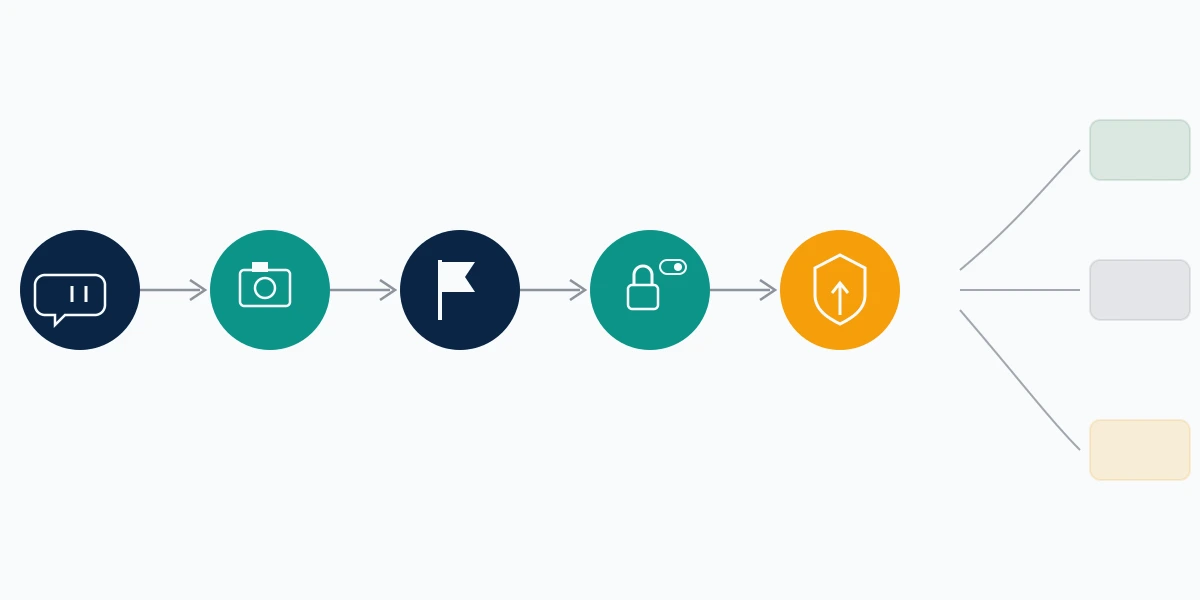
Your report joins a queue sorted by the category you picked. A reviewer, or a classifier, checks the reported content against the Community Standards and decides. You see the outcome in your Support Requests inbox, and you are told nothing further about the account.
Meta publishes no response time for these reports. Neither does any other platform, and neither do we. Anyone quoting you a guaranteed review window or a removal rate for Instagram reports is quoting a number Meta has never released.
The category trap is silent, and worth naming. Meta's queues are category-locked, so a report filed into the wrong one is assessed against the wrong policy and closed without anyone reading it as the thing you meant. The same trap sinks valid claims elsewhere on the platform, which is why our walkthrough of the Instagram trademark infringement report form spends most of its length on routing rather than paperwork. Describe the threat in the language of the category you selected.
Nudity blurring is not a report either. If Instagram blurs an image sent to you or your child, nothing has been reported. Instagram states the feature "is not designed to moderate content or enforce against accounts", and that Meta reviews a blurred photo only if you report it.
The two free tools that work before anything is posted
Most people find these too late. They are the only tools here that work pre-emptively, from anywhere in the world.
Which one you use depends on how old you were when the image was taken, not how old you are now. If you were under 18 when it was taken, use Take It Down, even if you are an adult today. If you were 18 or over when it was taken and you are over 18 now, use StopNCII.org. Both require you to still have the file on your own device. Neither tool uploads your image: both create a digital fingerprint, a hash, on your own device and send only that, and participating companies then check uploads against it. Take It Down currently lists 12 participating platforms and StopNCII lists 20, with Instagram, Facebook and Threads on both. Neither reaches private or encrypted messages, neither covers sites off the list, and neither is guaranteed to catch a copy that has been cropped, screenshotted or re-encoded.
StopNCII names this exact situation in its FAQ and endorses acting before anything is shared. If all you have is a screenshot of a video, it says to crop that screenshot as much as you can and submit it, while warning that "this may not protect from a video being shared". Deepfakes are in scope too.
Never ask the blackmailer, or a friend, to send you the image so you can submit it. Where the person in it was under 18, that asks someone to transmit child sexual abuse material, and NCMEC forbids it outright. If you cannot reach the device the images were taken on, file a CyberTipline report instead.
If an image is already public rather than merely threatened, the route changes, and our guide to what to do when someone posted a picture of you on Instagram covers removal for content already live.
Not sure whether your situation is a report, a hash submission, or something that needs to leave the platform entirely? Tell us what happened and we will tell you honestly which of the three it is, including when the answer is that you do not need us at all.
Who to tell outside Instagram
Reporting to Instagram and reporting to the authorities are parallel tracks, not alternatives. Run both.
For a victim under 18, the FBI's own sextortion pages name three routes, and IC3 is not among them: contact your local FBI field office, call 1-800-CALL-FBI, or report online at tips.fbi.gov. For adults, file at ic3.gov, where the complaint form sits at complaint.ic3.gov. Read what you are agreeing to first: you must tick a statement reading "I will not be contacted by the IC3." Treat it as adding your case to the FBI's national picture, not as opening a case someone will ring you about. The FBI has since added a dedicated Victim Reporting Form for non-consensual intimate images at ncii.ic3.gov, referenced in an IC3 public service announcement dated 10 August 2026, whose first screen asks whether you were a minor in any of the images and routes the case accordingly.
Since 19 May 2026 the FTC has enforced the US TAKE IT DOWN Act, requiring covered platforms to remove non-consensual intimate images within 48 hours of a valid removal request — one carrying your signature, enough detail to locate the content, a good-faith statement that it was non-consensual, and your contact details.
That is a legal duty on the platform, not a promise your images will be gone in 48 hours.
File with your local police as well, wherever you live. It is the police, not you, who can use Meta's law-enforcement portal.
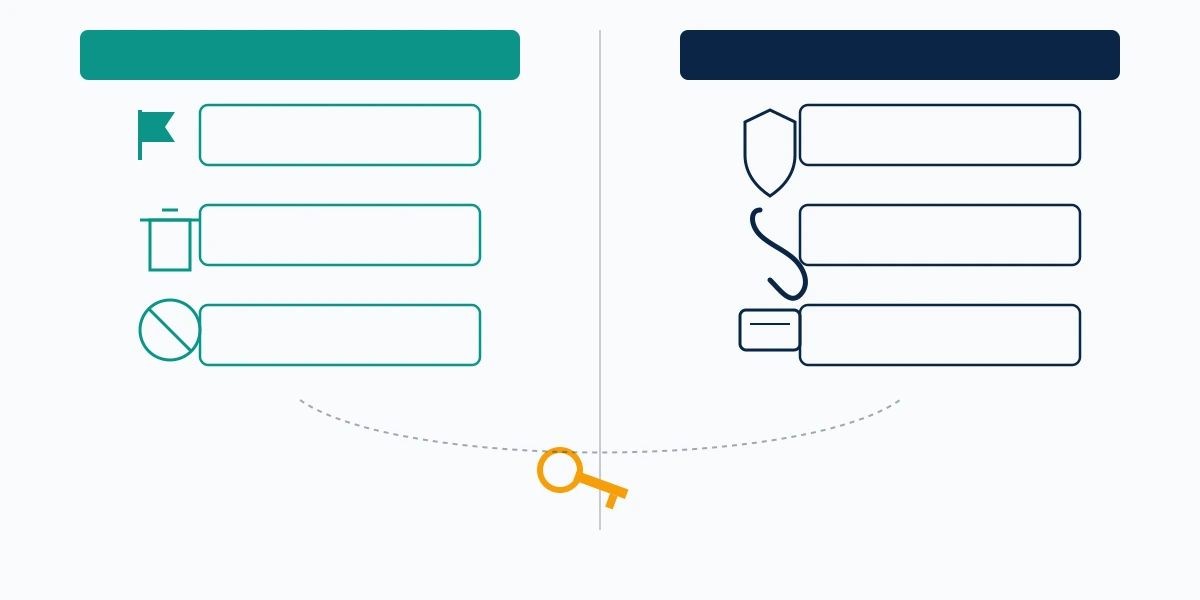
Most of the free help here is geographically limited: 988 and the 741741 text line cover only the US and its territories, the CyberTipline and the FBI are US agencies, the UK Revenge Porn Helpline serves only UK residents aged 18 or over in weekday office hours, and Australia's eSafety requires an Australian connection. Only StopNCII.org and Take It Down work from anywhere in the world. Wherever you live, also report to your own local police.
These crews rarely stay on one app. Payment demands usually migrate to Telegram or a crypto wallet within the first hour, and when the conversation moves the reporting address moves with it, so where to file a Telegram scam report is worth a second tab.
My son is being blackmailed on Instagram. What do I do first?
If you are a parent reading this at speed, three things, in this order.
Tell them they are not in trouble. Say it before anything else, and mean it. The FBI's guidance on financially motivated sextortion notes that victims are typically boys between 14 and 17, and shame is the mechanism the whole scam runs on. A child who expects punishment keeps paying alone. Saying it out loud is the intervention that matters most.
Report to NCMEC, not only to Instagram. File at report.cybertip.org, NCMEC's CyberTipline. A parent, caregiver or legal guardian can file on a child's behalf, and the form asks directly who the report concerns; your child can also self-report. NCMEC's 24-hour hotline is 1-800-843-5678. NCMEC reviews every tip and passes it to the appropriate law-enforcement agency for possible investigation. It publishes no response time and does not investigate cases itself, so file the CyberTipline report and contact your local police.
Use Take It Down, on the right device. If images exist, submit them through Take It Down, which must be done on the device the images were taken on. NCMEC does not say whether a parent may file on a child's behalf; it does say that if you cannot reach that device, make a CyberTipline report instead. Do not ask your child to forward you the images.
On the figures, because they are widely mangled. From October 2021 to March 2023 the FBI and Homeland Security Investigations received over 13,000 reports of financial sextortion of minors, involving at least 12,600 victims, and at least 14 suicides during that timeframe. The FBI separately states it is aware of over 20 deaths by suicide from financially motivated sextortion, with no period attached. Those two numbers get merged online into one alarming claim. They are not the same figure.
Instagram Teen Accounts and DM nudity blurring are real and worth turning on, but they are not a shield. Nudity protection is on by default for under-18s only, covers photos rather than videos or Stories, and does not work on desktop. Independent testing published on 25 September 2025 by Arturo Bejar with the Molly Rose Foundation, Fairplay, ParentsSOS and Cybersecurity for Democracy rated 30 of 47 Instagram safety tools non-existent or ineffective. Meta disputes the findings; they have not been withdrawn. Check the settings yourself: Instagram set existing accounts to private for under-16s, but its help centre states that teens aged 16 to 17 with existing public accounts were not automatically switched.
What not to do
The search that brings most people here is some version of instagram blackmail scam what to do, or its sibling instagram sextortion what to do, typed one-handed at two in the morning. Here is the other half of the answer: the instincts that make things worse.
Do not pay, and do not pay a second time. Paying is the signal the crew is testing for.
Do not delete your account. It destroys your evidence, ends your access to the report you filed, and removes nothing they already hold.
Do not rally friends to mass-report the account. This is the most common well-meant mistake, and it achieves nothing. Platforms weigh confirmed policy violations, not report volume, which is why mass report bots cannot get an account banned however many accounts fire at once. Twenty reports from twenty friends is still one violation, assessed once.
Do not buy someone a ban. You cannot purchase an outcome from Meta's enforcement queues, and our breakdown of ban services that promise a guaranteed takedown sets out what a paid reporting desk can and cannot legitimately do.
Do not trust view-once or disappearing messages to protect you next time. Instagram states it plainly: if you send a nude or sexual photo of yourself, the recipient can take a screenshot, even if you send a disappearing photo or unsend it quickly. A second device photographing the screen defeats all of it anyway.
If the attacker got into your accounts as well
Sextortion sometimes arrives alongside an account takeover rather than a conversation. The pattern differs: your own account starts messaging your contacts, or the demand arrives from inside a session you never opened.
Treat it as a compromise from minute one. The first day is when recovery is most likely to work, and our step-by-step Instagram recovery guide covers the order Meta expects. If they reached your messaging apps to get at your contact list, the same clock applies, and recovering a hacked account once the attacker is inside is a first-24-hours job too.
One check settles most "is this email real?" panics, and a scammer cannot fake it. Instagram does send genuine security emails, from domains including support.instagram.com, mail.instagram.com and facebookmail.com, so do not assume every Instagram email is fake. Open the app instead: Settings → Accounts Centre → Password and security → Recent emails shows everything Instagram actually sent you in the last 14 days. Instagram will never contact you about your account by direct message.
Locked out, and locking everything down afterwards
Nobody plans for this one. The DM thread you need for a police report sits inside an account you can no longer open, because the attacker changed the recovery email, or because your own lockdown locked you out too.
Do not start deleting and re-creating. Recovery routes exist that do not depend on remembering your login, and the equivalent problem on X is walked through in our guide to getting back in without your login details. The principle holds everywhere: platforms verify you through a channel you still control, not the one that was taken. When codes stop arriving, the cause is usually a changed number or a mail rule the attacker left behind rather than a platform fault, and the diagnostic order in our notes on verification codes blocked after an account takeover applies to Instagram too. Screenshot whatever you can still see from another logged-in device before attempting any reset.
Once the immediate threat is contained, assume one password is many passwords. Work outward from the compromised account: change its password, then the email behind it, then everything sharing that password, and switch two-factor authentication to an app rather than SMS. Reused credentials are why a single leak spreads, so the password reset paths after a credential leak are worth running on every platform in the chain. If you are told to wipe or replace the device, migrate deliberately, because a rushed migration can lose the evidence archive you built in the first fifteen minutes; the mechanics of recovering your account on a replacement phone are the same across Meta's products. Business owners have one more door to check, since an extortion campaign aimed at a person routinely spills into the company's accounts, and Meta runs a separate Business appeal route from the consumer one.
Where paid help fits, and the scam the FBI warns about
Instagram blackmail help divides cleanly into free and paid, and the free half is the half that matters. In-app reporting, StopNCII, Take It Down, the CyberTipline, tips.fbi.gov, IC3 and your local police all cost nothing. Use them first. No paid service substitutes for any of them.
Then read this before hiring anyone. The FBI has published a standing warning about for-profit companies charging sextortion victims for assistance, alert I-040723-PSA, dated 7 April 2023. It documents $5,000 solicited from a juvenile victim, $2,000 and then a further $3,200 from another, and a representative offering to locate a sextortionist for $1,500 while discouraging the victim from contacting law enforcement. Its most serious line is that limited reporting indicates some of these companies are directly or indirectly involved in the sextortion activity itself. A second scam aimed at people who have just been extorted is a documented pattern, not a hypothetical.
So here is our boundary, plainly. We never ask for your password. We do not pay extortionists, we do not file DMCA claims we cannot support, and we do not promise removal or a ban, because nobody outside Meta can promise either. We publish no success rate and no turnaround time for platform reports, because Meta publishes none and any figure we invented would be marketing. Where a minor is involved, or the material is illegal, the answer is the authorities and NCMEC, and we will say so rather than take the work. What we handle is the aftermath: Instagram account recovery when access is gone, and the search-results cleanup that sometimes follows months later. Our breakdown of recovery service pricing, and the scams around it applies that same standard where we have nothing to sell you.
Related reading and commercial services. Two adjacent Instagram problems and two paid vendors, listed here rather than anywhere above, so that nothing on this page asks you to spend money mid-crisis. Why mass-report bots don't work on Instagram is an editorial debunking piece. How to tell whether an Instagram "ban service" is honest is a commercial site whose nine-point vendor checklist is useful for testing anyone you are considering, its own author included. Obscura is a commercial content-removal and defamation takedown service rather than a sextortion service; it operates from a UK address with Colombian contact numbers and publishes self-reported statistics we have not verified. Apply the FBI's warning above to all three, and to us.