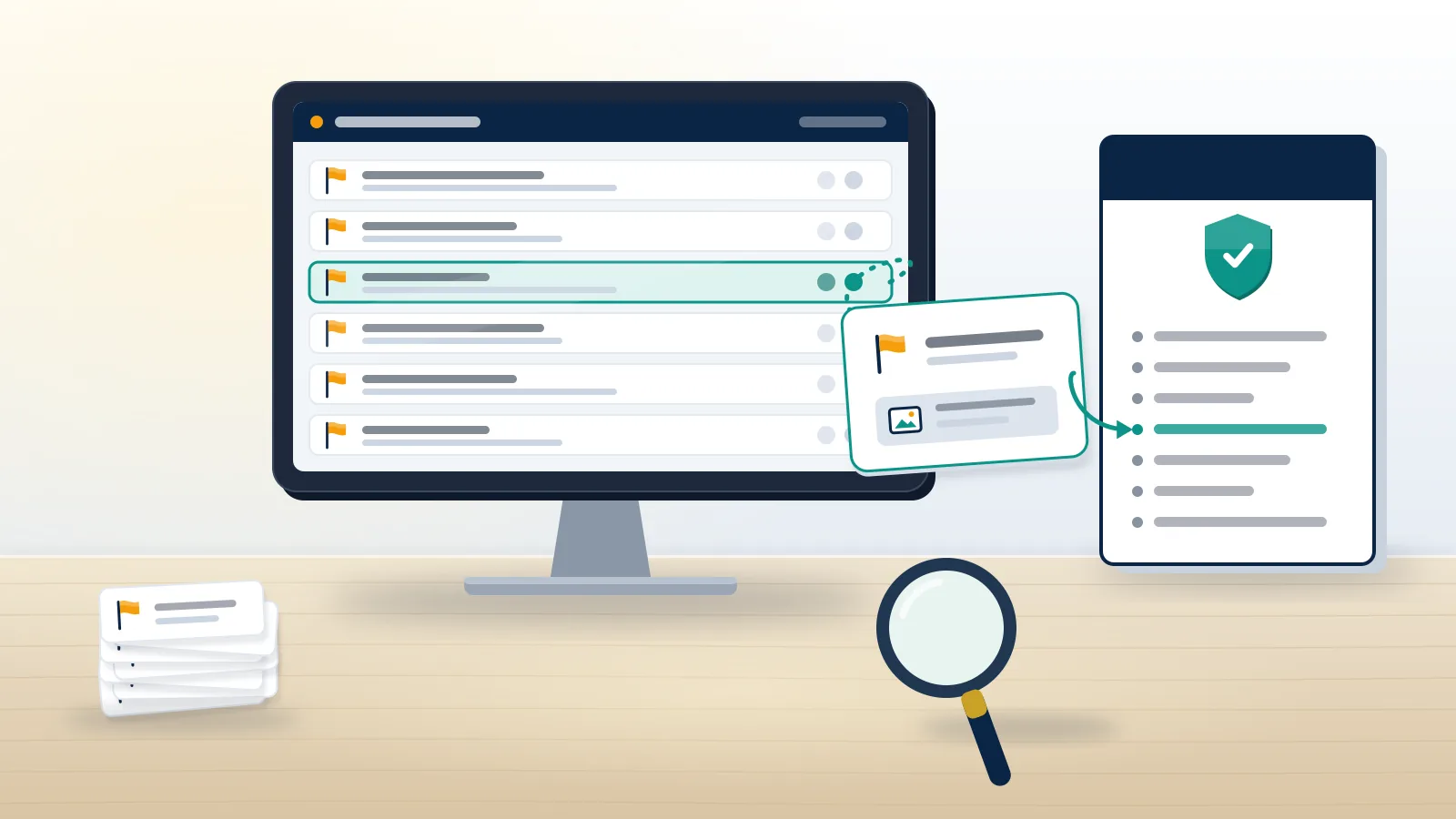
What does mass report mean?
A mass report is many reports filed against the same account, post, channel or group within a short window, usually by people acting together. That is the whole mass report meaning: coordination plus volume, aimed at one target. The reporters might be a fan community, a group chat, a company's support staff, or a script driving hundreds of throwaway accounts. The target might be a scammer, an impersonator or a harasser. It might also be someone whose only offence is an opinion the group dislikes.
So what is mass reporting, mechanically? It is the ordinary report button, used at scale. No platform offers a special "mass" tool, and none treats a burst of reports as a separate kind of complaint. Every report travels through the same pipeline a single report would: it is logged, matched to the category the reporter picked, grouped with other reports on the same item, and placed in a review queue. That is why the mass reporting meaning most people assume, where enough reports add up to an automatic ban, is wrong on every major platform. Anyone asking what does mass report mean is usually asking a second question underneath it: does it work? Volume buys attention. It does not buy a verdict.
Your Reputation Solution is a reputation management and account recovery service that prepares policy-matched reports for people facing fraud, impersonation or abuse, and helps account owners who were mass reported get back in. Seeing both ends of the same queue is the reason this guide splits mass reporting into the parts that work and the parts that backfire.
Platform mechanics differ in the details. Our guides on what happens when you report someone on Twitter and how to report someone on Twitch cover two of them step by step. This page stays at the level every platform shares, so the question "what is mass report, and is it allowed?" gets one answer instead of eight.
How does a platform handle a mass report account case?
It deduplicates and reviews, it does not count votes. When a mass report account case arrives, reports on the same item are grouped, automated classifiers check the item first, and anything the classifier cannot settle goes to a human reviewer who compares it with a written rule. A spike in reports can move the item up the queue. It cannot change which rule applies. A post that breaks no rule survives a thousand reports, and a post that breaks one can come down on the first. YouTube states this in its help center: flagged content is not automatically taken down, and reviewers check it against the Community Guidelines. Meta's Community Standards work the same way, and most of what Meta removes is found by its own systems before anyone reports it: in its India compliance report for January 2022, 99.23% of actioned Facebook content was flagged proactively (Meta monthly compliance report, 2022).
| Platform | What a report triggers | What decides the outcome | Penalty ladder |
|---|---|---|---|
| Facebook / Instagram | Classifier check, then human review if unclear | Community Standards match | Strikes, feature limits, disabled account |
| TikTok | Review of the video, comment, LIVE or account | Community Guidelines plus strike history | Warning, strikes, permanent ban |
| YouTube | Review of the flagged video, comment or channel | Community Guidelines | Warning, then 3 strikes in 90 days ends the channel |
| X (Twitter) | Review of the post or account | The X Rules | Label, post removal, lock, suspension |
| The last five messages are forwarded to WhatsApp | Terms of Service | Account ban | |
| Telegram | Moderator review of public content | Terms of Service | Removal, or a blocked channel or group |
The ladder column matters more than the report count. TikTok, for example, bans on accumulated strikes inside a set window, so the useful question is how many violations to get banned on TikTok, not how many people pressed the button. YouTube's process is laid out in our guide on how to report a YouTube channel, and messaging apps behave differently again: read what happens if you report someone on WhatsApp before assuming a chat report works like a feed report. Telegram only moderates public spaces, which is why how to report a Telegram group is a different job from reporting a private chat.
Your Reputation Solution sees the same thing from the appeal side, as of October 2026: a takedown notice names one rule and one piece of content. It never names a report count.
Is mass reporting illegal?
In most countries mass reporting is not illegal by itself, but false reports, fake accounts and harassment campaigns can break both platform terms and the law.
So, is mass reporting illegal? It depends on what the reports say and who files them. Three layers apply. The first is the platform's own contract: every major service bans fake accounts, automation and misuse of its reporting tools, so a bot-driven campaign breaks the terms even where no statute does. The second layer is notice-abuse law. In the EU, Article 23 of the Digital Services Act requires online platforms to suspend, after a prior warning and for a reasonable period, the processing of notices from people who frequently submit manifestly unfounded ones. In the US, 17 U.S.C. § 512(f) makes anyone who knowingly misrepresents infringement in a takedown notice liable for damages, which is why a false TikTok copyright infringement claim filed to knock a rival offline is a legal risk and not just a policy one.
The third layer is criminal law, and it applies when the reporting is part of a wider pattern of targeting a person. The US federal stalking statute, 18 U.S.C. § 2261A, covers a course of conduct through an interactive computer service that is intended to harass and causes substantial emotional distress. A reporting wave combined with threats, or with publishing someone's address, sits much closer to that line than a group of victims reporting a scam page. If personal details are being posted, how to report doxxing on Twitter explains the faster privacy route. Outside the US the frameworks differ, and our page on negative content removal in Australia shows how one country's regulator handles abuse complaints that platforms ignore. None of this is legal advice; for a specific dispute, talk to a lawyer licensed where you live.
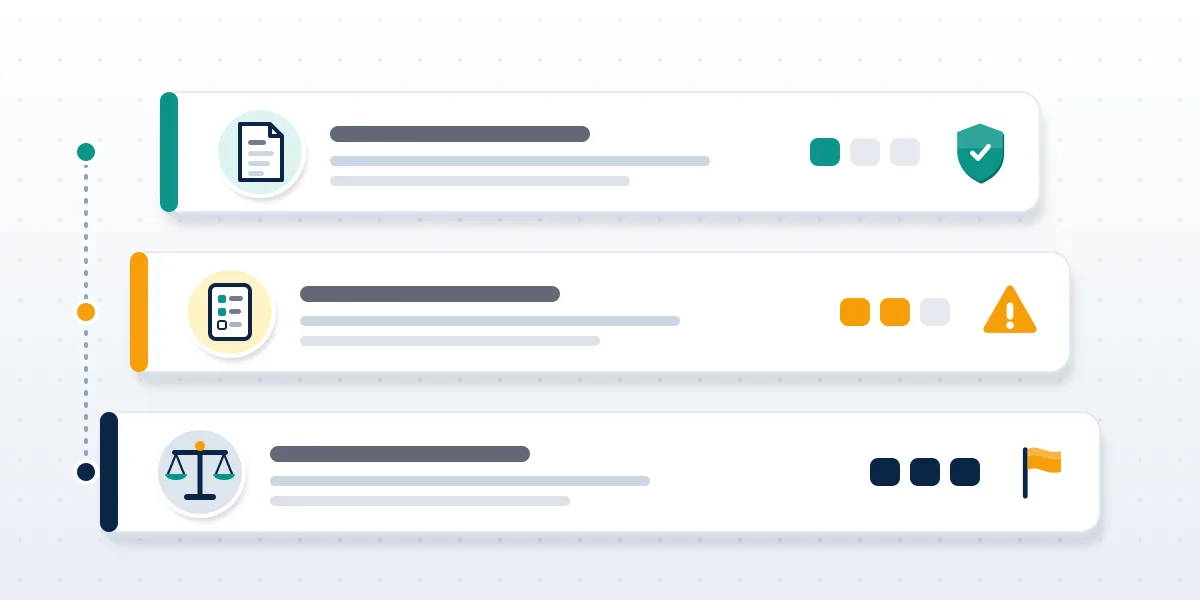
Dealing with a scam account, an impersonator or a harassment campaign? Your Reputation Solution reviews the evidence first and tells you which policy route fits before anything is filed. Request a free case review.
Can mass reporting get you banned?
Yes, on both ends. Reporters who file false or automated reports can lose reporting access or their accounts, and targets are banned only when reviewers confirm a real violation.
The reporter side is the one people forget. Report bots run on throwaway or hijacked accounts, and fake accounts are themselves a violation everywhere; X's platform manipulation and spam policy bans coordinated inauthentic activity outright. When a platform links a burst of identical reports to a cluster of new accounts, the cluster is what gets actioned. Under the DSA rule above, a person who keeps filing baseless notices can also find that the platform simply stops processing them.
The target side is less predictable. Wrong calls happen, especially when classifiers act before a human looks, and reversals are common: in the third quarter of 2021, Meta concluded its original decision was wrong in 13 of the 28 cases the Oversight Board shortlisted (Oversight Board transparency report, 2021). Knowing which rules actually end in suspension, covered in how to get someone suspended on Twitter, also tells you which reports against you can stick. Prevention helps too: our guide on how to avoid being banned on Instagram lists the behaviours that make an account look automated to a reviewer. If the ban already landed, the Snapchat banned account guide shows the appeal and deletion options side by side.
Practitioner note. When Your Reputation Solution reviews an account that went down after a reporting wave, the file usually tells the story in the first line of the notice. If the cited rule is vague, such as "spam" on an account with years of normal history, the appeal tends to land, because the reviewer on appeal sees the same history we do. If the cited rule matches a real post, the number of reports that surfaced it stops mattering, and so does the appeal wording. We tell clients which of the two cases they are in before they spend time on it.
How to mass report an account so the reports count
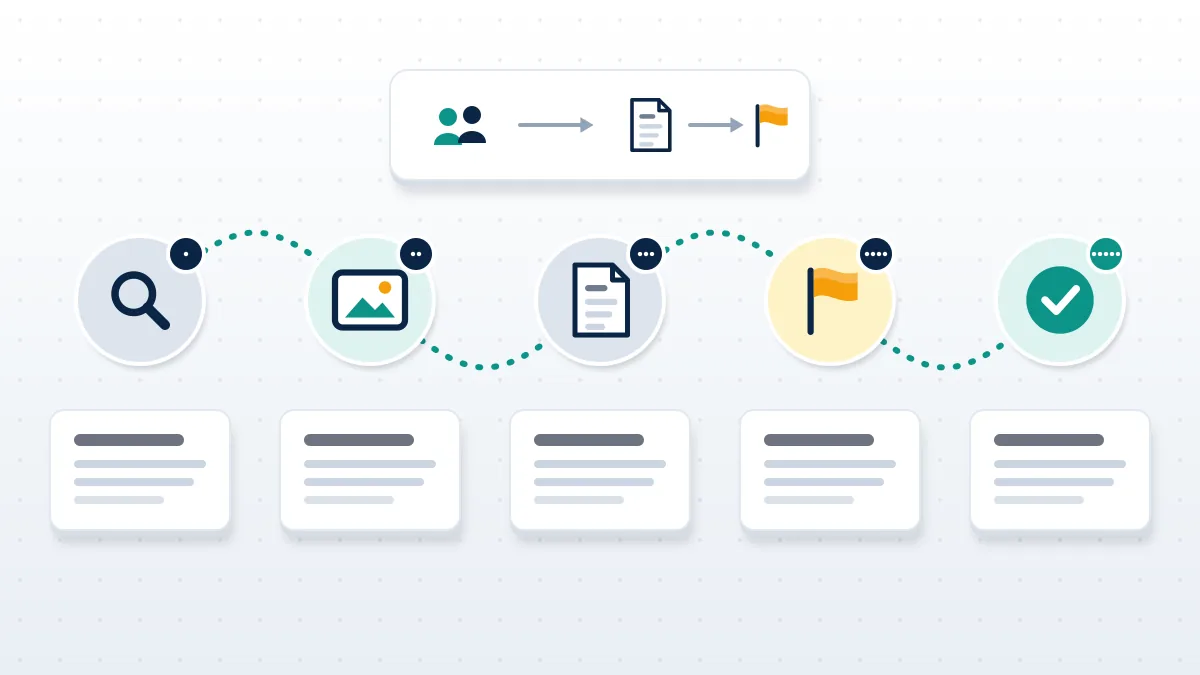
Have each person who actually saw the violation file one accurate report under the matching policy, with evidence, through the official channel. That is how to mass report without it backfiring.
- Name the rule first. Impersonation, fraud, harassment, intellectual property and privacy each have their own category, and a report filed under the wrong one is often closed without action. Impersonation has dedicated forms on most platforms; see how to report impersonation on Twitter and how to report a TikTok account for impersonation.
- Capture evidence before it disappears. Save profile URLs, post URLs, usernames and dated screenshots. Scam accounts delete posts fast once reports start.
- Pick the strongest channel. A web form for a specific harm often skips the general queue. Fraud victims should follow how to report a scammer on TikTok, and buyers on marketplaces should use the seller route in how to report a seller on eBay.
- One person, one report. No alt accounts, no pasted template text, no reporting the same post under five categories. Identical wording from many accounts is a pattern classifiers are built to spot.
- Report the right object. An account, a single message and a group are reviewed differently. The guides on how to report someone on WhatsApp and how to report a Snapchat account show where each option sits.
- Track and escalate. Note the date and the reference number. In the EU, the platform must tell you what it decided about your notice, and you can contest that decision through its internal complaint system (DSA Articles 16 and 20).
How to mass report an account, then, is mostly about quality. Ten honest reports with evidence from ten real witnesses beat a thousand copies of the same complaint, because the review only ever asks one question: does this item break this rule?
How to get an account banned without breaking the rules yourself
The only reliable way to get an account banned is to show the platform a violation its rules already prohibit. Volume and bots do not stand in for evidence.
People searching how to get someone's account banned are usually in one of two situations. Either they are being harmed, by a scam, a fake profile or harassment, or they want someone gone for a reason no policy covers. The first group has real routes and should use them in order: the in-app report, the dedicated form, the appeal or complaint process, and then outside bodies such as a consumer protection agency, the police or a court. The second group has no route, and a reporting campaign will not create one.
Platform-specific thresholds are worth knowing before you start. Facebook acts on strikes tied to an account's own conduct, explained in how do you get someone banned from Facebook, and YouTube terminates a channel after three Community Guidelines strikes within 90 days, which how to get someone's YouTube channel banned walks through. Your Reputation Solution works only the first kind of case: a documented violation, a matching rule and a clear request.
What Your Reputation Solution will and won't do
Your Reputation Solution files and escalates reports and appeals; the platform makes the final decision, every time. Here is where the service stops:
- No bots, no fake or purchased accounts, and no coordinated report campaigns against people who have broken no rule.
- No false copyright, trademark or privacy claims.
- We never ask for your password, your two-factor codes or remote access to your phone.
- No promised ban, no promised restoration, and no timeline we cannot control. See our disclaimer for the full limits.
Be wary of anyone selling a "guaranteed ban in 24 hours" for an upfront crypto payment. They cannot control a platform's review queue any more than you can, and many of these sellers take the money and disappear.
Sometimes the problem is not an account at all but what shows up when someone searches your name. Content has its own routes: our guide on how to remove negative content online sorts links by who can delete them, and a separate guide covers how to remove an arrest record from Google when the record is outdated, expunged or sealed.
What if your own account was mass reported?
Secure the account, then appeal the specific decision and cite the rule the platform named. A wrongful takedown is reversed through the appeal, not by waiting.
Start by changing your password and turning on two-factor authentication, because reporting waves sometimes travel with login attempts. Then read the notice closely. It names the rule, and the appeal should answer that rule with facts: when the content was posted, why it does not match the policy, and any context the reviewer could not see. Keep the tone flat and specific. Even a clean case usually takes 24 to 72 hours after a complete appeal, and many take weeks.
Each platform has its own appeal path. If a messaging account was hit, see how to recover a Telegram account banned after reports, or how to recover a banned WhatsApp account through the in-app review. Creators should follow how to recover a YouTube account, which covers locked, hacked and terminated channels separately. If you were targeted because of a dispute, keep a dated log of the reports, threats and accounts involved. That log helps the appeal, and it is the evidence a lawyer or the police will ask for if the campaign turns into harassment.