
What a suspension on X actually is, and what it is not
A suspension on X is an enforcement action taken against an account after a reviewer or an automated system matches specific behaviour to a named rule. It is not a vote. Most people arrive at this topic expecting a counter that fills up, and that expectation is the single biggest reason their reports go nowhere.
Before going further, answer one question honestly. Is the account impersonating you, harassing you, publishing your private information, or reposting content you own — or do you want it gone because you dislike what it says? This guide covers the first. There is no legitimate route for the second, and the closing section explains why attempts at it tend to rebound onto the person filing.
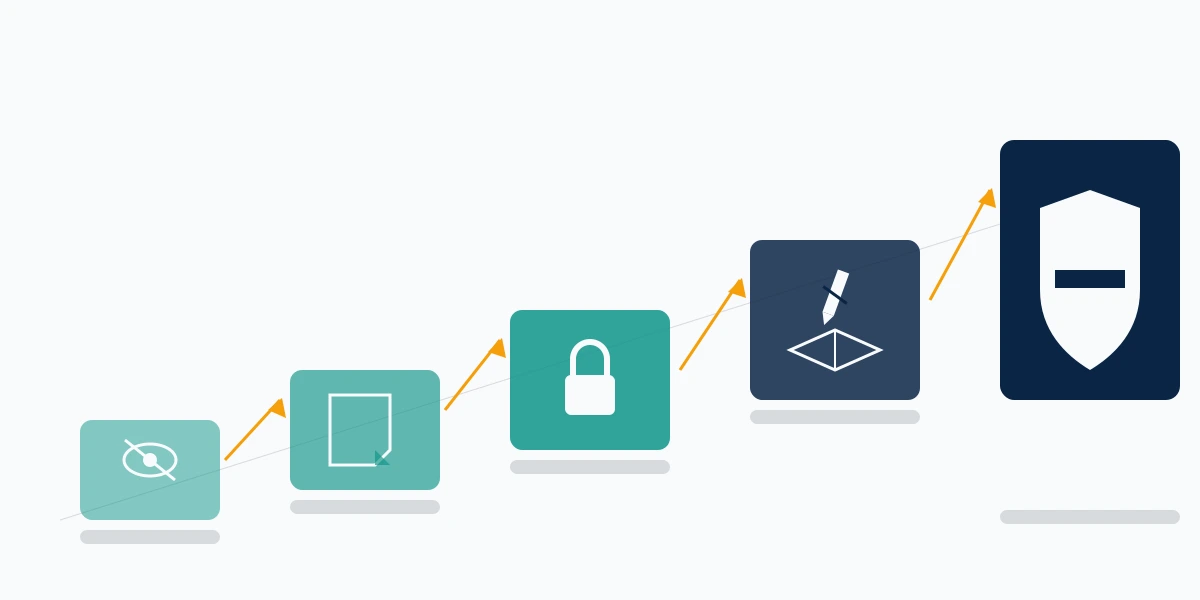
X publishes its range of enforcement options, and they form a ladder rather than a switch. Knowing which rung a violation lands on tells you what a successful report actually buys.
| Rung | What happens | Typical duration |
|---|---|---|
| Label or reduced reach | Post stays up, carries a notice, is downranked in search and replies | Indefinite, post-level only |
| Required post deletion | Posting blocked until the user removes that specific post; reading still works | Until they comply, and a read-only period often follows |
| Temporary lock | Sign-in works, but a phone or email challenge blocks use until contact details are verified | Hours to days |
| Read-only mode | Account can read and DM its own followers, but cannot post, like or repost | 12 hours to 7 days |
| Permanent suspension | Account removed from public view; replacement accounts also actionable | Permanent |
X's word for the enforcement action is suspension, not ban. Its notices documentation uses that vocabulary throughout, and where "ban" does appear in X's own rules it is almost always inside the compound "ban evasion" — the separate offence of coming back on a replacement account. Searches for how to get someone banned from twitter, how to get a twitter account banned, and how to get twitter account banned all point at the bottom rung of that table — permanent suspension. Permanent suspension is also the rarest of those outcomes, and the one demanding the most severe or most repeated conduct. Removing a single post is far more common, and for most victims it is the result that actually stops the harm. Our breakdown of who can actually remove a tweet covers the four parties holding that power, and reporting is only one of them.
Which behaviour actually gets a Twitter account suspended
X enforces against conduct, not against opinions you find offensive. Almost every report outcome turns on that distinction. People searching how to get a twitter account suspended, or how to get twitter account suspended, are really asking an eligibility question, so it is worth being concrete about what a reviewer can act on.
The reliably actionable categories are narrow. Abusive behaviour covers targeted harassment, threats of violence, and wishing harm on an identifiable person. The authenticity policy covers impersonation of a real person or organisation, including parody accounts that drop the labelling requirement. Publishing a home address, phone number, government ID or medical record falls under private information. Platform manipulation covers bot networks, engagement farms and coordinated inauthentic activity. The copyright policy handles reposted work you own.
Now the harder half. None of the following will get an account suspended, however the report is worded: disliking the account, being criticised by it, being blocked by it, an accurate post that embarrasses you, an argument you lost, or an unflattering opinion about your business. Reviewers close these quickly. Filing them repeatedly does not improve the odds, and it does put a pattern on your own account.
Two categories sit outside the reporting flow entirely and belong elsewhere the same day. Sexual content involving a minor goes to law enforcement and to a national reporting body, and the platform report should be filed as well. Credible threats to your physical safety go to the police first, with the platform report filed afterwards as supporting evidence.
Harassment rarely stays on one app. The reporting surfaces differ sharply between platforms, and our mapped routes for reporting harassment on Instagram show how differently Meta handles identical conduct. Stolen content carries its own trap: the Instagram DMCA takedown form forwards your name to the person you filed against, and X's copyright route works the same way.
How many reports to suspend a Twitter account?
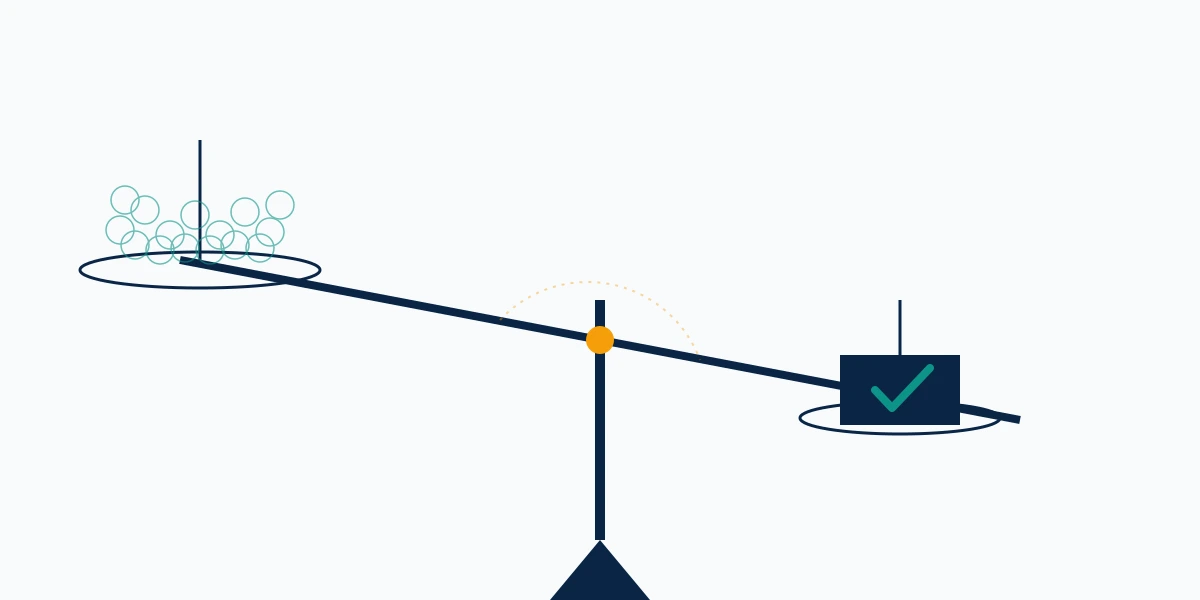
There is no number. X does not publish a threshold and does not operate one. Its enforcement philosophy describes decisions weighed against the severity of a confirmed violation and the account's history, not against a tally of complaints. One well-evidenced report from a single person can end an account. Two hundred vague ones can leave it untouched.
That gap between belief and mechanism sustains an entire scam economy. Anyone searching how many reports to suspend a twitter account is often about to buy something, and what they buy is a panel filing identical low-quality reports from disposable accounts — behaviour that is itself a platform-manipulation signal.
There is a sharper reason volume is the wrong lever. X's own developer forums carry a steady stream of the reverse complaint: accounts suspended after a coordinated report burst, then restored on appeal. Nobody outside X can prove causation from the outside, but a platform seeing that pattern has every reason to discount volume rather than reward it. A system vulnerable to volume is a system producing false positives, and platforms answer that by weighting reporter credibility and evidence quality instead of headcount. Every wrongful suspension caused by brigading is another reason for X to trust raw report counts less than it did the year before.
The same folklore circulates everywhere with the same result. Our test of mass report bot tools on YouTube found the mechanism identical: reviewers count confirmed violations, and bulk filings get deduplicated before a human ever sees them. Telegram makes the point most cleanly, because its ban categories are diagnosable: our guide to recovering a banned Telegram account shows enforcement sorted by violation type, never by complaint volume.
What Reddit gets right, and wrong, about getting an X account suspended
Traffic for how to get someone suspended on twitter reddit, how to get a twitter account suspended reddit, and how to get a twitter account banned reddit is looking for one thing: proof that a stranger made this work. That proof is thinner than it looks. Threads phrased as how to get someone banned on twitter reddit, how to get an account suspended on twitter reddit, or how to get a twitter account suspended fast reddit tend to repeat the same three claims, and two of them are wrong.
The wrong ones first. Claim one: a fixed number of reports triggers an automatic suspension. It does not, for the reasons above. Claim two: reports filed simultaneously carry more weight than reports filed across a week. Simultaneity is a coordination signal, and coordination signals are precisely what platform-manipulation systems exist to detect. The timing that folklore treats as an advantage is the timing that flags the reporters.
The claim Reddit gets right is worth more than both. Report the specific post, not only the profile. A profile-level report asks a reviewer to judge an entire account; a post-level report hands them a single artefact matched to a single rule, which is a much easier decision to make. Experienced reporters in those threads say this constantly, and they are correct.
One further piece of Reddit advice deserves a caveat rather than a verdict. Commenters will tell you that where several are genuinely affected, all of them should report. True — and it is not brigading. A group of real victims filing separate, evidence-backed reports about one account is exactly the situation the system was designed for. Brigading is people who were never affected filing on someone else's behalf. The line is standing, not headcount. It matters that each person files separately and in their own words: identical wording submitted on a shared schedule reads as one coordinated campaign, whoever sent it. Reporter anonymity also varies by queue and by platform; our breakdown of who sees your name when you report a TikTok Shop seller is the clearest worked example of a route where your identity travels with the complaint.
How to file a report X will actually act on
Work backwards. Pick the policy first, find the report route mapping to it, then write to that policy. Reports written as complaints get closed. Reports written as evidence get decisions.
Preserve evidence before touching the report button. Abusive accounts delete. Capture permalinks, full-screen screenshots showing the handle and timestamp, and where possible an archived copy of the page. A reviewer who opens your report and finds a dead link closes it in seconds.
Report the post and the account separately. Where the account's whole purpose is the violation, do both. Where a single post crosses the line, the post-level report is stronger alone.
Choose the narrowest accurate category. X routes reports into policy-specific queues, and the reviewer receiving yours checks against one rulebook. A harassment report filed under spam reaches the wrong desk and dies there. Nobody forwards it onward.
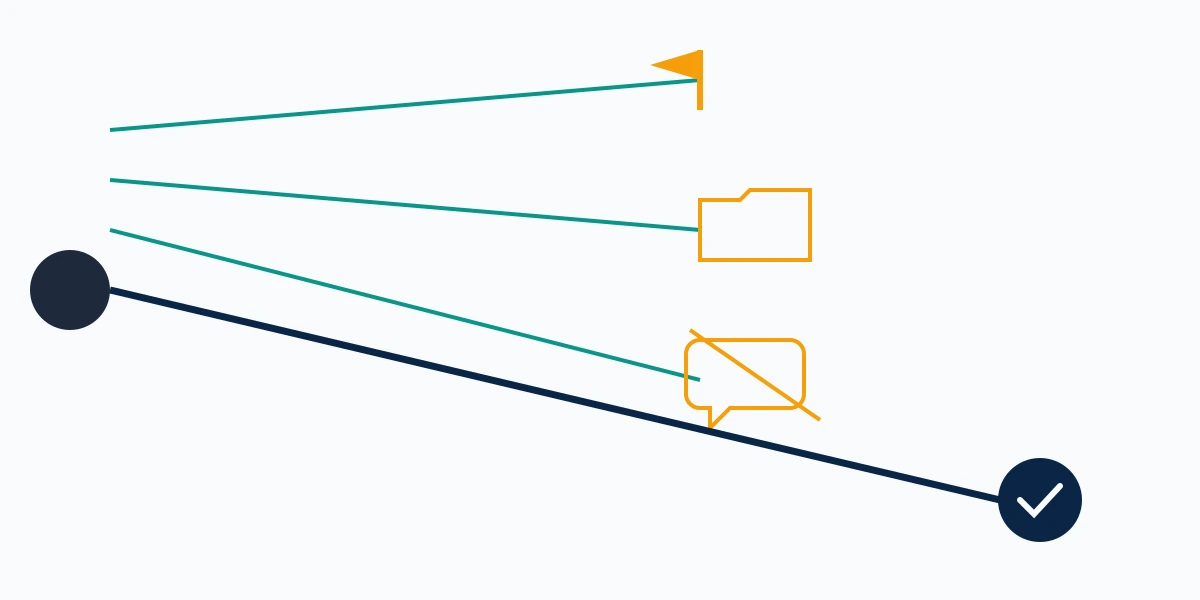
Use the free-text field to establish pattern and target. Two sentences beat two paragraphs. Name the rule, name what the account did, state the relationship: this account is impersonating me, this post publishes my home address, this is my photograph reposted without licence.
Report several instances of a pattern, not only the worst one. One hostile reply reads as an argument, whereas eleven across replies, quotes and DMs reads as a campaign, and campaigns are what the harassment queue exists to catch.
Where reports fail, the cause is nearly always one of three things: the wrong category, missing evidence, or a complaint about speech rather than conduct. None is fixed by refiling unchanged. Elsewhere, the same dossier discipline drives removals: our walkthrough of how an evidence-backed ban service gets content removed applies it to YouTube, including the outcomes nobody can promise.
Documented a genuine violation and the in-app report already failed? Send us the account and your evidence for a free case review. We will tell you honestly whether it is actionable, including when the answer is no. We never ask for your password.
Impersonation, private information and stolen content move fastest
People searching how to get a twitter account suspended fast are asking the wrong question, but a real answer sits inside it. No route is expedited. Three are structurally faster than the rest, because they are objectively verifiable rather than contextual.
How to get a twitter account suspended fast: what actually shortens review
Impersonation is the clearest case. A reviewer comparing a fake profile against a government ID makes a factual determination rather than a judgement call, which is why X runs a dedicated impersonation report form separate from the in-app flow. Private information behaves similarly — an address either is a real residential address or it is not. Copyright is the most binary of the three, because a rights claim is a legal assertion carrying consequences for filing it falsely.
Harassment sits at the opposite end. It asks a reviewer to read context, weigh who the target is, assess whether a pattern exists, and apply a sliding scale on which public figures receive less protection than private individuals. Reading context is slower work, and it fails more often. A report about how to get an x account suspended for abuse takes longer than a report about the same account impersonating you, even when the abuse is worse. The same is true of how to get someone suspended on x for a pile-on: the conduct is real, the evidence is contextual, and contextual evidence takes a human.
You cannot make review faster. You can make it shorter, by handing the reviewer a decision that takes thirty seconds rather than five minutes. Manual queues run in days rather than hours across every major platform — our data on TikTok password recovery paths puts that platform's manual review at three to seven business days, a fair comparison point for what human review costs anywhere. Enforcement seen from the receiving end teaches the same lesson: the appeal routes in our guide to recovering a WhatsApp Business account blocked by Meta only work once the underlying violation is genuinely resolved, never because somebody complained loudly enough.
What happens after you file, and how long it takes
You get an acknowledgement, and then, usually, silence. X's flow confirms receipt of a report; it does not commit to telling you what was decided. For many report types the reporter hears back only if action was taken, and on ordinary conduct reports covering harassment, private information and abusive behaviour, the reported account is not told who filed. Intellectual property is the exception. A copyright or trademark notice is a named legal filing, and X forwards it to the account you reported, which is why rights holders so often file through an agent. That asymmetry is deliberate — telling targets who reported them would end harassment reporting overnight.
Timelines vary by queue rather than by urgency. Automated categories such as spam and clear-cut private-information violations resolve fastest, and impersonation with documents attached moves next. Contextual harassment, the category most people are actually filing, is slowest and likeliest to close unactioned on a first attempt.
Across our X reporting matters (n=193, internal records as of August 2026), evidence-complete first reports drew a decision roughly three times as often as repeat filings against the same account, and median time to a visible outcome — a removed post, a label, or a suspension — ran to four days. Just under a third of the accounts we reported received an action short of suspension, most often a required post deletion. Absorb that, because the modal successful outcome here is not the account disappearing. It is the specific harm coming down.
When nothing visible happens, the account may still have been actioned invisibly. Reduced reach leaves no public trace. Checking whether the posts still surface in search, in replies, and to logged-out visitors tells you more than the notification tab ever will. Money changing hands rather than words shifts the picture again, because the platform report is then only half the job. Our guide to reporting a scam profile and who else to tell covers the financial escalation running in parallel.
When the reports keep failing
Refiling the same report is the commonest mistake at this stage, and the one most likely to end with the reporter's own account flagged. If two properly evidenced reports have closed unactioned, the problem is the evidence, the category, or the fact that the conduct genuinely does not breach a rule you have identified.
Three escalation routes exist beyond the in-app flow. First, the policy-specific form: impersonation, copyright and private-information claims all have standalone routes bypassing the general queue. Second, legal. A court order compels removal in a way no report can, and a letter from counsel about defamation, harassment or IP theft changes the calculation entirely. Third, law enforcement — the correct route, rather than the platform, for credible threats, stalking and sextortion.
Retaliation is common enough to plan for. Victims who report harassers frequently find themselves the target of false reports within days. If your own account gets locked in the crossfire, recovery is a separate process: our 2026 guide to recovering a Twitter account when you forgot the username starts at the login screen, while Twitter account recovery without a username covers X's identity-verification route for when no credential works at all.
Where the same person has reached your other accounts, these are the parallel routes:
- Recover a hacked WhatsApp account — the first 24 hours decide most of it
- Our no-fake-forms guide to how to recover a Telegram account, written because Telegram operates no recovery form at all
- How to contact Instagram for account recovery — Meta's real channels, and the phone number that does not exist
- Our reporting and takedown support, for cases needing a policy-matched dossier rather than a single form

What we will not do, and what happens to people who try it anyway
We will not guarantee a suspension. Nobody can, and any service quoting a price for a confirmed ban is selling an outcome it does not control. We do not file mass reports, we do not run report panels, and we will not file a copyright notice over content you cannot show you own — not against a critic, not against a competitor, not against an ex, at any price. We never ask for your password, your verification code, or your two-factor backup.
Consequences for ignoring that land on the reporter rather than the target. Filing false reports in volume sits inside X's misuse of reporting features rules, and so does coordinating a campaign against someone none of the filers were affected by. Both are actionable against the accounts doing the filing: a warning first, then limits on whether your reports get processed at all. Filing in unison from disposable handles stacks platform manipulation on top of that. Buying a report panel adds a second exposure: those services run on disposable accounts that get suspended in batches, and the payment trail leads back to whoever paid. Our disclaimer sets out the full limits of what reporting achieves and where we stop.
What we do instead is unglamorous. We identify which rule the conduct actually breaches, assemble evidence surviving a reviewer who opens it cold, file through the route matched to that policy, and say plainly when nothing here is actionable. Saying no covers roughly a fifth of the cases reaching us. A firm that never declines intake is not screening anything.