
Can you actually get someone's YouTube channel banned?
This page is written for people dealing with impersonation, harassment, doxxing, non-consensual imagery, or theft of their own copyrighted work. It is not a method for removing a channel you disagree with. YouTube protects criticism and opinion by policy, and a report that misses the actual threshold does not simply fail quietly; filing those repeatedly puts your own account in front of a reviewer instead.
Yes, a channel can be banned. But the honest answer to how to get someone's youtube channel banned is narrower than most people expect: YouTube terminates a channel when a reviewer confirms that specific content crossed a specific policy line, and almost never on the first offence. Enforcement runs as a ladder — a warning, then strikes, then termination at three strikes inside a rolling 90-day window. Your report does not climb that ladder. A report puts one video, comment, or channel in front of a human with one policy attached to it. Whether that content actually breached the policy is the only question being answered. How many people reported it, how long the channel has been a nuisance, how strongly the report was worded — none of it enters the decision.
Two people can file the same complaint and get opposite outcomes for exactly this reason. The evidence differed.
"Banned" means three different things
Three separate mechanisms get flattened into that one word, and confusing them is the most common reason a report goes nowhere.
Blocking a viewer on your own channel hides that person's comments from your videos. It is a moderation setting inside your own account, it changes nothing about their experience of YouTube elsewhere, and they keep their channel. Google's channel blocklist documentation describes exactly this. Most articles ranking for how to get someone banned on youtube are describing this feature, which is why so many readers finish an entire guide before realising it never covered platform enforcement at all.
Content removal takes down one video, one comment, one thumbnail, or one community post. Everything else on the channel survives, usually with a warning or a strike attached.
Channel termination removes the channel, every upload on it, and the account's ability to spin up a replacement. This is what people mean when they search how to get someones youtube channel banned, and it is by a wide margin the rarest of the three.
When your problem is a single video rather than the whole channel, the video-level route is faster and has a much higher hit rate. Our breakdown of how to get a YouTube video taken down walks that path separately.
What actually terminates a channel, and what only removes a video
Google publishes the sequence, and it is worth reading rather than trusting the summaries. Nearly every article on this topic describes a flat "three strikes" rule and skips the warning that comes first, which is why people report a channel, watch nothing visible happen, and assume reporting is broken.
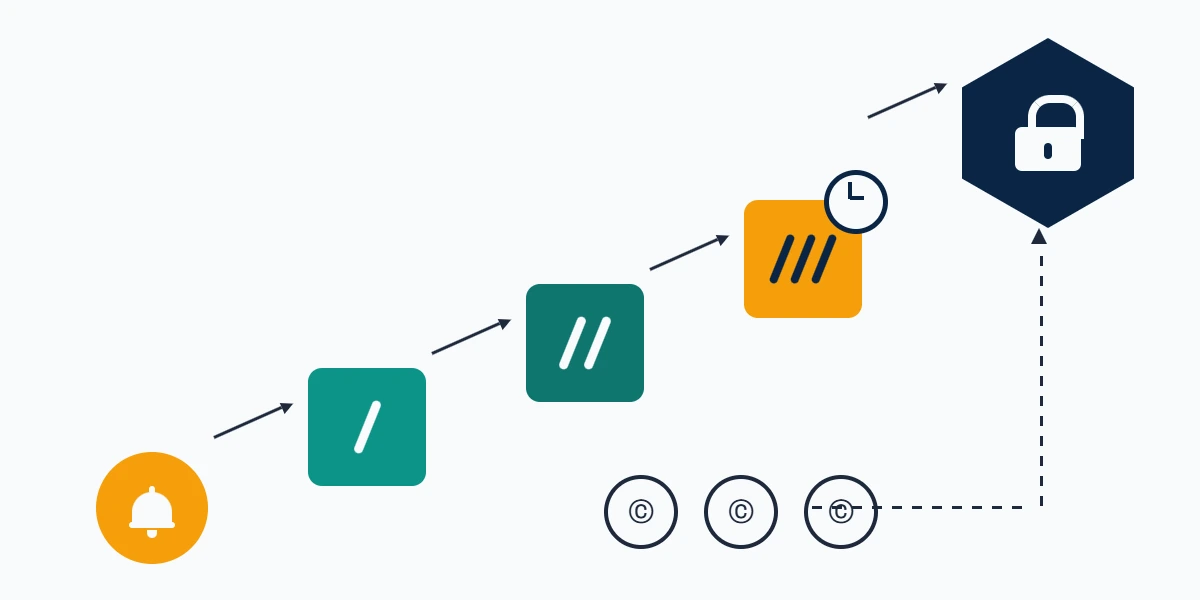
Here is the actual ladder, per YouTube's Community Guidelines strike basics:
- Warning. The first confirmed violation produces a warning, not a strike. Nothing is restricted, and the warning expires after 90 days, sooner if the creator completes YouTube's policy training.
- Strike one. The next confirmed violation restricts uploading, live streaming, and most channel activity for one week.
- Strike two. A further confirmed violation inside 90 days of the first strike extends the restriction to two weeks.
- Strike three. Three strikes inside the same rolling 90-day window terminates the channel.
- Severe abuse, no ladder. Some findings skip every step above. Child safety violations, credible threats of violence, and channels created specifically to evade an earlier termination can be removed on a single confirmed report.
Almost nobody accounts for the rolling window. Strikes expire. A channel that collected two strikes in March and behaves through June is back to a clean record, and a report filed in July starts from the bottom of the ladder again. So a campaign of reports spread over a year does less than two accurate reports filed six weeks apart.
Copyright works differently and sits on its own track. Copyright strikes come from a rights holder filing a formal takedown notice under the DMCA, which is a sworn legal statement carrying a real name and address. Three copyright strikes also terminate a channel, but no anonymous report can produce one; only the owner of the work, or someone legally authorised to act for them.
When our team files these, the reports that move are the ones naming one policy and attaching one timestamped piece of evidence. Reports that stall describe a pattern of behaviour across a dozen videos without pointing at any single thing a reviewer can open and judge. Reviewers are not investigators. They confirm or reject the specific claim in front of them.
How to get someone banned from YouTube, step by step
Everything below assumes you have a genuine policy violation. Unsure whether yours qualifies? Further down, a table maps common situations to the report path that matches.
- Identify the exact policy, by name. Harassment and cyberbullying, impersonation, privacy, hate speech, and child safety are separate policies with separate thresholds. Reporting under the wrong one is the single most common reason a valid complaint is rejected.
- Collect evidence before you report. Video URLs with timestamps, screenshots with visible dates, the channel URL, and (for impersonation) proof of your own identity or trademark. Save it locally. Content sometimes disappears mid-review.
- Report the specific content, not just the channel. On desktop, open the video, click the three-dot menu beneath the player, choose Report, then select the policy. For the channel itself, open its About tab, click the flag icon, and choose Report user. On mobile, the flag sits behind the three-dot menu in the same places.
- Write the description as a reviewer would need it. One or two sentences: what the content is, which policy it breaches, and where in the video it happens. Timestamps beat adjectives.
- Use the dedicated form when one exists. Impersonation, privacy complaints, and legal removals each have their own submission path outside the in-app flag, and they route to different queues. The in-app flag is the weakest of the available routes for those categories.
- Report every violating video separately. Strikes attach to confirmed violations. One report against one video can produce one strike; one report against a channel with ten violating videos usually produces one review of one thing.
- Wait, then check for the visible signals. You will not be told the outcome. What you can observe is the content disappearing, the channel losing its upload cadence during a restriction window, or nothing changing at all, which means the reviewer did not agree with you.
Reporting impersonation, harassment, or a privacy breach
These three cover most legitimate cases, and each has its own route.
| Your situation | The report path that matches | Realistic outcome |
|---|---|---|
| Someone copied your name, photo, and branding to pose as you | Impersonation policy complaint, with proof of identity | Channel removal is genuinely on the table here — impersonation is one of the few grounds that targets the whole channel rather than one video |
| Threats, targeted abuse, or a video made to harass you | Harassment and cyberbullying report on each video | Video removal plus a warning or strike; termination only if it recurs |
| Your home address, phone number, or ID appears in a video | Privacy complaint, filed through YouTube's legal complaint form | Removal of the specific video, often faster than a Community Guidelines report |
| Your own copyrighted footage, music, or images were reuploaded | DMCA takedown notice as the rights holder | Copyright strike on the channel; three of those terminate it |
| Sexual content involving a minor, or credible violent threats | Report immediately, then contact law enforcement | Immediate termination is possible without any prior warning |
| You dislike the creator, disagree with the content, or compete with them | No path exists | Nothing happens, and repeated filings can flag your own account |
That last row is not filler. Roughly a third of what people are actually asking when they search this phrase sits in it, and the honest answer is that YouTube has no mechanism for them.
Why filing more reports does not help, and what a bad one costs you
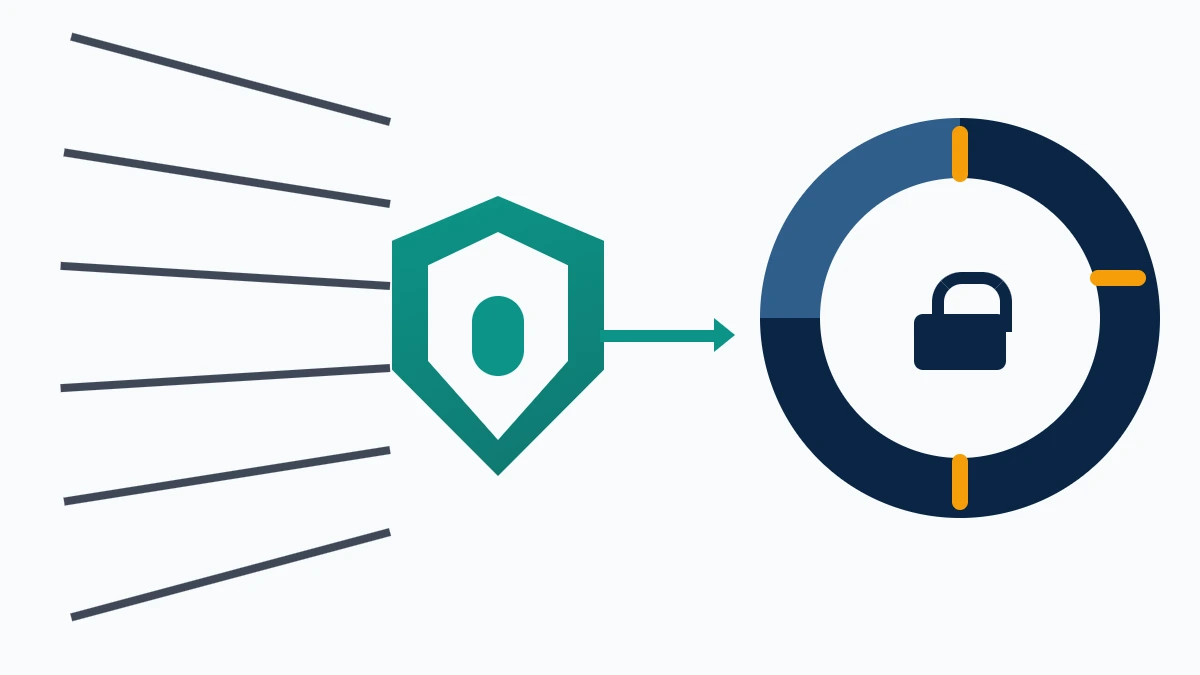
There is no report counter. Nothing in YouTube's enforcement documentation references a threshold, a quorum, or a number of flags, because the count is not an input to the decision. A hundred reports against a compliant video produce a hundred closed tickets. Volume affects one thing only: how quickly something enters the review queue. What comes out of that queue depends entirely on the content.
This is where the paid tools come in, and where people lose money. Panels advertising a youtube mass report bot sell the assumption that a counter exists and that filling it fast enough forces a removal. We tested that premise directly, and the result is documented in our teardown of why report volume does not terminate channels. The same pattern repeats platform to platform: the identical claim on Facebook falls apart for the identical reason, which we covered in how to get someone banned on Facebook.
Filing a bad one is not cost-free, either. Coordinated flagging falls under YouTube's fake engagement policy, which treats organised abuse of the reporting system as a violation in its own right. Accounts that file large volumes of rejected reports become the anomaly in the data. Our casework runs the other way often enough that it is worth stating plainly: our terminated channel recovery work includes cases where the client was on the receiving end of a brigading campaign, and cases where the client started one and lost their own channel to it.
Retaliation is the other cost, and it is the one people underestimate. Reporting is not anonymous in the way most assume — impersonation and legal complaints require your real identity, and the target is notified that a complaint was filed even when your name is withheld from them. If the person you are reporting is already harassing you, plan for escalation before you file, not after.
When reporting stalls: privacy complaints, court orders, and professional help
Some cases will not resolve through the standard flag, and recognising which ones early saves weeks.
Privacy complaints are the most underused route. Where a video exposes your address, phone number, financial details, or identity documents, YouTube's privacy process is separate from Community Guidelines reporting and is judged against a different standard — you do not have to prove a policy breach in the same way, only that the content identifies you. It also has a first-party requirement: with narrow exceptions, the person depicted has to file it themselves.
Defamation and legal removals sit further out still. YouTube will act on a court order, and a court order is often the only lever that works against content that is genuinely harmful but not policy-violating. That path is slow, measured in months rather than days, and it needs a lawyer rather than a reporting form.
Reporting stalled, or the same channel keeps coming back? That is the point where the case stops being a form-filling problem. Book a free case review with our team — send the channel URL and what happened, nothing else. We never ask for your password, and we will tell you if the honest answer is that no route exists.
Repeat offenders are the third category. Someone who has been terminated once and returns under a new channel is committing a separate violation: circumvention of a prior enforcement action. Reporting it that way, with the old channel named, works better than starting a fresh case against the new channel. That distinction is worth knowing before you file.
If you are reading this because your own channel was reported and actioned, the process runs in reverse: appeals must be filed within six months of a warning or strike, and up to a year for content-removal decisions, with one appeal per restriction and no second attempt if it is denied. Our YouTube appeal walkthrough covers that side, and what a YouTube ban service can and cannot do sets out where paid help is and is not worth it.
What we will not do, and what YouTube will never remove
This category attracts scams, so here are our limits in plain terms.
We do not sell channel bans. Nobody can, because the decision belongs to YouTube's reviewers and no vendor has a lever inside that process. Any service quoting a price for a guaranteed termination is either selling mass-report credits that do nothing or preparing to take your money and stop replying. We do not file DMCA notices on work our client does not own — that is a sworn legal statement, and a false one carries real liability for the person who signs it. Nobody on our team will ever ask for your password or account access. Cases aimed at silencing criticism, a competitor, or someone the client is in a personal dispute with get declined on the first call, rather than after the invoice.
What we do is assess whether a genuine policy route exists, build the evidence file properly, file through the correct channel, and escalate when the standard path stalls. Sometimes the assessment is that nothing will work. You get told that for free.
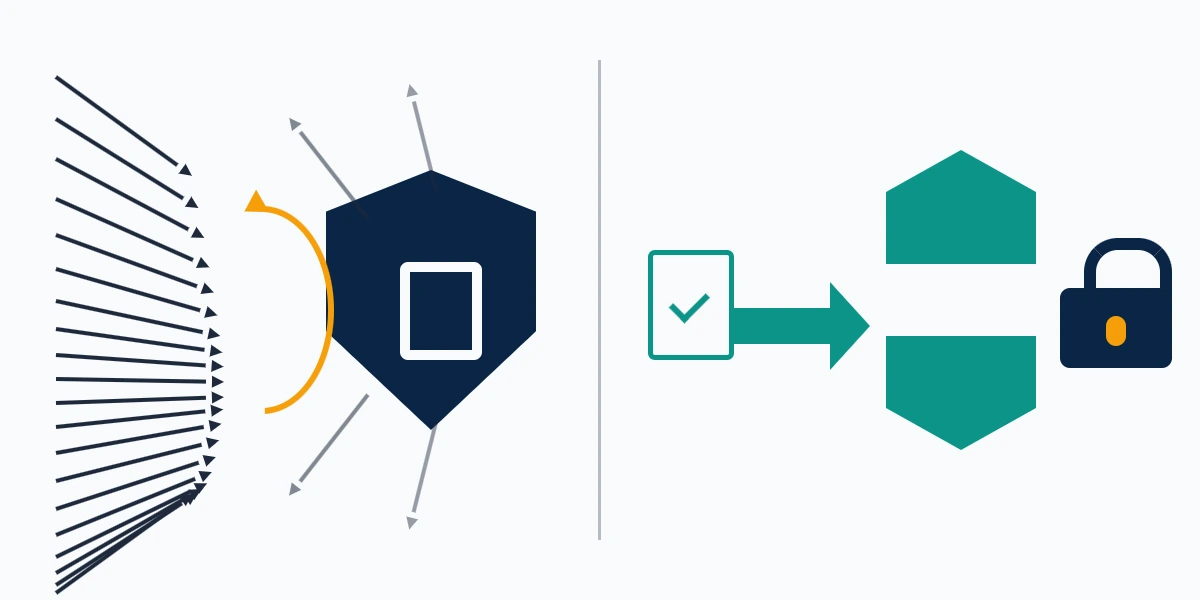
YouTube will not remove content because it is unflattering, because it criticises you, because it is a negative review, because you disagree with the opinion in it, or because a lot of people reported it. Those are deliberate policy positions, not gaps in enforcement. Where content is damaging but not removable, the realistic work is suppression rather than takedown: pushing it down the results page over 90 to 180 days, which is a different service on a different timeline. You can read the boundaries on our limits and what we decline page, and the team handling these cases lists who actually reviews them. If you want the wider set of removal routes we work across platforms, our services covers it.