What happens when you report someone on Twitter, from tap to verdict
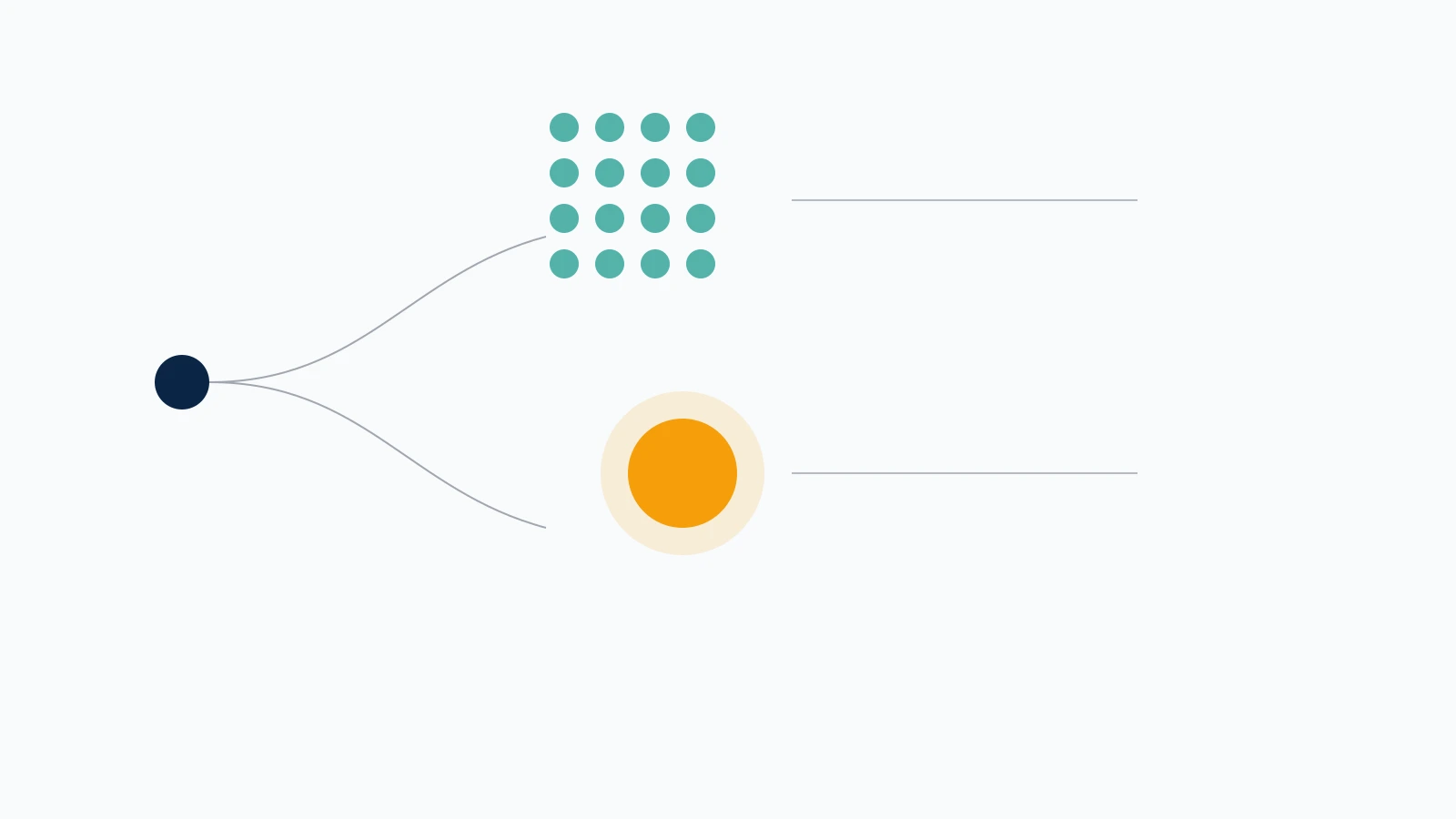
Reporting on X is a routing decision, not a complaint box. The moment you finish the flow, your report is stamped with the policy category you selected, attached to the exact post or account you named, and dropped into a queue sorted by that category rather than by how upset the wording sounds. Automated classifiers see it first. They compare the flagged content against the rule you invoked, the account's recent enforcement history, and signals X does not publish. Clear-cut categories (platform spam, adult content, a copyright claim) are frequently closed without a human opening the case at all. Ambiguous ones escalate, and almost anything involving context, sarcasm, or a running dispute between two named people is ambiguous. A human reviewer then tests the content against that one policy. This is the part most people miss: a reviewer does not hunt for a rule the content might break. They check the rule you picked.
So the category dropdown is doing more work than the report button. Pick "spam" for a targeted harassment campaign and a reviewer will test it against the spam policy, find no automation or bulk behaviour, and close it. The harassment never gets read as harassment. Nothing re-routes it.
What X actually receives is narrow: the content, the account, your chosen category, a timestamp, and whatever you typed if the flow offered a free-text box. It does not receive your history with this person, the messages that led here, or the fifteen other posts that make the pattern obvious. If the pattern is the violation, you have to report enough of it that the pattern is visible inside the reports themselves.
Reviewers work from what is in front of them and nothing else. When we file these for clients, the difference between a closed report and an actioned one is almost never the severity of the behaviour — it is whether the violation can be seen without knowing the backstory. A post reading "everyone knows what she did in Denver" is devastating to the person it targets and invisible to a stranger reading it cold. A post naming her employer and inviting people to call them is the same campaign, and it is actionable on its face. Report the second one first.
On the receiving end the experience is different. Enforcement arrives as a notice naming the post and the rule, usually with an appeal button, and often with the account already read-only. That is the state most people are in when they start searching — locked out mid-argument, unsure what triggered it. We wrote separate walkthroughs for getting a read-only Twitter account unlocked and for recovering a Twitter account when you no longer have the username, because the two paths diverge early and using the wrong one wastes days.
Does Twitter tell you who reported you?
No. Does Twitter tell you who reported you, your tweet, or your whole profile? In every ordinary abuse, spam, or safety category, the answer is the same: X does not disclose the reporter's identity to the reported user, and there is no setting, subscription tier, or support request that unlocks it. The notice a reported account receives names the content and the policy. It does not name a person, a handle, or a number of complainants. So are Twitter reports anonymous in practice? Anonymous to the reported user, yes. They are not anonymous to X, which logs the reporting account and weighs its history — repeat frivolous reporters get quietly discounted. The one real exception is intellectual property. File a copyright or trademark claim and your name and contact details travel to the other party, because a DMCA takedown notice under 17 U.S.C. § 512 is a sworn legal document, not a moderation ticket. X's copyright policy says so outright, and forwards the complaint to Lumen.
That exception catches people out constantly. The same trap exists on Meta's side, which is why we walked through what the Instagram trademark infringement report form actually discloses before anyone files one.
Can someone see if you reported them on Twitter? Not from the report. They can absolutely infer it from your behaviour around the report. X's reporting flow offers to block or mute the account as a final step, and blocking is visible — the other person sees it the next time they load your profile. Filing quietly and then blocking within the same minute is a signature. If you were the only person who saw the post, if you had just replied to it, or if the account has three followers and two of them are you and a mutual, the deduction is not hard. The anonymity is real. Your timing is what leaks.
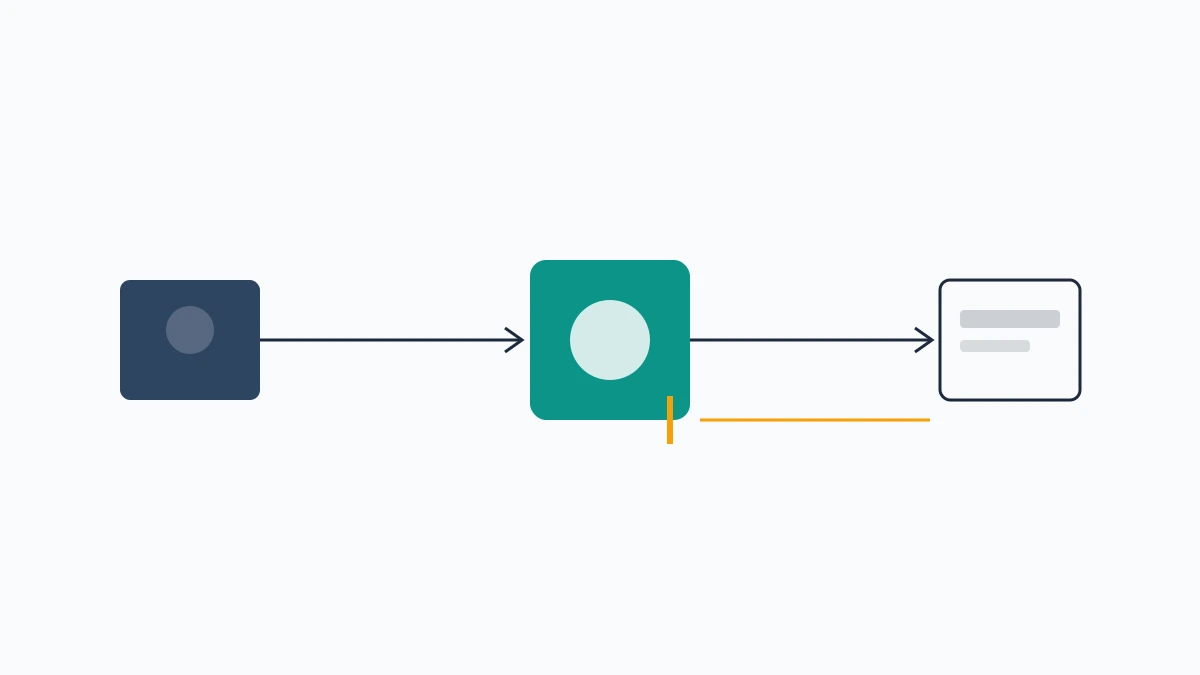
Does Twitter tell you who reported your post if the post was removed rather than merely limited? Still no. Severity changes the outcome, never the disclosure.
How to report someone on Twitter, surface by surface
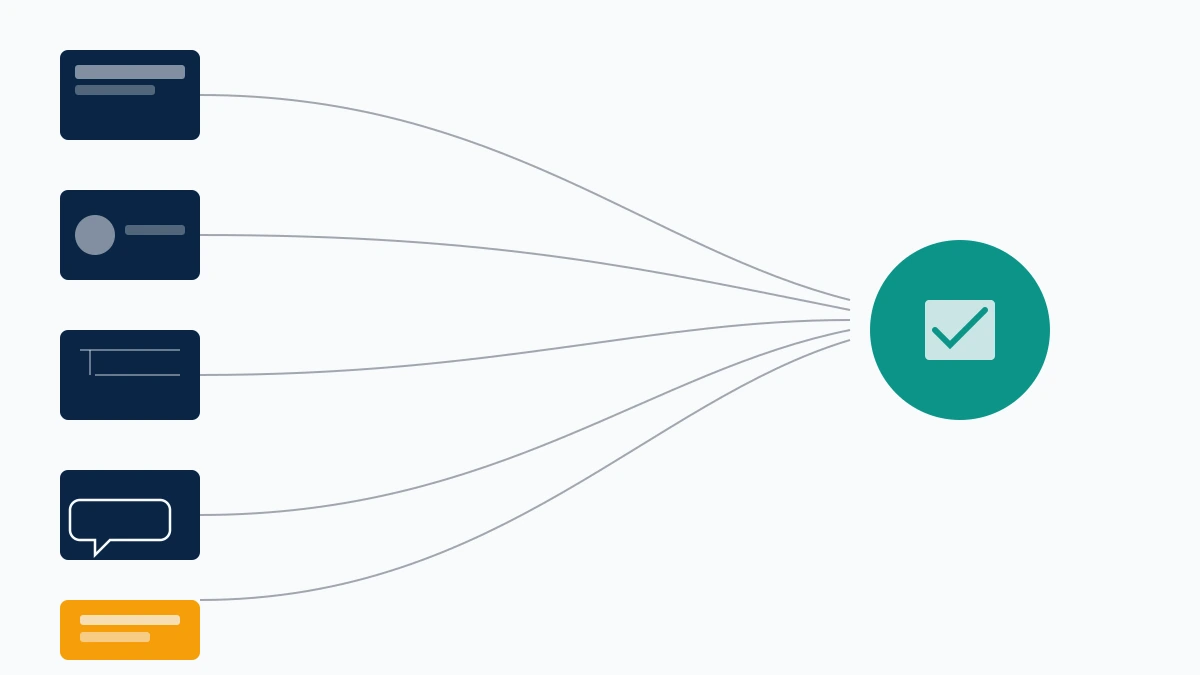
There are five places the flow starts, and they are not interchangeable.
- A single post. Tap the three dots on the post, choose Report post, then pick the category. This is what happens when you report a tweet on Twitter: the review is scoped to that post's text, media, and immediate context.
- A whole profile. Open the profile, tap the three dots under the header, choose Report. What happens when you report a Twitter account is a wider review — recent posts, display name, bio, avatar, and behaviour patterns all come into scope.
- A reply or a quote. Reported as a post, but the parent thread travels with it, which matters when the reply only reads as abusive in context.
- A direct message. Long-press the message, then Report. The conversation is what gets reviewed, not your whole inbox.
- The web forms. X's help centre hosts standalone forms for impersonation, private information, and IP claims. These accept evidence the in-app flow has nowhere to put — identity documents, URLs, case numbers.
What happens when you report a tweet as spam deserves its own note, because spam is the category people reach for by reflex. Spam reports route to the automation-detection stack: bulk posting, engagement farming, link schemes, coordinated amplification. That stack is fast and largely machine-run. It is also the wrong door for anything that is nasty but human. A single cruel quote-tweet from a real person is not spam, and filing it as spam is close to filing nothing at all.
The surface logic is close to identical across the major platforms. If you have already been through Instagram's five reporting surfaces or worked out how to report a fake TikTok account, the muscle memory transfers. Only the category names change.
How to report someone on Twitter anonymously
You already are. There is no extra step, no toggle, no burner account required. Learning how to report someone on Twitter anonymously is really just learning what not to do afterwards: skip the offered block, do not screenshot the confirmation into a group chat, and do not post about it. Every one of those undoes the anonymity the platform gave you for free.
How to report someone on Twitter without them knowing
Same mechanics, one caveat. Knowing how to report someone on Twitter without them knowing means accepting that they will learn something happened if enforcement lands. They get a notice naming the post and the rule. They do not get you. If the account is small and the post was barely seen, they may still guess. That guess is not a disclosure, and X will not confirm it for them.
How long does Twitter take to review a report?
Between January and July 2026 our team filed 214 reports on X for clients. First decisions landed between 14 hours and 9 days, and single-post reports resolved faster than account-level reports in 61 percent of matched pairs (our internal case records, as of August 2026). Cutting the same dataset by category is where the useful pattern sits: the 47 reports we filed as spam closed fastest, with a median of 19 hours, and also produced the fewest visible enforcement actions. Fast is not the same as effective. Reports that needed a human, meaning harassment, private information and impersonation, took the long end of that range and produced most of the removals. So how long does Twitter take to review a report? Plan for a week, not an afternoon, and treat anything closed inside a few hours as likely machine-decided.
Two things stretch the clock. Reports filed through a web form with attached evidence sit in a smaller, slower queue than in-app taps. And volume matters: X's own Transparency Center publishes report volumes in the tens of millions per reporting period, against a moderation headcount that has never been close to proportional.
Not sure which category fits what happened to you, or whether it is a reporting problem at all? Tell us what you are dealing with and we will tell you which route we would take, including when the honest answer is that no route works.
Cross-platform, the shape holds. Telegram's queue behaves similarly once you know where to file a Telegram scammer report — a web form with evidence beats an in-app tap, and it waits longer.
Does reporting on Twitter do anything?
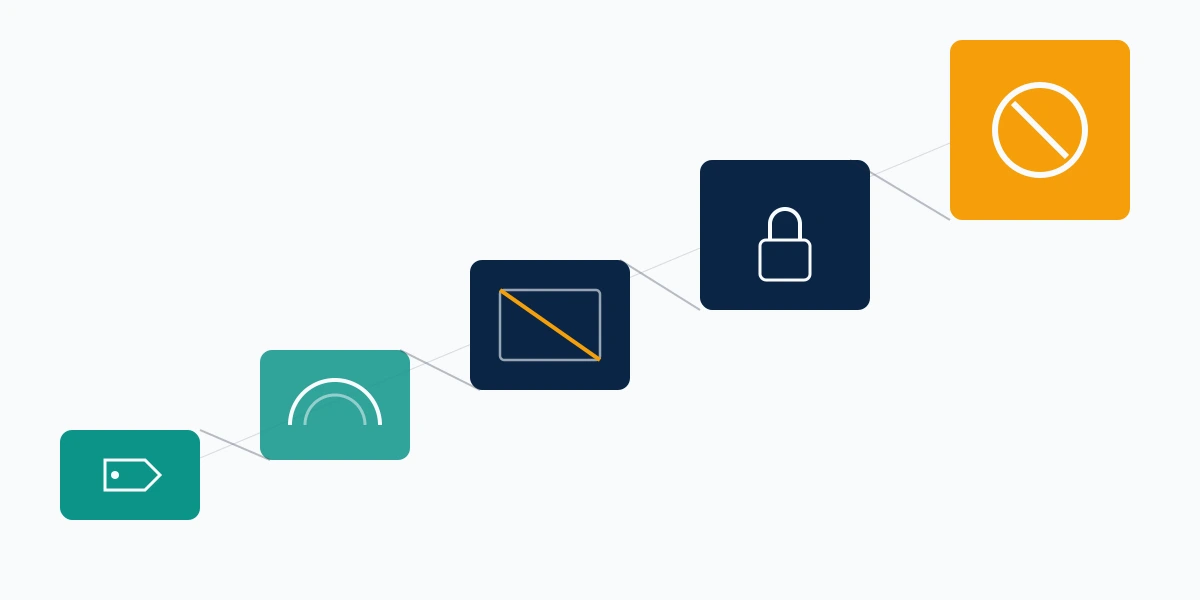
Sometimes, and less often than the effort suggests. Does reporting on Twitter do anything measurable? Yes, in a specific window: when the content plainly breaks a written rule, when you filed it under that rule, and when the evidence is visible inside the reported item itself. Outside that window, most reports close with no action, and X will not explain why. Enforcement is a ladder, not a switch. X's enforcement options run from a label on a post, through limited reach, forced deletion of a single post, read-only mode for a set period, and finally permanent suspension. Reviewers reach for the lowest rung that resolves the violation. A first-time offender who posted one rule-breaking reply gets the reply deleted, not a ban. This is also why report counts do not stack the way people assume: five reports on one post is one review, not five strikes.
If you want real decisions rather than anecdotes, the EU's DSA Transparency Database holds the statements of reasons that platforms including X must publish for every enforcement action affecting EU users. Dry reading, and the closest thing to a public record of what actually gets actioned.
One habit from the operations desk, since it costs nothing. Screenshot the post with the URL bar visible before you report it, and copy the post link into a note. Enforcement removes the evidence along with the content, so if the outcome is wrong and you want to appeal or escalate, the thing you needed to show is gone. We have lost more escalations to missing evidence than to weak cases.
The mirror image of all this is being on the wrong end of it. Reports do land on innocent accounts, coordinated ones land harder, and recovery is a different discipline from reporting. The paths we use most often: recovering a Twitter account when the username is gone, appealing a permanently disabled Instagram account, getting a permanently banned TikTok account back, and restoring a terminated YouTube channel. Each one runs on its own form and its own clock.
What Reddit gets right and wrong about Twitter reports
Reddit is the second search most people run, so those threads are worth grading. Four queries send people there, and each lands on a different quality of answer.
"are twitter reports anonymous reddit" — right, and for the right reason. The consensus across r/Twitter and r/XTwitter is that the reported user cannot see who filed, which matches the platform's behaviour. Nobody in those threads has produced a case where X named a reporter outside an intellectual-property claim. Neither have we, across 214 filings.
"does twitter tell you who reported your account reddit" — right on the answer, wrong on what comes next. Threads correctly say no, then slide into advice about rallying a group to report together, on the theory that volume forces a decision. It does not, and the arithmetic is public. We took apart what a Twitter mass report bot actually bills for and what the purchase does to the buyer's own account instead.
"what happens when you report someone on twitter reddit": a fair verdict reached by the wrong route. Most single reports do go nowhere, and the users saying so are not wrong. Their explanation, that X ignores reports on principle, is. Your category choice and whether the evidence sits inside the reported item are what decided it.
"how long does twitter take to review a report reddit": answers range from instantly to never, and both extremes are true. Those are simply two different queues, split along the automated-versus-human line above.
Worth ignoring in all four threads: any comment offering a support contact, an insider, or a paid escalation that jumps the queue. Those have a conversion goal.
What we won't do, and what nobody can honestly promise
We do not sell report volume, we do not run bot networks, and we will not file a category we know does not fit in the hope a reviewer re-routes it. Filing a knowingly false IP claim is perjury under the DMCA, and we decline that work every time it is offered. We never ask for your password — not for X, not for anything. Nobody can guarantee a specific account gets removed, and any vendor who quotes you a success rate for a takedown is quoting you a number they cannot control. Our own boundaries are written out on the disclaimer page, including which situations we turn down. Where a case is real, our services start with a free assessment and an honest read on whether reporting is even the right instrument.
Some situations are not reporting problems at all. Sextortion and blackmail need evidence preservation and law enforcement before any report goes in — the sequence is in our Instagram blackmail and sextortion guide. Non-consensual images have their own hashing route, covered in what to do when someone posts a picture of you. And when the underlying problem is your own locked account rather than someone else's post, start with contacting Instagram for account recovery, recovering a deleted TikTok account, or YouTube account recovery without an email or phone.
Further reading outside this site, listed here rather than anywhere above so nothing earlier asks you to spend money. Why a Twitter mass report bot fails on X is an editorial breakdown of the volume myth. Reporting an X account: what it does and where the limits are is a commercial site, and so are its equivalents for TikTok reporting limits and Telegram reporting limits; read all three as vendor material, but their published lists of what reporting cannot achieve are more candid than most.