Spotify copyright infringement, as Spotify's own policy defines it
Spotify copyright infringement is any use of a protected song, recording, podcast segment or artwork on Spotify without the rightsholder's permission, a licence or a valid exception such as fair use. Its Intellectual Property Policy adds a limit that surprises people: copyright protects original expression, not facts, ideas, names, titles or slogans.
Only the copyright holder or an agent acting for them can file a valid notice, according to that policy (read November 2026). Picture three people: a fan who spots a ripped album, a label that finds its master re-uploaded under an invented artist name, and a podcaster whose episode was republished by a stranger. All three face one rule, which is that the person who holds the right, or someone authorised by them, signs the notice. After review, Spotify may remove the content or disable it only in certain countries, and it can write to the claimant and the uploader about the decision. Accounts responsible for multiple violations can be terminated under a repeat infringer policy, and content reinstated after an appeal or a retracted claim is reflected in that record. Automated and manual detection also run alongside user reports, so a copied track can vanish before anyone files anything. Check whether it is still live before you write a word.
None of this requires a lawyer, although the policy suggests you may wish to consult one before filing. What it does require is precision. The service can only act on material it can locate, so a vague complaint about a song being stolen somewhere on the service stalls, while a notice naming the exact album, track and upload date gives the reviewer something to compare against your original release.
Your Reputation Solution is an online reputation and content-removal service that builds evidence files and picks the right reporting path for people facing stolen, impersonating or harmful content, and on Spotify that work starts with one question: is this really copyright?
Most spotify copyright issues fall into four groups. Whole tracks get re-uploaded under another artist's name; samples or covers go out without clearance; music sits inside a podcast without a licence; cover art is lifted from a photographer or illustrator. People typing "copyright spotify" or just "spotify copyright" into a search bar are nearly always in one of those four situations.
Wrong-profile mix-ups are different. When your own release lands on a stranger's page, Spotify for Artists treats it as a metadata fix, not copyright infringement spotify handles through the legal form. Brand names behave differently again, since the spotify copyright policy sends trademark complaints to a separate trademark option on the same reporting page.
Impersonation is the closest cousin. Where someone copied your name and photos rather than your music, the steps in Facebook won't remove a fake profile of me fit better than a copyright notice, and the cross-platform guide on how to get something removed from the internet explains why the legal basis picks the route.
Volume decides nothing here. Buying a mass report campaign or running a mass reporter script only adds noise, and misuse of the claim process can cost the reporter their own account.
Other platforms teach the same lesson. Neither a tiktok mass report tool nor the auto FB report bots sold as browser extensions can win on volume, because a reviewer weighs one complete notice, not a count. Reviewers read; they do not tally.
On every Spotify file Your Reputation Solution opens, the first check is ownership paperwork, since a distributor dashboard screenshot, a split sheet or a publishing contract usually settles whether the person asking can sign the notice at all.
How to report copyright infringement on Spotify, start to finish
Here is how to report copyright infringement on Spotify: open the web form at support.spotify.com/report-content, choose the copyright option, and supply every element the policy lists. Email works too.
The spotify copyright infringement form
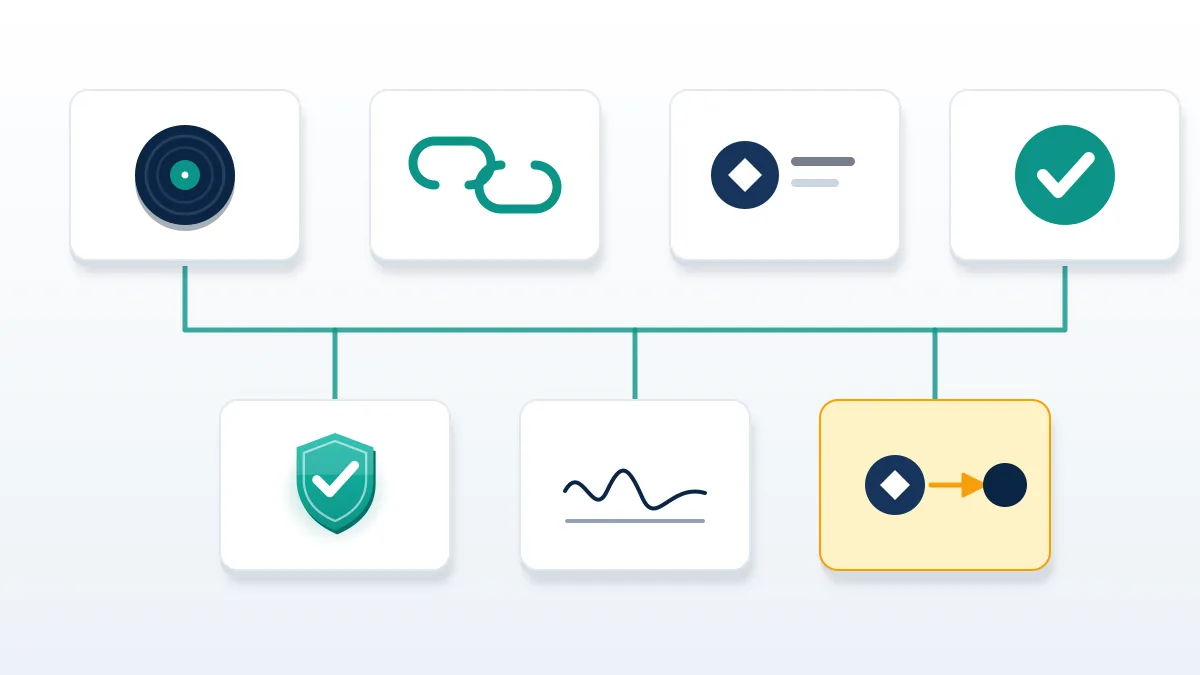
Spotify's policy links this spotify copyright infringement form as its official web form, and it asks for the same seven elements a written notice needs. First you identify each copyrighted work, then give the Spotify URL of the material, with as much detail as you can. Next come your full name, postal address, phone number and email. After that comes a good-faith statement that the use is not authorised by the owner, its agent or the law, fair use included. A further statement, made under penalty of perjury, confirms that the notice is accurate and that you own the right or act for the owner. Then you sign, physically or electronically. One last element trips people up: you accept that your contact details and the notice itself may be handed to the person you are reporting, and that Spotify keeps them as long as the law requires. Skip any element and Spotify says it may not have enough information to process the claim.
People also call it the spotify copyright form or the spotify copyright report page. Both phrases lead to one report-content flow, which covers trademark and other illegal content as well, so pick the copyright option rather than a general complaint.
Before you submit, Your Reputation Solution can assemble the evidence and draft the notice text, but the rightsholder signs it and Spotify alone decides whether the content comes down.
The spotify copyright infringement email and postal route
When the form fails, or you act for many works at once, the spotify copyright infringement email is [email protected]. Paper notices go to Spotify USA Inc., Attn: Legal Department, Copyright Agent, 4 World Trade Center, 150 Greenwich Street, 62nd Floor, New York, NY 10007. Put all seven elements in the email body, not only in an attachment, and send from an inbox you watch, because follow-up questions and appeal instructions arrive by email. Keep the subject line plain, such as "Copyright infringement notice" plus the track title, and attach proof of ownership only as a supplement to the written elements.

How to report a song on Spotify for copyright
Working out how to report a song on spotify for copyright takes one extra step: copy the track's share link from its menu, paste it into the form, and add a link or ISRC for your original release so the reviewer can compare the two. With a whole album, list each track URL on its own line instead of linking only the album page. Whether you searched "report copyright infringement spotify", "spotify report copyright infringement", "report copyright spotify" or "spotify report copyright", you end up at the same form. Notice wording matters far more than the path you took to it.
What happens next is quiet. Spotify publishes no review timeline, and silence for several days is normal. Should the uploader appeal, Spotify may write back asking for more detail, so keep your licence records within reach. Removal, when it comes, can be country by country, since the policy lets Spotify disable access in specific markets only. For each client file, Your Reputation Solution logs the submission date, the exact URLs and every reply, because a second notice that repeats the first one word for word rarely helps; a second notice with new proof often does.
Evidence discipline is the same everywhere. Guides on how to report fake reviews on amazon and how to report account on tiktok both stress exact URLs and timestamps.
Policy-based removals follow one pattern. Turo review removal and airbnb review removal also turn on whether a specific written rule was broken, not on how upset the reporter is. That habit of quoting the rule is what keeps a Spotify notice from bouncing.
Some paths look alike but serve different rules. Knowing how to report a comment on facebook, or when to report to admin facebook group moderators instead, helps with harassment around a release; the copyright form stays reserved for the work itself.
Does Spotify give a copyright strike, and what follows a claim?
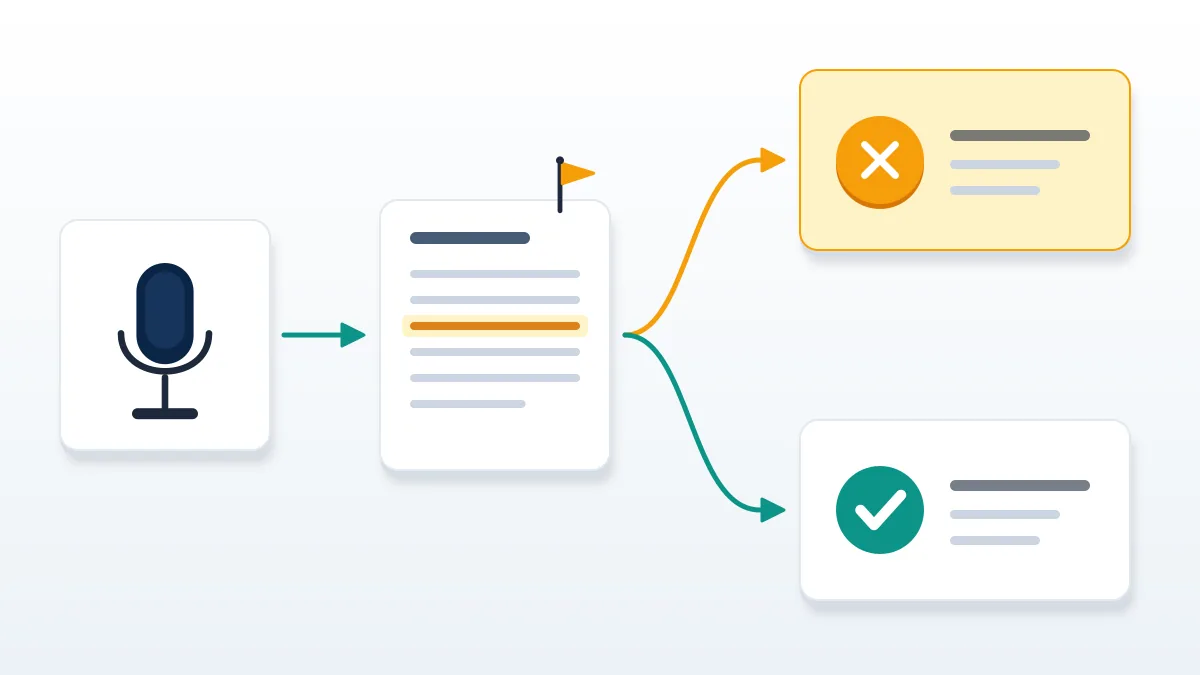
Yes for podcasts: Spotify adds a copyright strike to the show and its publishers when it removes content after a formal Copyright Claim.
Its creator copyright guide, updated September 16, 2026, separates two kinds of action. Copyright Claims are formal requests from a rightsholder or their representative; if Spotify removes the episode in response, a spotify copyright strike lands on the show and on every user who published it. Rights Claims, currently limited to video episodes, let a participating rightsholder decide through the Spotify Rights Center whether an episode stays available or shares its earnings, and they never add a strike. Repeated strikes can lead to removal of the show or termination of the account, and a terminated account takes every show it manages down with it. For music uploads the wording differs: the Intellectual Property Policy speaks of a repeat infringer policy rather than numbered strikes, so a copyright strike spotify count is a podcast concept first. Each removal notice carries its own appeal instructions.
In podcast cases Your Reputation Solution reviews, the quickest fix in most of them is a licence or a re-edit, since replacing a 40-second music bed and re-uploading tends to settle things sooner than arguing fair use over an intro.
Spotify podcast copyright problems mostly start with music beds. Four myths keep coming back, and the guide rejects each one: no universal under-10-seconds rule exists, credit is not permission, buying a song gives no right to publish it, and an unmonetised show is still bound by copyright.
Publishers have used the claim system at scale. During February 2025 the National Music Publishers' Association sent Spotify takedown notices covering more than 2,500 detections of unlicensed songs in podcasts on behalf of 19 member publishers, and Spotify publicly called the move "a press stunt" (Music Business Worldwide, 2025).
Getting a spotify copyright claim against you is not a verdict. When a copyright claim spotify sends you looks wrong, the notice email explains how to challenge it, and content reinstated after an appeal is cleared from your repeat-infringer record. Reply with the licence or written permission, not with outrage.
Strike logic is not unique to Spotify. Both the walkthrough for when you need to report hate speech facebook posts and the guide on how to report sex offenders on facebook reward one precise report over many vague ones.
Shortcuts sold in chat groups do not help. No seller taking a telegram mass report order can file a copyright notice for you, and a strike system built on rightsholder claims ignores bulk complaints from accounts that hold no rights. Before paying anyone, ask who signs the notice. On that question Your Reputation Solution gives one answer every time: the rightsholder does.
What do Spotify copyright infringement cases teach a claimant?
They show that infringement can be real and still lose on procedure, so contracts and timing matter as much as the music.
Eight Mile Style's lawsuit is the most-cited spotify copyright infringement case: filed in 2019 in the Middle District of Tennessee by the publisher that controls much of Eminem's songwriting catalogue, it claimed Spotify streamed the compositions without a proper mechanical licence and reportedly sought around $30 million or more. On August 15, 2024 the court granted summary judgment to Spotify and the Harry Fox Agency, holding the claims barred by equitable estoppel even though, according to law-firm summaries of the ruling, it treated infringement itself as established. By December 2025 the parties had told the court and the Sixth Circuit that the dispute was over, with no public terms (Law360, 2025). An older suit by Bluewater Music Services, filed in 2017, alleged unlicensed streaming of 2,339 works. Independent artists can take a smaller lesson from it: keep contracts, licence records and dates in order, because conduct and delay can sink a claim that looks obvious on paper.
If a track, cover or episode of yours is live on Spotify without permission, Your Reputation Solution can review the ownership evidence and draft a complete notice for you to sign. Ask for a Spotify copyright case review.
Copyright fights sometimes turn personal. Should a rival start posting your address, read how to report doxxing and how to prevent doxxing before you answer anything in public.
Impersonators who also scam fans may need police involvement. Our walkthrough on how to report fake facebook account to cyber crime units is a useful template, and so is the guide on how do you remove a review on facebook when a dispute spills onto review pages. Keep both reports separate from the copyright notice.
Fallout can reach search results, too: a negative article removal service or an internet content removal service deals with press and blog coverage, which no Spotify notice can touch.
False stories about who wrote a song spread fast. Following the steps to remove fake news from google makes sense when a fabricated story ranks for your name, and a remove fake reviews service helps when one-star reviews follow a public dispute.
Musicians with a studio or venue listing should also know how to remove photos from google business profiles and how to remove your house from google maps imagery if a dispute brings strangers to the door.
Your Reputation Solution will not file a notice for music you do not own, will not send false claims to knock a rival offline, never charges to promise a removal and never asks for your Spotify or Spotify for Artists password; the limits are spelled out on our disclaimer page.
That refusal is about law as much as ethics. Under US law, 17 U.S.C. § 512(f) makes anyone who knowingly misrepresents infringement in a notice liable for the damages that follow, and Spotify's policy adds account termination for fraudulent reports. Scam sellers who offer to "strike" a competitor's catalogue for a fee are selling exactly that liability.
Three habits separate claims that work from claims that stall. Write one notice per uploader, with every infringing URL listed, rather than scattering reports across forms. Keep the original files, release dates and contracts in one folder so an appeal can be answered within a day. Decide early whether the goal is removal, a licence fee or a credit fix, because Spotify's process only delivers the first; payment and credit come from talking to the uploader or their distributor. Most uploaders reach Spotify through a distributor, and that distributor usually has its own dispute desk, which can pull a release from every store at once instead of one platform at a time. Writing to it alongside the Spotify notice costs nothing and often closes the case sooner.