Which false stories will Google actually take down?
Google removes a result when the page breaks a law or one of Google's own policies, not when the page is simply untrue. That one distinction decides most cases. A fabricated article that accuses you of fraud is probably defamation, yet the search result stays visible for as long as the publisher keeps the page online, because Google's index is a copy of the web and not an editor of it. People who try to remove fake news from Google by reporting the result alone usually get no reply, or a polite refusal that points them back to the website owner. The working route runs through the source first, then through Google's recrawl and legal channels, in that order. Skipping the first step is the most common reason a removal attempt stalls for months.
Your Reputation Solution is an online reputation management and account recovery firm that helps people and companies correct, de-index or outrank false content about them, using the same public channels anyone can file through. Four channels matter for false news: a correction request to the publisher, Google's Refresh Outdated Content tool once the page changes, Google's legal removal form for defamation, and feedback on Google's own surfaces such as knowledge panels and AI Overviews.
So when someone asks how to remove false information from Google, the honest answer starts somewhere other than Google. If the page is already gone or sits on a site you control, our walkthrough on removing a website or page from Google search covers the de-indexing tools. This guide handles the harder case: a page that lies about you and whose owner has no reason to help.
Why won't Google just delete a false article?
Google is not the publisher, and US law does not require it to judge truth. Section 230 of the Communications Decency Act (47 U.S.C. § 230, enacted 1996) shields search engines from liability for content written by third parties. Google therefore acts on court orders, on specific privacy categories such as doxxing or explicit images, and on its spam rules. A request that says only "this story is wrong" falls outside all three, which is why it gets declined.
Europe works differently. Since the Google Spain ruling (Case C-131/12, May 13, 2014) and GDPR Article 17, in force since May 25, 2018, residents of the EU and the UK can ask a search engine to delist results about them that are inaccurate, inadequate or no longer relevant. Delisting affects searches for your name on European Google domains; the page itself stays live everywhere else, and a US searcher still sees it.
That means how to remove inaccurate information from Google depends on two facts before anything else: where you live, and whether you can prove the claim false with a document. A misquoted revenue figure and an invented criminal charge need very different routes.
How to remove fake news from Google, one step at a time
Here is the order our team follows, written so you can run it yourself. Skipping ahead to the legal form without steps 1 and 2 weakens the file, because Google's reviewers ask whether you contacted the site owner.
1. Capture the evidence before anything changes
Save full-page screenshots showing the URL, the date and the author byline, plus an archived copy through the Internet Archive's Wayback Machine. Write down every URL where the story appears, including syndicated copies and scraper sites, and note where each one ranks for your name. Google's legal team and any court will ask for exact URLs, not "the article on that site."
2. Ask the publisher for a correction, not a deletion
Editors fix provable errors far more often than they delete stories. Quote the exact false sentence, attach one piece of documentary proof (a court record, a registry extract, a dated contract), and ask for one specific change: a correction, an editor's note, or a noindex tag. When Your Reputation Solution drafts these letters, the ones that get answered stay under 200 words and never threaten a lawsuit in the first message; the ones that open with "defamation" tend to land with a legal department that stops replying. Sites that publish fake news on purpose often hide their contact details, so check the WHOIS record and the hosting provider's abuse address as fallback contacts.
3. Make Google recrawl the corrected page
Once the publisher edits or deletes the page, the old headline can linger in Google's snippet for weeks. Google's Refresh Outdated Content tool lets anyone, not only the site owner, ask for the cached version to be updated or the dead URL dropped. It only works after the live page has changed; it cannot remove a page that still says the same thing.
4. File a legal removal request when the publisher refuses
Google's legal removal request form has a defamation option. List each URL, quote each false statement, and explain why it is false and how it harms you. A court order or judgment that names the statements as defamatory carries far more weight than your own declaration, and Google says so in the form's guidance.
5. Outrank what cannot be removed
Some stories survive every request because they are opinion, or because the publisher sits in a jurisdiction you cannot reach. Accurate content about you, published on profiles and sites Google trusts, can push them below the first page. Expect 90 to 180 days of steady work, not two weeks.
How do you fix wrong facts inside Google's own panels?
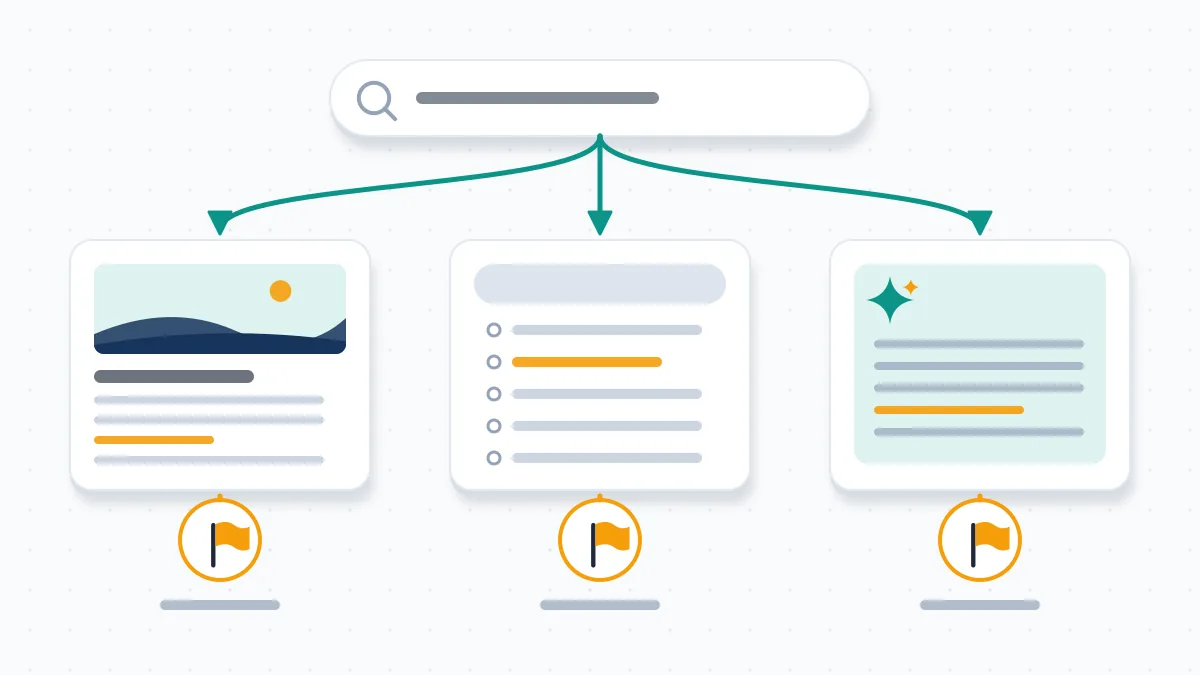
You use the feedback and claim tools built into each surface, because here Google, not a publisher, controls the text. Knowing how to remove incorrect information from Google search features matters more each year: a wrong birth year in a knowledge panel or a false claim in an AI Overview can reach more people than the article it came from.
Knowledge panels
If a panel describes you, claim it through Google's knowledge panel verification and suggest edits as the verified subject. Unclaimed panels still carry a "Feedback" link; pick the wrong field and cite a public source for the correct value. Edits from verified subjects are reviewed faster, though Google still checks them against the pages it trusts.
AI Overviews and autocomplete
AI Overviews take their claims from indexed pages, so the lasting fix is correcting the source page from the section above. Use the feedback button under the Overview to flag the specific sentence, and use "Report inappropriate predictions" for a false autocomplete suggestion. Neither form promises a reply.
How to remove wrong information from Google about a business
For a business, open the Business Profile and use "Suggest an edit," or edit directly if you manage the profile. That is how to remove wrong information from Google Maps listings, such as false "permanently closed" labels. Google's Results about you tool is a separate thing: it removes results that show your phone number, home address or email, not results that make false claims. People mix the two up constantly, and the request gets rejected.
When does false information count as defamation?
Defamation is a false statement of fact, published to others, that damages your reputation; most US states also require some degree of fault by the publisher. Opinion, satire and accurate-but-unflattering reporting do not qualify, and no form or lawyer can change that. "He runs a scam" written as fact may be defamatory; "his service felt like a scam to me" is usually protected opinion.
The legal path runs in three stages. First, a cease-and-desist letter to the author and the publisher, sent by a lawyer licensed where the publisher operates. Second, a lawsuit if they refuse, which can take many months and is the costly part. Third, once you hold a judgment or court order, you submit it through Google's legal removal form, and Google usually de-indexes the listed URLs. Google checks the orders it receives; submitting a forged or "default judgment" order against a fake defendant is fraud, and courts have sanctioned people for it.
Your Reputation Solution does not give legal advice and does not file lawsuits. What it does is prepare the evidence file, the URL inventory and the correction requests, so that the lawyer you hire starts with a finished record. The limits are set out on our disclaimer page.
Not sure which route fits your case? Send the URLs to Your Reputation Solution through the contact form. We will tell you whether the page qualifies for a correction, a legal removal or only suppression, before you spend anything.
How to get false information removed from the internet when it sits on a platform
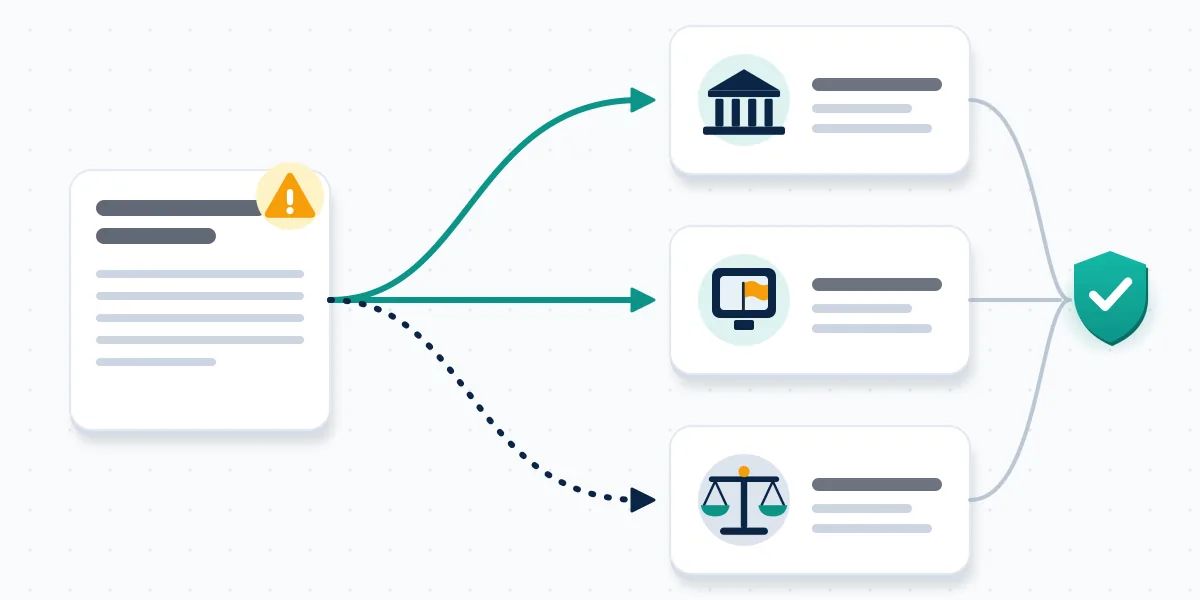
Report it to the platform under the rule it breaks, because platforms remove far more than Google does. YouTube, TikTok, X and Telegram all ban impersonation, targeted harassment and certain kinds of harmful misinformation, and once the post is gone the Google result dies with it. That is the shortest answer to how to get false information removed from the internet: kill the source, then refresh the search result.
On YouTube, flag the video under harassment or misinformation. Reporting is anonymous, a point covered in detail in if you report someone on YouTube, will they know. Channels that keep publishing fabrications collect strikes and can end up among the banned YouTube channels once three strikes land within 90 days.
TikTok works on a strike system as well; how many violations to get banned on TikTok explains the thresholds. If the false claims come with a money ask, the guide on how to report a scammer on TikTok applies, and fake reviews attached to a product page go through how to report a TikTok Shop seller.
On X, a Community Note can sit under a false post while the report is pending, and if the automated queue stalls, read how to reach a human at X support. False claims spread during live streams go through how to report someone on Twitch. Telegram channels that repost fake news about you are handled in how to report a Telegram group.
Commerce sites count too. A seller who uses your name or brand in false listing claims can be reported through how to report a seller on eBay. And fake "news" headlines that pair your face with an investment pitch are almost always paid ads; report scam ads on Facebook through the Ad Library so the whole advertiser account gets reviewed, not just one creative.
What if the false posts come from your own hacked or cloned account?
Recover the account first, then delete the posts, then refresh Google. False statements published from your real profile are the most damaging kind, because readers and search engines treat them as yours. Knowing how to remove false information from the internet in this case is mostly an account-recovery problem.
For YouTube, start with how to recover a hacked YouTube channel, or YouTube account recovery without email if the attacker changed the recovery address. Before paying anyone, read is YouTube recovery service legit, since this niche is full of scams. For TikTok, the routes are hacked TikTok account recovery on PC, TikTok account recovery without phone number, the steps to recover old TikTok account access you abandoned years ago, and TikTok business account recovery for seller and brand profiles. On Telegram, see whether you can recover Telegram account with username alone, and what a Telegram account recovery service can and cannot do.
Cloned accounts spread fake news under a lookalike handle. Run a Telegram username availability checker on the variants of your name, and if a valuable handle is about to be squatted, it can be secured where people buy and sell Telegram usernames on Fragment. On TikTok, how to get a rare username on TikTok explains how short handles get released, and a "TikTok username for sale" listing that uses your brand name is an impersonation report waiting to be filed.
What Your Reputation Solution will not do
Your Reputation Solution files requests, prepares evidence and runs suppression campaigns; publishers, platforms, courts and Google make every final decision. Nobody can promise that a lawful article will disappear, and anyone who does is selling something else.
There are firm limits. We never ask for your passwords or two-factor codes. We do not forge court orders, file fraudulent DMCA notices against articles you simply dislike, or pay publishers to delete stories. We also do not run mass-report campaigns against critics; the guides on the YouTube ban service and the TikTok account ban service explain why paid "ban" offers either break platform rules or take your money and do nothing. Honest timelines are 24 to 72 hours for a clean account recovery and 90 to 180 days to change what page one shows for your name. Full limits are on the disclaimer page, and the firm behind this guide is introduced on the Your Reputation Solution homepage.