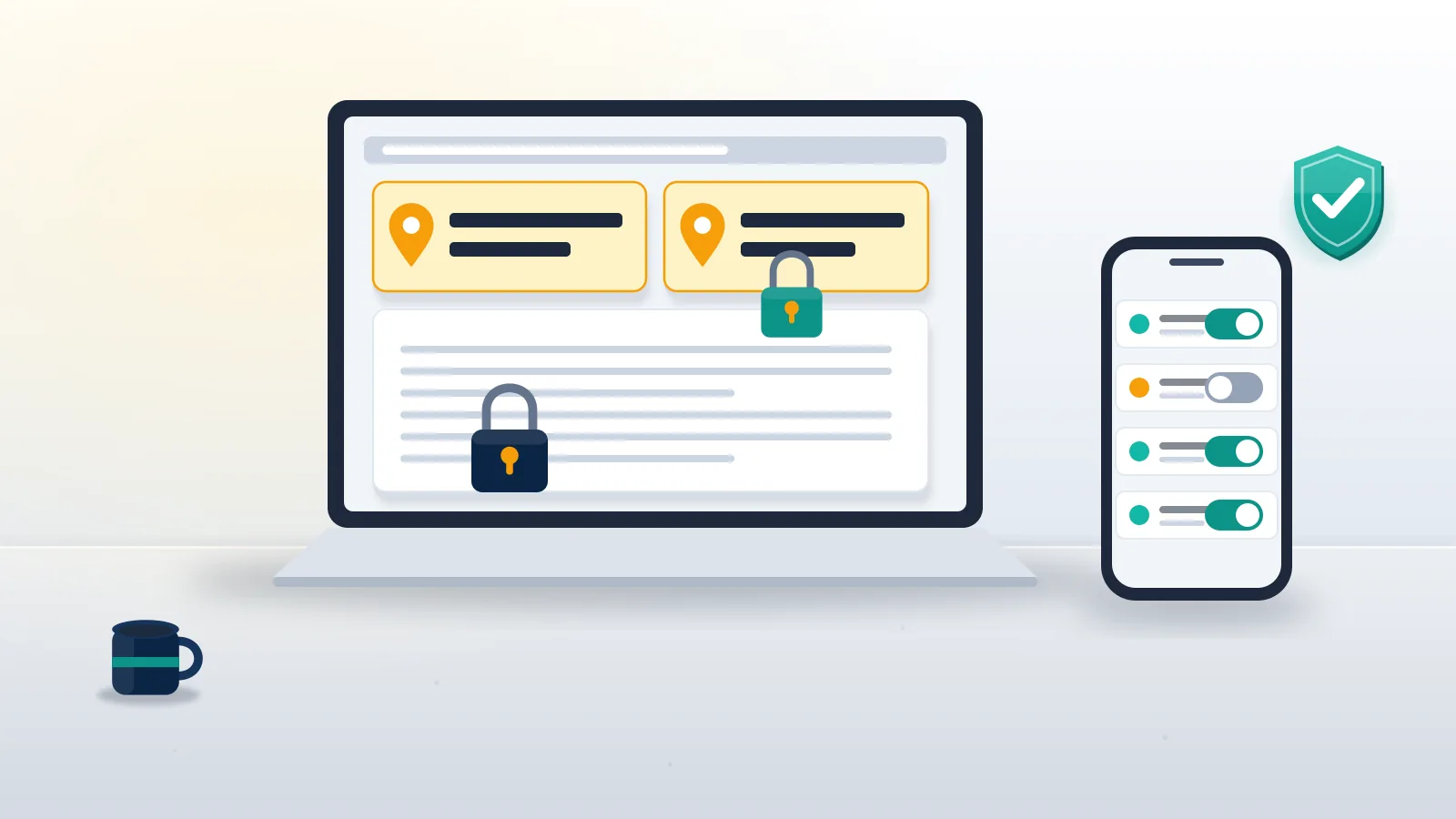
What is doxxing, and how does doxxing happen?
Doxxing is publishing someone's private details, such as a home address, phone number or employer, so that other people can find, harass or threaten them.
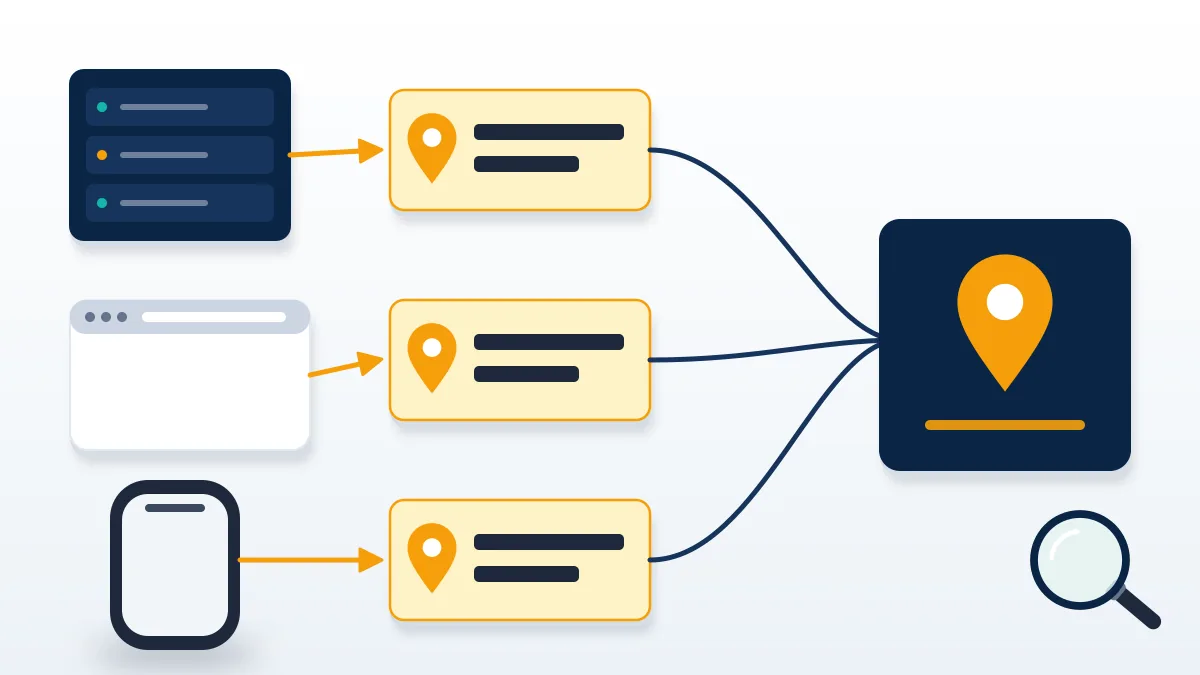
So what is doxxing and how to avoid it in practice? Start with the mechanics. And how does doxxing happen? Rarely through hacking. In most cases an attacker stitches together scraps that the victim, an employer or a records office already published: a people-search listing, an old forum username, a tagged photo, a domain record, a county property file. Each scrap looks harmless on its own. Joined, they answer the three questions a harasser needs answered, which are where you live, where you work and who you care about. That is how doxxing works, and it explains why prevention is mostly about breaking the chain between your online identities and your physical one rather than buying a single product. According to the ADL's 2024 survey, 22% of Americans faced severe harassment on social media in the prior 12 months, a category that explicitly includes doxing, up from 18% in 2023 (ADL, 2024).
Reliable doxxing statistics are thin beyond that. Most surveys fold doxing into broader harassment, so treat any viral "one in three people gets doxxed" figure with suspicion until you find the questionnaire behind it.
Your Reputation Solution is an account recovery and online reputation firm that audits this kind of exposure for individuals and small businesses, then escalates removals through platform and search-engine channels when something leaks. No single federal doxxing statute exists in the United States (Cornell LII), so prosecutors usually reach for stalking or threat laws after the damage. Prevention is the cheaper fight.
How is doxxing done? Five trails attackers follow
Doxxing is done by correlation: an attacker links one public handle, photo or record to another until a real name and street address fall out.
Data brokers are the first trail. People-search sites buy property, voter, marketing and court records and republish them as tidy profiles, so one search on your name can return a current address, relatives, age and old phone numbers in under a minute. Google doxxing is the free version of the same move. Search operators such as a username in quotes, a site: filter on a forum, or filetype:pdf next to your name surface résumés, meeting minutes, conference badges and cached profiles that were never meant to be found. An attacker does not need special access for any of it; patience and a spreadsheet are enough. Running a business from home puts a Google Maps pin in this layer too, so it is worth learning how to remove business listing from Google or switch the listing to a service area that hides the street.
Username reuse is the second trail, and in the exposure audits Your Reputation Solution runs it is the one people underestimate most. Put your handle through a Telegram username check and a few other sites and you see what an attacker sees: one name, five platforms, one life.
Collectors who chase rare Telegram usernames or study how to get rare username on TikTok often reuse the prize handle everywhere.
Anyone who decides to buy Twitter handle inventory to match does the same thing. Matching sets look good and work as a lookup key.
Photos are the third trail. Original image files from many phones carry GPS coordinates in their EXIF data; large social apps strip that on upload, while email attachments, cloud share links and some forums keep it. Pixels leak as well, through house numbers, school logos and the view from a window.
Domain records are the fourth. Many registrars have redacted registrant data by default since 2018, yet older sites and history snapshots can still show a name and address, so check yours at ICANN Lookup.
Social media doxxing ties the rest together: a public friends list, a tagged gym, a "first day at" post. Readers who ask how do people get doxxed on Twitter usually find it began with one reply that revealed a city and an employer.
How to prevent doxxing in nine steps
To prevent doxxing, remove what is already public, separate your identities, and lock the accounts an attacker would use to dig deeper.
- Search yourself like an attacker: your full name in quotes plus your city, then every username, email address and phone number you use. Keep the results in a private note.
- Use Google's Results about you tool to request removal of results that show your phone, home address or email. It removes them from Google Search, not from the site.
- Opt out of the large people-search brokers one by one, then recheck every three months, because profiles regenerate from fresh records. Clients who hand the sweep to Your Reputation Solution get that recheck on a calendar, in the same nine-step order.
- Split your identities: one email for public accounts, a different username for each hobby community, and no reuse of the handle tied to your legal name.
- Lock the master key. Your email account resets everything else, so add an authenticator app or passkey and store recovery codes offline; our YouTube Gmail account recovery guide shows how painful losing that key gets.
- Ask your mobile carrier for a port-out PIN or number lock, so a doxxer holding your number cannot move it to a new SIM.
- Strip location data from photos before sending originals, and scan backgrounds for plates, house numbers and badges.
- Turn on domain privacy for every site you own, and use a mailbox address on business filings where your state allows it.
- Clean old posts: delete or privatize anything naming your street, your employer or your children's school.
Phone hijacks are behind many of the cases where people suddenly need to recover Telegram account with email because the SMS code went to someone else, so step 6 deserves the ten minutes it takes.
None of this makes you invisible, and invisibility is not the goal. How to avoid doxxing is really a question of cost: every removed broker record and every split identity adds hours to an attacker's work, and most harassers move to an easier target once the trail goes cold. Steps 1 to 3 cut the link between a username and a street address, the single link a harasser needs, so they come before any paid privacy tool. During an exposure review, Your Reputation Solution logs every source, because brokers repopulate and a second sweep three months later catches what came back. To protect yourself from doxxing on a budget, the free steps here cover most of the ground. Office workers asking how to protect against doxxing should add one habit: never confirm personal details to an unknown caller claiming to be from IT. Good doxxing prevention is boring, repeatable and finished before anyone is angry with you.
How to prevent doxxing on Discord, Reddit and LinkedIn
Each platform leaks differently, so fix the setting that exposes the most on that platform first.
How does doxxing work on Discord?
Discord doxxing usually starts with shared server membership. Anyone in a server with you can open your profile, view connected accounts and send a direct message, which is where IP-grabber links and fake "verify your account" pages arrive. Discord leaves direct messages from server members on by default; under Privacy & Safety you can switch that off for new servers and override it per server. Remove connected accounts you do not need, and enable Streamer Mode, which hides personal information and invite links while you share your screen. People who search how to prevent doxxing discord are often streamers who showed a tag or a window on camera. Streamers in that spot should treat the old tag as burned and start fresh. Learning how to prevent doxxing on Discord also means never opening shortened links from strangers, since an IP address reveals your rough area, not your door, yet it narrows the search.
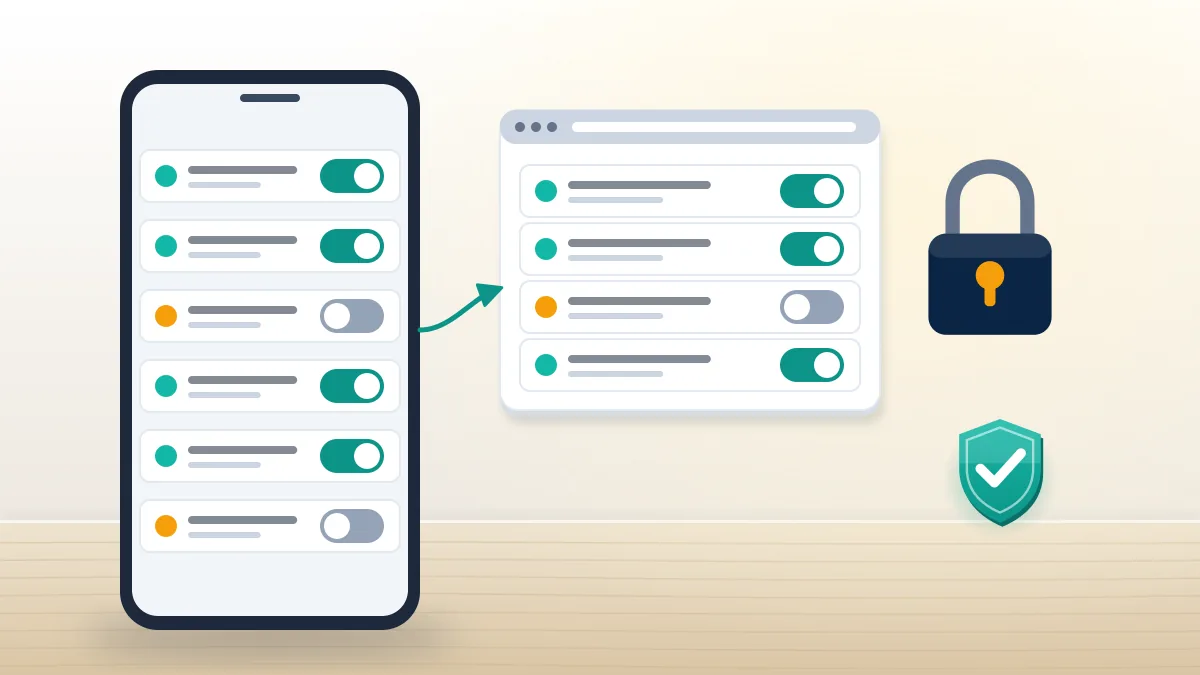
Most of what people mean by how to prevent doxxing reddit comes down to post history, because years of comments add up to a profile. Keep the account that mentions your city apart from the one that mentions your job. Reddit bans posting personal information or links to it, screenshots included (Reddit Help). Reports there go to Reddit's own safety team; Your Reputation Solution can prepare and file them with you, but Reddit decides. Already exposed in a thread? Read how a reddit post removal service works before paying anyone, and file the free report first.
How to avoid doxxing on LinkedIn and protect privacy is a balancing act, because the network exists to show where you work. Under Settings & Privacy, limit who can see or download your email address, and trim the public profile that people outside LinkedIn can view (LinkedIn Help).
Fake profiles built from scraped details are common there. Learn how to report a LinkedIn profile and when a LinkedIn takedown request is the faster route.
Once an intruder is inside the account itself, the LinkedIn account hacked recovery steps matter more than any toggle.
Do VPNs prevent doxxing?
Partly: a VPN hides your IP address from websites and other users, but it does nothing about what you post or what brokers sell.
Do VPNs prevent doxxing in the cases people actually face? Look at where the data comes from. A VPN routes your traffic through another server, so a game lobby, a Discord IP grabber or a forum admin sees the provider's address instead of yours, and your internet provider cannot read which sites you visit. That closes one narrow trail, and only while the VPN is switched on. It leaves every other trail open: the accounts you log into still know who you are, cookies and browser fingerprints still follow you, your payment card still carries your name, and a people-search profile built from property records never touched your connection at all. Even the provider can see your traffic, which makes the choice of provider a trust decision; the FTC has warned consumers to research VPN apps before installing them (FTC, 2018).
Buy one if you stream or play in public lobbies. Skip the marketing that calls it an invisibility cloak. For gamers and streamers, Your Reputation Solution treats a VPN as a sensible layer and never as a substitute for broker opt-outs and identity separation.
What can doxxing do next, and where does prevention stop?
Once details leak, doxxing tends to escalate into account takeovers, impersonation and coordinated reporting, so plan the response before you need it.
A leaked phone number and birthday are enough to start password resets, and that is where most doxxing cases turn into account cases. The attacker calls your carrier, runs the "forgot password" flow on every platform tied to the leaked email, and watches which ones send a code somewhere they control. Bookmark the recovery routes before you need them: the Facebook account recovery forgot password steps and the appeal for suspended Instagram account form both go faster when you already know which ID and email the platform will ask for. List every account linked to your main email, note which still use SMS codes, and move those to an authenticator app first. The dangers of doxxing compound at this stage, because each captured account leaks contacts, private messages and saved addresses that feed the next round of harassment.
Intruders who get in sometimes delete the profile outright, which is when TikTok deleted account recovery becomes urgent. Others clone you instead. Knowing how to report TikTok scammers helps when a fake account uses your photos to borrow money from friends.
On X, a post that shows your address breaks the X doxxing policy, and the X help center form is where an escalation goes if in-app reports stall.
When the post is defamatory rather than private, a tweet removal service page explains the legal routes.
Is your address or phone number already circulating? Your Reputation Solution can map where it appears and which removal routes apply to each copy. Request a free privacy check.
Doxxing crews often add mass reporting on top. Groups that mass report Snapchat accounts, or ask does mass reporting work on YouTube, are trying to get the victim removed so the victim cannot answer.
When the reports succeed, a legitimate TikTok unban service guide shows which appeals work.
Facebook is similar, and the rules behind a Facebook account takedown explain which reports stick. Never retaliate with throwaway accounts: victims who do get banned on Instagram themselves.
Read how to avoid Twitter ban triggers before replying to a pile-on. Already posted? Our guide on where to report doxxing lists every route, and credible threats belong with local police or 911 first.
Our team files and escalates privacy and impersonation reports; the platform or search engine makes the final decision. Nobody on it will ever ask for your passwords, "counter-dox" anyone, sell mass-report tools or promise that a page disappears. Anyone offering to erase you from the internet for a crypto payment is running a scam. Our disclaimer spells out the limits.