
What a Twitter account report asks X to decide
A Twitter account report asks X to judge a whole profile against one named rule, not a single post. That difference shapes everything after the tap. Reporting a post points a reviewer at one piece of content, while reporting an account on Twitter says the problem is a pattern: a profile built to hound one person, a fake persona, or an account that breaks the rules without posting at all, which is why X tells you to report mass-following accounts as spam at the account level (X Help Center). Since X rebuilt reporting around what it calls a "symptoms-first" approach, the flow asks what is happening to you before it names any rule, then shows back the rule it thinks applies. Nowhere in that flow is there a counter, and nothing on the confirmation screen mentions one. One documented filing and fifty thin ones reach a reviewer carrying the same question: did this account break this rule?
Your Reputation Solution is a reputation and account-recovery service that prepares abuse reports on X for people being targeted, and appeals for people caught by a report that should never have landed. Anyone can file, including on someone else's behalf, according to X's overview of how to report violations. You can report a Twitter user whose posts go after a friend, a colleague or a whole community, and the flow has a separate answer for exactly that case. Even blocked accounts stay reportable: posts from an account you blocked, and posts that mention you from an account that blocked you.
Blocking and reporting do separate jobs, and mixing them up wastes the stronger one. Blocks are yours to apply and end contact on your side at once; a suspension is the platform's call alone, the same split laid out in blocking versus banning on WhatsApp. Filing carries a cost when the claim is wrong, too. False reports can come back on the person who sends them, a risk our breakdown of attempts to get someone's WhatsApp banned describes on Meta's side.
Every case worth filing gets sorted on exactly that line first: is the harm in one post, or in the account? An account report resting on a single insult usually closes with nothing to show for it, while three weeks of replies aimed at one person is the pattern the account route was built for.
How to report a Twitter account, screen by screen
On Twitter, report an account from its profile: open the three-dot menu, choose Report, and answer X's questions in the order they appear. Searches phrased as report account twitter, twitter report account or how to report a twitter profile all end at this menu, in the app and on x.com alike. These steps follow X's guide to reporting abusive behavior as of September 2026, and they are the screens Your Reputation Solution walks clients through on a first report.
- Open the profile you want to report, in the X app or on x.com.
- Select the overflow icon (three dots) on the profile, then Report.
- Answer who the report is for: Myself, Someone else or a specific group of people, or Everyone on X.
- Describe what is happening in plain terms; the symptoms-first questions narrow the issue before any policy name appears.
- Add posts when asked, since X may request examples from the account so reviewers see context rather than one line.
- Check the confirmation screen, which repeats what you reported, the context you gave and the rule X thinks may apply.
- Keep or untick "Updates about this report can show these posts", depending on whether you want the abusive text quoted back in follow-up emails.
- Submit, then read the next screen, where X suggests further steps such as muting or blocking.
Step three decides more than it appears to. Under X's abuse and harassment policy, reviewers sometimes need to hear directly from the person being targeted before they act, and for misgendering or deadnaming claims they always do. Picking Myself is therefore the strongest answer a victim can give, and a friend who reports on your behalf may open a case that waits on you to confirm it. Examples in step five carry the rest of the weight. Reviewers judge severity, whether someone was singled out by mention, full name or photo, and the account's earlier record, so three posts from one evening that tag you by handle make a better file than a single ugly reply from last year. Screenshots are for your own record, since an account under review can delete posts before any decision lands.
For that reason, Your Reputation Solution has clients capture the thread with the handle and timestamps visible before a single report goes in.
From a post, a DM or a Space instead
Each surface carries its own Report entry. On a post, the More icon leads to Report post; in a Space, tapping someone's profile photo opens Report; in Direct Messages, the information icon shows Report @username for one message or the whole thread. One detail catches people out. Reported messages and conversations disappear from your inbox and cannot be recovered, so capture them first. In a one-to-one thread, X also stops the reported account from messaging you, although the conversation restarts if you write to them again.
Can you report a tweet and leave the account alone?
Yes, and often you should. One abusive reply from an otherwise ordinary account belongs in a post report, which asks X to judge that post only; the reason you pick decides the test, as our guide on how to report a tweet explains. After you file, the post is replaced in your own view by a notice saying you reported it, with an option to click through. Reporting a post or List "does not automatically result in the account being suspended," in X's words. Narrow targets win on every major platform, and one accurate report tied to the actual violation is also how people get a TikTok taken down without wasting weeks.
Reporting without an X account
No X account is needed for the impersonation form, according to X's impersonation help page, and the Help Center's Contact us page groups the other forms under Staying safe on X, Authenticity on X and intellectual property issues. The logged-out route matters most when reporting Twitter account impersonation, because the person being copied often has no profile to report from. Help Center forms carry one condition the in-app flow never spells out: X may ask to share parts of your report with third parties, including the affected account. For clients who aren't on X, Your Reputation Solution files these forms under the client's own name and with their consent.
Which report reason fits: abuse, a bot, a fake profile or a DMCA claim?
Pick the reason that matches behaviour you can show, because the questions, evidence requests and final rule all follow from it. Choose wrong and a real problem gets tested against the wrong rule.
| What you are reporting | Where it goes | Who should file | Worth knowing |
|---|---|---|---|
| Abuse or harassment | Report on the post, profile or DM, or the abuse form | Anyone, ideally the target | X sometimes needs to hear from the person targeted |
| Spam or a bot | Report as spam, at account level if it never posts | Anyone | Labeled automated accounts tied to a human are allowed |
| Fake persona or impersonation | Profile report as a bystander; impersonation form if it copies you | You or an authorized representative | The form needs no X account |
| Private information | Report, or the private information form | Ideally the person exposed | A separate policy from abuse |
| Copyright (DMCA) | X's copyright form, never the Report button | Owner or authorized agent | Your full notice goes to the account holder |
| Brand or trademark misuse | X's trademark form | The mark owner | Companies use this, not the impersonation form |
Report abuse on Twitter: what the harassment rule reaches
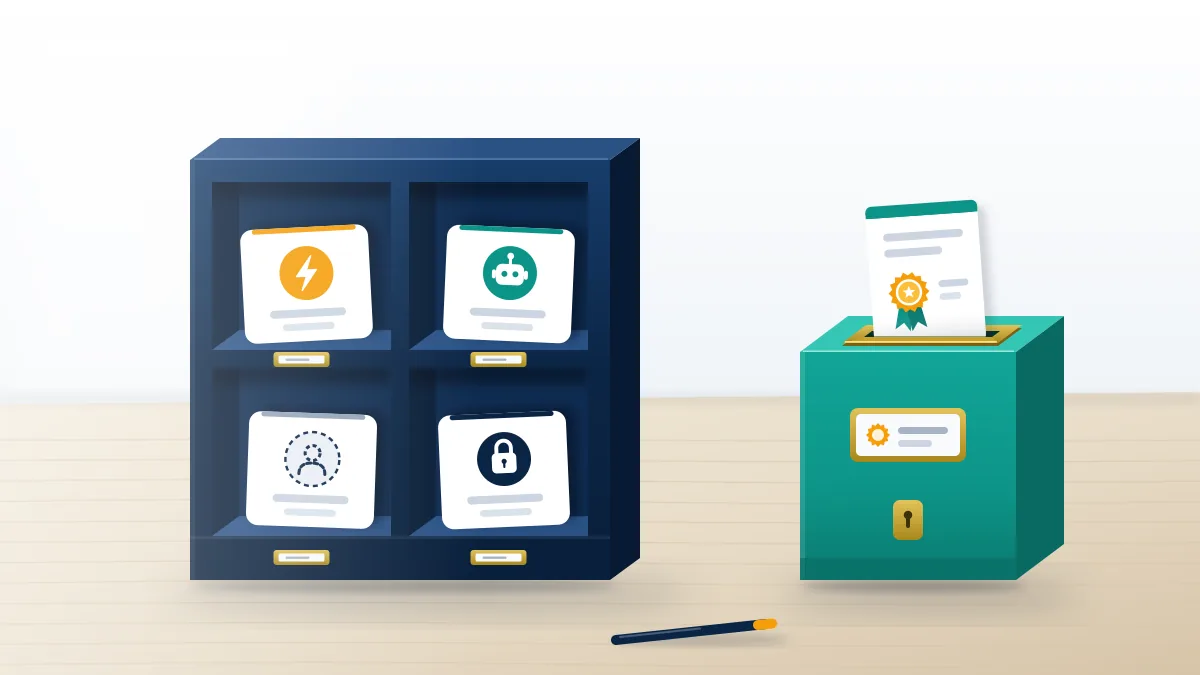
If you need to report abuse, Twitter gives you two doors: the Report entry on the post, profile or message, and the abuse form in the Help Center. Behind both sits X's Abuse and Harassment policy, last revised in March 2024. Its core is targeted harassment, meaning malicious, unreciprocated targeting of a person: many posts in a short window, a stream of hostile replies, or an account that exists to hound someone. Incitement is covered as well, alongside unwanted sexual content aimed at a person who never agreed to it. Insults sit lower. Targeted insults get action, but X "will not take action against every instance," and it excludes criticism of institutions, practices and ideas altogether.
When Your Reputation Solution files these for clients, the cases that move share three things: a first-person report from the person targeted, several posts from a tight window, and the handle tagged in each. Bystander reports about a rude exchange between two adults tend to close without a word. That pattern is no house theory, since the policy itself names targeting, severity and prior record as what reviewers weigh.
How to report a bot on Twitter
Report it from the profile under spam, since automation that breaks X's Developer Policy falls under the authenticity rules X last updated in April 2025. Not every bot qualifies. Bots can carry an automated-account label, provided they stay connected to a human-run account, and a labeled disaster-alert bot is following the rules rather than breaking them. Spam accounts that follow you, like your posts or reply with links, are quicker to remove and block than to wait out in a report queue, which our guide on how to get rid of bots on Twitter walks through.
How to report fake Twitter accounts, and who should file
How to report fake Twitter accounts depends on whose identity is being used. X's authenticity policy bans fake personas built from stock, stolen or AI-generated photos and copied bios when they are used to deceive, and bystanders can flag those from the profile. When the account copies you or your brand, the stronger route is the impersonation form, filed by you or an authorized representative; a valid report ends with the account suspended or ordered to change, a process covered in how to report impersonation on Twitter. Instagram asks for a photo of your ID on the equivalent claim, a step our guide to getting an Instagram account taken down covers. To report fake Twitter account clusters run by one operator, file on each profile and use the extra-information step to say the accounts share photos, bios or posting times. Brand cases go through the trademark form instead, since X tells companies to use it, and that is the route Your Reputation Solution takes for business clients.
Reporting a fake or dormant account won't hand you its username, either. In X's words, it generally does not accept individual requests for inactive or suspended usernames, which is why the realistic path to claim an inactive username on X runs through the public pool, and why Instagram's route to claim an Instagram username is narrower still.
A Twitter DMCA report leaves the Report button behind
A Twitter DMCA report is a legal notice filed through X's copyright form, not a complaint picked from the Report menu. Once X acts, its copyright policy says, the account holder receives a full copy of your notice, including your name, address, phone number and email. Filing a knowingly false claim exposes you to damages under 17 U.S.C. § 512(f). Two practical rules come from the same page. Profile links alone are not enough, so list each post, and duplicate complaints slow processing rather than speeding it up.
Everything else about the form sits in our guide to a DMCA takedown on Twitter. Telegram draws the same line between its abuse and copyright inboxes, which matters when you take down a Telegram channel.
Reported an account and nothing changed? Your Reputation Solution reviews what you filed, tells you which route the case belongs in, and prepares the next report with you. Talk to our reputation team for a free case check. We never ask for your X password.
What happens after you report an account on Twitter?
X acknowledges a properly submitted report within 24 hours, then reviews the account against the rule you chose. Most reports resolve within a few days, although X's reporting overview says some take 30 days, for reasons such as needing more input or an appeal from the other side.
Seeing the confirmation can itself take up to 24 hours. After that, X contacts you only when it needs more information or takes action, and for some report types you may never hear an outcome. Separately, an in-app notification tells you when an account you recently reported has been actioned, which X notes may or may not relate to your report. Silence, in other words, proves nothing. Triage, anonymity and timing get fuller treatment in what happens when you report someone on Twitter.
Six outcomes X can choose
X's range of enforcement options gives the ladder a reported account can land on:
- The report closes with no action, and you may never be told.
- Posts lose reach, dropping out of search, trends and timelines, and since April 2023 they carry a label that both author and viewers see.
- Removal becomes mandatory: the account must delete the post before posting again, while a notice covers it.
- Read-only mode lets the account browse but not post, repost or like, and it can message only its followers.
- Verification locks demand a phone number or email, and the account drops out of follower counts until it complies.
- Suspension, reserved for repeat violations or severe ones such as violent threats, targeted harassment, fraud and privacy violations.
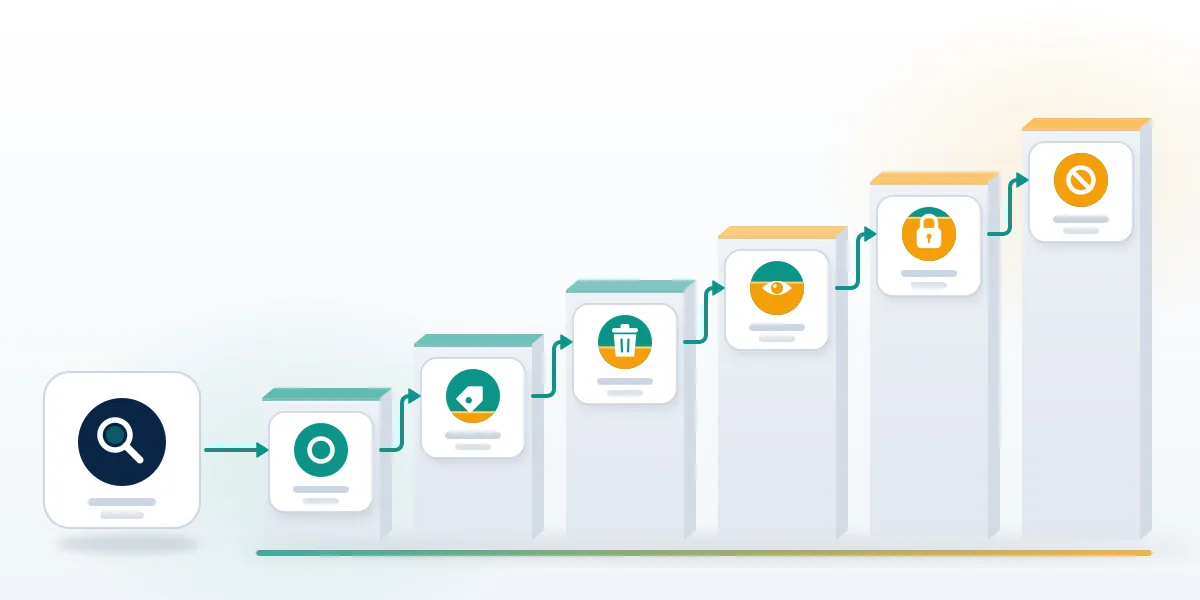
Before advising on any appeal, Your Reputation Solution reads the enforcement notice against X's enforcement ladder, because the rung decides the route. Which rung X picks depends on the account, not on you. Its abuse policy lists the factors: how severe the violation is, whether a person was targeted by mention, full name or photo, and the account's previous record. First offences in a heated reply usually land low, often a removal plus a stretch of read-only time, while an account dedicated to harassing one person can be suspended outright. That spread explains why two people reporting similar behaviour see different results, and why a reporter who expected a suspension reads a removal as failure when it is the rule working as written. Restrictions can also be narrow. Read-only mode on X resembles Telegram's read-only restriction, and Meta can shut one feature while the profile keeps working, as with feature-level bans on Facebook.
Most rungs can be contested by the account owner. Labels get a review request, the same route people use to appeal a shadow ban on X, and suspensions go through the app or a form, the route to recover a suspended Twitter account.
Some outcomes stay final everywhere, as with YouTube terminations that can't be reversed and the cases where Meta won't reinstate a profile after fraud or child-safety violations.
When the same person comes back
IP blocking is generally ineffective, X explains, because addresses are shared by many unconnected accounts and easy to change, so it can't stop an abuser's next profile. Ban evasion, though, is a violation under the authenticity policy. Report the new account and say, in the extra-information step, which suspended account it replaces and what ties them together, such as the same photo, bio wording or targets. Identity is a dead end for reporters: X releases account information only under valid legal process. Where a threat feels credible, call local police, and on post reports use the Email report button on the "We have received your report" screen to keep a copy for them. Linking repeat accounts into one documented case is how Your Reputation Solution handles ban evasion, so the reviewer sees a pattern rather than a stranger.
Report volume, wrong reports and the lines we hold
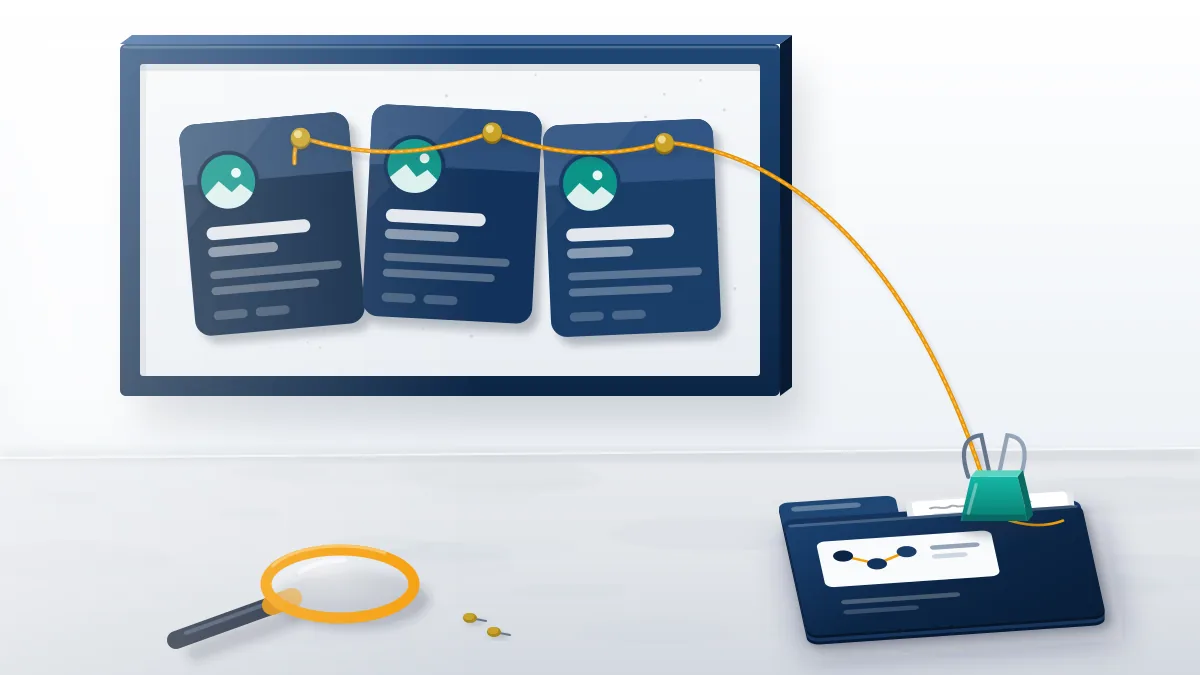
Volume doesn't decide a report on X, and paying someone to supply it buys nothing a single accurate filing wouldn't. Severity, targeting and prior record are the factors X lists for abuse enforcement, and report count is not among them. Purchased campaigns also run into the authenticity rules, because scripted accounts that break the Developer Policy are a violation in their own right, so the buyer's accounts are exposed before the target's are touched. Duplicates don't help on the legal side either, since X processes copyright notices in the order received and says duplicate complaints slow them down. Sellers of report packages by the hundred are selling a number X never reads. A single report that meets the rule is enough to act on; fifty that miss it still fail, and every large platform says a version of the same thing.
Instagram tests each report against a specific guideline instead of counting them, so the thresholds sold alongside mass report Instagram account tools don't exist, and automated spam reports on Instagram add risk to the buyer's own login.
TikTok judges each report against its Community Guidelines, a point our look at bulk-report services on TikTok makes in detail. Facebook assesses profiles, Pages and groups on their own conduct, which is how Facebook judges each surface.
WhatsApp reports carry only the messages a reporter actually received, a limit that paid WhatsApp report panels can't get around. Telegram publishes no report threshold at all, as our Telegram mass-report explainer sets out.
If the report was about you
An appeal is a different document from a report. Name the rule you were cited under and answer it directly, as laid out for naming the rule in a TikTok appeal, and watch the clock, since a TikTok permanently banned account gets a 30-day appeal window.
Recovery of a permanently disabled Instagram account works only until the data is deleted, and action blocks versus full disables follow separate routes.
Your Reputation Solution files and escalates the report, and X makes the final decision; nobody outside X can promise a suspension. We never ask for your X password or login codes, not even to "check" an account. Mass reports, reports we know to be false and personal disputes dressed up as DMCA notices are all off the table. Accounts that criticize you, and parody accounts labeled as parody, stay up, and you hear that before any work begins. The same limits run through every platform we handle, from helping people recover a Telegram account to our Telegram recovery service, which turns down accounts banned for sustained harassment.
Our full list of limits, including what no one can recover, sits in our disclaimer.