What is a Spotify takedown, and who can file one?
A Spotify takedown is the removal of a track, episode or release after a rights holder proves it was uploaded without permission. Only the copyright owner, or someone authorised to act for them, can file the formal legal notice under US law. Spotify's Intellectual Property Policy says it reviews each claim, then removes the reported content or disables access in specific countries, and it may contact the claimant or the uploader for more detail. Fans who spot a pirated album cannot file for the artist, although they can tell the artist. That logic runs through how to remove things from the internet in general: the person whose rights were broken holds the strongest claim. Paid help exists too, and reputation management to remove negative content works through the same owner-led routes rather than around them.
Rights questions come first. When a label or publisher co-owns the song, check who controls the master before anyone files.
Your Reputation Solution is a content-removal and account-recovery firm that prepares and files infringement notices for artists, podcasters and small labels, and it never files on behalf of someone who cannot show ownership.
What does a Spotify DMCA notice have to contain?
Every Spotify DMCA notice needs six elements, and missing any one lets Spotify refuse to process it. Federal law sets the list in 17 U.S.C. 512(c)(3), and Spotify repeats it almost word for word: identify each copyrighted work; point to the exact infringing item, ideally with a Spotify URL; give your full name, address, phone number and email; state a good-faith belief that the use is not authorised by the owner, an agent or the law (fair use included); confirm under penalty of perjury that the notice is accurate and that you own the right or act for the owner; and sign it, physically or electronically. On top of that, Spotify adds a seventh line of its own: you accept that your contact details and the notice may go to the uploader and be kept for legal purposes. That last clause surprises people who expected anonymity. Readers who have seen how platforms report doxxing cases will notice the contrast, because a copyright claim is never anonymous.
Other platforms ask for identity proof in similar ways, as anyone who learned how to report a fake Facebook account to the police already knows.
How to report stolen music on Spotify, step by step
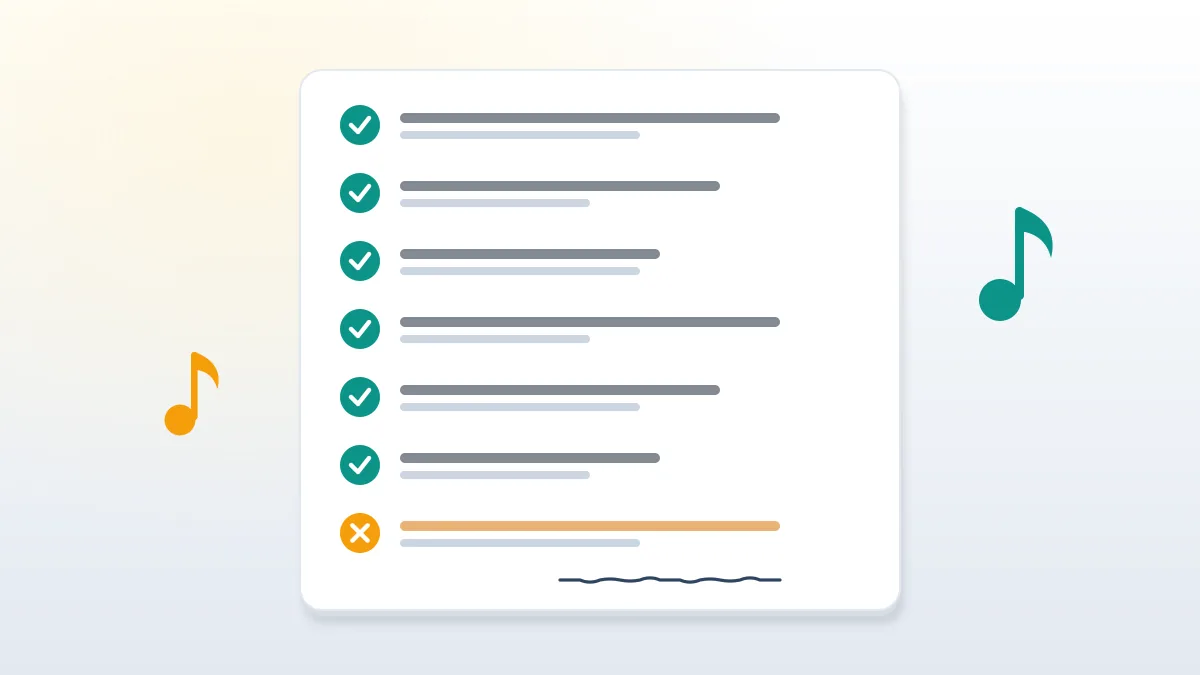
Start a Spotify takedown request with evidence, not the form. Anyone working out how to report stolen music on Spotify can follow this order.
- Copy the infringing track's link and its Spotify URI (desktop app: right-click the track, choose Share, hold Alt or Option, then Copy Spotify URI).
- Collect proof you own it: session files, the original release date, your distributor dashboard, ISRC codes.
- Open Spotify's infringement claim form and file one report per content category.
- Keep the confirmation email, because appeal and follow-up instructions arrive there.
Before any notice goes out, Your Reputation Solution checks whether the copy sits on a separate profile or on yours, because that single fact decides the route. Spotify's report page warns that incomplete reports may be delayed or not processed at all, so attach the supporting evidence the first time. Most Spotify stolen music cases fall into two groups: a stranger re-uploads your master under a new artist name, or a bad actor pushes a copy onto your own artist profile through a loose distributor. Case one is an infringement claim. Case two often goes to the "Music mixed up with another artist" fix in Spotify for Artists, which corrects the profile without a legal notice. Picking the wrong door wastes a week. Reporting on other apps follows the same evidence-first habit, whether the job is a TikTok report account request or learning how to report Facebook comment threads.
Some reports never reach the platform at all. Asking a group moderator works when you report to Facebook admin staff, but reporting hate speech on Facebook goes to Meta itself, just as a copyright notice goes to Spotify and not to the uploader.
Distributor takedown or DMCA: which route fits?
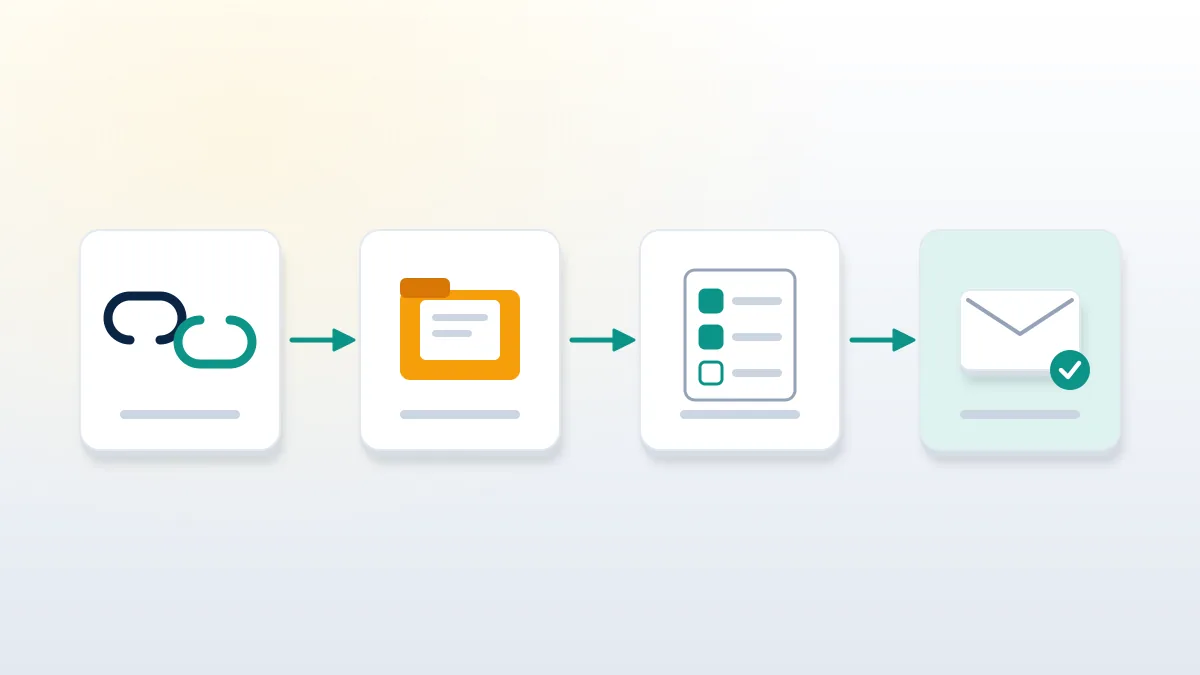
Use your distributor when the release is yours; use a DMCA notice when someone else uploaded it. Distributor takedowns are instructions from the account that delivered the music, so Spotify treats them as routine catalogue work, not legal claims. Third parties who put your songs online will not pull them because you asked nicely, which is where the legal notice earns its place. In our files, the mixed cases cause the most delay: a co-writer leaves a band, re-releases the demos through a different distributor, and both sides believe they own the masters. Ownership fights between collaborators are not something Spotify judges; it acts on a complete notice and lets courts settle the rest. That is why Your Reputation Solution asks for split sheets and contracts before drafting anything, and declines when the paperwork points the other way. One quick ownership check also protects you from the false-claim liability covered further down.
Review platforms show the same split between owner requests and outside complaints. An erase fake reviews service cannot override a host's rules, and the steps to report fake reviews Amazon sellers use still depend on a policy breach.
Travel sites follow suit: hosts who want to remove Airbnb review text need a rule violation, and pages explaining how can I remove a review on Facebook give the same answer.
Stolen podcast on Spotify: what changes?
Stolen podcasts follow the same infringement form, but the evidence is your RSS feed and hosting records instead of a distributor account. People search "stolen podcast spotify" after finding their episodes re-published under a new show name, sometimes with ads stitched in. Copies usually arrive through a hosting service that accepted someone else's feed, so the strongest proof is your original feed URL, the first publish date of each episode, and raw audio files whose length matches. List every infringing episode link in one report, since Spotify accepts several items from the same category on a single form. Ask the host of the copycat feed to remove it at the same time, because a feed taken down at the source stops reappearing elsewhere. Clips used inside another show are harder: short quotation with commentary may count as fair use under US law, and the notice must include your good-faith statement that the use is not authorised.
Impersonation sometimes rides along with the copy. Fake show covers that borrow your face raise the same frustration as when Facebook will not remove fake profile pages, and podcasters who publish their address on air should read how to protect against doxxing before the next episode.
What happens after a Spotify takedown request lands?
Spotify reviews the notice, then removes the item or blocks it in certain countries. Your Reputation Solution prepares the notice, the evidence file and the follow-up; Spotify alone decides whether the content stays down. Distributor-initiated removals take at least 2 business days, according to Spotify for Artists support, and a removed track can still appear through a direct link, grayed out and unplayable, unless another version is live in your country. Each version carries its own URI, so compare URIs before you assume the takedown failed. Uploaders may also receive your name and email, and they can appeal through instructions in Spotify's email. Repeat infringers can lose their accounts, though a reinstated item or a withdrawn claim is subtracted from that count. Expect silence for a few days, then one email. When nothing changes after 2 business days on a distributor removal, Spotify's own advice is to contact the distributor.
False search results need different tools, as the guide on how to remove false information from Google explains, and the steps for how to remove images from Google Business listings follow Google's rules, not Spotify's.
Privacy removals elsewhere follow their own forms, so a request to remove house from Google Maps and a plan to remove bad reviews never borrow the copyright route.
Can the uploader fight back with a counter-notice?
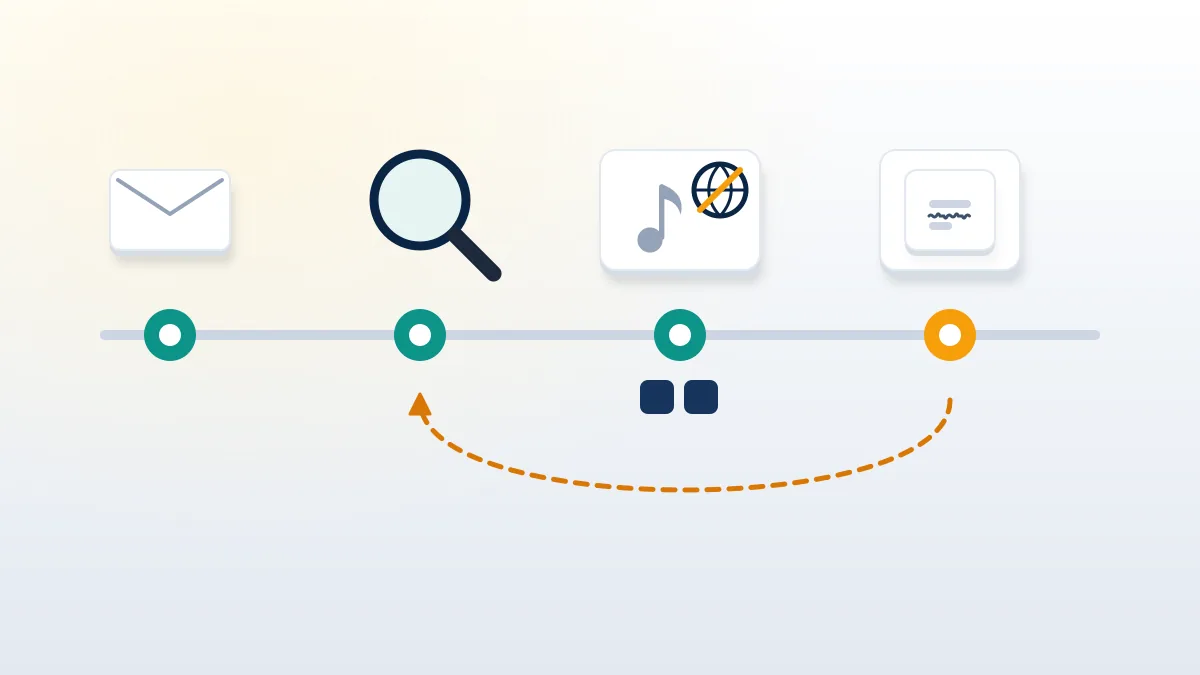
Yes, and the counter-notice starts a legal clock that only a lawsuit stops. Under section 512(g), a service that receives a valid counter-notification restores the material no sooner than 10 and no later than 14 business days later, unless the original claimant tells it a court action has been filed. Counter-notices carry the uploader's own perjury statement and consent to a US federal court's jurisdiction, so serious infringers rarely send them. Appeals, not formal counter-notices, are what Spotify's policy describes, and the appeal instructions arrive by email, so read that message closely. For clients, Your Reputation Solution keeps every dated file in one indexed folder so the reply to an appeal is ready the same week. Should the uploader respond, the dispute moves to evidence: dated session files, distributor logs and signed agreements decide it. Takedowns that collapse at this stage usually lacked proof, not effort.
Press disputes follow a similar standoff between takedown and publication, which is why online reputation management negative articles work leans on legal standards, and why questions such as can Facebook ban sex offenders turn on law rather than preference.
Why does a false Spotify DMCA backfire?
False claims can cost more than the song. Section 512(f) makes anyone who knowingly misrepresents infringement liable for damages, including costs and attorneys' fees, and Spotify warns that fraudulent notices can end in account termination or legal consequences. In Lenz v. Universal Music (2015), the Ninth Circuit held that a rights holder must consider fair use before sending a takedown notice. People who search "dmca spotify" to silence a rival, or who buy mass reporting to bury a competitor's release, are building evidence against themselves. No legitimate service files a takedown for anyone without ownership proof or against parody and commentary that looks like fair use, and none needs your Spotify, distributor or email password. Anyone who offers a guaranteed takedown for a fee is selling a risk, and the limits of what any firm can promise are set out in this disclaimer.
Telegram sellers promise the same shortcut. A report bot cannot sign a perjury statement, so automated copyright reports fail on the first element, and an honest look at whether a mass report bot on Telegram bans anyone ends with the same answer.
Other platforms carry the same warning: the real risks of a TikTok mass report bot fall on the buyer, and auto FB report bots and extensions carry the same exposure.
Music or a podcast live on Spotify without permission? Your Reputation Solution can review the ownership file and the uploads before anything is filed. Get a free takedown review.
When is outside help worth paying for?
Help pays off when ownership is shared, the copy keeps returning, or royalties are leaking. Royalty diversion is not hypothetical: in September 2024 the US Attorney's Office for the Southern District of New York charged a musician over a bot-streaming scheme that prosecutors say pulled about $10 million in royalties from the pool real artists share. Every case of spotify songs stolen and re-uploaded drains that same pool, one stream at a time. One clean re-upload rarely needs a professional; the form and one evening of evidence are enough. Repeat uploads across several fake profiles, a podcast copied into multiple feeds, or a co-writer dispute are different, because each notice must stand on its own proof and each failure feeds the uploader's appeal. Fans write in asking "takedown spotify" questions about artists they love, and the honest answer is that only the owner can act. Even spotify music stolen from a catalogue you manage still needs the owner's signature on every notice.