
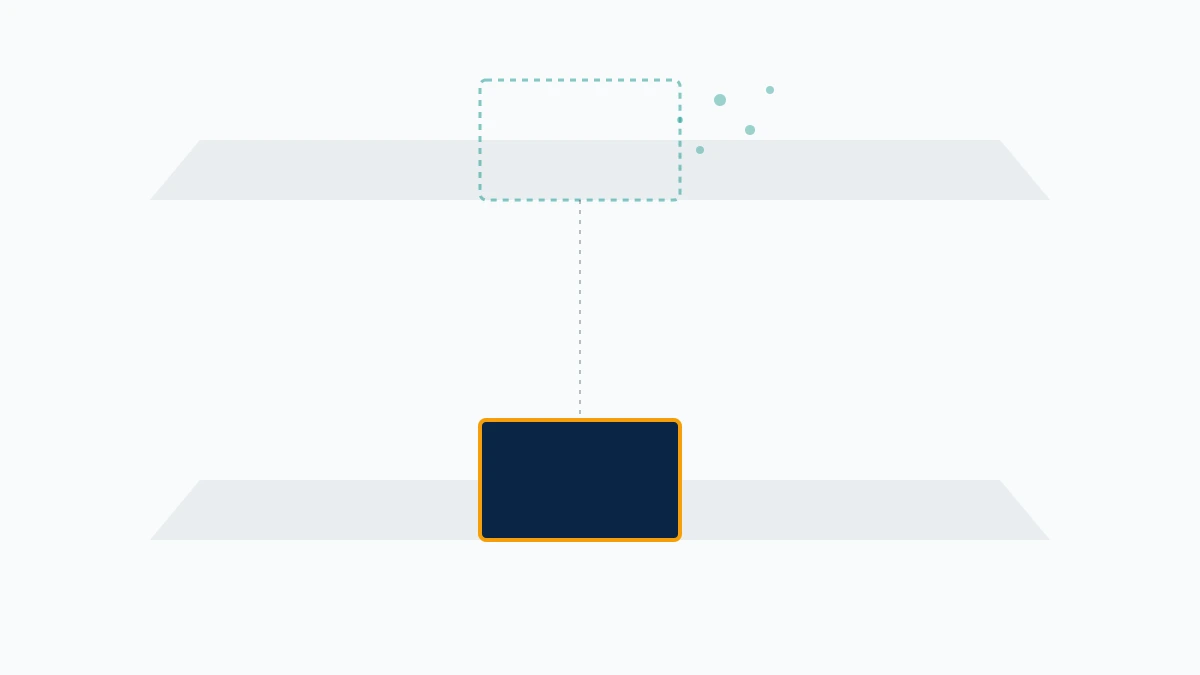
A search result and the page behind it are two different objects
Removing a result from Google Search hides a listing. It does not delete the page.
That one distinction decides which of the tools below can help you and which will quietly waste a week. Google's index holds a copy — a crawled snapshot of a page that lives on somebody else's server. Pull the copy out of the index and the original stays exactly where it was: reachable by direct link, visible to anyone the owner sends it to, still sitting in Bing.
Your Reputation Solution is a reputation-management and account-recovery firm whose team files search removals and platform escalations for people and businesses whose names have gone wrong online, and this is the correction we make most often before a case even opens. Someone arrives certain that Google is the publisher. Google is the librarian.
So the question of how to remove search results from google is really two questions asked as one. Do you want the listing gone, or the page gone? The second means dealing with whoever runs the site. Only the first is a Google problem, which is why how to remove search results on google turns out to be a far narrower job than most people expect.
The third case looks like both and behaves like neither: the page has already changed. The article was corrected, the old profile was deleted, the staging site came down — and the stale result keeps showing anyway. That is not a removal. It is a recrawl, and Google built a separate public tool for it.
Which is why how to remove something from google search has no single answer. There are three, and choosing the wrong one is the usual reason people conclude none of them work. Phrased as how to remove something from google search results, the question still resolves the same way: name the situation first, pick the tool second. An Instagram profile shows the pattern cleanly: an old account you deleted can keep surfacing for weeks after it is gone, because deletion at the source and refresh in the index are separate events on separate clocks. Your Reputation Solution starts every case by establishing which of the three situations is actually in front of it, since the answer decides whether there is a filing to make at all.
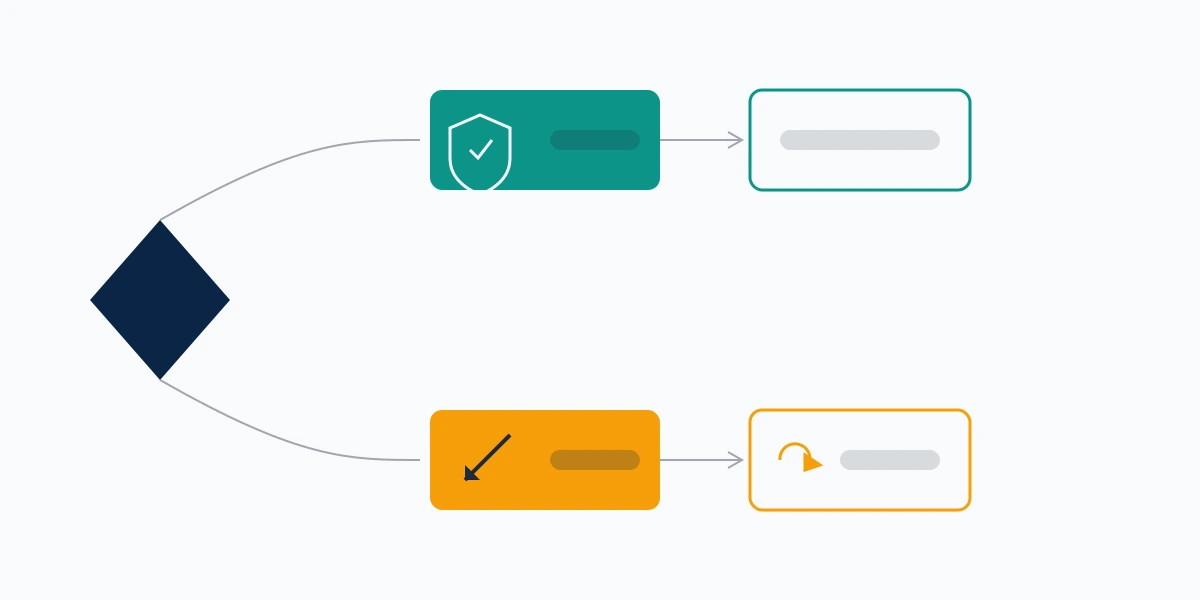
Do you control the page? That answer picks your tool
Everything routes off one question, and it is worth answering honestly before you open a single form.
If the URL sits on a site you can verify in Search Console, you get the powerful tool: a direct block on the listing, applied in hours, lasting about six months. If it does not, you get the narrow one — a public request that works only once the content has already been changed or taken down by whoever controls it.
| Your situation | The tool | What it actually does |
|---|---|---|
| You own or administer the site | Search Console Removals | Blocks the URL from results for roughly six months |
| You do not own it, and the page has already changed or gone | Refresh Outdated Content | Asks Google to recrawl and drop the stale listing |
| You do not own it, and the content is still live | Neither | Go to the site owner, the platform, or a legal route |
That third row is the one nobody wants. That row also describes most people searching for how to remove a page from google search, and pretending otherwise is how this category earned its reputation.
Ownership is narrower than people expect. The bar is a verified Search Console property, not an account on a platform, and verifying a domain you do not control is not a loophole — it is a misrepresentation. Your Reputation Solution does not do it for clients, and does not explain how it might be done.
There is a softer version of the same trap. Sometimes the page genuinely is yours and you simply cannot reach it, because the login is gone. Disabled accounts and deleted accounts leave different traces in the index, so working out which lockout you actually have comes first. You cannot delete a page, edit a page, or verify a property from an account you are locked out of.
How to remove a page from Google Search results with the Removals tool
The Removals tool sits inside Search Console under Index, at search.google.com/search-console/removals, and it acts only on properties you have verified.
Open it and you find three tabs: Temporary Removals, Outdated content, and SafeSearch Filtering. The first is the one you want. Click New Request and Google offers two options that people routinely mix up:
- Temporarily remove URL blocks the address from results for about six months and clears its snippet.
- Clear snippet in search wipes the description text until the page is indexed again, while the result itself stays listed.
Choose the first when the page must disappear. Choose the second when the page should stay but its preview text still quotes something that has since been fixed.
One option inside that first flow is worth knowing before you need it. Instead of a single address you can select Remove all URLs with this prefix, which covers everything beneath a path — an entire directory, a whole subfolder of a staging build — across www, non-www, HTTP and HTTPS at once. That is the real answer to how to remove url from google search when the problem is not one URL but four hundred.
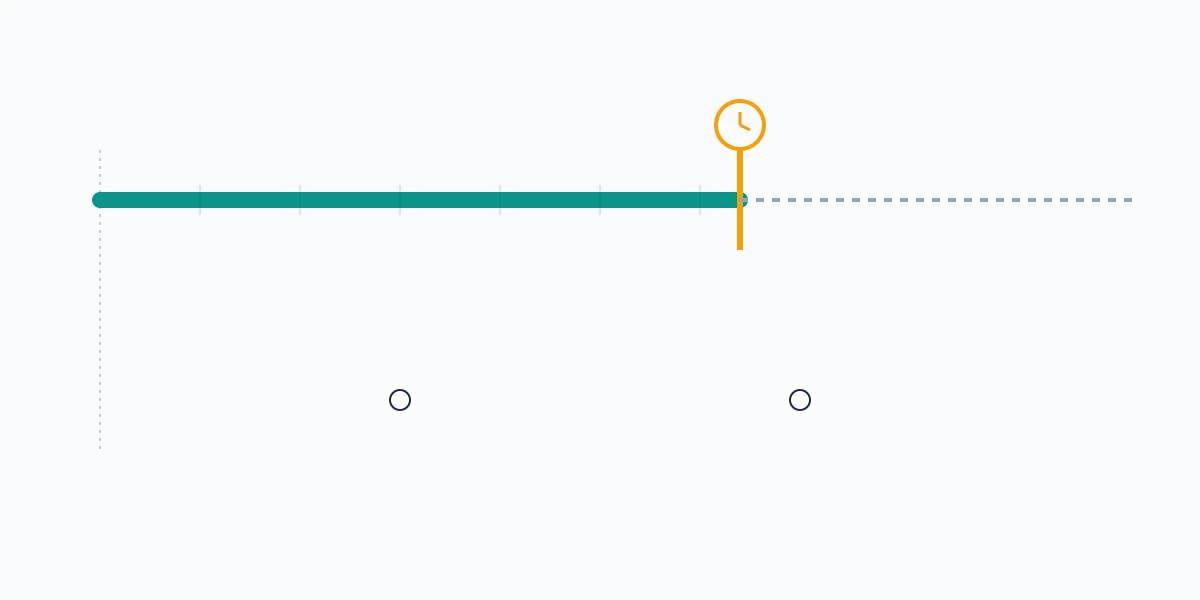
Google's Removals tool documentation is unusually blunt about the limits, and worth reading before you lean on it. Blocking a URL does not stop Google crawling it. The block clears the result from Google Search and nowhere else. And the clock is real: the google url removal tool grants a temporary block rather than a deletion, so the listing returns when the window closes unless you changed something on the page itself in the meantime.
That is the trap inside a google url removal request. It feels final. It is a six-month lease.
Your Reputation Solution treats that expiry as the beginning of the work rather than the end of it, because whatever is going to change on the page has to change before the window closes.
The same logic applies when the page is yours but the account holding it currently is not. Facebook's five official recovery routes are the kind of thing that has to be settled first, because until you can edit or delete the underlying page, a temporary block is all you will ever have.
How to remove a website from Google Search permanently
Permanence does not come from Google. It comes from the page.
Three signals keep a URL out of the index for good, and Google names all three: return a 404 (Not Found) or 410 (Gone) status code, put the content behind a password, or tag the page with noindex. Everything else is a delay.
- 404 or 410. The page is genuinely gone. This is the strongest signal, and the one to reach for when you want to remove website from google search after retiring a site.
- Password protection. The page exists but Googlebot cannot see it, so there is nothing to index.
- noindex. The page stays live and public but carries a meta robots tag, or an X-Robots-Tag header, telling Google to keep it out of results.
Now the part most guides get wrong, and the reason so many people believe their removal request failed.
Blocking a page in robots.txt does not remove it from Google. The effect is closer to the opposite. Google's noindex documentation states the rule directly: for noindex to be effective, "the page or resource must not be blocked by a robots.txt file, and it has to be otherwise accessible to the crawler." Disallow the URL and Googlebot never returns to read the tag you just added, so the listing can persist, stripped of its snippet, indefinitely. People stack both, assume belt-and-braces is safer, and build the one configuration that cannot work. Your Reputation Solution reads the robots.txt file before filing anything on a client domain, since a disallowed URL makes every other signal on that page invisible.
Sequence matters more than effort. Change the page first, then ask Google to look. Ask Google first and you have started a six-month timer on a page that will still be sitting there when it expires. That is how to remove a website from google search results compressed into a sentence: the tool buys time, the page change is what spends it.
Anyone searching remove a website from google search after a rebrand, a migration or a leaked staging environment is in the easiest position of everyone reading this — full control, no dispute, nobody to negotiate with. The same steps answer remove a website from google search results and how to remove a website from google search results, which are one job wearing three word orders.

Google remove outdated content: the tool for pages you do not own
This is the tool most people actually need, and almost nobody has heard of.
Refresh Outdated Content sits at search.google.com/search-console/remove-outdated-content, requires no site ownership, and accepts filings from any Google account. Its purpose is narrow and its constraint is absolute: the live page must already have changed. Google's documentation for the tool says so plainly — if the page still exists and the information you want removed is still on it, this tool is not for you.
Filed correctly, an approved request holds for 180 days, or until the URL stops existing altogether. That window is not a penalty. The window matches roughly how long Google needs to recrawl and settle the result by itself, after which the correction is permanent, because the page changed rather than the listing being suppressed.
When Your Reputation Solution files one of these, the first thing checked is never the wording of the request. It is the live page. Requests submitted before the source has actually changed do not get a slow decision — it gets refused, and Google asks for more information instead. These fail on timing far more often than on phrasing.
Two situations fit the tool almost perfectly.
A withheld post. X does not delete content when it acts on a copyright complaint, it withholds it, which leaves a live URL wearing a stale title and description. Knowing what X sends and what it leaves behind tells you whether you are looking at a refresh case or a still-live one.
A fake profile removed at the platform. Google will not adjudicate a brand dispute, so when an impersonating account ranks for your company name the takedown happens at Meta, and the leftover result gets cleaned up afterwards. Whether the trademark form actually achieves that decides whether you ever reach step two.
Search google search remove outdated content and you will find guides implying the tool pulls down live pages. It does not, it never has, and filing on that assumption is the most common way a legitimate case stalls. If one thing survives this section: remove outdated content from google search means refreshing a stale listing, and how to remove outdated content from google is a question about sequence rather than wording.
Which "Google removal request" do you actually mean?
Three different things share this name, which is why the phrase produces such contradictory advice. Your Reputation Solution asks which one a client means before anything else, because the three run on different rules and only one of them is open to the general public.
| What people call it | What it really is | Who can file |
|---|---|---|
| google removal request | Search Console Removals, a temporary block | Verified site owners only |
| google removal request tool | Refresh Outdated Content, a recrawl of changed pages | Anyone |
| google removal request form | Legal and personal-information removal | Anyone, on specific grounds |
The first two are covered above. The third is a genuinely separate system running on different rules: Google removes certain categories independently of the site owner — personal contact details, government ID and bank numbers, non-consensual imagery, doxxing content — and in the EU and UK, Article 17 of the GDPR adds a right to erasure that Google applies to name-based queries by geolocation. That route turns on legal grounds rather than site control, it has its own intake, and it deserves a guide of its own rather than three compressed paragraphs here.
What matters on the tool route is knowing which door you are standing at. The google removal request tool anyone can use is not the same instrument as one gated behind property verification, and neither of them is a legal claim. Where the grounds are legal rather than technical, we say so and route the case to that intake instead of filing a tool request that cannot succeed. Our scope, including the requests we decline and why, is written down rather than implied.
How long does it take, and what happens after six months?
Submission takes about two minutes. The decision usually takes a few days. The consequence lasts either half a year or forever, depending entirely on what you did to the page.
Once granted, a temporary removal applies fast, and Your Reputation Solution reaches for it first in genuine emergencies precisely because it is the quickest lever in the set. That speed is also why it gets misused as a permanent fix. Then, at roughly the six-month mark, the block lapses. If the page still returns 200 and still carries the same content, the listing comes back, and it comes back to someone who has assumed for months that the problem was solved.
Refresh requests behave differently, because they hold nothing back. The request accelerates something Google was going to do anyway. Where the underlying page is genuinely gone, those 180 days simply cover the gap until the natural recrawl catches up, and nothing reverts at the end of them.
Set expectations accordingly for the slower work. Search suppression — pushing a result that cannot be removed off the first page by building legitimate assets that outrank it — runs 90 to 180 days in our experience, and a full reputation rebuild takes six to twelve months. We will not quote a shorter number than that, because shorter numbers in this category are marketing rather than measurement.
One practical note on the waiting. Google gives no queue position and no progress indicator on either request, so the only status signal you get is the result itself, and refreshing the search page hourly tells you nothing. Check the tool's request history rather than the SERP, and give a temporary removal a full day before assuming it failed.
Some cases cannot wait for any of these clocks, and that has to be said plainly. Sextortion and intimate-image cases carry their own emergency paths at the platform and at Google, and the capture-report-block sequence matters far more in the first hour than any indexing question does.
How to remove a link from Google search by going to the source
When you do not own the page, the fastest route to a dead listing is a dead page — and that means the platform hosting it, not Google.
This feels backwards to anyone who has spent a week fighting the index, but the logic is clean. Google drops URLs that stop existing. Get the host to remove the content and the search result follows on its own, permanently, with a refresh request available to speed up the last mile. So how to remove a link from google search is usually answered somewhere other than Google.
Each platform runs its own queues, and they are not interchangeable. Your Reputation Solution sorts a case by queue before anything is filed, because a notice dropped into the wrong system does not get a slow decision, it gets no decision at all.
Copyright is never a community-guidelines matter. Where the ranking page reuses material you own, YouTube's copyright removal request is a legal instrument with real consequences for the filer as well as the target, and it takes the video down at source instead of hiding it. File a general report instead and a valid claim lands with reviewers who have no authority to act on it.
For everything that is not copyright, reporting the channel or the video itself uses a different form, different reviewers and different eligibility rules. Getting how to remove a link from google search engine right therefore starts with identifying which queue owns the complaint.
Some platforms offer no form at all. Public t.me pages are crawlable and do rank, but Telegram provides a mailbox rather than a web form and expects you to assemble the statutory elements yourself. Against that, a four-field Google request looks generous.
Worth knowing what a report realistically produces before you build a plan on it. Tracing an X report from tap to verdict shows why "reported" and "removed" are so rarely the same event — and a report that ends in no action leaves the page live, which drops you back into the table row nobody wants. That is the honest ceiling on remove link from google search results as a strategy: it depends on somebody else's decision.
Some surfaces never generate a removable URL in the first place. Live broadcasts are the clearest case, since reporting a TikTok LIVE while it runs is the only lever that exists — an ephemeral stream is gone before Google could index it, and there is no address to file against afterwards. Private messaging works the same way from the other direction: WhatsApp content is not indexed at all, so the first 24 hours after a takeover matter for what an attacker might republish elsewhere, not for anything Google can see today.
Where the content is genuinely gone, the two halves join up cleanly, and how to remove link from google search results becomes a two-step job: remove at the source, then refresh the index.
A result you cannot place? Send us the URL and the query it ranks for. Your Reputation Solution will tell you which of the three routes applies, or that none of them do, before any money changes hands. Start with a free case review.
What these tools will not do
Neither tool deletes anything from the internet. Both are Google-only, so a result cleared here can still sit in Bing, in DuckDuckGo, and in every AI assistant that crawls independently. Neither removes the underlying data, and neither touches anyone else's copies, archives or screenshots.
They also cannot be bought. There is no paid queue, no expedited lane and no relationship with Google that changes an outcome — a claim worth testing against anyone who offers one, because the market selling guaranteed number bans is the same market selling guaranteed delistings, and both promise an outcome only the platform can grant.
Our own limits are written down. Your Reputation Solution never asks for your password or a two-factor code. We never verify a Search Console property we do not control, we never file a copyright notice we cannot stand behind, and we never promise a removal Google has not granted. Lawful, accurate, unflattering content stays up — an honest negative review is not a policy breach, and declining those cases is part of the service rather than a failure of it.
Three claims mark out a firm worth walking away from. The first is a guaranteed delisting, which nobody can offer, because the decision belongs to Google. The second is a promise to remove content the client has no grounds to remove, usually an accurate review or a lawful news report; the honest version of that conversation is suppression, and it takes months. The third is any request for your login. Verification for the Removals tool runs on an HTML file, a meta tag, a DNS record or a linked Analytics property, and none of those needs a password handed to a stranger.
Pricing honesty belongs in the same paragraph. Legitimate work here is quoted against scope and named deliverables, the way recovery service pricing is broken down here, and a flat "we will erase you from Google" fee describes a scam rather than a service.
When a search result needs more than a form
Most of this you can do yourself, today, for free. That is deliberate — a guide hiding the free tools in order to sell a paid one is not a guide.
Self-service ends when the routes tangle. A result that survives a platform report. A page whose owner will not answer. A listing that lapses back after six months because nobody had authority to change the source. An impersonation case spanning four platforms and two jurisdictions at once. Those are sequencing problems rather than form-filling problems, and the order the filings go in changes the outcome.
Not every problem in this shape is even a search problem. Blocked business accounts sit in an appeal queue, and a Meta-blocked WhatsApp Business account needs that appeal resolved before the word "Google" is worth typing. Diagnosing that correctly saves people months.
The order is what people get wrong on their own. Filing a temporary block first feels like progress, and it consumes the six months you needed for the source negotiation. Asking Google to refresh a page nobody has changed yet produces a refusal that teaches you nothing. Reporting to the wrong platform queue burns the one review a case gets.
Your Reputation Solution works these cases in one order: identify which system owns the problem, fix the source, then clean the index. As of September 2026 both Google tools described here are live under the names and addresses given above, with no announced replacement. When that changes, this page changes.