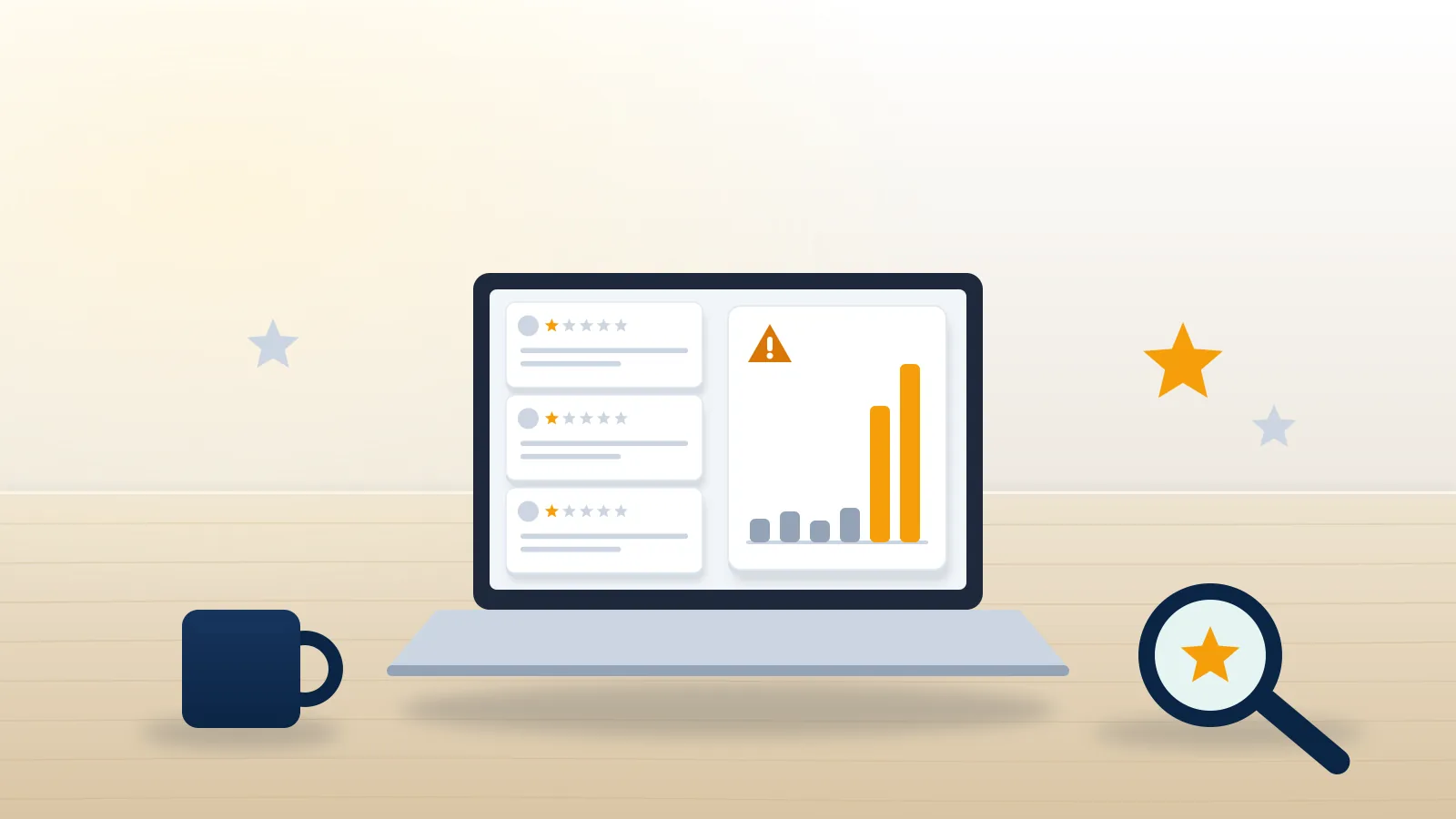
What counts as a fake review on Google?
A fake review is a rating or write-up from someone with no genuine customer experience: a competitor, a paid poster, a bot network, or an ex-employee posing as a client. Google's rulebook never actually uses the word "fake" as a category. The Google fake review policy lives under "prohibited and restricted content," and the labels that matter are fake engagement, impersonation, conflict of interest, off-topic, and spam. Your report succeeds or fails on whether you can match the review to one of those labels — not on how unfair it feels.
The scale is bigger than most owners expect. Google blocked or removed more than 292 million policy-violating reviews and took down over 13 million fake Business Profiles in 2025, up from roughly 240 million reviews the year before (Google Maps content safety report, 2026). Fake reviews on Google are an industrial product. Reviewer accounts get aged, traded, and recycled through the same gray markets where people buy Instagram handles or shop rare handle marketplaces on X, and the sellers often run paid takedown schemes like Telegram ban services and Snapchat mass-report tools from the same storefronts. One vendor, many weapons.
Your Reputation Solution is a reputation management firm that documents review attacks, files the policy reports, and runs the appeals for business owners who don't have time to learn Google's queue. Are those new Google reviews fake or just angry? That distinction decides everything downstream, so start there: false reviews on Google describe events that never happened, while angry reviews describe real events uncharitably. Only the first group is removable.
Will Google remove fake reviews?
Yes — when the review breaks a written policy, and only then. "Does Google remove fake reviews" has a frustrating honest answer: Google removes policy violations, not reputational damage. A one-star rating with no text from a stranger qualifies under fake engagement if you can show they were never a customer. A two-star rant from a real customer who exaggerates does not, because Google treats opinion as protected contribution. Can Google remove fake reviews at scale? Its filters already do; the 292 million removals above happened mostly before anyone complained. What reaches your profile is the residue the filters missed, which is why your report has to do the classifying for them.
It helps to know how this compares across platforms, because review fraud rarely stays on one. Marketplace complaints work the same way — reporting a seller on eBay succeeds when you cite a listing violation, not when you vent. The fake reviews Google acts on fastest are the ones framed like that. The pattern repeats with scam ads on Facebook and with what happens when you report someone on Twitter: anonymous report, policy-based triage, no public verdict. Your Reputation Solution tracks those triage outcomes across platforms precisely because the playbook transfers.
How to report a fake review on Google, step by step
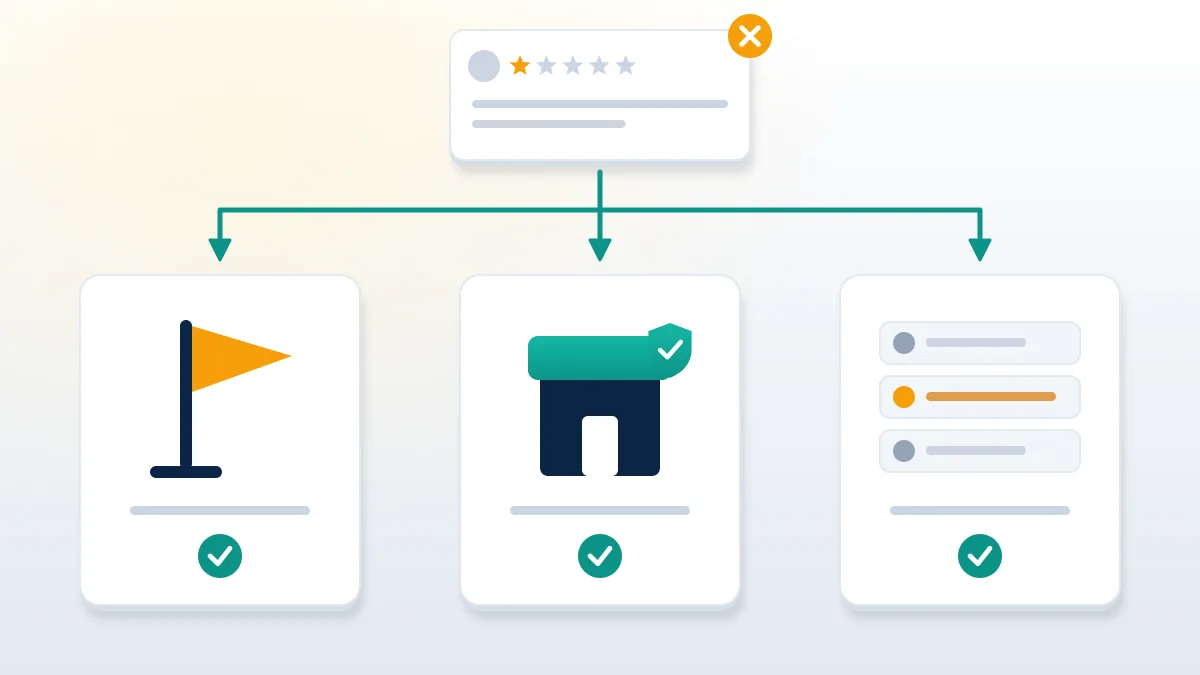
There are three front doors, and they are not equal. Most owners meet fake reviews on Google Maps first, because that is where customers read them, but the strongest filings happen elsewhere.
- The Maps flag. Anyone can report a fake review on Google Maps: open the review, tap the three-dot menu, choose "Report review," and pick the violation. This is the weakest path — it enters the same queue as drive-by flags — but it works from any phone and needs no owner access.
- The owner report. From your Business Profile in Search or Maps, open the review and choose "Report review." Owner reports on fake reviews on Google Business listings carry your verified identity, which matters for conflict-of-interest claims.
- The Reviews Management Tool. This is the path that actually shows you status. Go to Google's review management workflow, confirm the email tied to your profile, select the business, then choose "Report a new review for removal." The tool tracks each report through "Decision pending" to a verdict, and it is where the appeal lives later. It also still works for fake reviews on Google My Business holdouts — the old product name — because the backend is the same.
Pick one path per review and document before you file: screenshot the review, the reviewer's profile, and their other ratings. A reviewer who has one-starred twelve businesses in one afternoon is your best evidence. When Your Reputation Solution files these reports, the screenshot bundle goes in first and the report cites the exact policy label second; a single fake review on Google rarely justifies escalation, but a cluster does. Impersonation deserves its own note here — if the attacker also clones your identity, the fix runs through different forms, the way a photo posted on Instagram without permission or a trademark infringement report on X each has a dedicated channel, and the way reporting a Telegram group runs through Telegram's own abuse inbox rather than any public flag.
Can you remove fake google reviews when the first report fails?
Usually, yes — the first "no policy violation" verdict is a filter, not a final answer. Expect it: most owner reports bounce on the first pass because an algorithm, not a person, made the call. Three escalations remain.
The one-time appeal. Back in the Reviews Management Tool, denied reviews show an "Appeal eligible reviews" option. You can select up to 10 reviews per appeal, and you get one shot, so attach your evidence summary rather than re-sending the bare flag. Can you remove a fake google review that is merely unfair? No — opinion stays, so spend the appeal on provable violations. Can fake google reviews be removed at this stage? In our files, appeals succeed most often on conflict-of-interest and review-bombing claims where the reviewer pattern is visible. First verdicts in the cases Your Reputation Solution filed during 2026 landed in 6 to 13 days, with appeals adding another week (our internal records as of November 2026). Google publishes no SLA, so treat any firm promise as a sales pitch.
The Business Redressal Complaint Form. The Business Redressal Complaint Form is Google's channel for fraudulent edits and coordinated manipulation. It takes one URL or a spreadsheet of many, which makes it the right tool for an attack rather than a stray review. Can you get fake google reviews removed faster by paying someone with "a contact at Google"? No — no paid expedite exists for this queue, and anyone selling one is lying to you.
The legal route. Can you remove a false google review that defames you when every report fails? A defamation claim with a court order triggers Google's legal removal process — slow and expensive, but decisive for provably false factual claims. So can you remove fake reviews on Google yourself? You can force the decision into the right queue; only Google deletes. For the fine detail of that filing sequence, our step-by-step walkthrough of removing fake reviews on Google covers the forms one screen at a time.
Attackers face consequences on their own accounts, too. The coordinated profiles behind review bombs are the same disposable accounts that get suspended on Twitter or banned from Facebook once platforms spot the pattern — and their operators know the appeal odds, which is why permanently suspended Twitter accounts rarely come back for repeat manipulators.
Getting nowhere with the queue? Your Reputation Solution documents the attack, matches each review to the policy label Google's reviewers act on, and runs the appeal and Redressal filings for you. We file and escalate the reports; Google makes the final decision — and we never ask for your password.
How to stop fake google reviews before the next wave
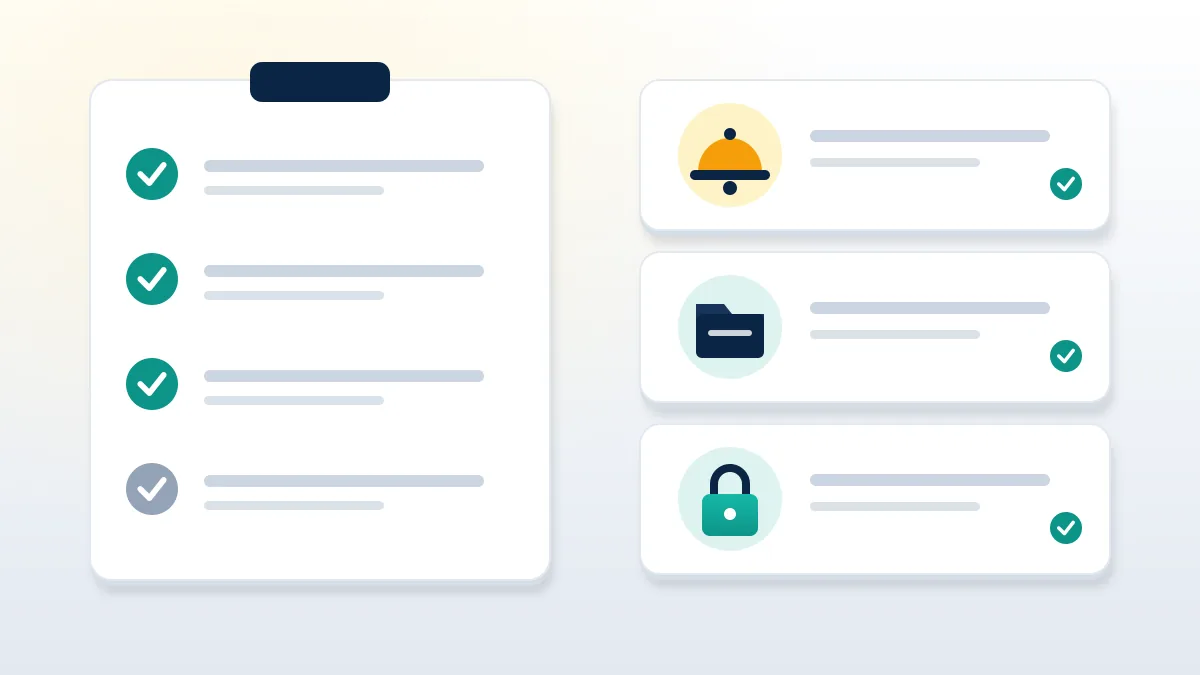
Stopping the next wave beats chasing the last one. Four habits do most of the work.
Watch velocity, not stars. Enable Business Profile notifications and check the review feed on a fixed weekly rhythm. Three new one-stars in a day against a baseline of two reviews a week is a signal worth acting on within hours, while the reviewer profiles are still intact and screenshotable. How to stop fake reviews on google from gaining ranking weight is mostly a speed question: reported early, a review spends its whole short life flagged.
Keep an evidence log. A dated spreadsheet — review URL, reviewer profile URL, screenshot, suspected source — turns your next Redressal filing from an anecdote into a pattern. Google's manipulation team acts on patterns.
Lock down the accounts the attack targets next. The Google fake reviews problem gets dramatically worse when attackers also go after your channels. The owner email on your profile is a single point of failure, and a profile hijack mid-attack is not rare. The recovery drills are platform-specific — a hacked YouTube channel has a different path than a hacked WhatsApp account, and losing credentials entirely means slower routes like YouTube account recovery without the email or contacting Instagram for account recovery. If your outreach runs on Telegram, where most review-fraud brokers also sell, a telegram account recovery service exists for exactly the mid-incident lockout scenario.
Starve the motive. A steady stream of real reviews dilutes any attack. Twenty genuine reviews a month make five fake ones statistically loud and easy to argue; five a year make them your rating.
How to deal with fake reviews on google while reports are pending
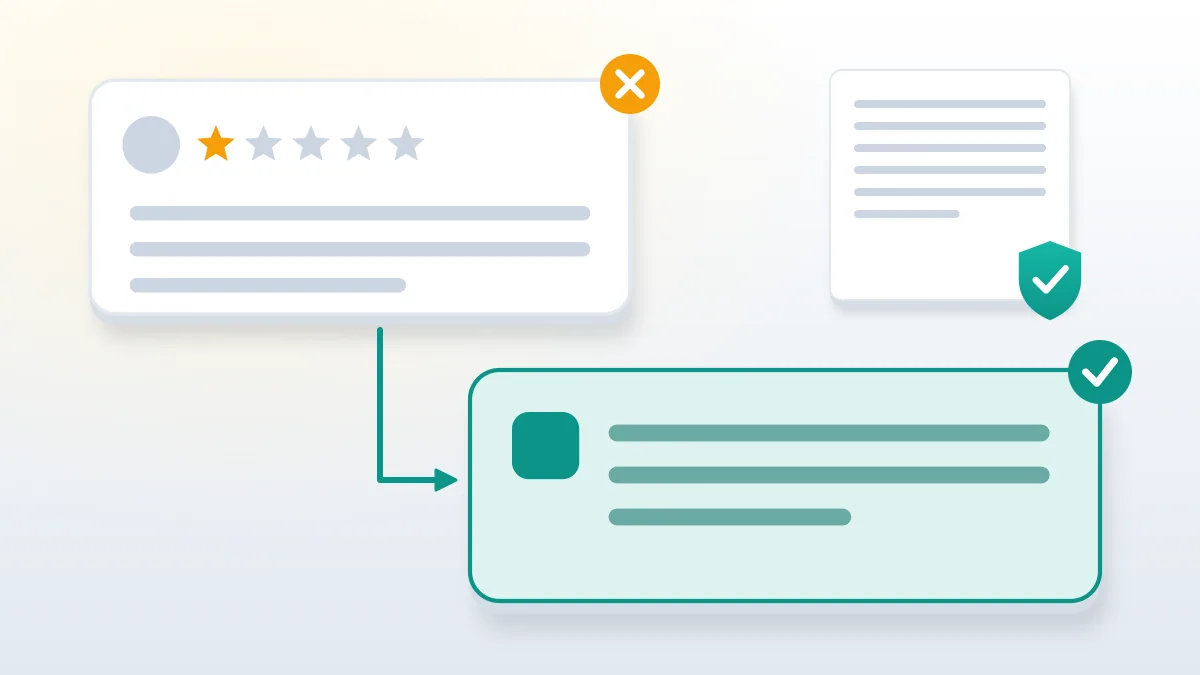
Respond publicly, briefly, and without the word "fake." That advice feels backwards. It isn't: the reply is for future readers, not the reviewer, and accusing someone of fraud you can't yet prove reads worse than the review. A reply like "We have no record of serving you under this name and have reported this review to Google — if you are a real customer, contact us directly" does three jobs at once. It flags the dispute for readers, it creates a dated public record for your Redressal filing, and it stays safe if the reviewer turns out to be a confused real customer.
What not to do matters as much. Don't reply in anger, don't name-guess the competitor you suspect, and don't buy positive reviews to bury the fake ones — that converts you from victim to violator of the same policy. How to handle fake reviews on google during a slow week of "Decision pending" is mostly discipline: respond once, document, escalate on schedule, and keep serving customers.
A practitioner note from our desk: owners consistently underestimate the resilience value of their other channels. When a Google profile is under attack, the businesses that ride it out are the ones whose customers can still find them elsewhere — which is why we treat an old TikTok account you've lost login for or an X profile stuck behind account recovery without the username (or a plain forgotten Twitter username) as reputation infrastructure, not vanity. Same for messaging: telegram account recovery with email and recovery with just a username are ten-minute fixes before a crisis and week-long ordeals during one. How to deal with fake reviews on google, in one sentence: respond once, keep every other channel alive, and let the filings run.
When people leaving fake reviews on Google break the law
People leaving fake reviews on Google aren't just violating a terms-of-service page anymore; in the US they're violating federal law. The FTC's rule on consumer reviews and testimonials (16 CFR Part 465) took effect October 21, 2024 and bans fake or false consumer reviews, bought reviews, and review suppression through threats, with civil penalties up to $53,088 per violation (16 CFR 1.98, 2025 adjustment). That number changes the conversation with a competitor's lawyer quickly. Complaints about Google false reviews that name a traceable business — a rival incentivizing its staff, an agency selling five-star packages — belong in an FTC report as well as a Google one.
The same economics explain the supply side. Fake-review brokers sell through Telegram channels because the accounts are cheap and disposable there; investigators who go digging sometimes lock themselves out of their own burner-adjacent accounts, which is when guides to recovering a Telegram account without the phone number or without the verification code get sudden traffic. Knowing the market exists is useful; buying from it never is.
A word on what we won't do, because this niche is crowded with people who will. Your Reputation Solution never posts counter-reviews, never sells "guaranteed removal," never implies a special line into Google, and never asks for your passwords — the service is documentation, correctly-routed filings, and persistence, and the platform always makes the final call. Anyone promising certainty in this category is describing fraud, not service; our disclaimer spells out those limits in plain language. Report, appeal, escalate, respond, and keep the evidence. That sequence wins more often than anything sold in a Telegram channel.