What is anti doxxing?
Anti doxxing is finding, removing and monitoring the personal details that let a stranger tie your online name to your home or phone. Doxxing works by aggregation. An address on a property record, a number on a people-search site and a username reused on a gaming forum are harmless one at a time; joined in a single post, they become a map to your door. The Anti-Defamation League defines doxing as broadcasting private or identifying information with the intent that it be used against the target. Its 2024 survey of online hate and harassment found that 22% of American adults faced severe harassment on social media in the previous 12 months, a category that includes doxing (ADL, 2024). Anti doxxing reverses the aggregation step. You find the pieces first, take down what can come down, and set alerts for what returns.
Most people search what is anti doxxing after a scare; for a photo, the steps for when someone posted a picture of me without my permission come first.
Your Reputation Solution is an account recovery and reputation management firm that runs anti doxxing audits for individuals, from the first exposure search to the removal requests, and never investigates anyone else.
Why doxxing yourself comes before any fix
Doxxing yourself means searching for your own details the way a hostile stranger would, with nothing but public tools. Searching "doxxing myself" sounds odd. Yet it is the only way to know what an attacker could assemble in one afternoon, and most people guess wrong in two directions. They worry about the profile they post on daily, which is usually locked down, and forget the decade-old forum account, the wedding registry, the résumé PDF or the club newsletter that printed a home street. Removal without a list is guesswork, because data brokers, search results and forgotten accounts each need a different route, and none of them can be asked to delete a page nobody has found. Self doxxing also sets a baseline. When a new result appears three months later, you can tell fresh exposure from an old page indexed again.
Closed accounts linger too: a YouTube account termination leaves reposted clips online, and a profile awaiting Twitter account reinstatement survives in archive copies.
How to run a self doxxing test in one sitting
Any honest version of a guide to doxxing yourself on the internet is one checklist, run logged out in a private window.
When Your Reputation Solution runs this audit for a client, the username step usually produces the biggest surprise. A handle picked years ago still points to a real name somewhere.
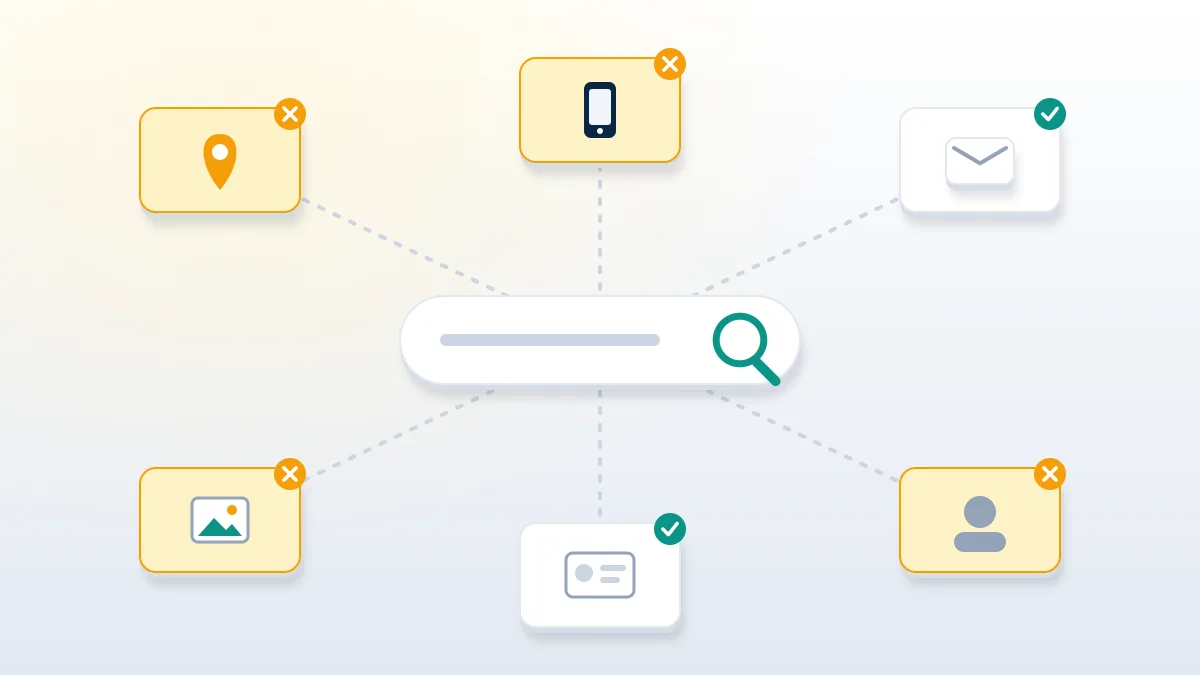
- Search your full name in quotes, then with your city, employer and school, on at least two search engines.
- Search every phone number and email address you have used, also in quotes.
- Run your main profile photos through a reverse image search to find copies on other sites.
- Search each username you have reused, since one handle can link a gaming profile to a real-name account.
- Check the big people-search sites for a listing that shows your address, age and relatives.
- Enter each email address at Have I Been Pwned to see which data breaches exposed it.
- Look up any domain you own in the ICANN registration lookup and confirm the registrant data is redacted.
- Log every hit in a spreadsheet with the URL, the detail exposed and the removal route.
People who learn how to get rare usernames on TikTok or buy TikTok username listings tend to reuse one short handle everywhere.
Found a profile you cannot open? Read how to recover old TikTok account access first, since only the owner can delete it.
Which forgotten accounts give the most away?
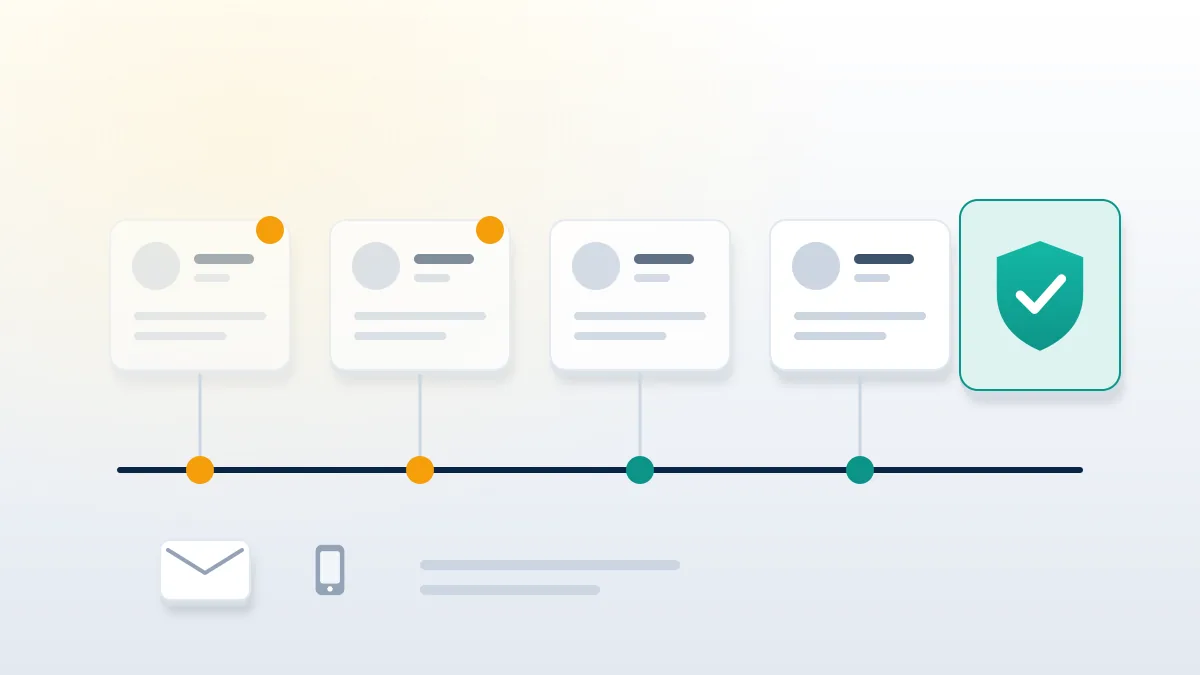
Old accounts with a real name, a phone number or a face photo leak the most, because they stay public after you stop checking. A dormant profile keeps its bio, its location tag and every tagged picture, and search engines keep indexing it. Password reset pages add a quieter leak. Many show a masked email or the last digits of a phone number to anyone who types the username, which is enough to confirm a guess. Deleting beats abandoning: strip the birthday, workplace and hometown first, then photos taken near home. Audits by Your Reputation Solution show the forgotten accounts are rarely the big ones; they are shopping sites, alumni groups and fitness apps that made a public profile by default. Each one needs its own login, so recovering access is often step one of anti doxxing rather than a separate job.
Old X profiles are a usual gap; guides on how to recover my Twitter username and to recover Twitter account without username details get you back in to clear them.
For a lost channel, how to recover a YouTube account if you forgot the email comes before deleting old vlogs.
Meta logins fail too. Whether it is Facebook account recovery not working or how do I contact Instagram for account recovery, solve access first.
How do you remove your details from Google results?
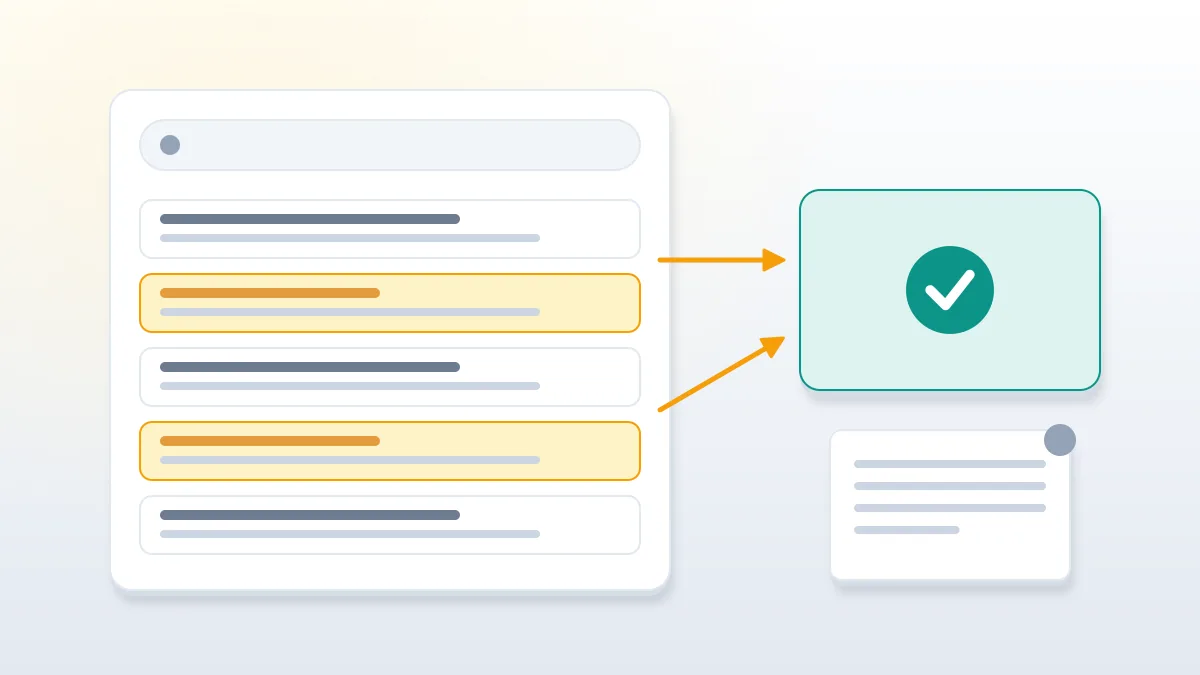
Use Google's Results about you tool for contact details, the doxxing removal form for worse content, then ask each site to delete the source. Results about you takes your name plus the phone numbers, emails and addresses you want watched, checks Search regularly and alerts you by email or app. From its To review tab you select a result and choose Request to remove, and the Removal requests tab shows each status, per Google's Results about you help page (read November 2026). Some features are still rolling out by market. For content that pairs your details with threats, calls to harass or heavy aggregation, Google runs a separate personal information and doxxing removal policy. Both share one limit: Google removes the result from Search, not the page from the web, and details on news, government and school sites usually stay.
Ask the source page's owner to delete your details too, and keep the email.
How do data broker opt-outs work?
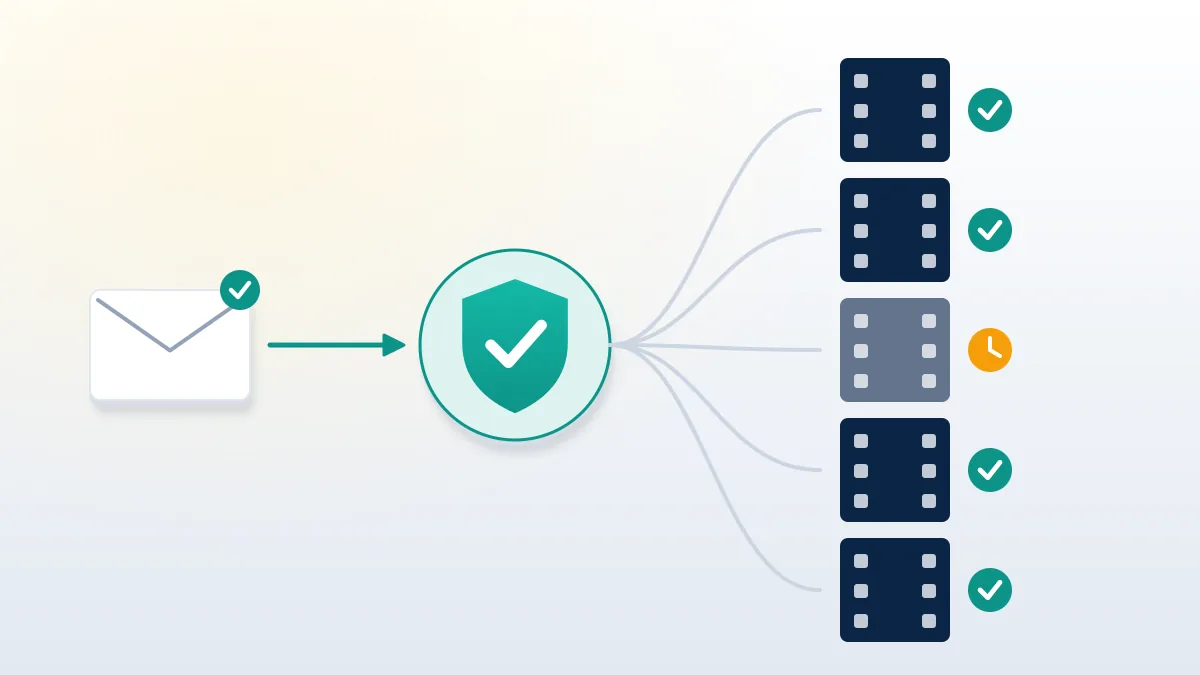
Each data broker runs its own opt-out form, so removal means finding every listing and filing a request at each site. Clients who hand this job to Your Reputation Solution get the opt-outs filed for them, though each broker decides whether a listing comes down. Brokers build people-search profiles from property records, marketing lists and public social profiles. An opt-out usually needs the listing URL and an email confirmation. Give no more data than the listing already shows. Listings also come back when a broker buys fresh records. California now has a shortcut: the state's Delete Request and Opt-out Platform (DROP) sends one request to every registered broker, and since August 1, 2026 those brokers must check it at least once every 45 days and process the deletions (California Privacy Protection Agency, 2026). Elsewhere, site-by-site requests remain the route.
Phone numbers are what brokers trade most. Before retiring one, read how to recover Telegram account without phone number and how to recover Telegram account without verification code.
Email makes a steadier anchor, so set up how to recover Telegram account with email options; guides to recover Telegram username access also cover hiding the number behind a public handle.
Sole traders keep a business line public on purpose, and if that chat app is hijacked, follow how to recover WhatsApp business account steps fast.
What anti doxxing services actually do
Anti doxxing services sell the same layers on a subscription: a scan of people-search and broker sites, opt-out requests filed for you, and repeat scans that refile when listings return. Honest providers publish the list of sites they cover and show you each request. Your Reputation Solution runs the exposure audit and files the requests, while Google, each broker and each platform decide what comes down. What they cannot reach matters as much: other people's social posts, news articles, court and government records, forum threads, and sites outside data broker law. No service can erase a detail from the whole internet, and a seller promising complete deletion is describing something no legal route offers. Price is no proof of reach. Before paying, ask for the covered-site list, what happens to any ID you upload, and how often they rescan.
A legitimate service never asks for your account passwords, never offers to dox the person who doxxed you, and never files false reports to get pages pulled; the site disclaimer sets out those limits.
Vet it like Instagram recovery services legit or scam checks or professional Telegram account recovery reviews.
Sellers pitching a TikTok ban service against your doxxer are a red flag, not a remedy. Retaliation breaks the same rules the doxxer broke.
What if someone is already doxxing you?
Document everything, report each post to the platform, and call local police if anyone threatens your safety. Screenshot every post with its URL, date and account name before reporting, since removed posts take the evidence with them. Do not reply to the poster or ask friends to pile on. Then file platform privacy reports and Google's doxxing removal request for the search results. The law is uneven. The United States has no comprehensive federal doxxing crime, according to Cornell Law School's Legal Information Institute, and state rules differ, though the federal stalking statute can apply to a course of conduct meant to harass or intimidate. Call 911 for an immediate threat. After that, change passwords and review logins on every account the poster quoted from, because a leak this detailed often began with one compromised inbox.
Already exposed and unsure where to start? Your Reputation Solution reviews what is public about you and maps each removal route, confidentially. Request a free anti doxxing assessment.
Doxxing often starts with a takeover: recover hacked YouTube channel access or follow TikTok account recovery after being hacked steps.
Chats hold the most private material, so recover hacked WhatsApp account access fast.
Reports work on policy, not volume, as guides on how to get a Twitter account suspended or how to get someone banned from Facebook explain. One precise report beats fifty vague ones.
Keeping your details clean every quarter
Monitoring is the layer people drop, and it keeps the other two working. Set a calendar reminder every three months and rerun the name, phone and username searches from the self doxxing test, comparing them with the spreadsheet baseline. Leave the Results about you alerts on. Use a separate email alias for shopping and sign-ups so a breach at one store does not hand out the address that recovers your main accounts. Strip location data from photos before posting, and skip pictures that show a house number, a car plate or a school crest. Keep domain registrations behind privacy protection. Recheck the big people-search sites, since a listing removed in spring can be rebuilt from new records by autumn. Small, regular checks catch a new exposure while it is one page instead of ten.
If exposure turns into an account under your name or brand, see how to report trademark infringement on Twitter.