What does it mean when a YouTube account is terminated?
It means YouTube has removed the channel for good and barred the person behind it from using, possessing or creating any other YouTube channel.
Most people who type "youtube ban account" or "youtube ban channel" into a search bar have just met one of two screens: a termination email in their own inbox, or a grey notice where somebody else's video used to play. Both describe the same event. Any YouTube account termination removes every video on the channel, and its playlists, comments and subscriber count leave public view with them. That ban also follows the owner to other channels, including ones where that person is "repeatedly or prominently featured", which is the clause most creators miss on first reading (YouTube Help: channel or account terminations). Put simply, the youtube channel terminated meaning is a removal of the channel plus a ban on whoever runs it, not a timeout that lifts after a few days or a warning that expires on schedule.
Your Reputation Solution is an account recovery and reputation firm that reads termination notices alongside creators and works out which legitimate step comes next, usually an appeal and sometimes nothing at all. When we read a termination email with a client, we look for the policy line first, because "spam, deceptive practices and scams" leads somewhere very different from "harassment".
Meta softens the wording, calling its version a permanently disabled Instagram account and routing Facebook cases through disabled Facebook account recovery. On YouTube the word is blunter.
Can your YouTube account get banned without a warning?
Yes: one severe violation, or a channel dedicated to breaking a policy, can be terminated with no warning and no strikes first.
Most bans climb an ordinary ladder, where a creator collects a warning, then strikes, then termination. YouTube's termination page lists two shortcuts around it: a single case of severe abuse, with predatory behaviour, spam and pornography as its own examples, and dedication to a policy violation, such as a channel built around hate speech, harassment or impersonation. Google's transparency report adds that spam accounts are the usual example of a channel "wholly dedicated" to breaking the rules (Google Transparency Report: YouTube Community Guidelines). So can your YouTube account get banned overnight? It can, when the reviewer concludes that the channel itself is the violation rather than one upload on it. Years of clean videos do not protect a creator whose single livestream crosses the severe-abuse line, because the exception judges the content itself, not the record.
What does not ban a channel is volume, which is why Your Reputation Solution turns down every request to buy reports against a rival. Reports are not votes, so bots sold to mass report Instagram profiles and every TikTok mass report bot fail on YouTube too.
Facebook runs on that principle too: mass reporting a Facebook page leaves compliant pages standing, and a WhatsApp mass report tool cannot ban a number that broke no rule.
Telegram sellers push the same promise, yet a Telegram mass report bot only queues a review. Spam differs because it is a genuine breach: reporting spam bot accounts on Instagram removes them for what they do.
How does a guidelines strike on YouTube turn into a ban?
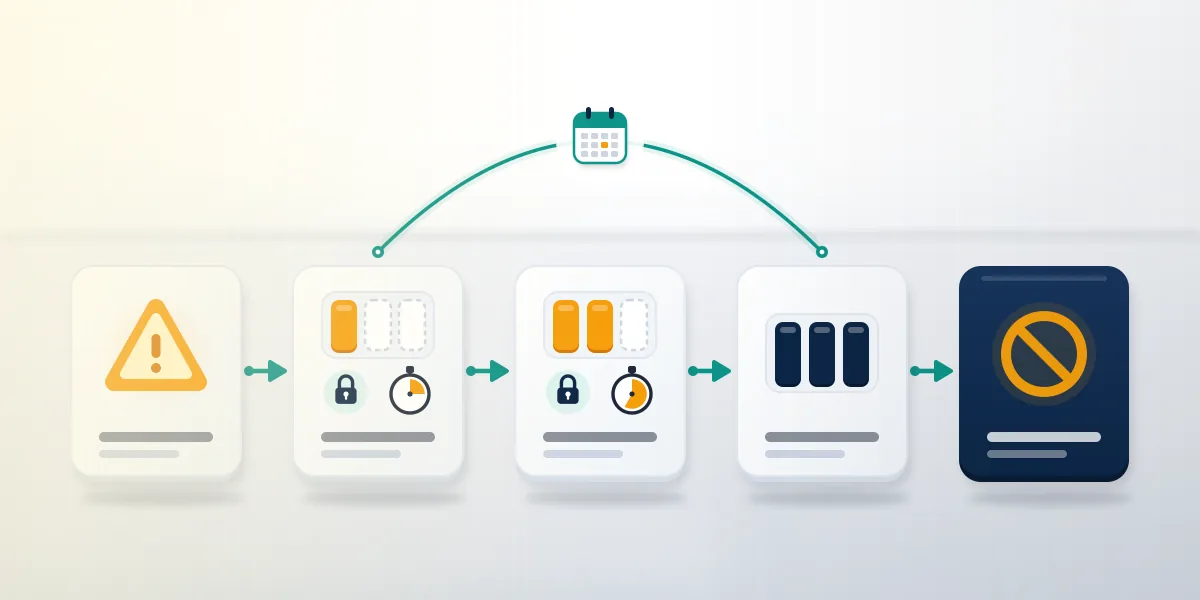
Three Community Guidelines strikes inside one 90-day window can get a channel permanently removed, and each strike expires 90 days after it is issued.
| Stage | What happens to the channel | How long it stays on record |
|---|---|---|
| First violation | Warning; the content comes down, no other penalty | Expires 90 days after optional policy training is finished |
| Strike 1 | One-week freeze on uploads, live streams and posts | 90 days |
| Strike 2 within 90 days | Two-week freeze | 90 days |
| Strike 3 within 90 days | Channel can be terminated | Permanent unless an appeal succeeds |
Each guidelines strike YouTube issues names one policy, and the clock runs per strike rather than per channel, so a creator whose first strike lands in January and second in March stays exposed until each one ages out. First violations are typically only a warning. Since August 29, 2023, that warning can be retired through an optional policy training course, and the 90-day countdown starts on the day the training is completed, not the day the warning arrived (YouTube Official Blog, 2023). Strike one blocks uploads, live streams and posts for a week. Existing videos stay online during a freeze, so viewers of the channel see no change at all. Strike two inside the same 90 days doubles that freeze to two weeks, and strike three puts the whole channel up for removal (YouTube Help: Community Guidelines strike basics).
In strike cases, Your Reputation Solution treats a channel with two live strikes as one review away from termination, the point where appealing the second strike matters most. Copyright keeps a separate ledger with the same limit, explained in the three-strikes copyright rule on YouTube.
Why do YouTube channels get terminated? Six patterns behind most bans
Most terminations trace back to six patterns, and the termination email names the one that applied:
- Repeated Community Guidelines strikes, three inside 90 days.
- One severe violation, such as predatory behaviour.
- Spam, scams and deceptive practices, including fake giveaways and misleading metadata.
- Impersonation of another creator, brand or person.
- Copyright strikes, again three inside 90 days.
- Circumvention, meaning a channel used to get around an earlier penalty.
Impersonation looks different from the other side. Chasing a fake profile means the same evidence-first route as getting an Instagram account taken down, and getting a TikTok taken down immediately also needs a real policy breach.
Messaging apps follow the same rule: taking down a Telegram channel works only when the channel breaks Telegram's terms.
WhatsApp works alike: how to ban someone on WhatsApp and getting someone banned on WhatsApp come down to a documented violation too.
Spam dominates the totals. Between April and June 2026, YouTube removed 2,732,395 channels, and 2,310,181 of them (84.5%) went for spam, deceptive practices and scams; those YouTube channels terminated took 86,686,063 videos down with them (Google Transparency Report, Q2 2026). Channels removed after three strikes across more than one policy, which the report files separately as "multiple policy violations", numbered only 7,741 channels, or 0.3% of the total. Searches phrased as "why youtube channel terminated" usually come from the owner the morning after the email arrives, and the email itself answers it in one line: the policy name, sometimes with an example video attached. When that line says spam on a channel that never sold anything, Your Reputation Solution checks the metadata first, starting with repetitive uploads and thumbnails that promise something the video lacks.
Who sees "the YouTube account associated with this video has been terminated"?
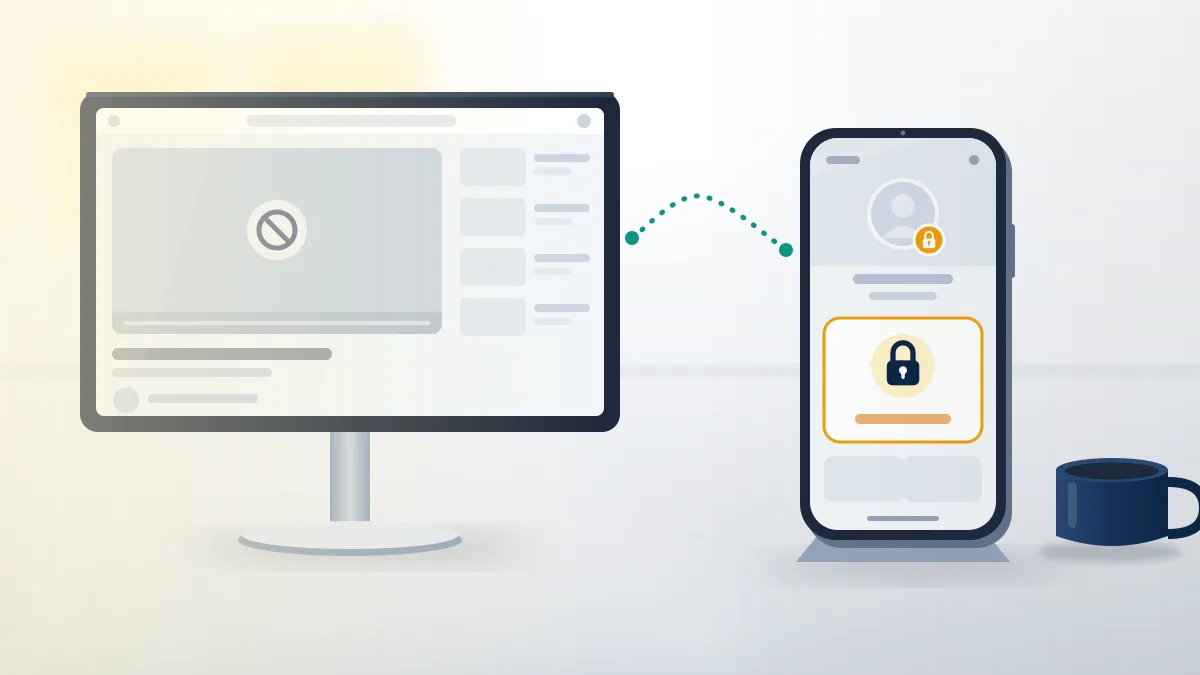
Viewers see it, on the watch page or embedded player of any video whose channel was terminated, and it never gives the reason.
Opening a video from a removed channel usually brings up a grey panel reading "This video is no longer available because the YouTube account associated with this video has been terminated." The channel URL shows a similar panel reading "This account has been terminated for violating YouTube's Community Guidelines," or a copyright variant. YouTube's Help Center documents terminations but not these on-screen strings, so treat them as viewer-side wording, not policy text. Neither panel names the policy, the date or the person who reported it. Owners get more: their email names the policy, sometimes lists the offending video, and links to the appeal form. To the public, a YouTube account terminated for spam looks identical to one terminated for harassment, which is why rumours about a channel YouTube terminated so often get the reason wrong.
Why does a YouTube channel terminated for circumvention take other channels with it?
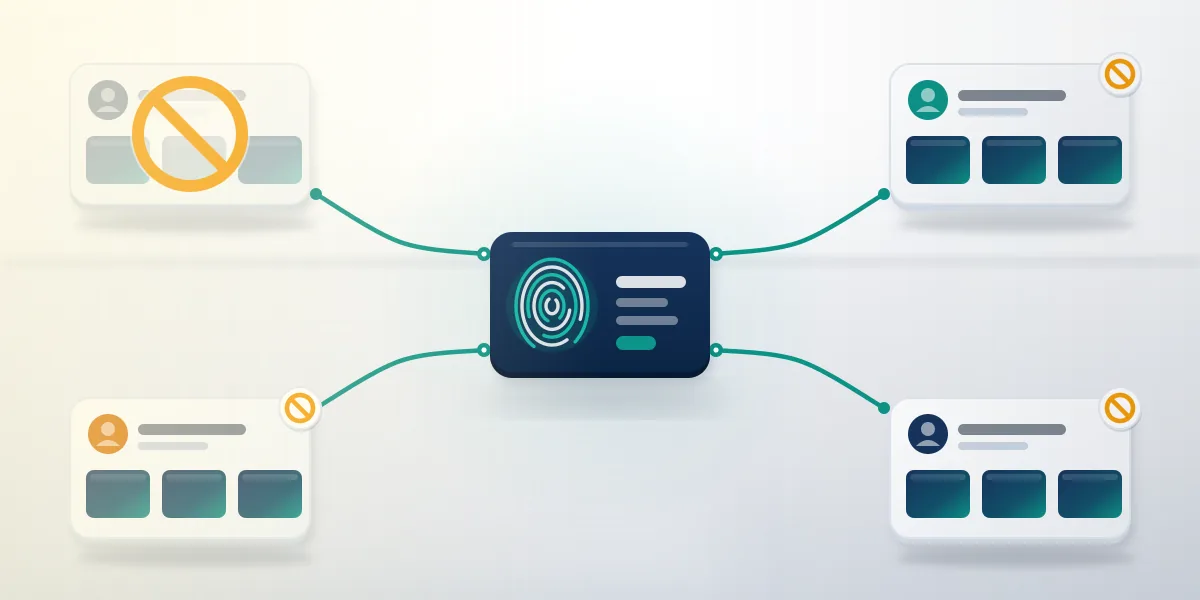
Because the ban attaches to the person, any channel used to get around it counts as circumvention and can be terminated too.
Circumvention, as YouTube's Additional policies page defines it, takes three forms: reposting content already removed under the Terms of Service, posting content from a creator under a current restriction, and posting content from a terminated creator. The penalty can reach the posting channel and, in the policy's words, "other channels you own" (YouTube Help: Additional policies). Opening a fresh channel the day after a termination email arrives is the textbook case. Once YouTube links that second channel to the banned owner, it gets a youtube channel terminated for circumvention notice of its own, and the appeal on the first channel now has to explain a new violation. Anti-detect browsers sold to banned creators hide the person, not the violation itself. For anyone mid-appeal, Your Reputation Solution's instruction is short: no replacement channel until YouTube answers.
X calls the same behaviour ban evasion, and both appealing a shadow ban on X and recovering a suspended Twitter account begin with not opening a replacement.
Instagram goes further with device-level blocks, hence the guides to getting a device unbanned from Instagram. Facebook applies the same idea: a permanent Facebook Marketplace ban follows the person, not the listing.
Is a YouTube channel suspended the same as a terminated one?
No: YouTube reserves "terminated" for permanent removal, while "suspended" usually means a strike freeze, lost monetisation or a disabled Google Account.
Three different situations get called a youtube channel suspended problem. Strike freezes block uploads, live streams and posts for one or two weeks, then lift on their own. Partner Program suspensions remove monetisation while the channel and its videos stay public. Disabled Google Accounts are the broadest case: Google, not YouTube, blocks the whole login, and the channel goes dark because its owner can no longer sign in to manage it. Help Center pages speak of terminations, not suspensions, for channel bans; "suspended" is the word creators and third-party sites apply loosely to all three. Only termination combines a public takedown with a ban on the person. Fixes differ just as sharply, since freezes need patience, monetisation goes through the Partner Program's own review, and a disabled login goes through Google's recovery process, covered in recovering a suspended YouTube channel.
TikTok draws the same line. A temporary case of TikTok suspended account recovery is a different job from a permanently banned TikTok account.
Telegram's nearest equivalent is a frozen Telegram account, which limits features, while plain lockouts follow the usual steps to recover a Telegram account.
Harder cases differ. Losing the number with no recovery email set is what a Telegram account recovery service exists for.
Do banned YouTube channels ever come back?
Some do, through three routes: a successful appeal, a policy reversal, or YouTube's second-chance pilot for a fresh channel.
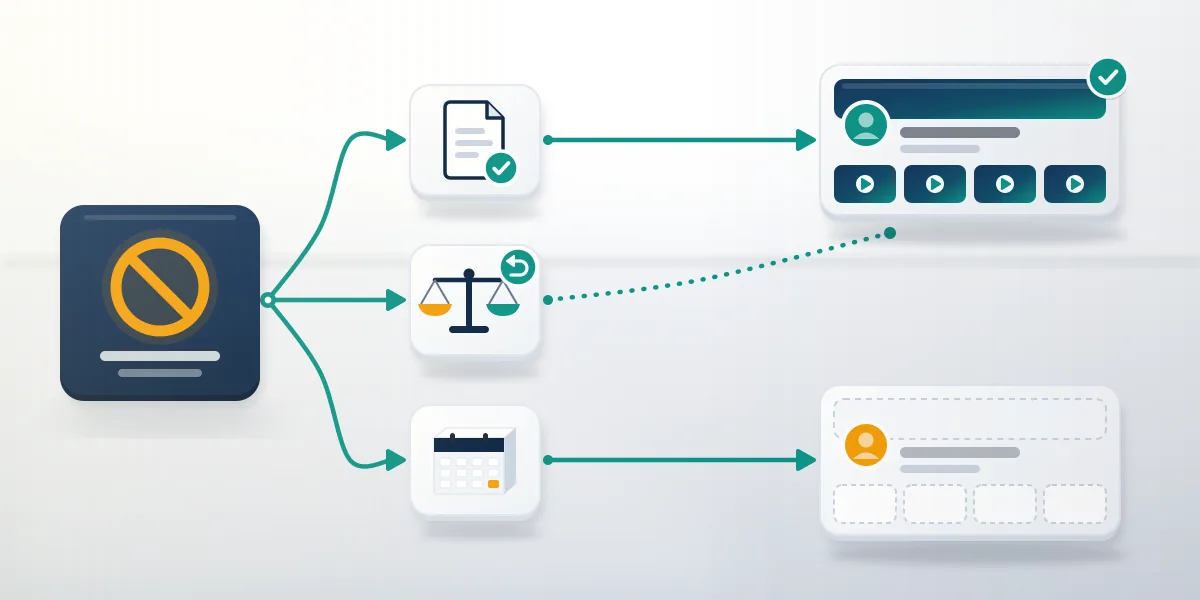
On each route, Your Reputation Solution prepares the paperwork with the owner and escalates where a channel qualifies for creator support; YouTube alone decides.
Only the appeal leads back to the original channel with its videos and subscribers. Owners file it in YouTube Studio through Begin Review and then Start Appeal, within one year of the termination and with a limit of two appeals in that year (YouTube Help: channel or account terminations); the full walkthrough is in how to recover a terminated YouTube channel. Policy reversals are rarer. In September 2025, Alphabet told House Judiciary chair Jim Jordan that creators terminated under COVID-19 and election-integrity policies no longer in effect would get a chance to rejoin (CNBC, September 23, 2025). On October 9, 2025, YouTube began a pilot letting some terminated creators request a new channel one year after termination, excluding copyright terminations and Creator Responsibility violations (YouTube Official Blog). Banned YouTube channels come back through that pilot as new channels, not restored ones.
Handles are a separate fight: as with any attempt to claim an inactive Instagram username or claim an inactive username on X, only the platform can release an old name.
What should you expect from outside help after a YouTube ban?
Honest help reads the notice, files through YouTube's own forms and refuses back doors.
Holding a termination email you can't make sense of? Your Reputation Solution will read it with you, name the policy it cites and say plainly whether an appeal has a realistic basis. Request a free case review.
Termination emails attract scammers within hours of arriving. Common pitches promise an "insider at YouTube", a guaranteed unban, or reinstatement in 24 hours for a fee paid in gift cards or crypto. None of that exists: YouTube does not sell reinstatements, and no agency, ours included, can override a reviewer's decision. Anyone who asks for your Google password, your two-step verification codes or a screenshot of your backup codes is trying to take the account, not save it. Legitimate help looks duller. It reads the termination email, checks whether the cited policy matches the content, drafts an appeal that answers that policy specifically, and stops when YouTube says no. We never ask for passwords, never promise an outcome and never file anything you have not read first, and the disclaimer sets out those limits in full.