What counts as Twitter blackmail under X's own rules?
Twitter blackmail is a demand for money, images or favours, backed by a threat to post something about you on X. X's private information policy, last revised in March 2024, names the practice outright: asking for a reward in exchange for not posting someone's private information or intimate media is listed as "blackmail", and threatening to expose either one breaks the rule before anything is posted. This changes the timing for victims. You can report the first threatening message, not only the leak, and the report lands under a policy X says it enforces hard, since it works to remove intimate media shared without consent "immediately". Most people wait for the post to appear because they assume X only acts on published content, and by then a screenshot of their follower list has usually done its damage.
Three shapes cover almost every case:
- Sextortion: a nude image or recorded video call, real or claimed, held for gift cards, crypto or a payment-app transfer.
- A doxxing threat: your address, private number or the name behind an anonymous account as the price of silence.
- A bluff with nothing behind it, like a DM promising that hundreds of accounts will report you until X suspends you.
Bluffs of the third kind lean on a myth. Report-count threats assume a pile of reports flips a switch, but on the large platforms a report starts a review against written policy, so every Telegram mass report tool overpromises and the honest answer to does mass reporting work on Facebook is mostly no.
Blackmailers buy the same pitch as a way to mass report WhatsApp accounts, and if a wave does trip an automated restriction, you can still appeal a suspended Twitter account through X's own form, free.
Reach drops after a report wave are more common than suspensions. If one leaves you shadow banned on X, the appeal steps cover that case.
Your Reputation Solution is an account recovery and reputation management firm that helps people facing these threats assemble the evidence, send each report to the right X queue and outside agency, and win back accounts a blackmailer has hijacked or had suspended.
Twitter sextortion: how does the script run, and why doesn't paying end it?
Twitter sextortion follows a script that barely changes: a friendly DM, a move to video or another app, a recording, then a countdown.
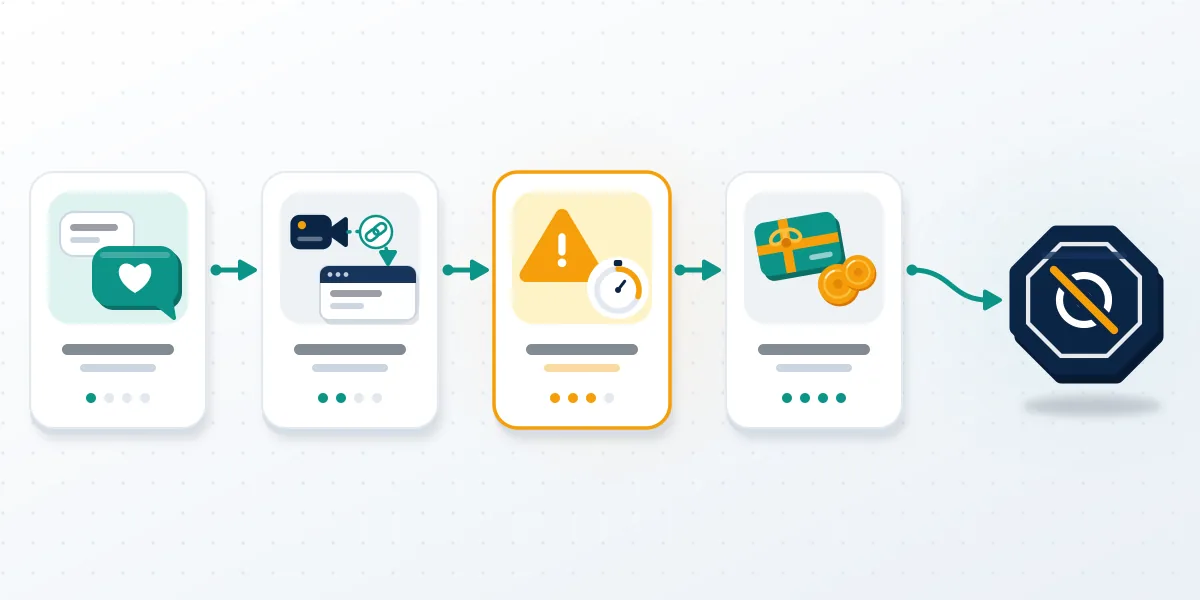
First contact often comes from an account with a stolen or AI-generated profile photo, a bio copied from someone real and a few weeks of filler posts, which X's authenticity policy already bans as a "fake persona". Within a day the chat moves to Snapchat, WhatsApp or a video call, where the recording happens. Then a screenshot of your follower list arrives: pay $500 within the hour, or every name on it gets the clip. Paying tends to buy a second demand rather than silence, because a victim who paid once has shown the extortionist that the account works. In 2025 the FBI's Internet Crime Complaint Center logged more than 75,000 sextortion submissions, 11,316 of them from people under 20, and 89,129 extortion complaints overall, up from 86,415 in 2024 (IC3 2025 Annual Report).
IC3 counts threats of "public exposure" as extortion, so a sextortion Twitter case belongs in its system even when no money has moved yet.
US law moved in 2025: the TAKE IT DOWN Act made publishing intimate images without consent a federal crime, AI fakes included, and since May 19, 2026 platforms must remove a reported image and known copies within 48 hours of a valid request or face FTC fines of up to $53,088 per violation (FTC guidance). In the UK, threatening to share an intimate image has been an offence since 31 January 2024 (Sexual Offences Act 2003, s66B).
Age decides the route. When a client brings Your Reputation Solution one of these cases, the first question is whether the person was under 18 when the image was made. Adults can use StopNCII.org, which hashes the image on their own device so the file never leaves it; X Corp is on its industry partner list as of October 2026. Images of minors go to NCMEC's Take It Down service and CyberTipline instead.
Where the chat moved to WhatsApp, report the number there too. Routes to get someone banned from WhatsApp and to ban someone's WhatsApp account both depend on the chat staying intact.
Clips already sitting in a Telegram leak channel call for a Telegram takedown instead.
The first 24 hours: build the case file, then block
Save everything, report the message, and only then block. NCMEC's sextortion guidance says the same: block the account, but keep the profile and messages.
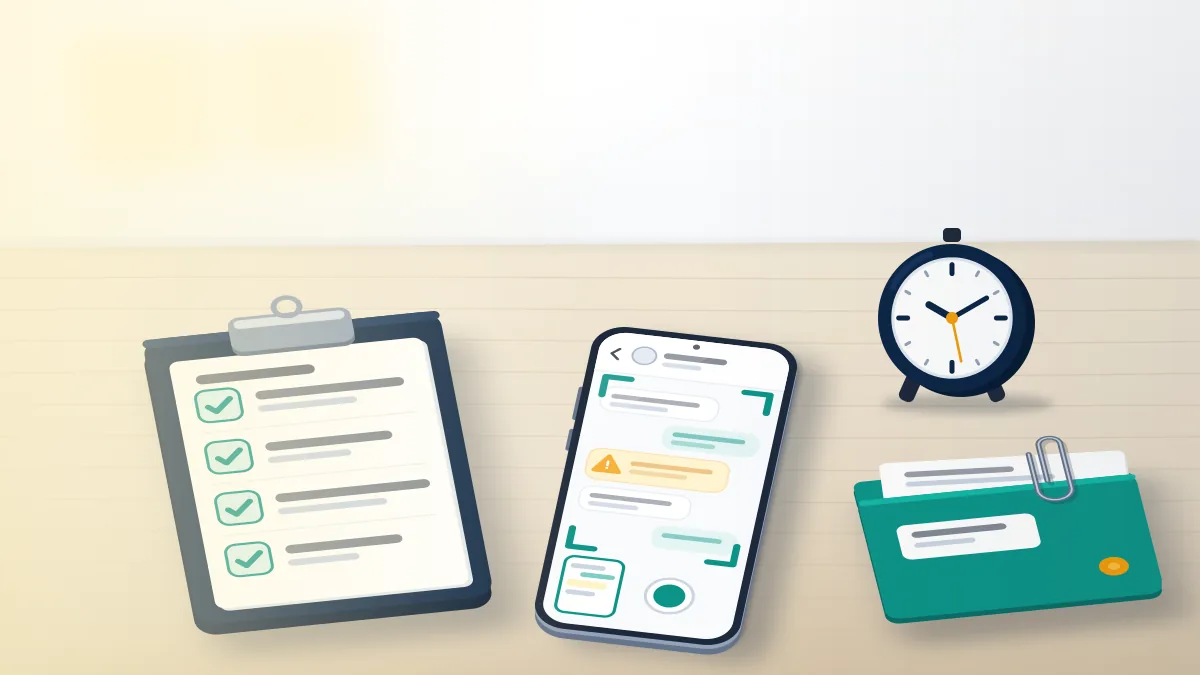
Treat every blackmail Twitter message as evidence first and conversation second:
- Screenshot the demand, the deadline, the payment details and the sender's @handle.
- Copy the profile URL now; handles change in seconds and old links then point nowhere.
- Note the wallet address, gift-card brand or payment-app tag exactly; banks and exchanges act on those, X does not.
- Report the message itself: tap and hold it, select Report message, then It's abusive or harmful (X Help Center).
- Protect your posts, turn on two-factor authentication, revoke unknown apps and log out of other sessions.
- Block, but leave the thread undeleted.
Reply once at most, and only to say you won't pay. Silence works better than negotiation, since every answer tells the sender the account is live and watched. When Your Reputation Solution builds one of these files, we put the demand, the deadline and the payment handle into a single image at the top, because a reviewer working a queue reads the first screenshot first. Below it go the profile URL, the dates and a plain one-paragraph timeline. Police and IC3 ask for that timeline anyway, so write it in your own words: who contacted you, on which account, when the conversation moved off X, what was demanded and whether anything was paid. Nothing in it needs the images themselves, and a timeline without them is easier for a reviewer to read. Never attach or forward them to anyone, including us.
Some crews ask for a login code "to prove you're real". Sent one? On Telegram, start the Telegram account recovery steps at once; a frozen or reset account needs the separate process to recover a Telegram account after reset.
Hijackers who strip the second factor leave a harder case, which our Telegram recovery specialists handle. If the blackmailer posted from your Instagram and got it banned, the guide to get an Instagram account unbanned covers the appeal.
Meta sometimes disables the profile outright. Routes to recover an Instagram account disabled for no reason and to Facebook suspended account recovery cover accounts locked in that sweep.
Being blackmailed on X right now? Your Reputation Solution can review the messages with you, map which reports to file first, and handle the follow-up with X and outside agencies. Start a free case review. We never ask for your password, and we never contact or pay the person threatening you.
Which report goes where on X?
Each threat type has its own route inside X, and most also need one report outside it.
| What you're facing | Report inside X | Report outside X |
|---|---|---|
| Threat to post intimate images (adult) | Report message: abusive or harmful | StopNCII.org, police, FBI IC3 |
| Same threat, image made before 18 | Report the message and account | NCMEC CyberTipline, Take It Down |
| Threat to post your address or ID | Report for private information | Police, if a physical threat comes with it |
| Fake account using your photos | X impersonation form | None needed |
| Bot swarm in replies or DMs | Report each account as spam | None needed |
| Scam: money, crypto, fake support | Report the profile | IC3, FTC ReportFraud, your bank |
X doesn't send an outcome notice for every issue type, so keep your own record of what you filed and when. Under the private information policy, its options run from requiring a post's removal, with a spell in read-only mode before the account can post again, to suspending accounts whose sole purpose is posting other people's private information or media. You can still report posts from an account that has blocked you, but only posts that mention you, so screenshot anything posted about you without a tag. For intimate images, the 48-hour removal clock under the TAKE IT DOWN Act runs alongside X's own policy. On every row, Your Reputation Solution files the X side and prepares the outside reports with you, while X, StopNCII's partner platforms and the police make every decision on the case.
Bot swarms are the one row where volume matters. Report Twitter bots one account at a time from the profile menu; paid reporting bots break the rules they claim to enforce, as does every mass report bot Instagram panel and every offer to mass report a TikTok account for a fee.
Flooded on Instagram by the same accounts? Manual reports are also the only way to report a spam bot on Instagram that holds up.
What is doxxing on Twitter, and how do people get doxxed?
Doxxing on Twitter is posting someone's private details without consent, from a home address or ID number to the real name behind an anonymous account.
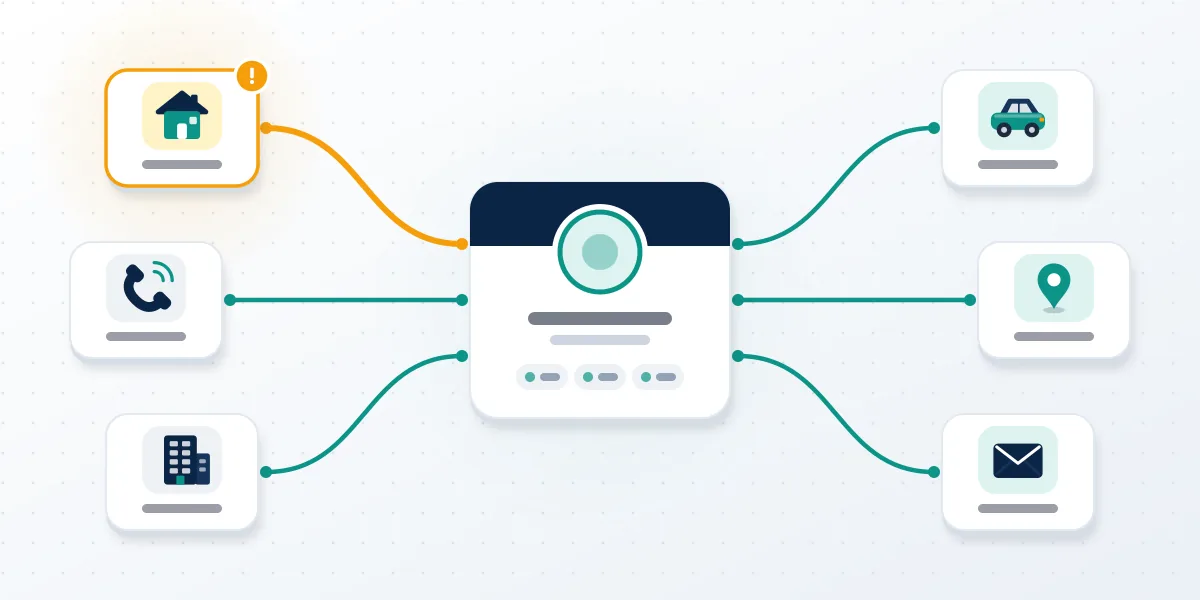
X's list is narrower than most people expect. It covers home address or location, identity documents, non-public phone numbers and emails, financial account details, health data and the identity of an anonymous user. Workplaces, birthdates and descriptions of how you look are not private under the policy, though a home address can be actioned even when public elsewhere. Anyone asking what is doxxing on Twitter should start from that list, because it decides whether a report lands. How do people get doxxed on Twitter? Mostly through trails the victim left: a reused handle, a gym check-in, a photo with a street sign, a people-search listing. Handle reuse is the classic one, since an abandoned name invites others to claim a Twitter username and pose as the old you, and you can only claim an inactive Instagram username in narrow cases.
For the reporting walk-through, including X's "clearly abusive" test for third-party reports, see the guide to report doxxing on X step by step.
Someone impersonating me on Twitter: is the fake account part of the threat?
Often, yes. Blackmailers clone the victim's profile to message their followers or to make the threat look already carried out.
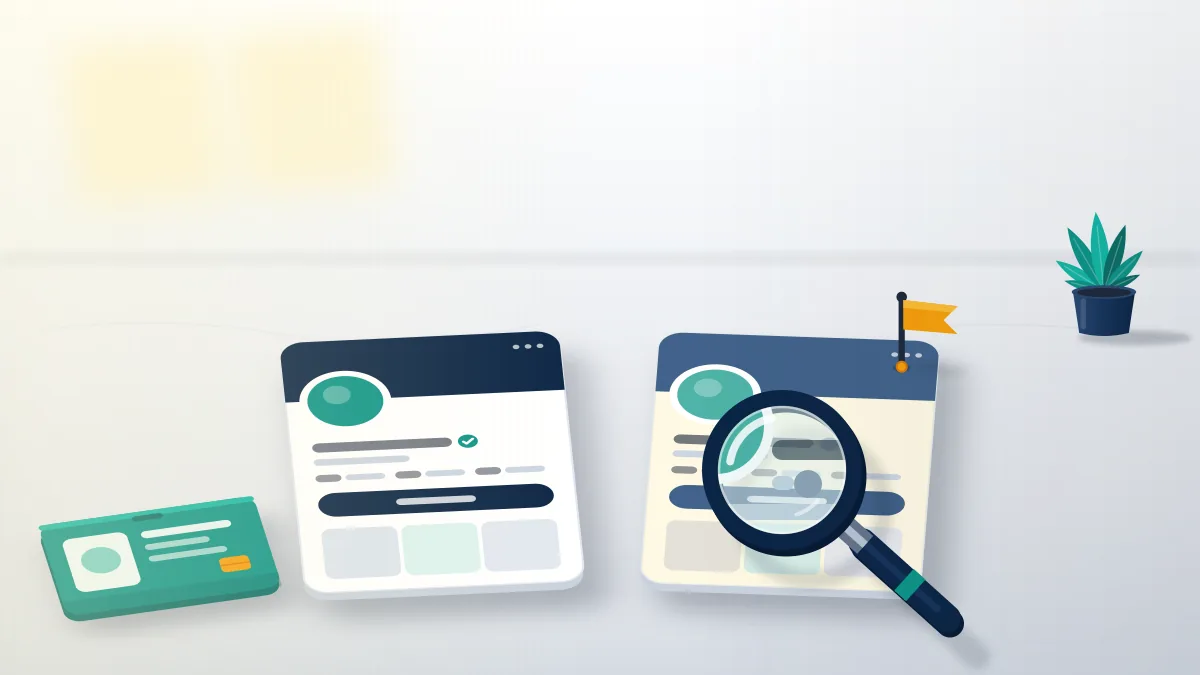
In impersonation cases, Your Reputation Solution prepares the identity evidence X's form asks for and tracks the ticket, though it cannot move X's queue any faster. X allows parody, commentary and fan accounts only when they carry the PCF label, avoid an identical avatar, and put a word like "parody" or "fake" both at the start of the account name and in the bio (X authenticity policy, April 2025). Clones that use your photos and none of those markers count as impersonation. You can report Twitter account impersonation through X's dedicated impersonation form or from the profile menu, and the form asks for proof of identity, so have a photo ID ready before you start. Blackmail clones tend to copy the avatar, the display name and a handle one character off, which makes a side-by-side comparison easy to show a reviewer.
Clones rarely stay on one platform. On Instagram, the process to get a fake Instagram account taken down runs on Meta's impersonation form, and on TikTok the path to get a TikTok page taken down also starts with your ID.
To report a fake Twitter account that isn't using your identity, use the spam route. Brand cases sit in the guide to report impersonation on Twitter, and the steps to remove bot followers on X clean up after a swarm. Report fake Twitter accounts early; each clone is evidence of the campaign.
How to report a scammer on X, and where does X stop?
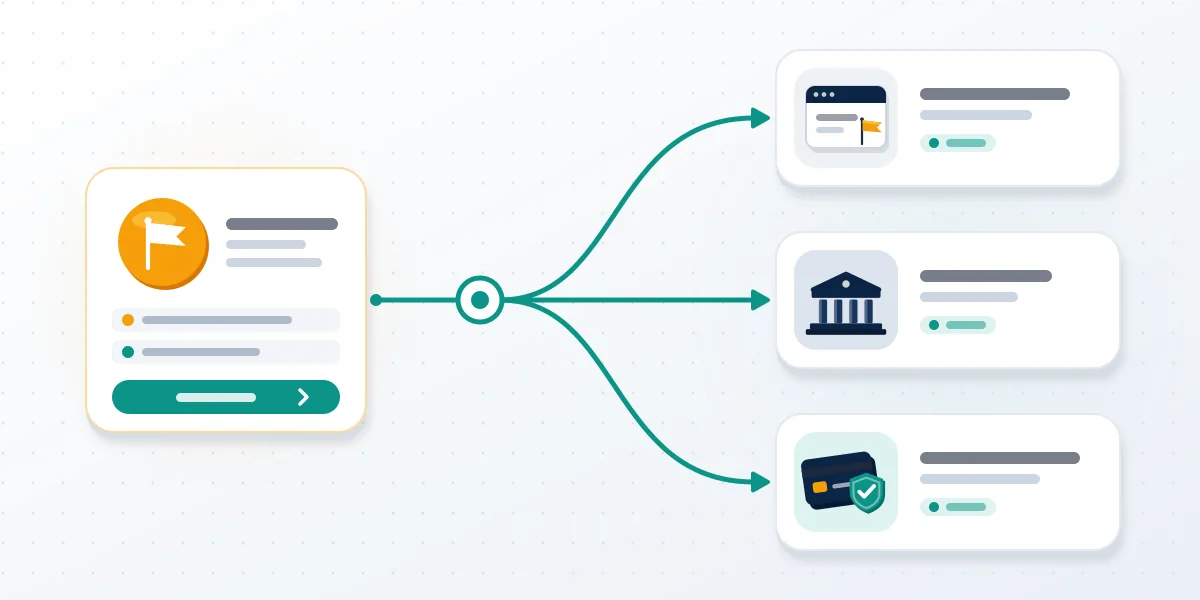
Open the scammer's profile, tap the overflow menu, select Report and pick the issue type that matches what happened.
Before you post about it publicly, expect the replies to fill up. Accounts offering to "hack the blackmailer", delete the photos from their phone or recover crypto for an upfront fee are running a second scam, the kind X's own rules call social engineering. Your Reputation Solution will not pay or negotiate with the person threatening you, will not hack anyone back, will not run mass reports, and will never ask for your password. Read our disclaimer before hiring anyone, us included.
Reporting in the app is only the first half of how to report a scammer on X. X's authenticity policy bans scam tactics used to obtain money, property or private information, and names social engineering (including relationship and trust-building schemes), money-flipping, fraudulent discounts and phishing. Yet the same policy says X "does not intervene in financial disputes", such as claims about goods sold on X or disputed refunds. So the report can remove the account; it will not return a payment, and losses to a seller you found on X fall in the same gap. People who search "twitter report scammer" usually want the money back, which means two more reports filed the same day. File at the FBI's IC3 with the wallet address or payment tag, then call your bank or card issuer, since chargeback windows close. US victims can add the FTC's ReportFraud site.
Reported scammers sometimes report back. When a counter-wave hits your other accounts, the TikTok appeal on a suspended account and the route to recover a banned TikTok account are both free.
A YouTube channel lost the same way goes through the process to reinstate a terminated YouTube account, and sellers hit in that wave can request a Facebook Marketplace unban through Meta's review.