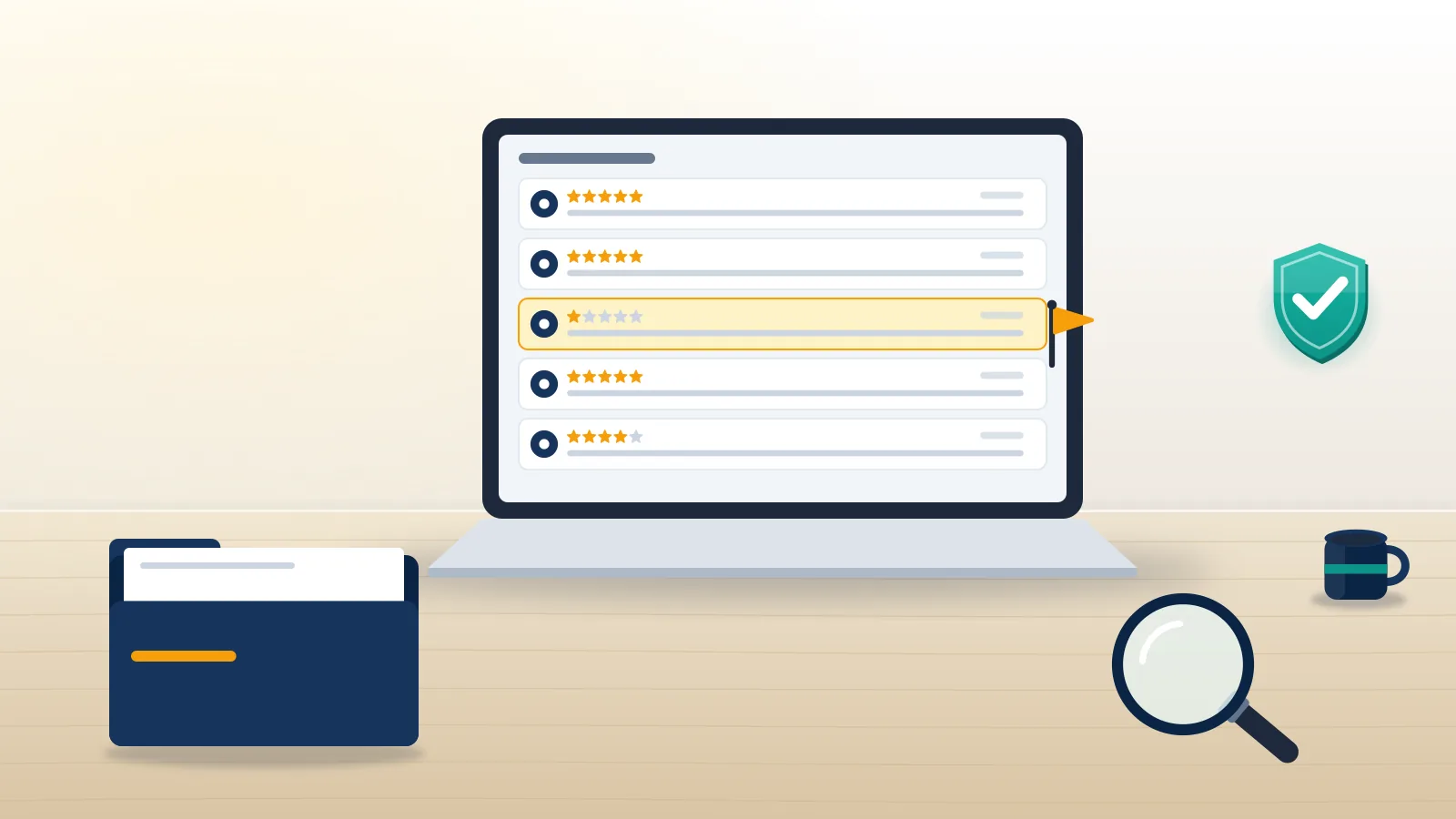
What does a review removal service actually sell?
A review removal service sells casework, not deletion: it proves a violation, files the report, and the platform keeps the final decision. Google, Yelp, Trustpilot, Facebook, Glassdoor and the BBB all run their own moderation, and none of them hands outside firms a delete button. What the buyer pays for is evidence work: reading the review against the exact policy clause, checking the reviewer against customer records, spotting a conflict of interest, and choosing the right channel on the first attempt. That matters on Google because its Business Profile help page allows a one-time appeal after a rejected report, so a rushed filing burns the only second look. Evaluation there typically takes several days. Buyers typing "remove reviews service", "remove negative reviews service" or "negative review removal services" land on this same model under different labels. Fees and wording change from firm to firm; the decision-maker does not.
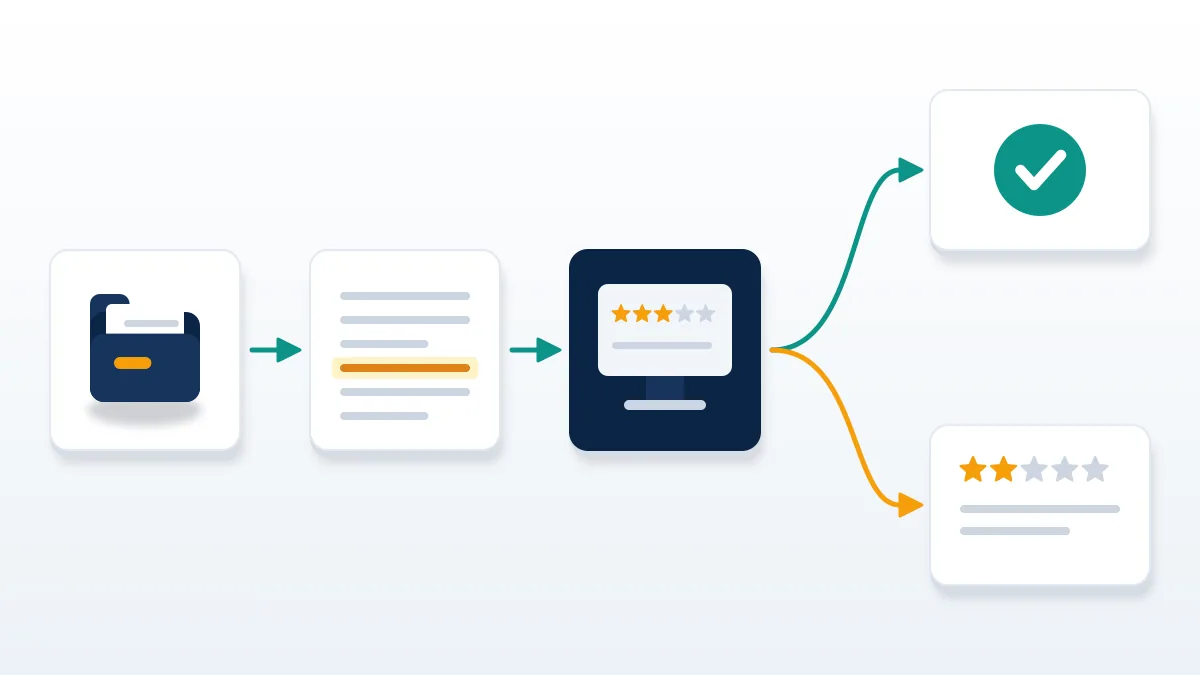
Fake-review cases have their own playbook on our remove fake reviews service page; this guide covers the wider buying decision, including genuine customers whose words are unfair but true. Your Reputation Solution is a reputation management firm that audits disputed reviews for businesses and files or escalates reports only where a published rule or a law supports them.
Which reviews can review removal experts get deleted?
Review removal experts can only win on reviews that break a published rule, such as fake engagement, conflicts of interest, harassment or off-topic rants.
| Platform | Grounds in its own rules | Route for the business |
|---|---|---|
| Fake engagement, rating manipulation, harassment, personal information, off-topic | Report in Business Profile or the Reviews Management Tool, then one appeal | |
| Yelp | Conflict of interest, no first-hand experience | Report to moderators |
| Trustpilot | No genuine experience, defamatory or harmful, spam | Flag for the Content Integrity team |
| Breaks Community Standards | Report the Recommendation | |
| Glassdoor | Guideline breaches | Employer flag; Glassdoor decides |
| BBB | Reviews are vetted before publication | Respond when the review reaches you |
Read the wording closely, because most disputes die there. Google's contribution policy lists "unsubstantiated allegations of wrongdoing" under offensive content, which gives a business a real argument when a reviewer accuses staff of theft with no detail; "the food was cold" gets no such help. Its conflict-of-interest clause also reaches former employees and industry competitors. Yelp's reporting guidance names reviews from staff, competitors and friends of the owner as conflicts, and says a critical review stays unless it clearly breaks the guidelines. Trustpilot's business guidelines rule out disagreement as a flagging reason. BBB's review FAQ adds a different twist: reviews reach the business before publication and do not count toward the BBB Rating, so the reply window matters more than removal. Employers should read our Glassdoor negative reviews guide first, since anonymity changes what evidence exists.
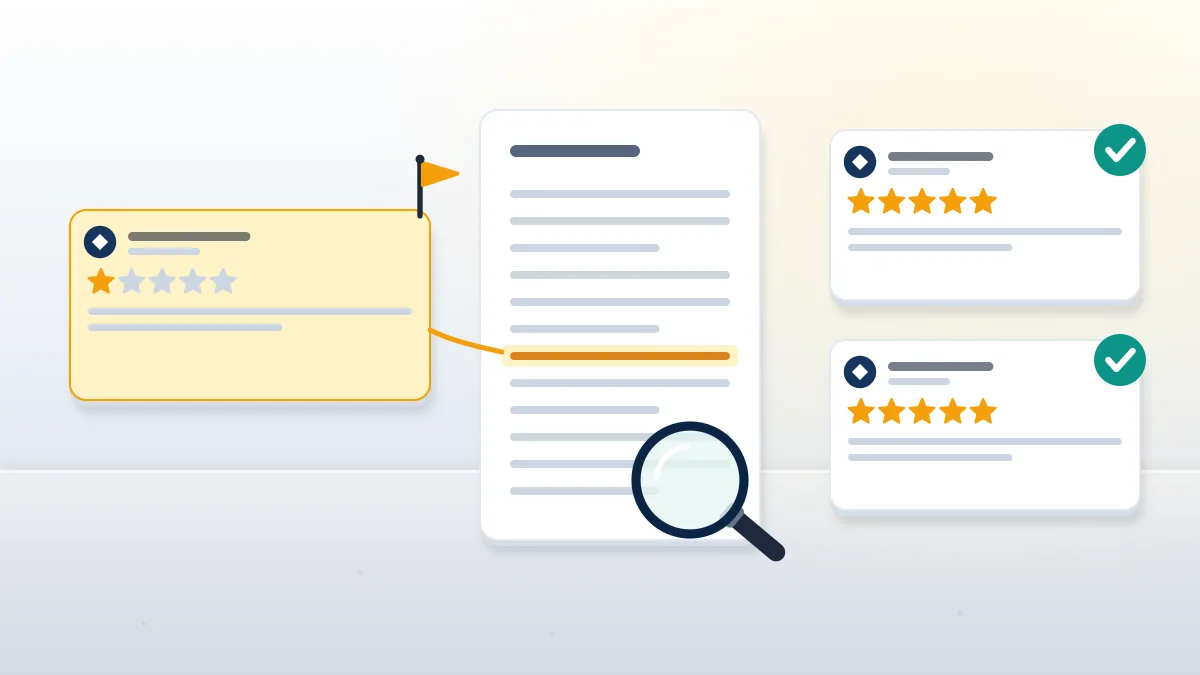
Before any report goes in, every disputed review lands in one of three piles: a rule breach worth filing, a false statement worth a lawyer's opinion, or honest criticism that needs a public reply. That sorting is the first thing Your Reputation Solution does.
Can you pay to have bad reviews removed?
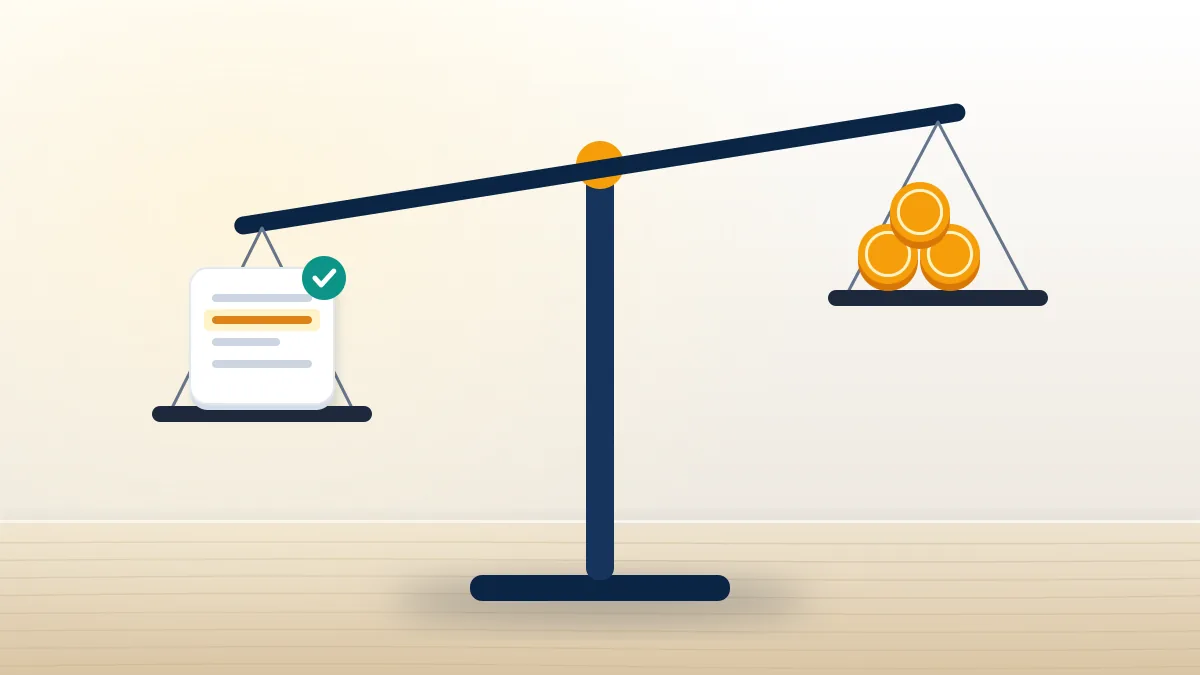
You can pay for casework, but nobody honest can sell the deletion, because platforms do not take money for removal. So the honest reply to "can you pay to have bad reviews removed" has two halves. Paying a firm to document a real violation is ordinary professional work. Paying the platform is not on offer: Yelp's Terms of Service say that buying advertising does not let a business alter reviews, and its advertising staff cannot touch them. Paying the reviewer is riskier still: Google's policy bars merchants from offering incentives for the "revision or removal of a negative review", and Yelp tells consumers to report businesses that pressure or pay them. Anyone advertising a "delete negative reviews service" or an "erase negative reviews service" with a fee per vanished review is selling an outcome nobody can deliver through a legitimate channel. Break any quote down line by line and check what a person outside the platform can actually control.
Bulk flagging is the cheap version of the same promise, and the damage lands on you, because coordinated reports from your own profiles invite enforcement against them. Owners who tried it often end up asking about a disabled account ig notice, or about instagram suspended account recovery without phone number free options.
Other networks punish the pattern differently. Team profiles that spam reports can leave you searching for how to remove shadow ban from twitter (x), or with a staff login snapchat banned outright, and neither outcome moves the review, which is why Your Reputation Solution refuses bulk flagging.
How does lawyer review removal differ from a platform report?
Lawyer review removal targets the reviewer through defamation law, while a platform report targets a rule breach, so the two routes need different proof. False, harmful statements of fact can support a claim; "worst service in town" is opinion and generally cannot. Section 230 shields the host, so the reviewer is the defendant. In Hassell v. Bird, decided in 2018, the California Supreme Court held that Section 230 barred a removal order against Yelp, even after a court had found a review defamatory. In practice counsel seeks a judgment against the author, then presents it through a channel such as Google's Report Content for Legal Reasons form, which asks for the specific URL and an explanation of the legal problem. Demand letters carry their own risk. Under the FTC rule, an "unfounded or groundless legal threat" meant to kill a review is itself illegal suppression, while threats with a legitimate basis remain allowed.
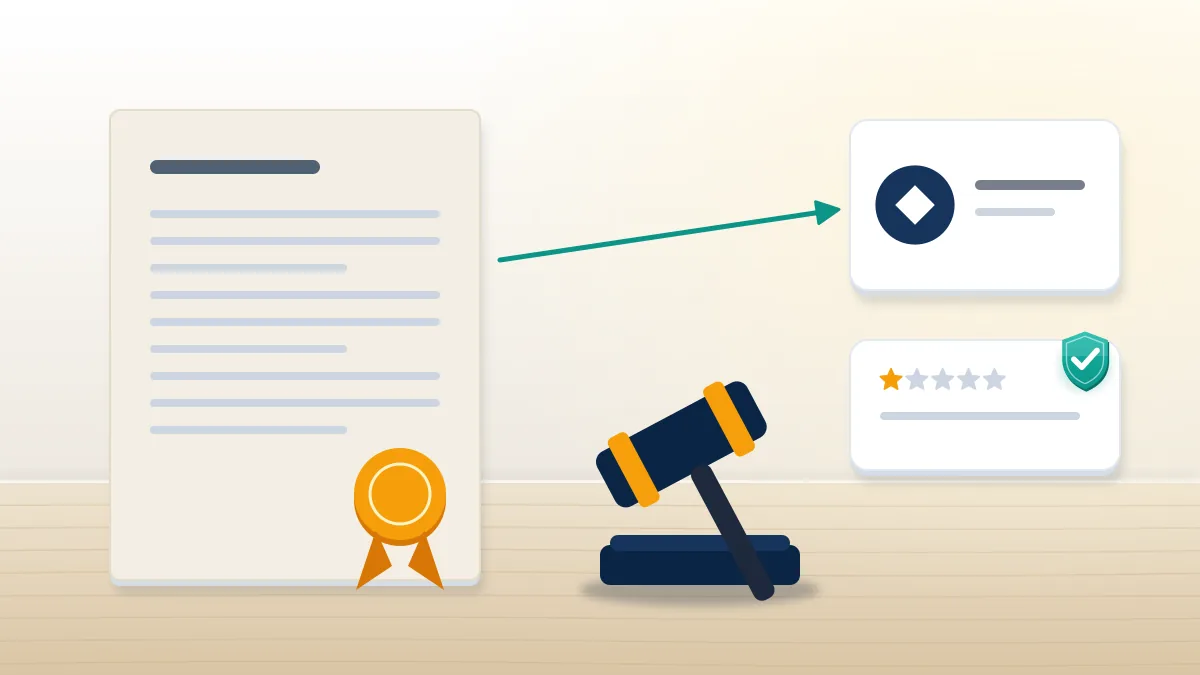
Contracts offer no shortcut either. The Consumer Review Fairness Act, enacted in 2016, voids form-contract clauses that bar reviews or fine customers for writing them. The statute still leaves a site free to remove libelous, harassing or clearly false content, and employment contracts fall outside it.
When we assemble a file for outside counsel, the useful pages are rarely the angry ones. We pull the dated screenshot, the permanent link, the customer-record search and the reviewer's public history, then leave the legal judgment to the lawyer, because Your Reputation Solution is not a law firm and gives no legal advice.
Five tests for companies that remove bad reviews
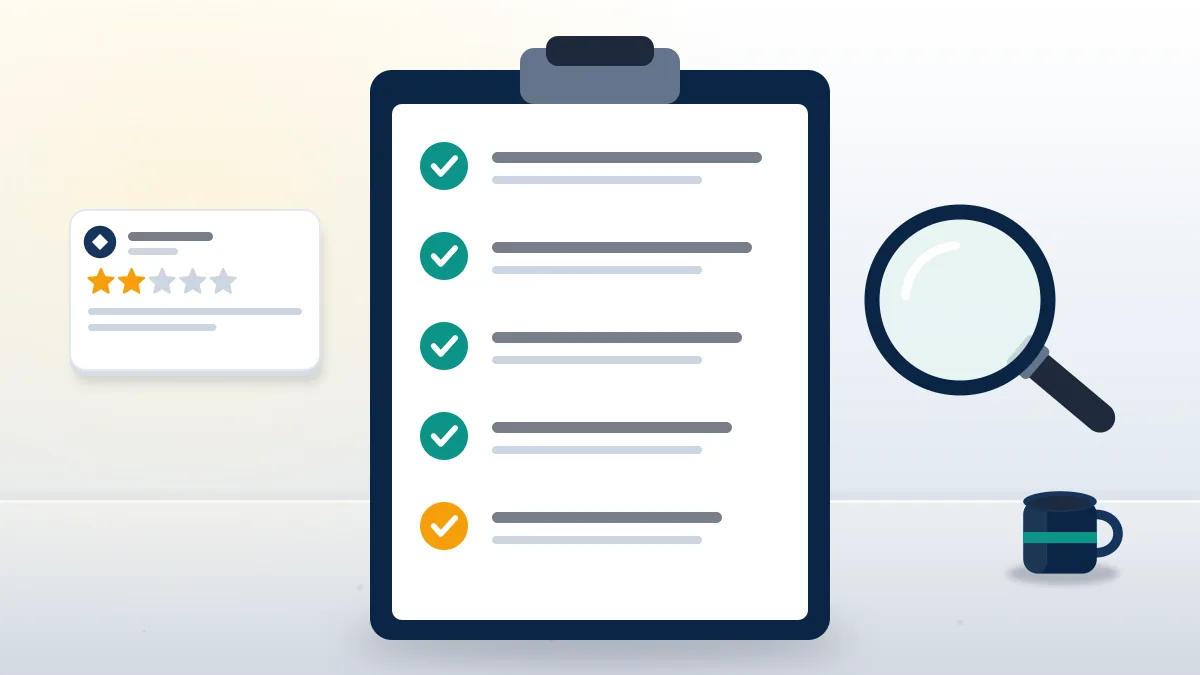
These tests separate working companies that remove bad reviews from sales funnels. Send the vendor one real review link before you sign anything.
- Clause first. Demand the policy clause the review breaks. Companies that remove negative reviews through legitimate channels can name it; vague talk of "proprietary methods" means there is no case.
- Route named. Find out whose account files the report and through which form, such as Google's Reviews Management Tool. Delegated manager access is enough, so a password request ends the conversation.
- Refusals on record. Request a list of what they turn down. Firms that accept every review are not screening for violations.
- Paper trail. Insist on a written audit of each review and copies of every filing, including statuses such as "Report reviewed - no policy violation".
- Fee logic. Get written terms for what you owe when the platform says no, before any money moves, because a success fee can reward aggressive reporting.
What does a review remover scam look like?
A review remover scam usually promises a deadline, charges per deletion, claims a contact inside the platform, or asks for your password. Each of those claims fails the same check: moderation decisions belong to the platform, so no outsider can schedule one. Strangers who message you right after a wave of one-star reviews, offering to make them vanish for a fee, may be the source of the wave, so preserve the message and report those reviews without paying. Another tell is a "review remover" tool or browser add-on that wants your Business Profile login. Vendors may also offset bad ratings with purchased five-star reviews and call that removal, which is exactly what the FTC rule bans: its review and testimonial guidance covers buying fake reviews and sentiment-conditioned incentives, and a business can answer for reviews it knew or should have known were false, with civil penalties available for knowing violations.

Have a review you think breaks the rules? Your Reputation Solution will read it against the platform's policy and tell you plainly whether a report is worth filing. Get a review removal audit.
Inside-contact stories collapse fast once you see how platforms really answer. Our notes on customer care instagram and on contact insta support show how narrow those doors are.
Email is no secret door either: anyone explaining how to email ig support will tell you the same, and the sales pattern also resembles the brokers behind how to buy an instagram handle pitches, where the money moves first and the result depends on someone else.
What we will not do: ask for a password, buy or write reviews, contact reviewers with threats, or promise that a given review will disappear. Limits and refused work are set out on our disclaimer page.
Where does review work end and another takedown begin?
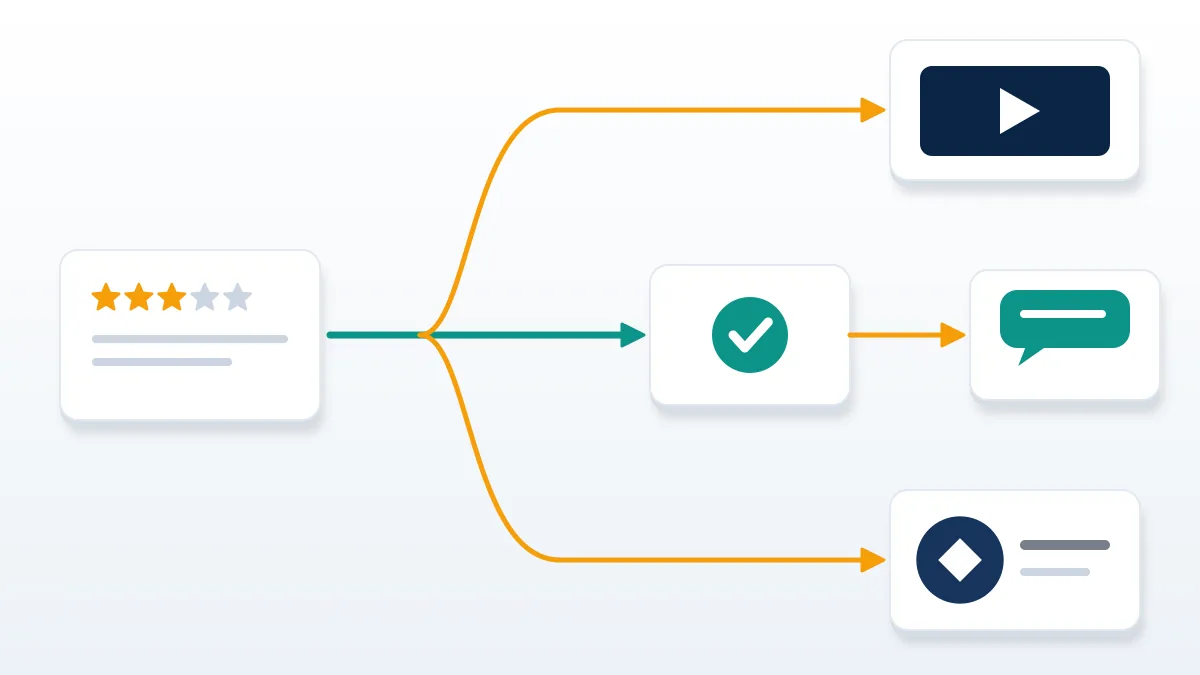
Review policy stops at the review itself; videos, comments, posts and accounts each run on a separate complaint system that wants different evidence. Most online review removal services do not cover those systems, so a business with one angry customer on three surfaces can need three different filings. Copyright claims need ownership of the work. Privacy complaints need an identifiable person. Harassment reports need a pattern or a direct threat, and review reports need a policy clause. Filing the wrong type is the commonest early mistake, because the form gets rejected on its own terms and the underlying problem never gets judged. Before you hire anyone, list each link, name the platform, and write down what is wrong with it in one sentence: false, private, stolen or abusive. That one-line label points to the route, and it often shows that only one or two links on the list deserve paid help at all.
On YouTube, a bad comment thread is a moderation matter, so learn how to delete someone else's comment on youtube before paying anyone. Personal videos are different: start with how to file a privacy complaint on youtube. Your Reputation Solution scopes these as separate cases from review audits, because each one rests on its own evidence and its own form.
Short-video complaints follow their own rules, as our note on the best tiktok content removal service question explains. Instagram has its own vocabulary too, down to people asking how to ban reels on instagram.
Stolen footage goes down a third road, so compare youtube copyright claim monetization effects with the penalty ladder behind 3 copyright strikes youtube before you send any notice.
Reposted clips raise the question can u get copyrighted on instagram, and yes, you can, in both directions. When a whole channel is the target, read what a YouTube ban service actually is and notice how many promises in that market match the review scams above.
What if the review stays up after every report?
Answer it publicly, ask real customers for honest reviews where the platform allows it, and stop spending money on that one review. A rejected report often means the review is simply allowed, and a calm reply reaches the next reader sooner than any appeal. State the facts once, offer a direct contact, and leave out the customer's private details. On Facebook, a Page owner can also turn Recommendations off in Page settings, which removes the surface rather than one entry, and that trade-off deserves thought before you touch it. Soliciting needs a platform check first, since Yelp does not permit asking customers for reviews at all. Google's one-time appeal should wait until you hold new evidence, not merely new anger. Long-term, the ratings that hurt least sit among many recent, specific ones from people who really paid you. Keep the rejected filing and its date, too, because a later pattern of similar posts can turn a weak single report into a strong one.
If you still want a second opinion, Your Reputation Solution can review the rejected filing and say whether anything new would change the argument, or whether the reply is now the whole job. Sometimes the cheapest answer a firm can give you is that the review should stay and you should move on, and hearing that early saves money you would otherwise spend chasing a report that was never going to succeed.
Waiting for the reviewer's profile to vanish is a poor plan. People ask does ig delete inactive accounts and does tiktok remove inactive accounts hoping for a quiet exit, yet neither answer gives you a date.
Searches like did twitter delete inactive accounts and when does facebook delete inactive accounts end the same way.
Profiles listed under deleted accounts instagram may simply be blocked or hidden, which tells you nothing about the review's future.
Sometimes the embarrassing post sits on an account your own business still controls, and then no vendor is needed. Staff who left may need how do i delete my old instagram account or plain how can you delete an instagram account steps.
Older brand assets elsewhere work the same way: see how can you delete a youtube channel for video and telegram account remove for a dormant support line.