
What a Facebook Marketplace report actually does
A report sends one object — a listing, a profile, or a message thread — into Meta's commerce review queue, where it is judged against the Commerce Policies rather than the ordinary Community Standards. That distinction decides most outcomes. The Commerce Policies enumerate two dozen prohibited categories, among them counterfeit goods, recalled products, stolen goods, weapons and listings with no product for sale, and a listing that breaks none of them survives a report however badly the deal went. Being ripped off is not, by itself, a policy category. The lie the seller told usually is.
So the honest scope is narrow. A successful facebook marketplace report seller filing removes the listing, sometimes restricts the seller's Marketplace access, and occasionally reaches the account itself — though only Meta can delete a profile, and only on verified grounds, which a single bad transaction rarely clears.
Your Reputation Solution is a reputation and account-recovery firm whose team files and escalates platform reports for people being targeted online. The first thing we say to a Marketplace client is that the report and the refund are two separate projects running on two separate clocks, and confusing them costs people the deadline that actually mattered.
Volume changes nothing. The impulse to get everyone in a local buy-and-sell group to pile on is understandable and counterproductive, because Meta weighs the evidence in a report, not the number of people filing it — and ProPublica documented a volunteer fraud hunter being suspended from reporting altogether after the system decided he had flagged too many listings too quickly (ProPublica, 2021).
Picking the wrong surface fails the same way. Report a Marketplace listing through the general profile-reporting flow and it lands in a queue with no authority over sellers, exactly as reporting a scam ad through the video flag reaches nobody who can pull the ad. Right complaint, wrong door.
How to report a seller on Facebook Marketplace
Meta documents five taps, and its own help page for reporting a Marketplace seller words them precisely:
- Log in to Facebook.
- From your Feed, click Marketplace.
- Open one of the seller's listings, then click the seller's name below Seller information. This is the step people miss. Reporting from the listing reports the listing; clicking through to the name is what reports the seller.
- Click Options, then click Report.
- Follow the on-screen instructions, and write one specific line about the rule broken.
That final line does more work than anything else in the flow. ProPublica's reporting put roughly 400 contracted moderators on Marketplace complaints handling 600-plus a day each, which is under a minute per case (ProPublica, 2021). Meta has not published a comparable figure since, and nothing suggests reviewers got slower. Write for someone with fifty seconds: what was listed, what arrived, what was claimed, which policy that breaks.
Your Reputation Solution rewrites this box before filing more often than it does anything else on a Marketplace case. Emotion is the enemy of it. A reviewer cannot action how angry you are, only what they can check.
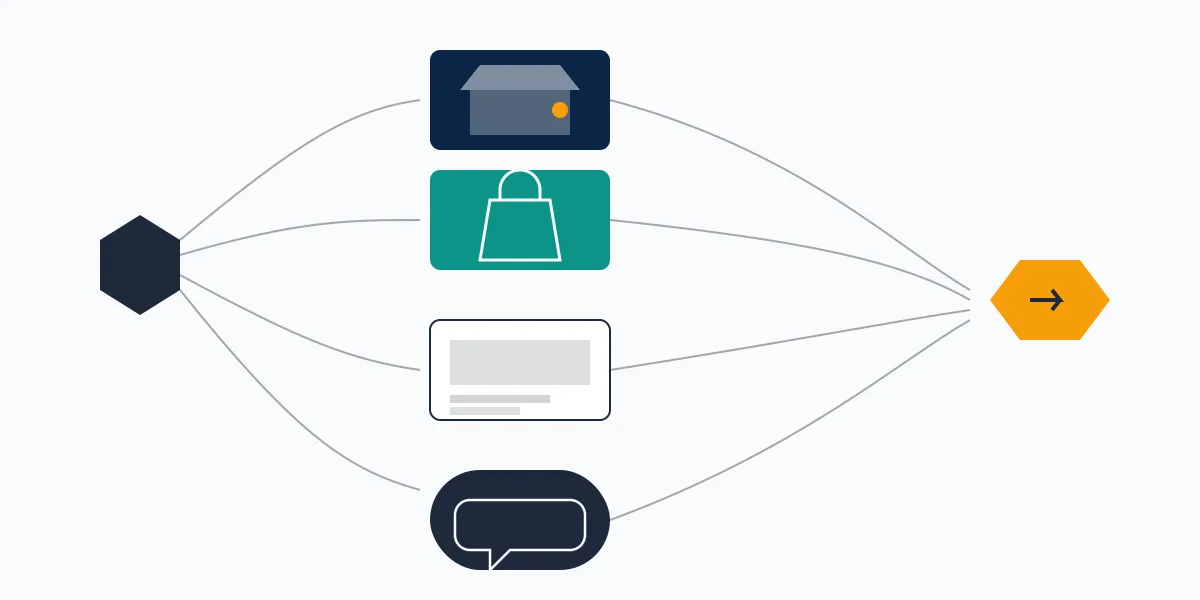
Learning how to report someone on facebook marketplace really means learning which of four objects to report, since Meta treats them as separate cases: the listing, the seller's profile, the buyer, and the Messenger thread. File against the listing and the listing comes down. File against the profile and the account is reviewed. Most people file once, against whichever screen they happened to be looking at, and then wonder why the seller is still trading.
The listing has its own shorter flow, and it is the one to use when the item rather than the person is the problem: open the listing, click Options, then Report listing. Counterfeit goods, a recalled product, a vehicle with a rolled-back odometer reading — these are listing violations, and they get actioned faster than a profile report because a reviewer can verify them from the post itself without reconstructing a transaction.
Run both when both apply. Reporting the listing does not report the seller, and a seller whose listing is removed can repost within the hour.
Off-platform conversations take half the evidence with them. Scammers routinely ask to continue on WhatsApp before any money moves, which puts the decisive messages on a platform with its own separate report — and knowing how to block, remove, or get them banned on WhatsApp covers the leg of the incident Meta's Marketplace queue never sees.
One reassurance, because it is the question everyone asks before tapping: Meta does not tell the seller who reported them. Reports are anonymous, and enforcement notices name the policy rather than the reporter, which is the same split between reporting and blocking that plays out on TikTok LIVE, where the report is silent and the block is not. Your Reputation Solution files through this same public form, because Meta operates no separate professional channel into the Marketplace queue.
How to report a buyer on Facebook Marketplace
Sellers get a different route, and it is buried deeper. Meta's help page for reporting a Marketplace buyer walks through Marketplace → Selling → Seller dashboard → Your listings, then the listing the buyer purchased from, then the message thread between you, then Options → Report buyer.
Six screens, and it only exists if a real message thread exists. That is the practical catch in every facebook marketplace report buyer case: delete the conversation to be rid of an unpleasant exchange and you delete your own route to reporting it.
A facebook marketplace report scam buyer case usually looks like one of three things. The overpayment — a cheque or transfer for more than the asking price, with a request to refund the difference before it bounces. The fake courier — a shipping confirmation that never came from a courier. And the one that costs the most: the verification code.
That last one is not a payment scam at all. A "buyer" says they want to check you are a real person and asks you to read back a six-digit code they have just triggered. The code is a Facebook or Google account recovery code, and reading it out hands over the account. Should that have already happened, reporting the buyer is the second job — the first is to get back into a locked Facebook account before the attacker finishes changing the recovery details.
The same trick runs on WhatsApp with the registration code, and there it takes the phone number itself, then works through your contacts wearing your name. That one is time-critical enough to have a 24-hour recovery window our team works to.
Never read a code aloud. No legitimate buyer needs one.
Sellers also carry a risk buyers do not, and it shapes how Your Reputation Solution documents these cases. A buyer who has been reported sometimes reports back, and a retaliatory complaint against a seller account with real inventory behind it is the more expensive half of the incident. File the report, then save the listing history and the thread somewhere outside Facebook, because the account you may need to defend is your own.
Facebook Marketplace report scam: the category decides the outcome
Meta runs a dedicated fraud route, and it is not the one most people find. From the listing, click Options → Report Listing → Fraud, per Meta's Marketplace scam reporting page, which also gives the instruction people ignore: stop communicating with the buyer or seller.
Your report is judged against the category you chose, not the harm you felt. A reviewer opening a fraud report looks for fraud — a misrepresented item, a payment taken for nothing, a fake courier confirmation. File that same case under "harassment" because the seller turned abusive when challenged, and a reviewer looking for harassment finds a commercial dispute and closes it. The rudeness was real. It was not the violation with teeth.
So the sorting rule for any facebook marketplace report fraud case is: pick the rule most clearly broken, even when it is not the thing that upset you most. A misrepresented physical item is fraud. An item that never existed is "no product for sale". Counterfeit goods are an intellectual-property matter. Choosing correctly is the whole difference between a facebook marketplace report scammer filing that gets read and one that gets closed in forty seconds.
Which reframes the question people actually arrive with. How to report a facebook marketplace scammer is not one procedure but a sorting decision made before you tap anything, and how to report someone on facebook marketplace for scamming has the same shape: name the rule, then pick the object that breaks it.
One distinction is chronically missed. Where a seller took payment and never held the item at all, Your Reputation Solution files fraud rather than a product complaint, because reviewers treat those as different animals. A quality argument invites a judgement call about whether the goods matched their description, and judgement calls go the way of whoever wrote more persuasively. A payment taken for something that never existed invites no judgement at all.
The scale explains the sorting. The FTC found that scams originating on social media cost Americans $2.1 billion in 2025 — close to 30% of all reported scam losses, and eight times the 2020 figure (FTC Data Spotlight, April 2026). Queues built for that volume reward precision and punish everything else.
Practised scam sellers also build credibility outside Marketplace, which is why a facebook marketplace report scam seller filing sometimes leaves the operation running. A fake storefront with a Maps pin, an address and a phone number is what survives a buyer's quick search, and killing the listing does not touch it; how to remove a business from Google Maps you don't own is a different form with a different owner. If your own name, address or number ended up published somewhere during the fallout, YouTube's privacy complaint route shows how narrow those tests get once you leave the scam question behind.
Meta's report form takes a case as far as its own queue. When it stalls, Your Reputation Solution documents the case properly and escalates it — talk to our team about a Marketplace report that went nowhere.
When the report button disappears
Two situations remove the button and account for a large share of Marketplace questions: the other party blocked you, or the listing is gone. Both feel like the case is over. Neither is.

How to report someone on Facebook Marketplace that blocked you
Meta's own documented answer is to ask someone else to file it. Its help page on reporting content you cannot see says that where you cannot see the content because someone blocked you, "you may need to ask a friend to help you", using the report link beside the post or listing, and to supply links and screenshots in the report. There is no self-serve route. Blocking removes your view of the object, and Meta's report tools are built on top of that view.
That is the complete honest answer to how to report a scammer on facebook marketplace if they blocked you, and to how to report a seller on facebook marketplace that blocked you: someone who can still see the listing files it, with your screenshots attached. Guides promising a hidden URL or a special form are describing something Meta does not operate.
The reason is worth understanding, because it explains why the block felt like it destroyed your case when it did not. Blocking is a visibility control, not an enforcement action — what blocking actually stops, and what it doesn't works the same way across platforms. It hides two people from each other. It files nothing, flags nothing, and tells Meta nothing.
Screenshot before you block, and before you get blocked. A blocked thread can drop out of your own reach before you have saved it, which is why Your Reputation Solution treats evidence capture as the first step of a Marketplace case rather than the last. The friend filing on your behalf can only submit what you can still hand them.
How to report seller on Facebook Marketplace when listing is deleted
A deleted listing is not a deleted case, but it does change which object you report. The listing is gone, so the listing report is gone with it. The seller's profile is usually still there, and so is the Messenger thread — and the thread is normally the strongest evidence you hold, because it contains the claims made before payment.
Report the profile, and attach what you saved. Listing URL, screenshots with timestamps, the payment record, the thread. Should the seller have deleted the account as well, Meta's tools have nothing left to point at, and the case belongs entirely to the payment provider and law enforcement.
Your Reputation Solution keeps a copy of the listing outside Facebook from the moment a case opens, for the plain reason that the scammer controls the delete button and you do not.
Two adjacent problems come up often enough to name. If the seller pushed you to an off-platform checkout page that has since been taken down, deletion at source does not clear it from search results; Google's two free removal tools handle the index, and only once the page is genuinely gone. And where a scammer relisted using photographs you took, that is a separate intellectual-property route with its own eligibility rule, since only the rights owner can file a takedown — a stronger claim than fraud, and one most sellers never think to use.
Where the money actually comes back
Not from Meta. This is the sentence most guides bury and it belongs at the front of any honest page: reporting a seller does not refund you, and the report has no bearing on whether you are repaid.
Facebook Purchase Protection is real but narrow. Meta's Purchase Protection page covers eligible orders paid through checkout on Facebook — where an order never arrived, arrived damaged or materially different from the listing, was unauthorised, or where the seller was removed from Facebook. It then names what falls outside: purchases through third-party sites, local pickups, Messenger transactions, and payments through other messaging services do not qualify.
Read that exclusion list against how Marketplace is actually used. Meet in a car park, hand over cash or send Zelle or Venmo to a stranger, and no Meta protection attaches to the transaction at all. That is not a loophole; it is the design.
So the recovery route runs by payment method, not by platform, and it runs on a clock:
| How you paid | Where the claim goes | Realistic outcome |
|---|---|---|
| Facebook checkout | Purchase Protection claim | Covered if eligible |
| PayPal Goods & Services | PayPal dispute, then claim | Strong |
| Credit or debit card | Chargeback with your issuer | Strong, deadline-bound |
| PayPal Friends & Family | No buyer protection | Very weak |
| Zelle, Venmo, wire, cash, gift cards | Bank fraud report only | Weak to none |
File on the payment rail first, the same day. Chargeback and dispute windows are counted in days and weeks, and they do not pause while a platform report sits in a queue. Reporting is still worth doing, because it protects the next buyer and because enforcement against the seller can support your claim, but it is the slower track and it never issues a refund.
Ordering is the part Your Reputation Solution corrects most often. People file the Meta report, wait to see what happens, and reach the bank a fortnight later having missed the window that would have worked. Do both on day one. The report has no deadline you can miss; the dispute does.
What you tell the bank matters as much as when you tell them. Describe the transaction accurately and specifically — goods not received, or goods materially not as described — with the date, the amount and the recipient's details. Card issuers run those as distinct chargeback reason codes carrying distinct evidence requirements, and an unspecific "I was scammed" leaves the agent on the phone to choose a code on your behalf. Name the category yourself, for the same reason the platform report needs the right category: the classification decides which rulebook judges the claim, and it is considerably harder to change afterwards than to get right first time.
How to report someone on Facebook Marketplace to police
File with two bodies, and file even when you expect nothing back. In the United States that means the FBI's Internet Crime Complaint Center and the FTC at reportfraud.ftc.gov, plus a local police report, which is frequently what your bank or insurer requires before it will move on a dispute. Meta's own Marketplace help tells buyers to contact local law enforcement over theft or fraud, so this is not an escalation Meta discourages.
Both forms ask for the same material, and assembling it once covers all three filings. Write it out before you open either form:
- A dated timeline, one line per event, from first contact to the moment you realised. Investigators read this first and it is the field people skip.
- Transaction records: amount, date, method, and the confirmation or reference number, plus the recipient's name, handle, email address or bank detail exactly as it appeared.
- Identifiers: the profile URL, the display name, the listing URL, and any phone number, email address or off-platform account the person moved you to.
- The evidence itself: full-thread screenshots with timestamps visible, the listing screenshot, and any shipping or courier confirmation you were sent.
- Your own details as the reporting party, since an anonymous complaint cannot be followed up.
A police report saying you were scammed on Facebook is a filing. A police report carrying a payment trail, a phone number and a timeline is a lead, and the difference costs you twenty minutes.
Your Reputation Solution assembles this pack for clients before anything is submitted, because the same document serves the Meta report, the chargeback and the police file, and rewriting it three times is where detail gets lost.
Understand what individual reports do at this scale. The FTC's Consumer Sentinel database feeds pattern-matching across agencies, so a single complaint rarely produces an arrest while a cluster of them against one identity sometimes does. That is the honest expectation to set — and it is a reason to file, not a reason to skip it.
Scam sellers usually exist across several platforms under borrowed credibility, so documenting a person for a police file often means several filings on several clocks. Taking down a fake professional profile runs on its own form and its own timeline, and none of it moves in step.
There is a self-protective step here as well. Marketplace requires handing a stranger a name, a phone number and often a pickup address, and where that surfaces publicly after a soured deal, the fix has nothing to do with Meta. Contact details and doxxing are named qualifying categories in Google's personal-information removal policy, which is what makes it possible to remove your name from Google Search independently of anything the scammer's account is doing.
The phone number that does not exist, and what Reddit gets right
Anyone searching for how to report sellers on facebook marketplace by phone is a click away from being scammed a second time, so this section exists to catch that query rather than to answer it as asked.

Meta says it plainly on its phone support page: Meta "doesn't have a general public phone number available for customer service" across Facebook, Messenger, Instagram, Threads and WhatsApp, and "phone numbers claiming to be for Meta customer support are potentially scams and should be avoided."
That is the whole answer. There is no Marketplace hotline, no seller-fraud line, no escalation number. Every number advertised as one is operated by somebody else, and the people calling them have already lost money once and will hand over account access to a voice that sounds official. Your Reputation Solution treats the search itself as a warning sign, because the query and the vulnerability arrive together.
Which brings us to what people find when they search how to report seller on facebook marketplace reddit, and why they search it. The threads are not looking for the steps. They are looking for confirmation that the steps do anything, from strangers with no incentive to be encouraging.
Reddit's recurring consensus is broadly right on three points and wrong on one. Right that a single report on a stale listing usually goes nowhere. Right that the payment provider is where money comes back. Right that evidence beats indignation. Wrong, and expensively so, in the conclusion many threads reach — that reporting is therefore pointless. Enforcement is unreliable, not absent, and an unfiled report has a guaranteed outcome. It is also the record your chargeback or police report leans on later.
The other Reddit staple worth resisting is the recommendation to name and shame in local groups. It feels proportionate. It reliably produces defamation exposure for you, a counter-report against your account, and a scammer who now knows to move. Document, file, escalate. Our services exist for the escalation part.
What Your Reputation Solution will and won't do
Fraud victims are the most heavily re-targeted group online, so the boundaries matter more here than on any other page we publish.
We do not recover money. Refunds and chargebacks come from PayPal, your card issuer or your bank, and no agency can process a dispute on your behalf or reach into a scammer's account. Anyone charging an upfront fee to recover funds lost to a Marketplace scam is running the second scam in the sequence, and it targets exactly the people who have just been through the first.
We never ask for your Facebook password, and we never ask for a verification code. Our team files through the same public forms described on this page, because Meta operates no professional back door and a firm implying otherwise is describing a door that does not exist.
We do not guarantee removals or bans. Meta decides, on the evidence, and our ex-Meta team on what Meta will and won't remove sets out where that ceiling sits. The market below it is thick with sellers who promise to take an account down for a fee, which is why whether a Facebook ban service actually works is worth reading before paying anyone, including us. Our full service limits are published.
What Your Reputation Solution does do is narrower and more useful: assemble a case Meta's reviewers can act on inside their fifty seconds, escalate a report that stalled, run the parallel filings a police file needs, and handle the reputation fallout when a scam leaves your own name or business attached to it.
If none of that applies to your situation, the honest advice costs nothing: file the report, file the dispute the same day, keep the screenshots. Most Marketplace cases need no agency at all. The ones that do are usually the ones where a name, a business or a second account got dragged in alongside the money.