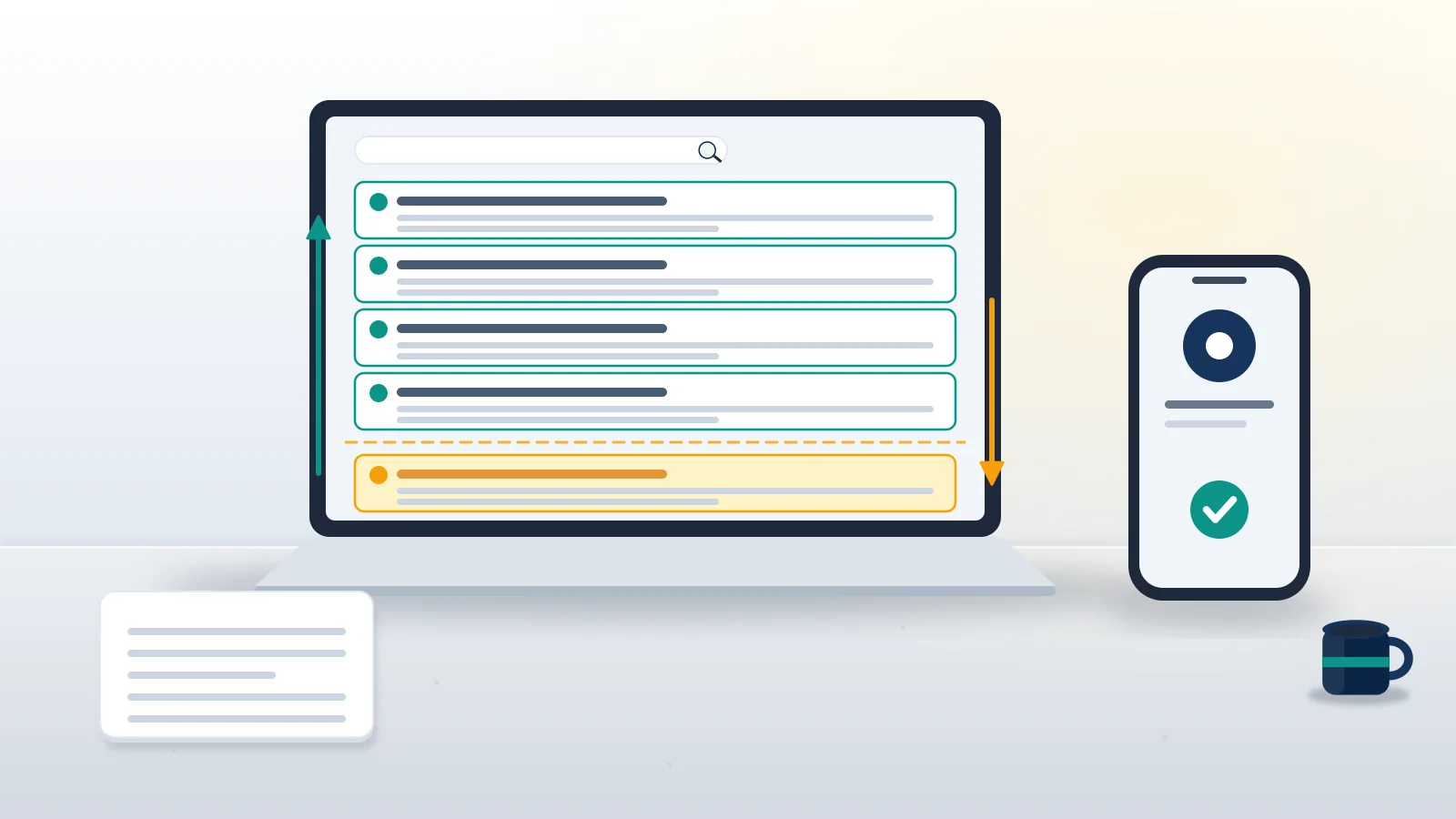
What does it mean to suppress negative content?
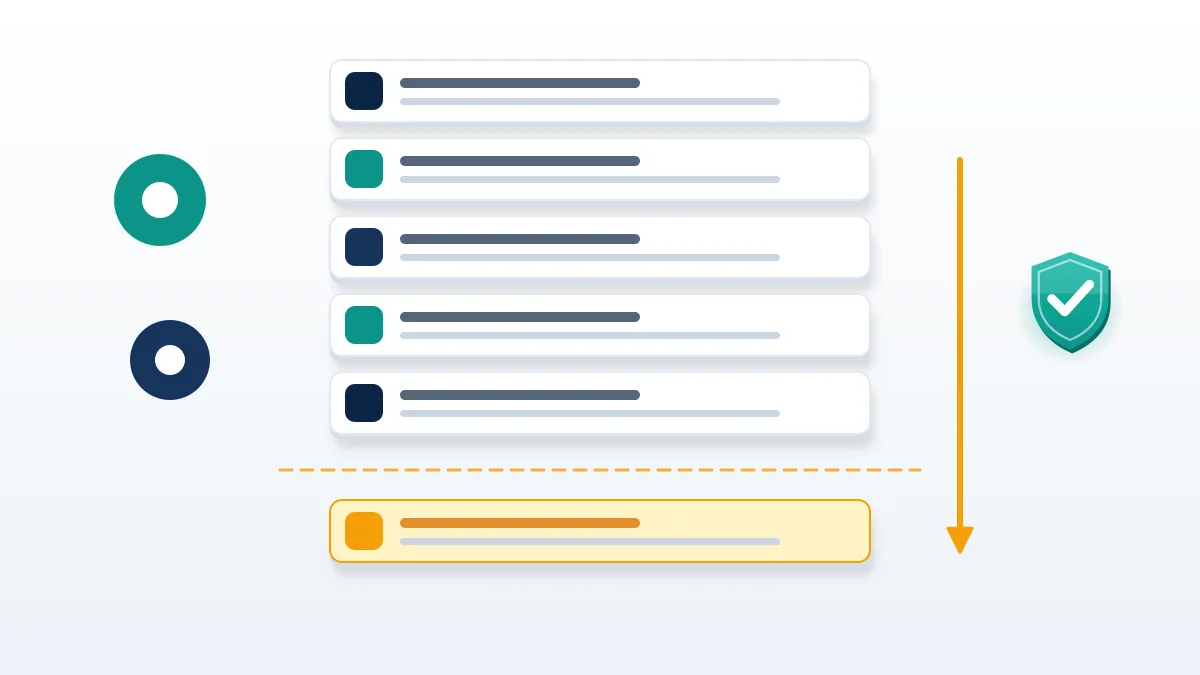
It means pushing a damaging page off the first screen of results with stronger pages, while the original stays online.
Search suppression is a ranking strategy, not a deletion. Google shows roughly ten organic results for a name or brand query, and every page you publish competes for one of those slots. When owned and earned pages outrank the critical article, the article slides down; nobody erases it. That difference matters because suppression and removal solve separate problems. Removal works when a page breaks a law or a platform rule, or exposes contact details Google will delist. Suppression covers what survives those tests: a fair but harsh news story, an old lawsuit record, a forum thread that broke no policy. If a page can be taken down, take it down first through the routes in our guide to remove your name from Google search, since a deleted page cannot climb back. Whatever stays live, you bury negative content by outranking it, and honest internet search suppression is nothing more than that.
Take a dentist with a five-year-old local news story about a billing dispute that was settled. The story is accurate, so no court or platform will pull it. What can change is what sits above it: a practice website, a complete Google Business Profile, a dental association listing, two interviews and an active Instagram account, all ranking for the dentist's full name.
Your Reputation Solution is an online reputation management firm that sorts a client's results into removable and outrankable, then builds the pages that do the outranking. It never touches the negative page itself.
One more distinction. Suppression is slow, cumulative and never final.
Why page two is the realistic target
Hardly anyone scrolls that far. Backlinko's study of more than 5 million Google results found that 0.78% of searchers clicked anything on page two (Backlinko, 2019).
So the goal when you suppress search results is position eleven or lower for the queries people really type: your full name, your name plus a city, your company name plus "reviews" or "scam". Each query has its own results page, and a result buried on one can sit at position three on another. List every variation a client, employer or date would search, then record the rank of each negative URL in a private window with personalization off. That spreadsheet is your baseline, and it also tells you how many slots you must fill. Suppose an article sits at position four. Three pages already hold above it, so roughly seven new or strengthened pages must rank above it for that exact query. Any plan for how to push google search results down that skips this count is guessing, and the same count answers how to bury google search results for a brand name.
Every engagement at Your Reputation Solution starts from that sheet, and the same query list is re-checked each month.
How to bury a news article on Google
News domains are the hardest results to move. Publishers carry years of links, and Google often adds a Top stories box for fresh coverage. How to bury a news article on Google comes down to time plus volume: the story leaves Top stories within weeks, while the organic link can hold for years until several strong pages outrank it. Bury negative article results from local outlets first. National outlets rarely drop below position six without months of work, and the same logic covers how to bury bad press on Google from trade sites and blogs.
How to bury negative search results with pages you control
Owned pages are the core of how to push down negative content on Google, and five asset types do most of the work.
First in line is a personal or company site on a name-matched domain, with an about page, a bio and a few real articles, because Google treats such a domain as a strong answer to a navigational query. Social profiles follow: LinkedIn, X, Instagram, YouTube, Crunchbase or a professional directory. These profiles rank well for names because the platforms already carry enormous authority, which is why a profile with a complete bio and regular posts often reaches page one within weeks. Third come earned pages such as interviews, podcast guest pages, conference speaker bios and local features about something real. Fourth are structured listings like Google Business Profile or an industry association. Fifth, images and videos, which can take whole rows of the page. Common names change the math: how to push down google search results for a common name differs from a rare one, since common names need pages tied to a city or employer.
Before building anything new, Your Reputation Solution maps which of the five asset types already exist, because an abandoned profile can often be revived faster than a fresh one can rank.
Secure matching usernames before writing a word. An Instagram handle check takes a minute, and the explainer on is this Instagram username taken shows what the availability error really means.
Variants work fine. Lists of short available Instagram usernames are mostly a myth for real names.
Even an insta username not available message rarely blocks a name plus a profession, such as janedoe.law, and browsing available IG usernames beats inventing ten variants that split your authority.
Keep the profiles alive, or the buried result climbs back
Suppression holds only while the pages above the negative result stay indexed. Once a profile is disabled, suspended or deactivated, it returns a dead page, Google drops it within days or weeks, and the article you pushed down rises one slot for every asset lost. We see this more often than any algorithm update: a client spends six months building a profile set, one account gets flagged, and the story is back on page one. Treat every profile as a brick in the ranking wall. Turn on two-factor authentication, keep the recovery email current, and post often enough that the platform reads the account as active. Fix anything that breaks the same week, since a gap of a month can cost the slot. This is also why projects to bury google results need an owner who logs in, not a set of profiles created once and forgotten.
Every suppression plan at Your Reputation Solution includes a monthly asset check: each profile URL is opened, its index status confirmed, and any lock or warning handled before it costs a position.
Instagram breaks most often. An Insta account disabled for a supposed violation falls out of results quickly, and the usual answer to why is my Instagram suspended is automated flagging of new or bursty activity.
Locks are milder. An IG locked screen usually clears with a code, while an Instagram banned account needs an appeal and may never return.
For a disabled profile, the Instagram account recovery request form is the official route. Read how to get back into a deactivated Instagram account for the simpler case where a teammate switched it off.
Staff who say "I deactivated my Instagram account by mistake" can usually log back in. When that login fails, how do you reactivate your Instagram account walks through the fixes.
Prevention is cheaper. Ask how can I avoid a shadow ban on Instagram before a campaign, not after: pace posting, skip follow sprees, never buy engagement. To reach a person, how can I contact Instagram lists the channels that reply.
Email is the second weak spot. Compare any message against the real IG help email addresses, and ignore an Instagram hacked email you did not trigger.
If an IG password reset email never arrives, check the spam folder and the address on file. Any listed support number for Instagram is usually a scam, because Meta runs no public phone line.
On X, profiles fade after quiet restrictions, so run an X shadowban test when impressions drop. Logging back in within 30 days is the whole Twitter reactivation process for a deactivated account.
The Twitter account recovery process covers a forgotten password. After a takeover, the guide on how to recover X account access matters more.
Snapchat ranks less often, yet how long is a temporary ban on Snapchat matters once a Public Profile is an asset.
Not sure which results can be removed and which must be outranked? Ask for a free assessment and Your Reputation Solution will map your name queries, flag removable pages and outline a realistic plan, without asking for any password.
How long does it take to push negative search results down?
Expect 90 to 180 days before most negative results leave page one, and longer for strong news domains.
This window comes from how Google discovers and weighs new pages. A fresh profile can be indexed in days, but ranking above an established article needs links, mentions and engagement that build over weeks. Month one is setup: claim names, complete profiles, publish the core site. Months two and three are cadence, meaning one or two useful pieces per week across the owned assets plus outreach for earned mentions. Movement usually shows in month three, when the weakest negative results slip to positions eight or nine. Months four to six decide whether the main negative page leaves page one for your primary query. How to push negative search results down faster? Mostly you cannot without breaking rules that carry penalties. What you can do is stop wasting months: target the exact queries from your baseline sheet, and repair broken assets the day they fail.
In every proposal, Your Reputation Solution quotes suppression timelines in months, never days, and states in writing which queries a plan targets.

Nothing here is permanent. New articles, court filings or viral posts can lift a buried page again, which is why bury negative google search results work continues at a lower pace after the main goal is met.
How to push bad news down in Google search after a crisis
Fresh coverage changes the playbook. During the first two weeks, how to push bad news down in Google search is mostly about Top stories: publish a factual statement on your own site, update every profile, and give reporters an accurate follow-up. Google wants recent information for a crisis query, so a clear owned statement often appears beside the coverage rather than under it.
What backfires when you try to bury bad search results?
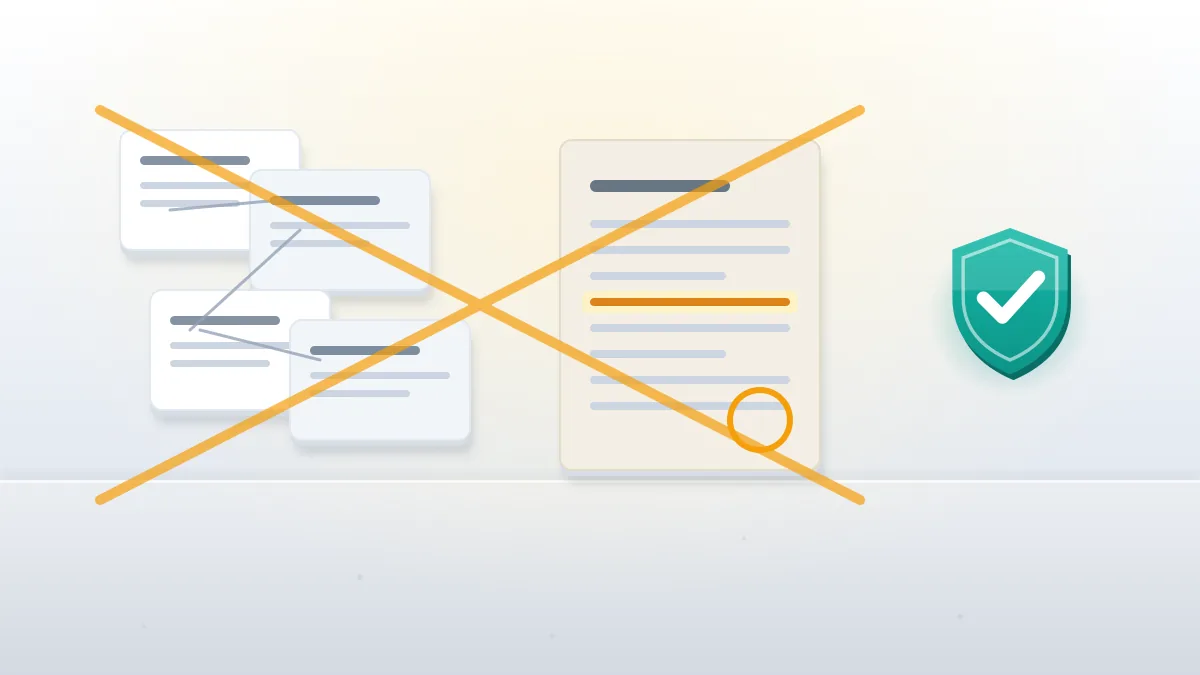
Link networks, fake news sites, forged legal notices and fake reviews can each strengthen the negative result or get your own pages demoted.
Google's spam policies name link spam, scaled content abuse and site reputation abuse as violations, and those three describe most cheap answers to how to bury bad search results: hundreds of thin blogs linking to each other, mass-produced press releases, paid posts parked on sections of big sites. When Google catches the pattern it ignores the links or demotes the pages, and the article you meant to cover is back on page one while your fake pages vanish. The harsher version is fraud. Forbidden Stories reported in 2023 that the firm Eliminalia had journalists' work deleted or hidden through copyright claims built on copied, back-dated articles (Forbidden Stories, 2023). Filing a knowingly false takedown notice creates liability under 17 U.S.C. 512(f), and a published story about a cover-up attempt usually outranks the original article it was meant to hide.
Your Reputation Solution will not file false copyright claims, build link networks, post fake reviews, pay publishers to unpublish, or ask for a password; it builds and repairs legitimate pages, and Google alone decides the ranking. Our full limits sit on the disclaimer page.
Watch who sells the shortcut. A scammer on Instagram promising to erase an article in 48 hours for a crypto payment is a familiar pitch, and anyone asking for your email or social media password is after the accounts, not the article. Cheap packages that promise to bury bad google results with hundreds of new pages are the same trap in a nicer wrapper.
How to suppress content on Google that a removal tool cannot reach
Some results sit between removal and suppression, so sort them before you start building.
Google's Results about you tool can delist pages showing your phone number, home address or email, though Google says it won't remove such results from newspaper, government or educational sites. In the EU and UK, the right to be forgotten lets a person ask Google to delist name results that are inaccurate, inadequate, irrelevant or excessive (Google). And when a page has already changed or disappeared, the Remove Outdated Content tool refreshes the stale snippet. Use each tool on what qualifies, then suppress the rest. That combination is how to suppress negative google results in practice: delist the contact-details result, update the stale snippet, outrank the fair but harsh article. Knowing how to bury a google search result that passes every legal test becomes the only job left, which keeps the project smaller and faster.
Before any work begins, Your Reputation Solution scopes that split, so a client pays for suppression only on results no removal route can reach.
Corporate names get less help. Google says companies usually have no delisting right for their own name, which pushes brands toward pure suppression.
How to bury something on Google that is truthful and newsworthy? Accept that it stays findable, and make sure it is no longer the first thing people see. Reviews and forum threads move faster than news, so how to bury bad google search results from a complaint board usually needs fewer assets, and the same is true of how to bury search results on page one of a niche query.
Learning how to suppress google search results starts with that sort. Then comes the slow part, which is where most people quit: three to six months of publishing, checking and fixing before the work to push down negative google search results shows up on the queries that matter. Keep a dated screenshot of each query every month, because memory is a poor judge of slow movement and a single bad week can feel like failure. Keep the pages honest, too. A profile that says something true about your work today will still rank next year, while a decoy page tends to vanish in the next spam update and take its borrowed ranking with it, leaving the old article exactly where it started. Learning how to bury google results is mostly learning to wait without cutting corners.