What counts as doxxing?
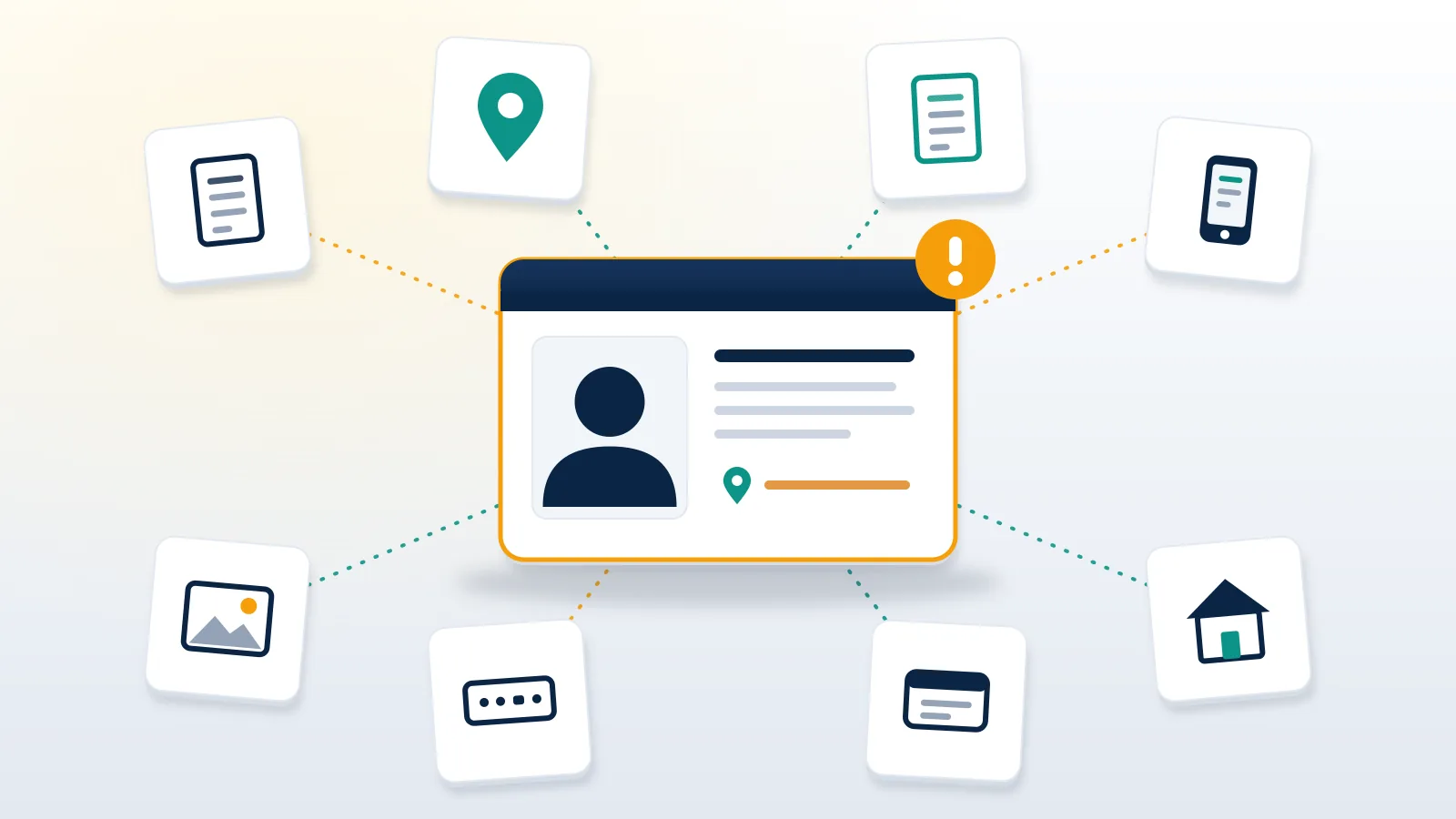
Doxxing is publishing information that identifies, locates, or exposes a specific person, arranged so an audience can act on it. The classic payload is a home address, a workplace, a phone number, or a photo tied to a legal name. The defining feature is targeting, not secrecy. What is considered doxxing by platforms and, increasingly, by courts comes down to one question: did the post single out a person and hand strangers the means to reach them?
That framing matters because almost nothing about you is truly secret. Voter rolls, property records, business filings, old forum posts — most of it sits one search away.
Your Reputation Solution is a content-removal and account-security firm that documents doxxing posts, files the reports, and escalates them through the channels each platform actually reads. The question our analysts field most — is it doxxing if the information is public? — has an unsatisfying but honest answer: availability is one factor, and usually the least important one.
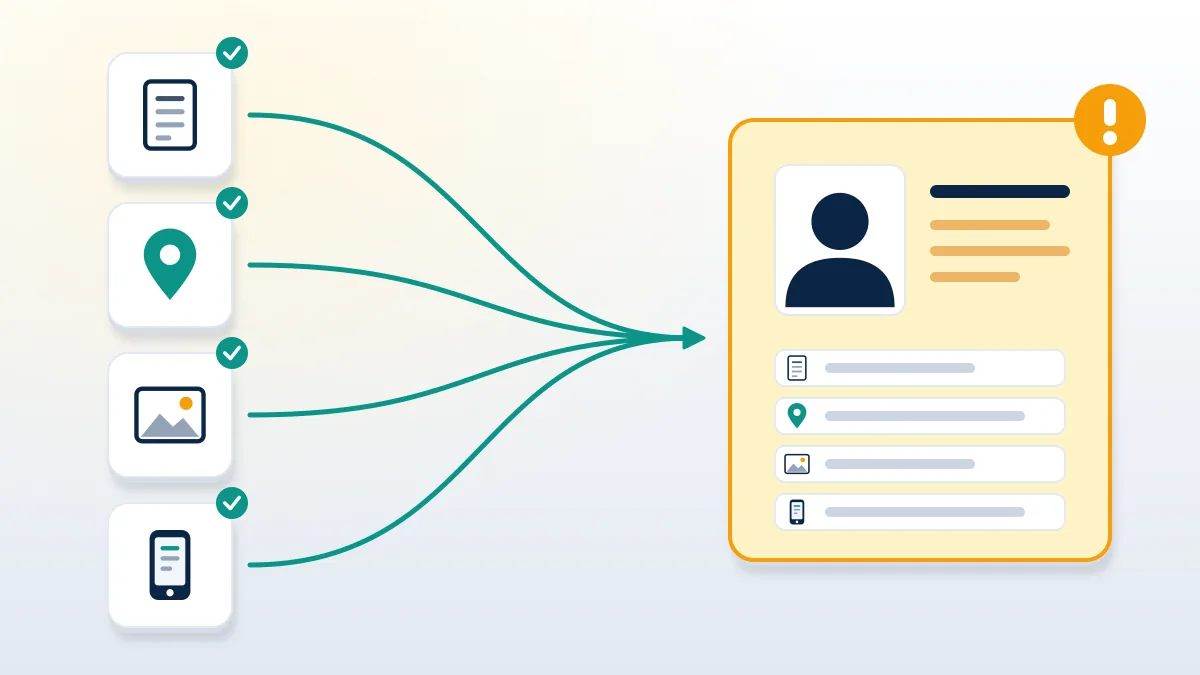
Here is the three-part test that decides what constitutes doxxing under every major platform policy. First, identification: the post names or unmistakably points to a real person. Second, exposure: it adds contact surface — an address, a plate, a number, a workplace, a live location. Third, context: the framing invites an audience to do something with it, whether that is "look who lives here" or an explicit call to harass. A post that meets all three parts qualifies even when every ingredient was lawfully public, because the harm comes from the assembly, not the archive it was pulled from. That is also what qualifies as doxxing in the newer state statutes, most of which borrow the same structure: disclosure, intent, and reasonable fear.
Why can public information still be doxxing?
Because aggregation changes what information does. Your county's property site lists an owner. Your gym tags a photo. An old résumé carries your cell number. Each fragment is harmless where it lives; compiled into one post under your name, the set becomes a map to your front door. So is public information doxxing? By itself, no — compiled and aimed at a person, it routinely is.
People type "is it doxxing if its public information" into search bars thousands of times a month, usually hoping for a clean no. Platform policy says otherwise. X's private information policy weighs what was shared, who shared it, whether it is already circulating, and the risk to the person — public availability reduces but does not erase a violation. Meta's privacy violations standard once allowed any "publicly available" detail; after its Oversight Board pushed back in February 2022, Meta dropped that exception for residential addresses and imagery precisely because aggregated public data was fueling real-world harassment.
So when someone asks, is it considered doxxing if the information is public — the policy answer is yes whenever assembly, audience, and intent line up against one person.
The companion question, is sharing public information doxxing, splits on the same hinge. Sharing a news article that names someone? Ordinary speech. Sharing the same name next to their apartment number and shift schedule, in a thread already hostile to them? That is distribution with targeting, and reviewers score the thread, not the sentence. Intent rarely needs to be stated for a report to succeed; a reasonable-reader standard does the work, because context tells reviewers what a caption will not.
Name, face, plate, phone: where each detail lands
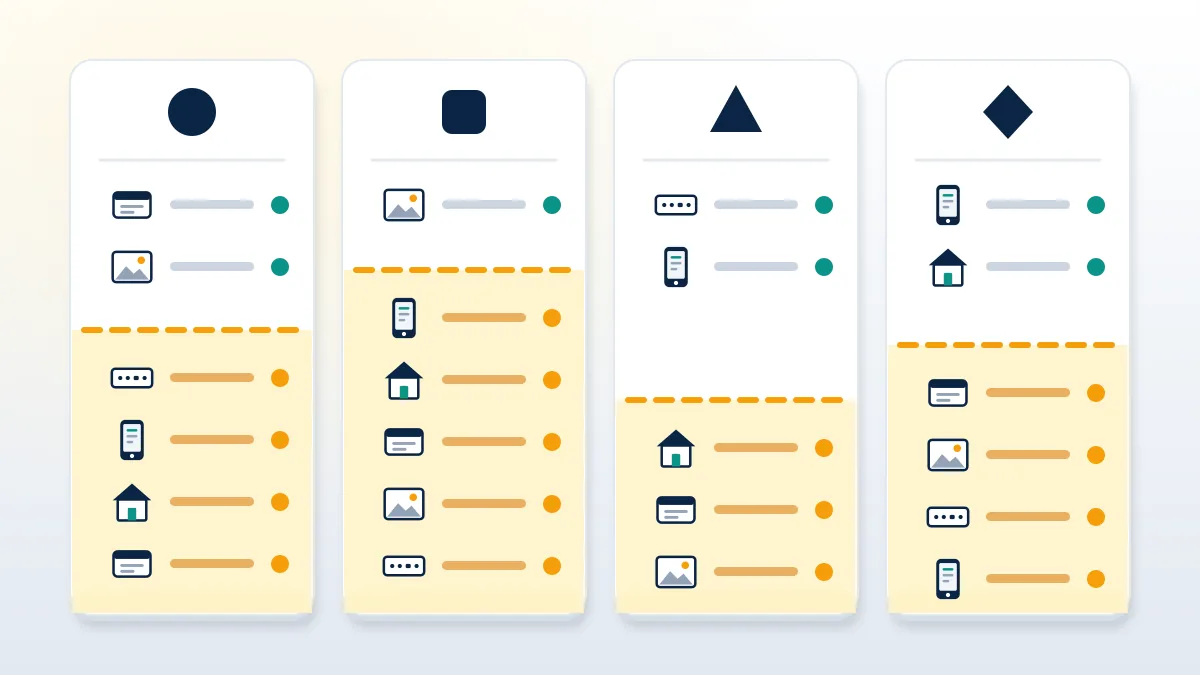
Not every detail carries the same weight. Platforms grade by how directly a detail lets strangers reach you — and Your Reputation Solution grades incoming cases the same way, because the detail type predicts which reports platforms accept.
Is revealing someone's name doxxing?
Usually not on its own. Names are the weakest identifier — thousands of people share yours. So is saying someone's full name doxxing? Context decides. Connecting a pseudonymous account to a legal name (deanonymization) is treated as doxxing by X and Reddit even with nothing else attached, because the link itself is the exposure. Is revealing someone's name doxxing when that person already posts under it? No. When the name unmasks someone who deliberately separated identities, or arrives bundled with a workplace and city, it crosses.
Is showing someone's face doxxing?
A face alone, generally no — photographing people in public is lawful in the US. Is showing someone's face doxxing becomes a live question when the image is used to identify: a screenshot run through face search, posted with "find this person." Similarly, is leaking someone's face doxxing matters most for people who kept their face off a platform deliberately — streamers, OnlyFans creators, pseudonymous critics. Publishing it to strip that separation is treated as exposure, and TikTok and Reddit both remove it under their harassment rules when paired with identifying captions.
Is posting a license plate doxxing?
Plates are state-issued and visible to anyone on the street, which is why people assume they are fair game. Is posting a license plate doxxing? In isolation, platforms mostly allow it — dashcam channels run on plates. It flips when the plate is paired with a name, a location pattern, or an invitation to look the owner up, because plate-to-identity lookups exist and a plate plus a regular parking spot is a schedule.
Is posting someone's phone number doxxing?
Yes — this one is the cleanest case. Is posting someone's phone number doxxing under X, Meta, TikTok, and Reddit policy? All four name phone numbers as protected private information regardless of where the number appeared first, because a number is a direct line for SWATting setups, SIM-swap targeting, and harassment waves. Victims who burn a number learn the cost later: platform access tied to it breaks. Guides to Telegram banned phone number recovery, how to recover a Telegram account without the phone number, and TikTok account recovery without a phone number exist in large part for people who changed numbers after exposure.
Is doxxing illegal, harassment, or free speech?
Treat this section as orientation, not legal advice — statutes differ by state and the facts decide everything.
Is doxxing someone's address illegal? In a growing set of states, yes. California's Penal Code § 653.2 makes it a misdemeanor — up to one year in county jail and a $1,000 fine — to post personal identifying information with intent to place someone in reasonable fear, and AB 1979 (Chapter 557, Statutes of 2024) added a civil route effective January 1, 2025: doxxing victims can sue for up to $30,000 under Civil Code § 1708.89. Fourteen states carry dedicated anti-doxxing statutes as of March 2026. At the federal level there is no doxxing statute by name; prosecutors reach it through 18 U.S.C. § 2261A, the interstate stalking law, when posts form a course of conduct meant to harass or place a person in fear.
Is doxxing free speech? Partly — and this is where honest answers get uncomfortable. Truthfully republishing public records is protected expression in most circumstances, which is why bare address posts often survive legal challenge. Protection ends at true threats, incitement, and harassment campaigns: courts look at the whole course of conduct, not the single post. A plate photo is speech; the same photo captioned "make him afraid to drive" is evidence.
Is doxxing harassment? Under platform policy, almost always — every major platform files it inside harassment and privacy enforcement, which means reports route to the same teams and the same penalty ladders. That routing is why Your Reputation Solution builds report packets around the pattern of conduct rather than any single post; the pattern is what those teams are trained to act on.
How do platforms actually enforce the line?
Policy text is the start; enforcement is where cases are won. Of the 163 doxxing-related reports Your Reputation Solution filed across Meta, X, TikTok, and Reddit between January and October 2026, residential-address reports moved fastest — Meta usually acted inside 72 hours — while name-only and plate-only reports were declined more often than not (our internal records as of November 2026). The practical lesson from our caseload: report the aggregation, not the fragment. A report that documents the pattern — same account, several posts, escalating detail — succeeds where single-post reports fail.
Reddit is its own animal. Its Rule 3 bans posting personal information, and moderators remove aggressively, which is why "is it doxxing if the information is public reddit" threads dominate search results on this topic — subreddit mods rule on these daily and their bar is lower than the sitewide one. If a thread about you survives moderator review, there is a separate path: our guide to how to get a Reddit post removed covers sitewide escalation when mods decline.
Enforcement cuts both ways, and both sides of a doxxing fight feel it. Accounts that post private info get suspended — a share of people searching why Instagram suspended my account for no reason trace back to a privacy-violation report they did not expect, and the same pattern shows up in why an Instagram account was disabled appeals. Platforms also apply quieter penalties: repeat borderline posters often fail a shadowban check on Twitter/X before any formal strike lands. Victims get hit too — retaliatory mass reporting locks targets out mid-crisis, which is why knowing how to unlock a locked Instagram account or how long a Snapchat disabled or temporary lock lasts becomes urgent at exactly the wrong moment.
Your username is public information too
Here is the doxxing vector almost nobody audits: handle reuse. Run a username through any lookup — the same way a TikTok username checker tests availability — and every site where that handle exists lights up. One gaming forum with your real name plus one dating profile with your face, joined by a shared handle, is a complete dox with zero hacking involved.
Reducing linkability is boring and effective. Pick different handles per platform — lists of available usernames for Instagram make separation easy — and think twice before chasing status handles: Instagram 4-letter usernames and rare handles traded on the Twitter handle marketplace attract exactly the crowd that runs reverse lookups for sport. People researching how to buy an Instagram username rarely price in the visibility that comes with a coveted handle.
One habit beats most tools: search your own handle quarterly and see what a stranger sees. Twenty minutes of looking usually finds the one forgotten profile that still carries your city, your face, or a number from 2019 — and deleting it costs nothing.
What should you do if someone posts your information?
Move in order. Speed matters less than sequence — deleted evidence is the most common reason reports fail.
Document everything first. Screenshot the post, the profile, and the URL with timestamps before reporting, because successful reports delete the evidence you may need for police or a civil claim under the new state statutes.
Report on-platform, under privacy — not spam. Privacy reports route to specialized queues. On Instagram, use the in-app report first; if it stalls, our breakdowns of which Instagram support channels answer, emailing Instagram support, the IG support number myth, the IG Help Center, and how to reach a real person at Instagram customer service map every escalation path and which ones are dead ends.
Secure what the dox exposed. A published number or email becomes a phishing target within hours. Rotate passwords from a clean device, enable app-based 2FA, and verify that reset emails are genuine — our guides to the Instagram password reset email not working and real-vs-fake [email protected] password reset emails cover the two failure modes we see most. If a login was already taken over, treat it as a hacked X account-class incident: report, secure, then recover.
Decide whether to go dark — temporarily. Deactivation starves a pile-on of fuel. Check what others see when an Instagram account is deactivated first, and know the way back: how to reactivate an Instagram account when login fails and how to reactivate an X account both have deadlines and traps worth reading before you flip the switch.
Escalate when there are threats. Explicit threats, SWATting references, or posts about your children go to local police with your documentation, and 18 U.S.C. § 2261A gives federal reach when conduct crosses state lines. Bring printed screenshots with URLs and dates to the report — officers file what they can hold, and a case number strengthens every later platform escalation and any civil claim you pursue under a state statute.
Being doxxed right now? Your Reputation Solution documents the posts, files privacy reports on the right channels, and escalates stalled cases — starting with a free, no-obligation assessment. Tell us what was posted and we respond within one business day.
What we will and won't do about doxxing
The doxxing-response market attracts the same scams as account recovery, so the limits deserve print. Your Reputation Solution files and escalates reports, builds evidence packets, and advises on hardening — the platform's trust and safety team makes the final removal decision, and anyone promising guaranteed removal of a post is lying to you. We never ask for your password: filing reports requires none, and a "specialist" requesting login credentials is running the second half of the attack. We do not offer pay-to-remove arrangements or hack-back services, and we decline cases built on fraudulent takedown claims. Clean cases with clear policy violations typically resolve in days; contested ones take weeks. Our disclaimer spells out what no honest firm can promise, and we would rather lose a sale than borrow a scammer's pitch.